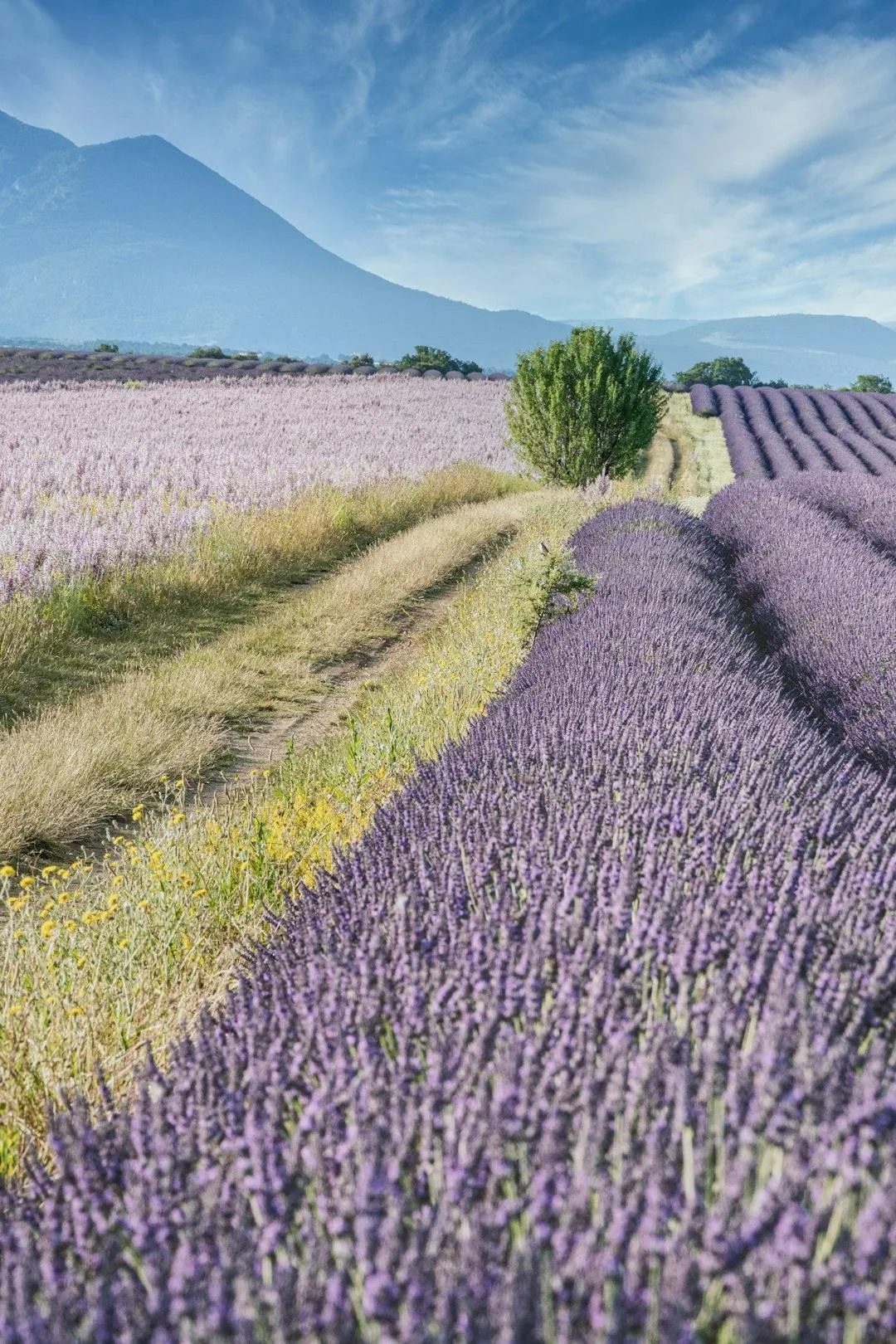
Best Lavender Fields in England to Visit (2026 Guide)
This article was fully updated in May 2026
Lavender has long been one of my favourite scents. It is so evocative, conjuring up lovely memories of my Grandma’s house. She made lavender bags to put in every clothes drawer and hang in every wardrobe. She used to put one under my pillow when I stayed at her house. She told me it would make me sleep better. I believed her. I still use them today. So, for me, the chance to visit whole fields of this glorious plant is too good to miss. Read on for my guide to the best English lavender fields.
To jump to a particular section of this article, please use these links:
The History of Lavender Fields in England
Visiting the Lavender Fields of England
The Best English Lavender Fields to Visit
The History of Lavender Fields in England
Lavender is a genus of 47 known species of flowering plants in the mint family. It is believed to originate in the Mediterranean region of Europe and North Africa and has a documented history going back over 2500 years. The Ancient Greeks and Egyptians made perfumes with lavender, and when Tutankhamun’s tomb was opened, traces of lavender were found, and its scent was still discernible.
The name lavender comes from the Latin ‘lavare’, meaning ‘to wash’. We know that the Romans used lavender to scent their baths, beds, clothes, and hair. They also used it in medicines, especially as a natural antiseptic to dress battle wounds. It’s possible that they brought it to England and began cultivating it here, but it only really became popular with the English in the time of Queen Elizabeth I.
She developed the culinary uses of lavender and always had a jar of lavender jam on her table. She also used it as a perfume and in her tea to treat her frequent migraines. By the time of The Great Plague in 1665, it was even thought to help protect people from becoming infected and to cure those with it.
Lavender farms were established all over southern England in the 17th century as its popularity grew. This continued until as recently as the mid-twentieth century, when escalating running costs and fierce competition from French growers put paid to most of England’s lavender fields.
Fortunately, in recent years, the possibility of making lavender farms into tourist attractions, as well as commercial producers of this fragrant plant, has meant that old lavender fields have been revived and new ones have flourished all over England.
Lavender and Its Uses Today
Today, lavender is universally popular and is cultivated across much of Europe as well as Australia, New Zealand, and the Americas.
It is grown commercially mainly for the extraction of its oil from its flowers and foliage through a process of distillation.
The oil is used as a disinfectant, an antiseptic, an anti-inflammatory and for aromatherapy. An infusion of lavender is claimed to soothe and heal insect bites, sunburn, small cuts, burns, inflammatory conditions, and even acne. Lavender oils are also used for internal medical conditions such as indigestion. When applied to the temples, it is also said to relieve headaches, migraines, and travel sickness. It is frequently used as an aid to sleep and relaxation.
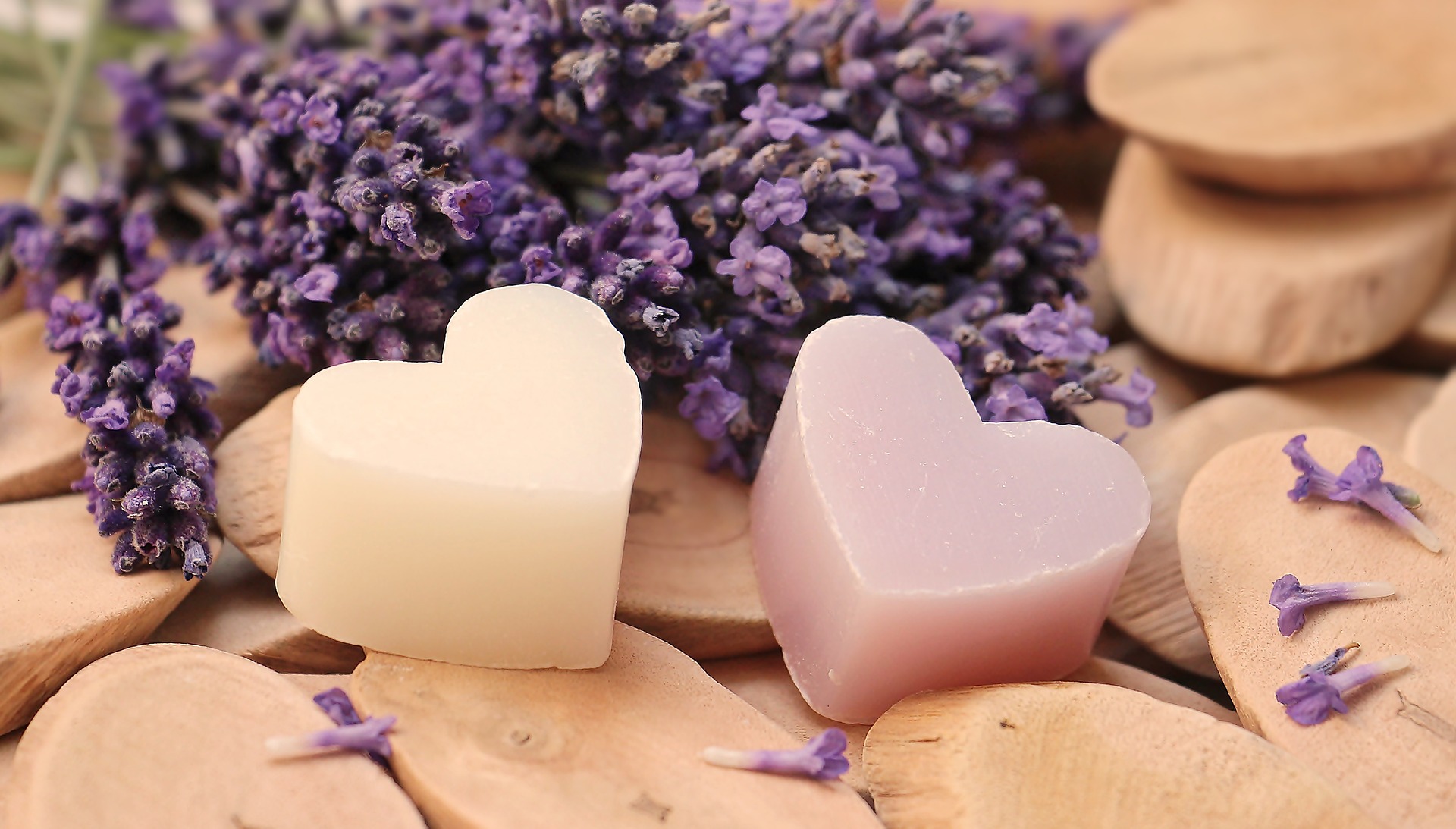
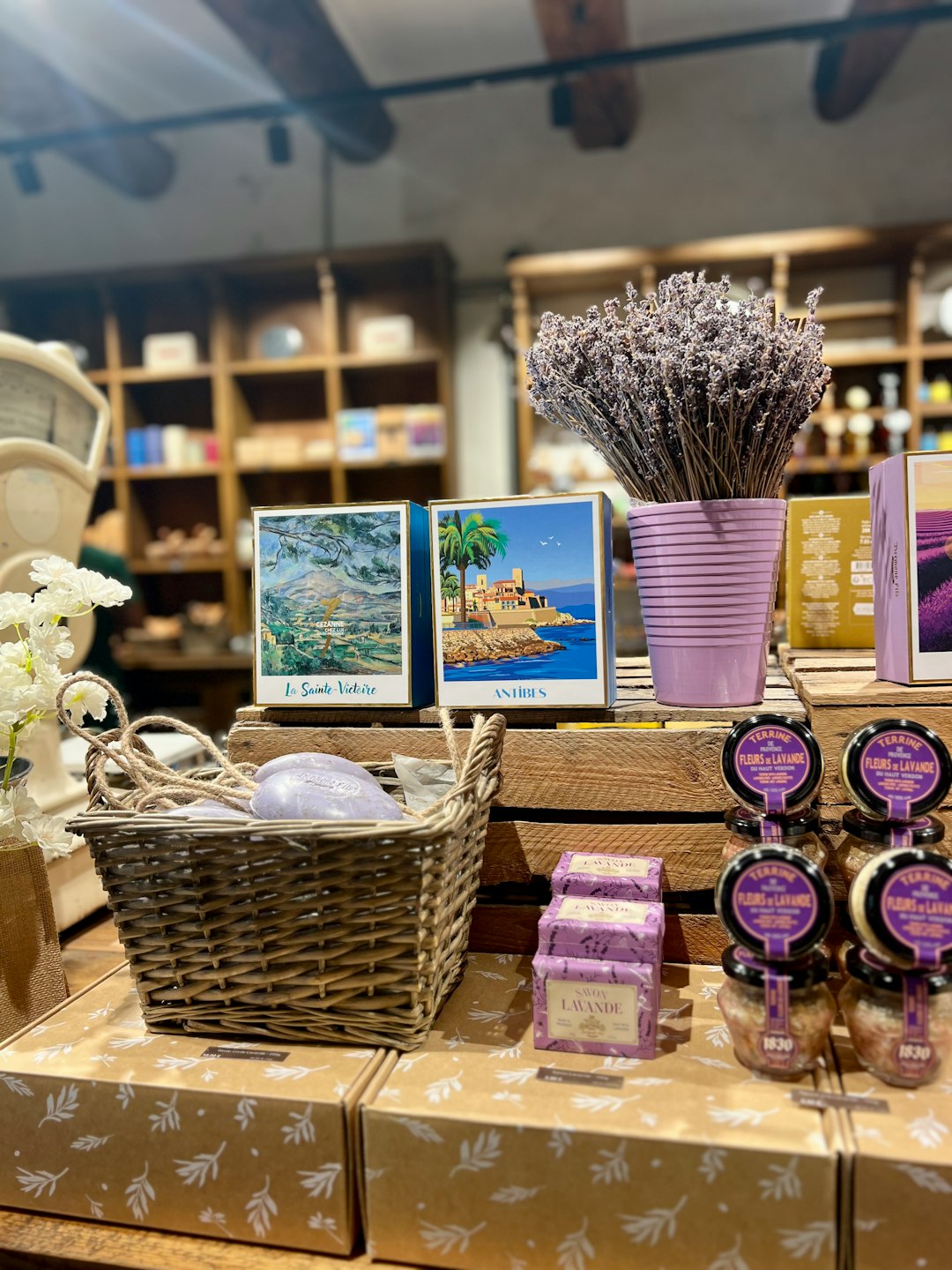
As well as producing oil, most growers also dry lavender flowers to be used as a fragrant herbal filler inside sachets, as potpourri, as floral decorations in the home, and as natural biodegradable confetti.
In the kitchen, lavender can be added to many dishes, both sweet and savoury. I particularly like lavender shortbread!
Visiting the Lavender Fields of England
The vast majority of commercial lavender growers in England now welcome visitors to their farms. They charge an entrance fee to allow you to wander through the fields, enjoying the powerful scent and taking masses of photos. Most of them have Facebook pages where they provide updates on the progress of the flowering so that you can time your visit to enjoy the blooms at their best. Depending on weather and location, English lavender usually flowers from late June through July, with some farms continuing into August.
It’s best to visit the lavender fields early in the morning or late in the afternoon. The light is better for photos, and there will usually be fewer crowds. At peak times, expect to be sharing the space with at least a few hundred others!
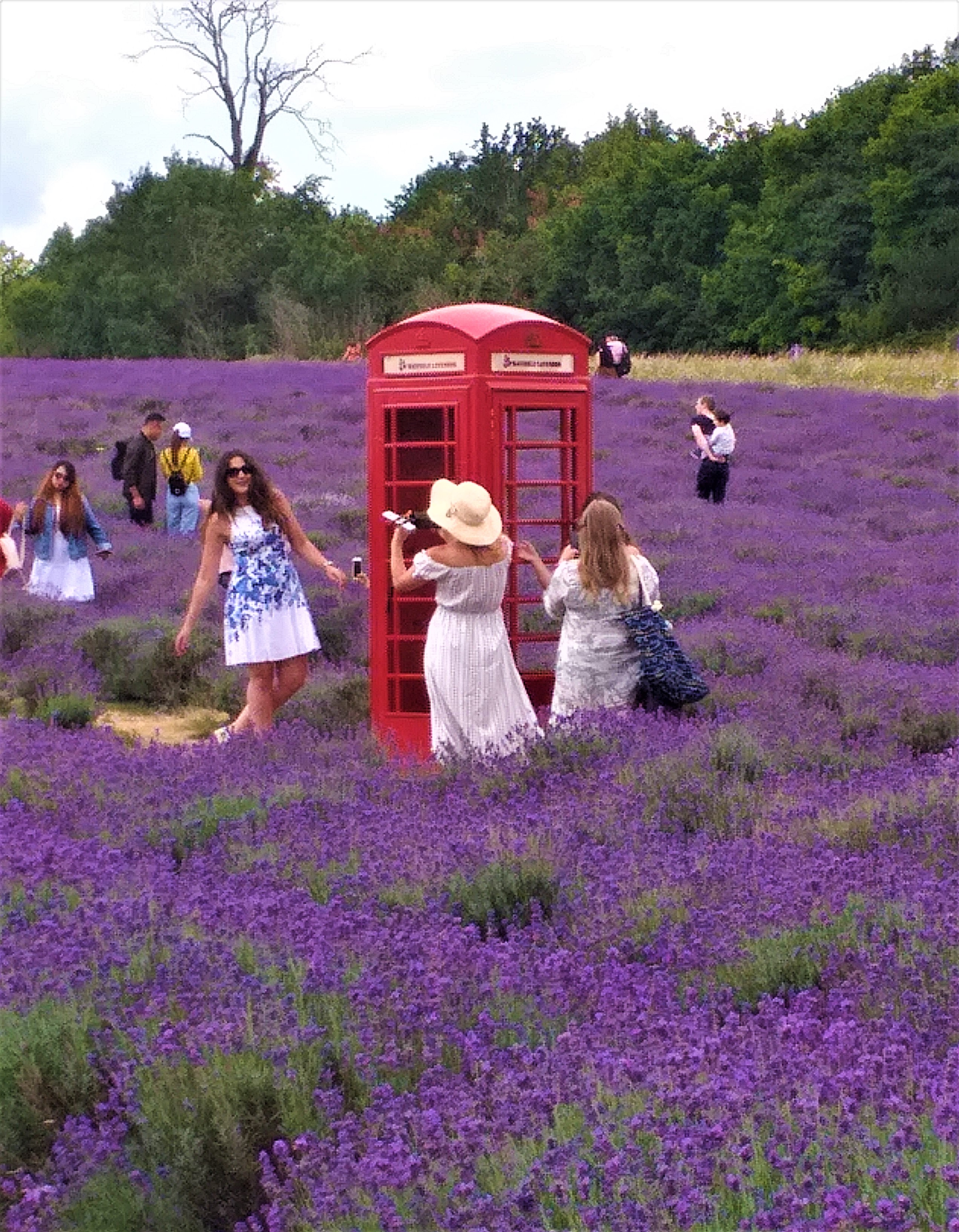
As well as fields full of gorgeous purple flowers, many lavender farms now offer other attractions for visitors. These invariably include a café and a shop selling lavender oils, soaps, cookies, and a plethora of other souvenirs to take away with you. You might also find a children’s play area, a picnic ground, signposted walks and nature trails, craft and cookery demonstrations, or even live entertainment. In this day and age, you should also expect to see ‘props’ for Instagrammers to take the perfect shot! Girls turn up in floaty summer dresses and wide-brimmed hats to pose amongst the lavender. If you don’t know what I’m talking about, check out the red phone box at Mayfield Lavender Farm in Surrey!
The Best English Lavender Fields to Visit
Mayfield Lavender Fields
Mayfield Lavender in Banstead, Surrey, usually opens from early June until late August, with peak bloom generally in July. Opening dates, ticket prices and parking arrangements can vary slightly each season, so check the official website before travelling.
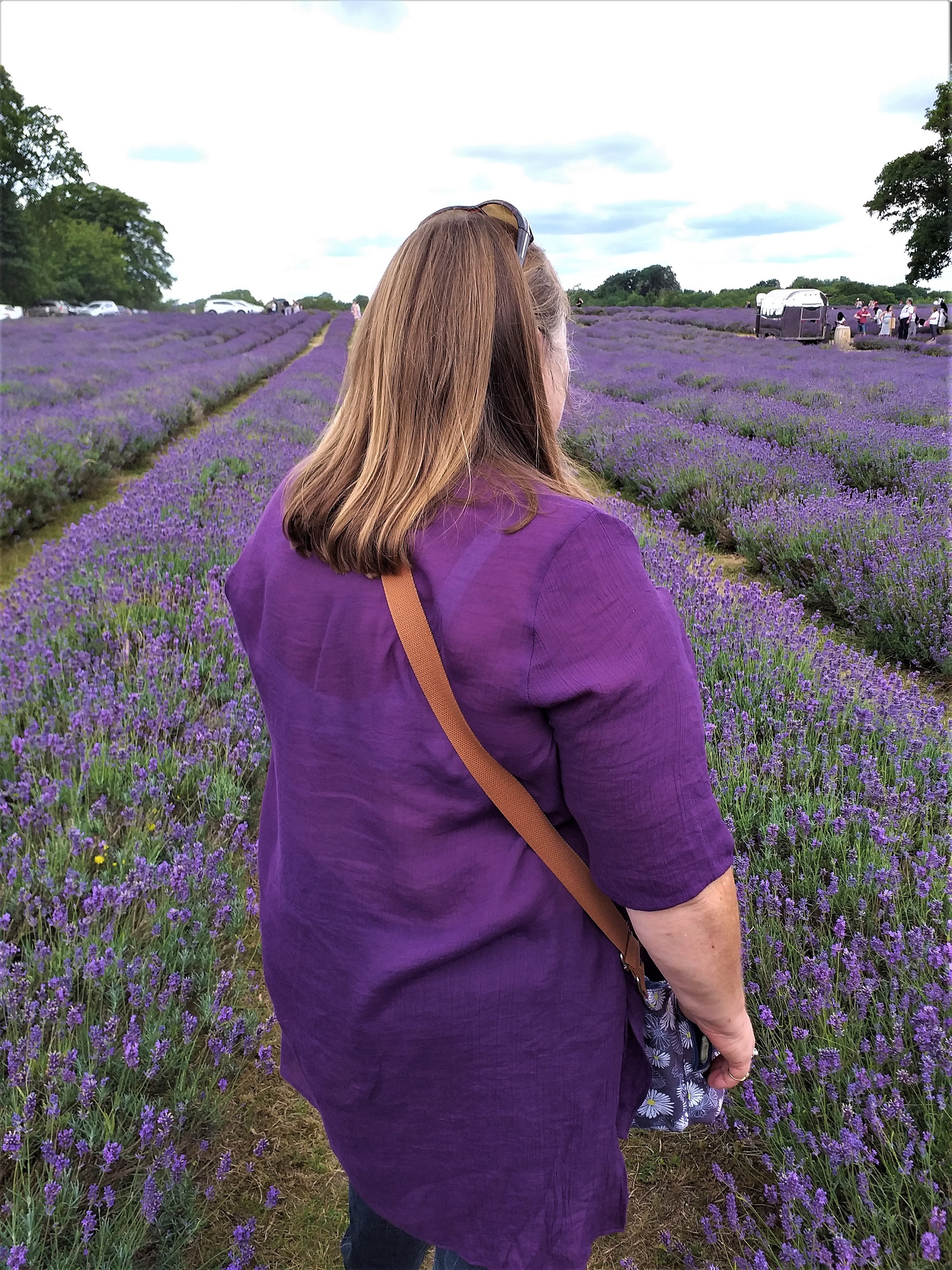
Once on the farm, you can wander freely through the rows of lavender. There is a café and a cool Airstream campervan where you can buy refreshments. There is also the obligatory shop selling souvenirs. On my visit, I just had to buy some fresh lavender to make my campervan, Bertha, smell amazing!
Cotswold Lavender
This is a family-run lavender farm located near Broadway in Worcestershire. It was started in 1999. Cotswold Lavender typically opens from mid-June to early August
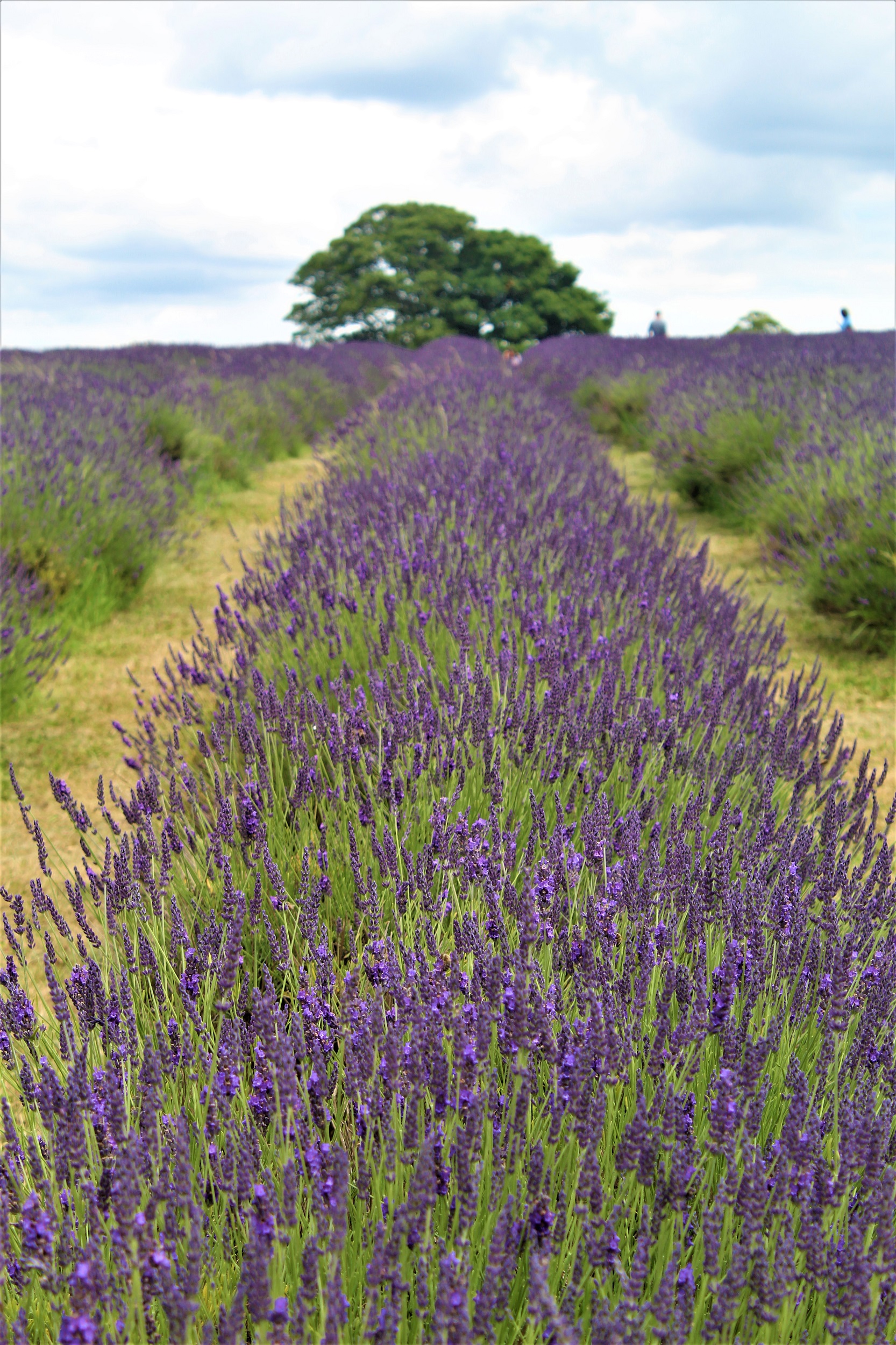
Cotswold Lavender is a little different to other farms in that they grow dozens of different lavender varieties, creating beautiful bands of colour ranging from pale lilac to deep purple. They have also recently started growing camomile.
The lavender is distilled the same day as it is harvested. Visitors can see what goes on inside the distillery during this process. Due to seasonal variations, it’s impossible to say in advance when harvesting will happen each year, so it’s important to keep an eye on the Facebook page for up-to-date information.
Cotswold Lavender sells an extensive range of products in its online shop.
Norfolk Lavender Fields
Norfolk Lavender is one of England’s largest lavender farms with over 100 acres of plants. It is located three miles south of Hunstanton on Norfolk’s west coast. As home to the national lavender collection, Norfolk Lavender is open all year round, from 10am to 5pm daily. Entrance is free, but there are plenty of ways to spend your money once you get inside!
There are two gift shops selling a huge range of lavender-related products and a garden centre where you can buy your own lavender plants. There is a play park and an animal garden to keep children entertained, and a restaurant and tearoom for refreshments. There are beautifully landscaped gardens to enjoy and, in the summer months, it’s possible to book a guided tour of the distillery.
Yorkshire Lavender
If you are in the north of England, Yorkshire Lavender near York is well worth a visit. It is open from 10am to 5pm daily from the end of March to the end of September. Ticket prices vary seasonally.
There is plenty to do at Yorkshire Lavender, including a lavender maze, lavender gardens, a plant nursery, a sculpture park, a gift shop, and a play area. There is also an award-winning licensed tearoom with spectacular views over the Vale of York.
Castle Farm Lavender
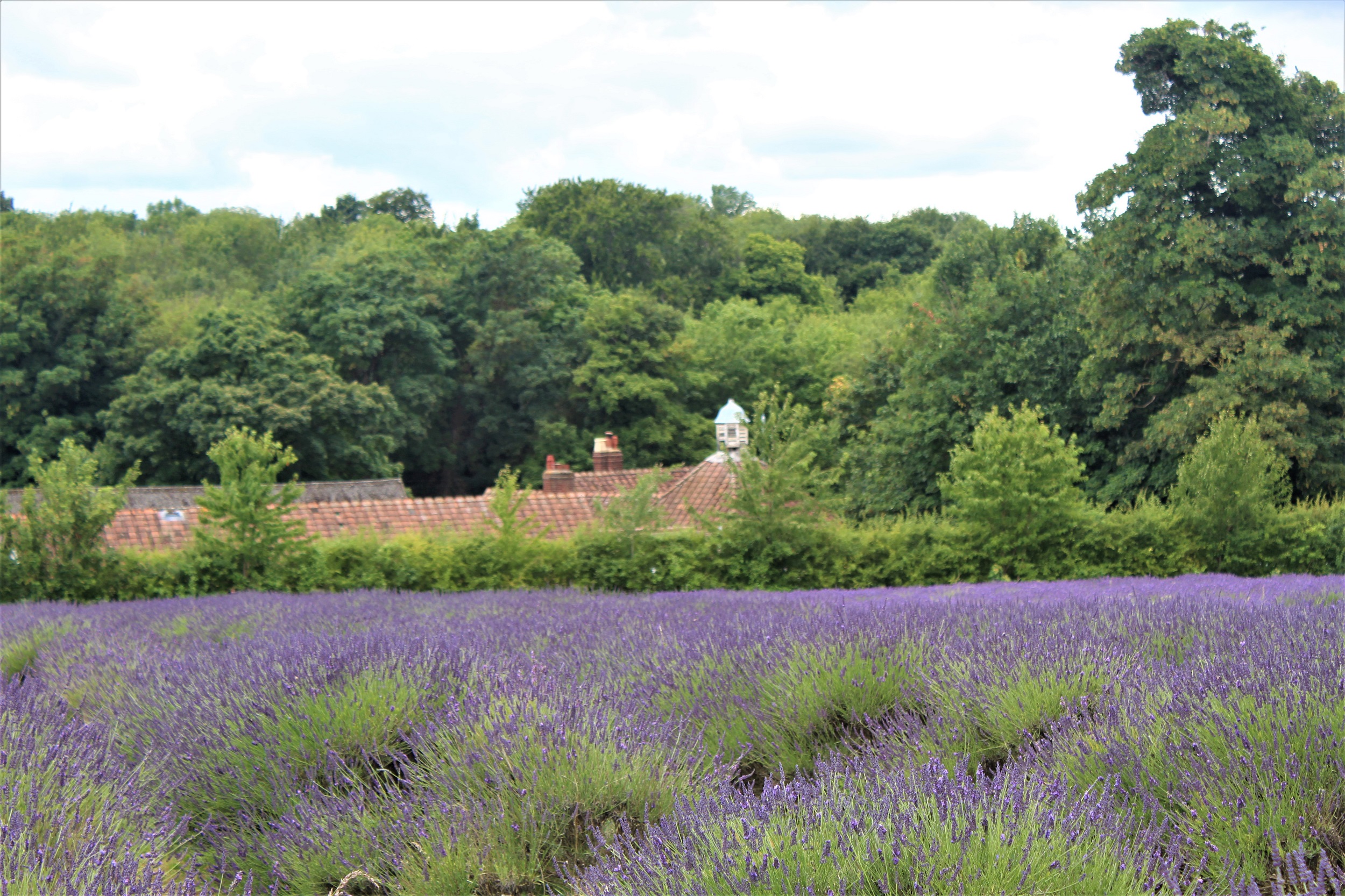
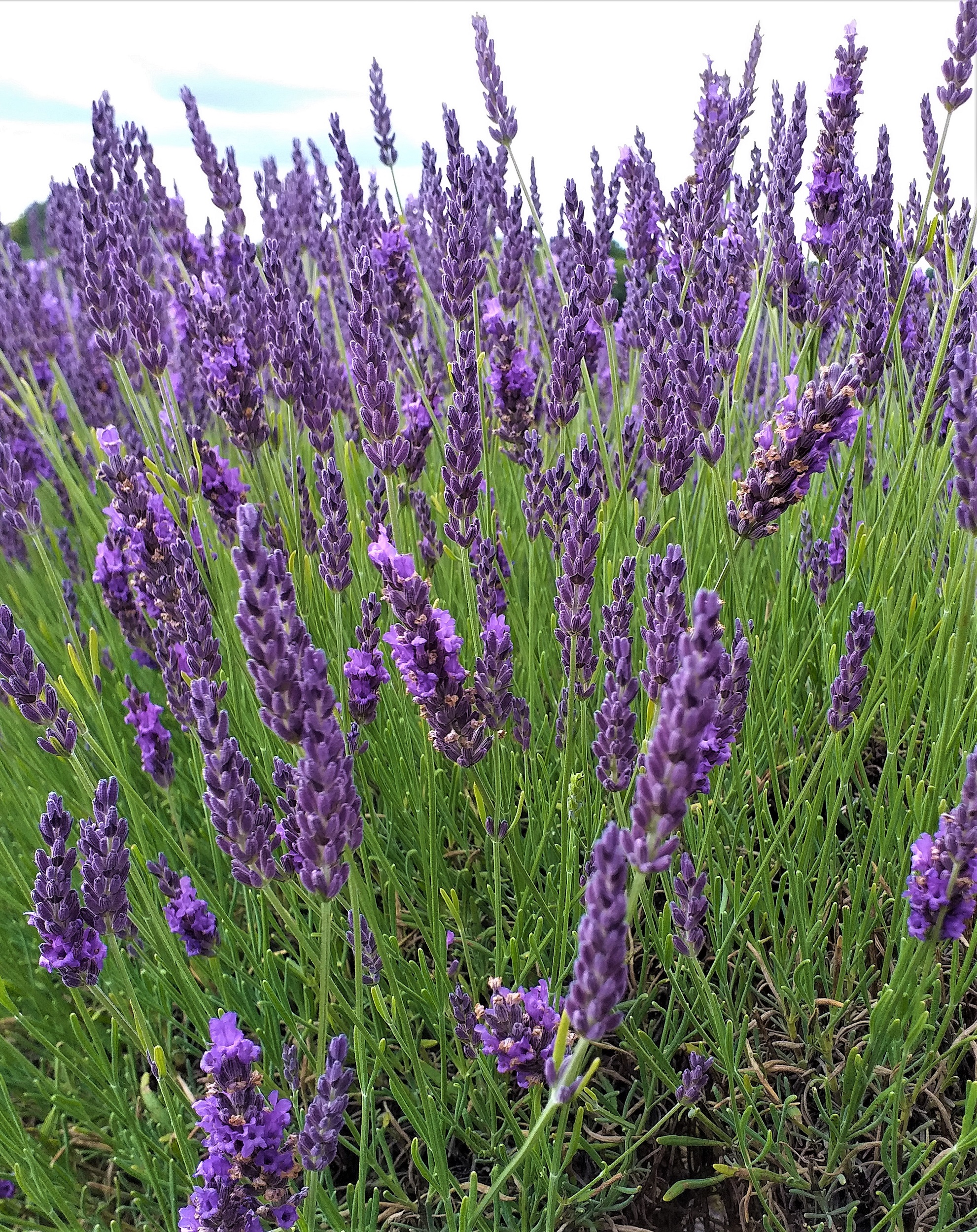
Located near Sevenoaks in Kent, Castle Farm Lavender(also known as Kentish Lavender) is best visited during lavender season, when tours, field access and special events are available. Some activities require pre-booking, so check ahead before visiting.
Hitchin Lavender
Set in rural Hertfordshire, Hitchin Lavender is open every day from mid-June to mid-August with late-night opening until 10pm on Tuesdays and Fridays. Check the website for up-to-date timings and prices.
As well as fields of lavender you can walk through, there are also large numbers of sunflowers, which usually bloom from mid-August onwards, as well as a wildflower area. There is a shop and a restaurant serving lunches and homemade cakes. The onsite museum houses a replica of a 19th-century pharmacy, and there is a play area for children.
Somerset Lavender
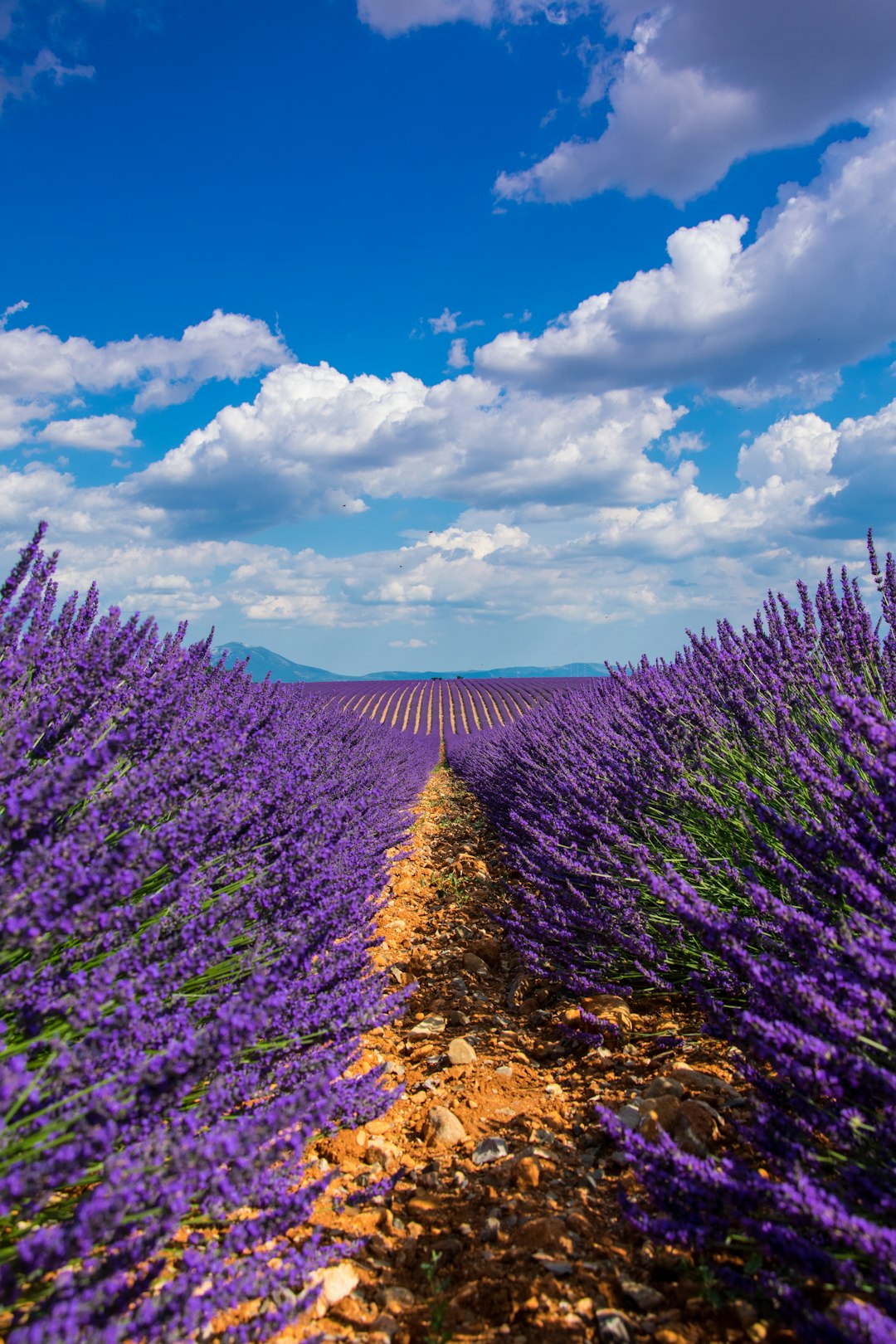
Somerset Lavender near Bath is open Wednesday to Sunday, 10am to 5pm, from 1st May to 30th September. Entrance is free.
The farm has two five-acre lavender fields, which visitors can wander around. There are also several gardens to enjoy. The lavender garden has over 20 different varieties of lavender and a rose arbour which provides a tranquil, shady spot. The healing garden is full of medicinal herbs. Take time to absorb the restorative scents. In the flower and vegetable garden, visitors can see all the produce which is grown for the café. The willow tunnel is perfect for children to run around.
Further Reading About Lavender
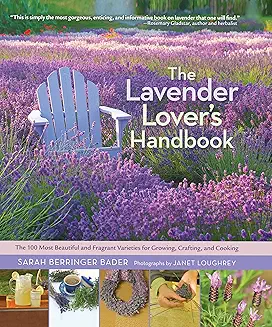
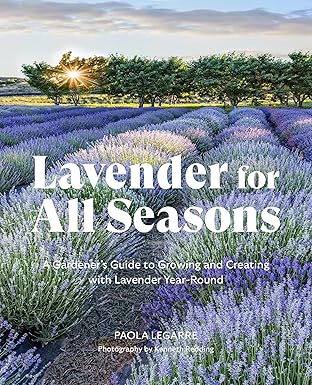
Click on the images to learn more. If you go on to purchase a book, it won't cost you any more, but I will earn a small commission, which helps me to continue to create content.
If you’re travelling soon, please use these links!
Are you travelling soon? Use these links when making your bookings. These are the companies we use. It won’t cost you any extra, but we will earn a few pennies to help keep Happy Days Travel Blog going. Thank you!!
Make sure you take out travel insurance. If you are a digital nomad or long-term traveller, try the specialist provider SafetyWing. (Never leave home without protecting yourself, your trip and your belongings!)
Book your flight with Skyscanner
Book your accommodation with Booking.com
Book a tour with TourRadar
Check out my Resource Page for more companies I recommend.
Disclosure:This post contains affiliate links. If you click through for more information, or to make a purchase, it may result in a small commission coming my way. Please note that there is no extra cost to you associated with this. Thank you so much for supporting my site.
