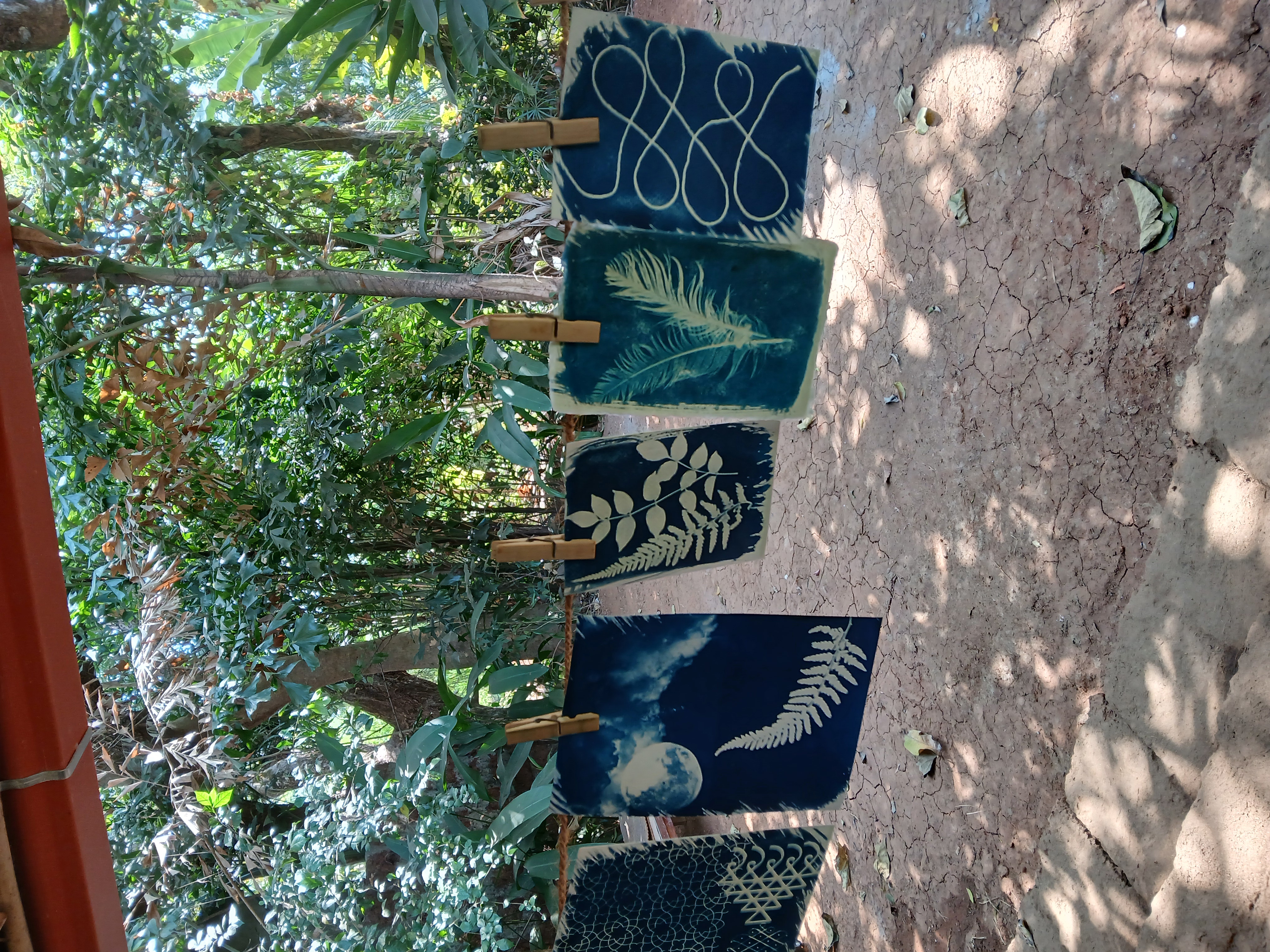
Discovering Cyanotype Printing in Goa: Blueprints, Sunlight, and Slow Creativity
I had never heard of cyanotype printing before I arrived in Goa. But when I spotted a cyanotype workshop on a local studio’s website, something about it immediately caught my eye. It looked creative, hands-on, and refreshingly low-tech – exactly the kind of experience I love seeking out while travelling.
As it turned out, it was one of those unexpected travel moments that stays with you long after you’ve left.
What Is Cyanotype Printing?
Cyanotype is a simple photographic printing process that dates back to 1842. It creates striking Prussian blue images – often referred to as blueprints – using sunlight rather than a camera.
The process involves coating paper or fabric with a light-sensitive chemical solution made from ferric ammonium citrate and potassium ferricyanide. Objects, plants, or photographic negatives are then placed on the surface, which is exposed to UV light (usually sunlight). Once washed in water, the exposed areas turn a deep blue, while the covered areas remain white.
The result is a bold, graphic image that feels both delicate and dramatic.
What makes cyanotype especially appealing is that it is:
Completely camera-less
Relatively eco-friendly
Accessible to beginners
Perfect for photograms (images made from objects rather than photos)
Particularly popular for botanical prints
It’s art you can quite literally make with sunshine.

A Little History: From Science to Art
Cyanotype was invented by the English scientist John Herschel, but its artistic potential was soon realised by botanist Anna Atkins.
Rather than using the process for photography, Atkins placed plant specimens directly onto coated paper, creating beautiful white silhouettes against rich blue backgrounds. Her work is now recognised as the first photographic book ever published, and it still feels remarkably modern.
That combination of science, nature, and creativity is one of the reasons cyanotype continues to resonate today.
Taking a Cyanotype Workshop in Goa
The workshop itself was a joy. Our tutor, Aishwarya, was warm, encouraging, and genuinely interested in the prints we produced. She explained the process clearly, step by step, and gave us space to experiment without pressure.
My fellow students were Abbey from Canada and her Indian husband, and together we spent a very pleasant three hours creating art – even though, in my case at least, I have absolutely zero artistic talent.
Watching our designs slowly emerge in the sunshine was quietly magical. There’s something deeply satisfying about placing your materials, stepping back, and letting the sun do its work. No rushing, no screens, no perfectionism – just time, light, and curiosity.
If you are in North Goa, please check out Mati Earth for this and other art and craft workshops.

Why Cyanotype Feels Perfect for Travel
What struck me most was how well cyanotype suits travel experiences. It’s slow, tactile, and rooted in place.
A cyanotype made in Goa, exposed under the Indian sun and created with local leaves or found objects, couldn’t be replicated anywhere else. Each print becomes a physical memory – not just of what you saw, but of how you spent your time.
In a world where we often collect digital photos by the hundreds, there’s something powerful about creating a single, imperfect, handmade piece instead.
Where Cyanotype Is Popular Today
Cyanotype has seen a global revival in recent years, particularly among people drawn to:
Slow living
Botanical art
Textile crafts
Mindful creativity
You’ll now find cyanotype workshops and artists across India, Europe, Japan, and the United States – often in places with strong creative communities and plenty of natural light.
It’s portable, adaptable, and endlessly open to interpretation.

If You Go: Taking a Cyanotype Workshop in Goa
If you’re interested in trying cyanotype printing while you’re in Goa (or anywhere else 😊), here are a few practical tips to help you get the most out of the experience:
Look for small studios or independent artists
Goa has a thriving creative community, and many of the best workshops are run by local artists rather than large organisations. Check studio websites, Instagram, or noticeboards in creative neighbourhoods.If you are in North Goa, please check out Mati Earth for cyanotype and other art and craft workshops.
Book ahead if you can
Workshops often have very limited spaces, especially during peak season. If something catches your eye, it’s worth booking early.Wear old clothes
Cyanotype chemicals stain, and while it’s all part of the fun, you won’t want to ruin anything you love.Go with an open mind
You don’t need any artistic experience at all. Cyanotype is forgiving, experimental, and all about process rather than perfection.Ask about fabric printing
If, like me, you’re interested in using cyanotype on textiles, it’s worth asking whether fabric printing is included or can be adapted.Allow yourself time
Most workshops last a few hours, and that unhurried pace is part of what makes the experience so special.
Stitching, Textiles, and What Comes Next
One thing I left the workshop feeling especially excited about was the possibility of taking cyanotype onto cotton fabric. I can already imagine layering cyanotype prints with sashiko stitching, adding texture, pattern, and another layer of storytelling.
It feels like a natural extension of my love for slow travel and slow craft – allowing one creative process to flow into another.
Final Thoughts
I arrived at the workshop curious and slightly unsure. I left with blue-stained fingers, a handful of beautiful prints, and a strong desire to keep exploring this technique.
Cyanotype printing is simple, forgiving, and deeply satisfying – and discovering it while travelling made the experience even richer. It reminded me that some of the best travel memories aren’t about ticking off sights, but about taking the time to make something, slowly, in the place you are.

Books and Other Items on Cyanotype
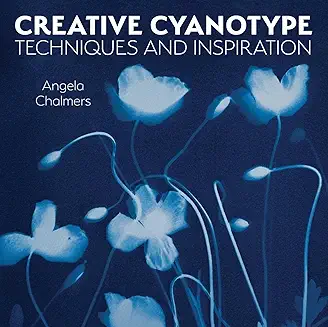
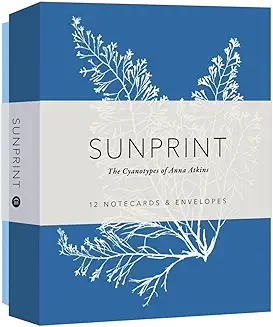
Click on the image to order from Amazon. It may result in a small commission coming my way. Please note that there is no extra cost to you associated with this. Thank you so much for supporting my site.




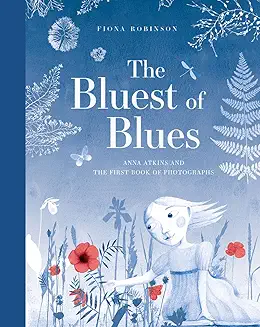
Notecards
Cyanotype Paper

Watch this Video to Learn More
If you’re travelling soon, please use these links!
Are you travelling soon? Use these links when making your bookings. These are the companies we use. It won’t cost you any extra, but we will earn a few pennies to help keep Happy Days Travel Blog going. Thank you!!
Make sure you take out travel insurance. If you are a digital nomad or long-term traveller, try the specialist provider SafetyWing. (Never leave home without protecting yourself, your trip and your belongings!)
Book your flight with Skyscanner
Book your accommodation with Booking.com
Book a tour with Tour Radar
Book city tours and activities with Viator or Get Your Guide
Check out our Resource Page for more companies we recommend.
Disclosure: This post contains affiliate links. If you click through for more information, or to make a purchase, it may result in a small commission coming my way. Please note that there is no extra cost to you associated with this. Thank you so much for supporting my site.
