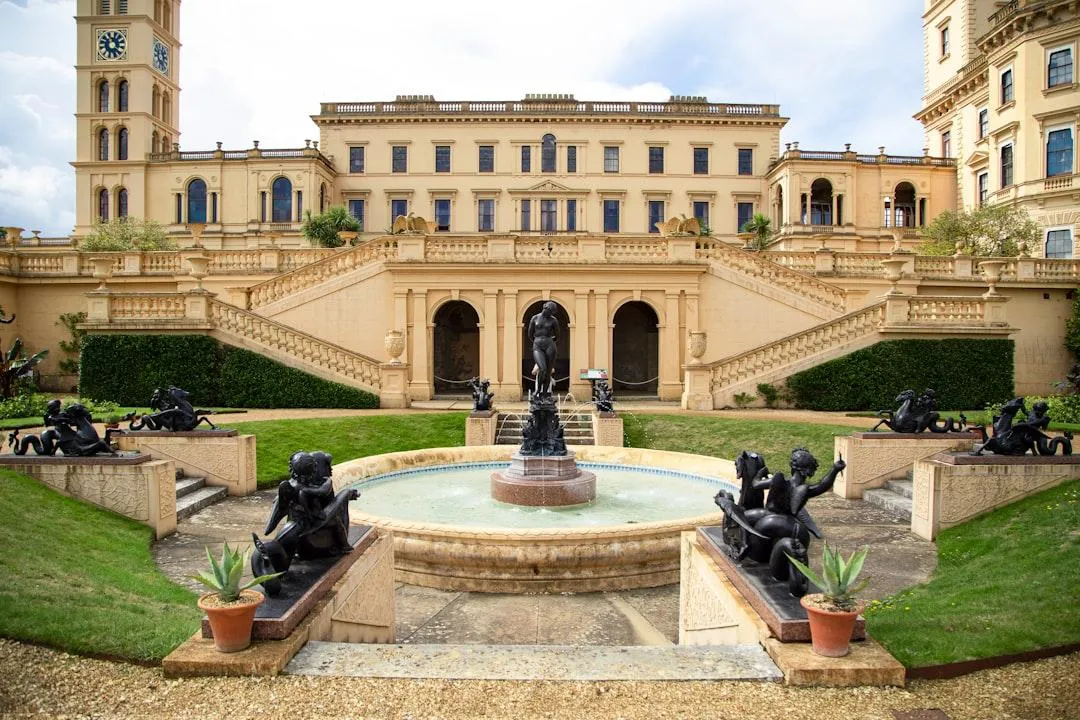
Visiting Osborne House: A Complete Guide to Queen Victoria’s Favourite Royal Retreat
If I had to choose just one place to recommend on the Isle of Wight, it would be Osborne House.
In fact, I’ll go one step further — it is genuinely one of my favourite historic houses to visit anywhere in the UK.
Perched above the Solent near East Cowes, this extraordinary former royal residence was Queen Victoria and Prince Albert’s beloved family home and summer retreat. Unlike many grand stately homes, Osborne somehow feels surprisingly personal. Walking through its rooms, it is easy to imagine family life unfolding here — children running through corridors, tea being taken on terraces, and Queen Victoria quietly reflecting on memories of the husband she loved so deeply.
I first visited Osborne House as a child and was completely enchanted by Swiss Cottage, the miniature house Prince Albert built for his children. Returning as an adult, I found myself appreciating entirely different things: the beauty of the state rooms, the fascinating glimpse into Victoria and Albert’s family life, and the poignancy of the spaces connected with Albert’s death and Victoria’s long widowhood.
We later returned with our nieces, curious to see whether the magic would still hold for younger visitors. Happily, it absolutely did.
Whether you love royal history, beautiful gardens, historic houses, or simply fascinating places with stories to tell, I think Osborne House is one of the best days out on the Isle of Wight.
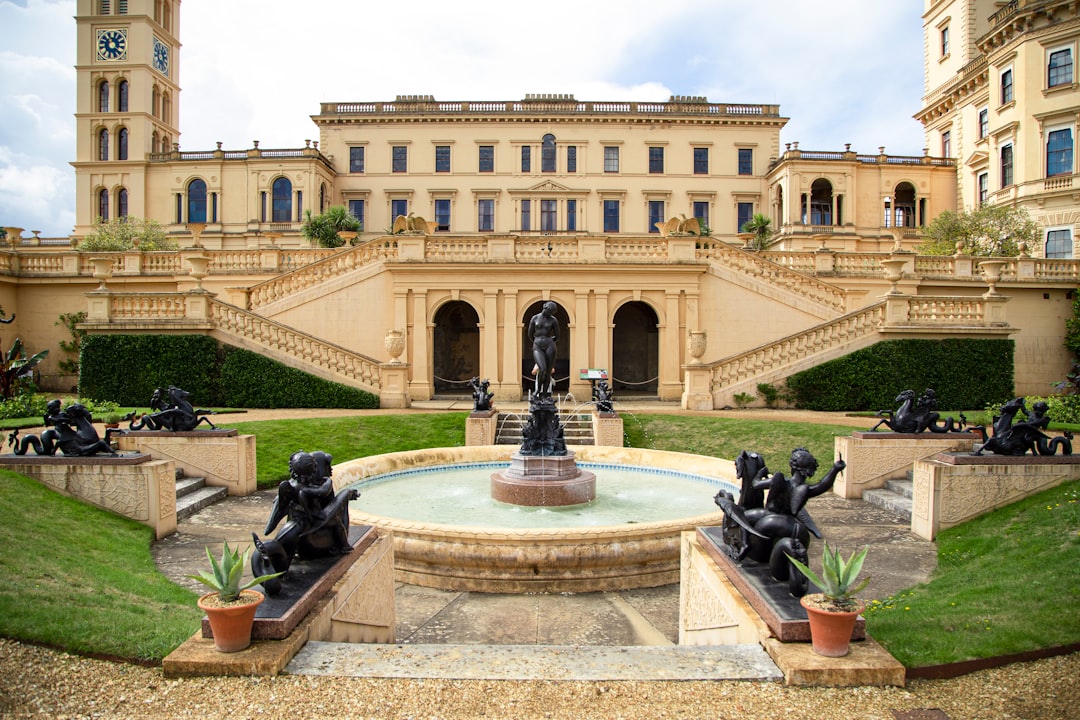
If you want to jump to a particular section of this article, please use these links:
Quick Answer: Is Osborne House Worth Visiting?
Why Queen Victoria Loved Osborne House
The Family Rooms: The Heart of Osborne House
The State Rooms: Where Royal Entertaining Took Place
The Durbar Room: A Remarkable Reminder of India
Swiss Cottage: A Childhood Dream
The Gardens and Grounds: Space to Slow Down
Queen Victoria’s Private Beach
Practical Information for Visiting Osborne House
Quick Answer: Is Osborne House Worth Visiting?
Yes — absolutely.
If you enjoy history, royal stories, gardens, or heritage attractions, Osborne House is one of the very best places to visit on the Isle of Wight.
Highlights include:
Queen Victoria and Prince Albert’s family apartments
the spectacular Durbar Room inspired by India
Swiss Cottage, built for the royal children
beautiful gardens and grounds
Queen Victoria’s private beach and bathing machine
stunning views across the Solent
It is easy to spend half a day here, but if you enjoy historic houses, you could comfortably stay all day.
Why Queen Victoria Loved Osborne House
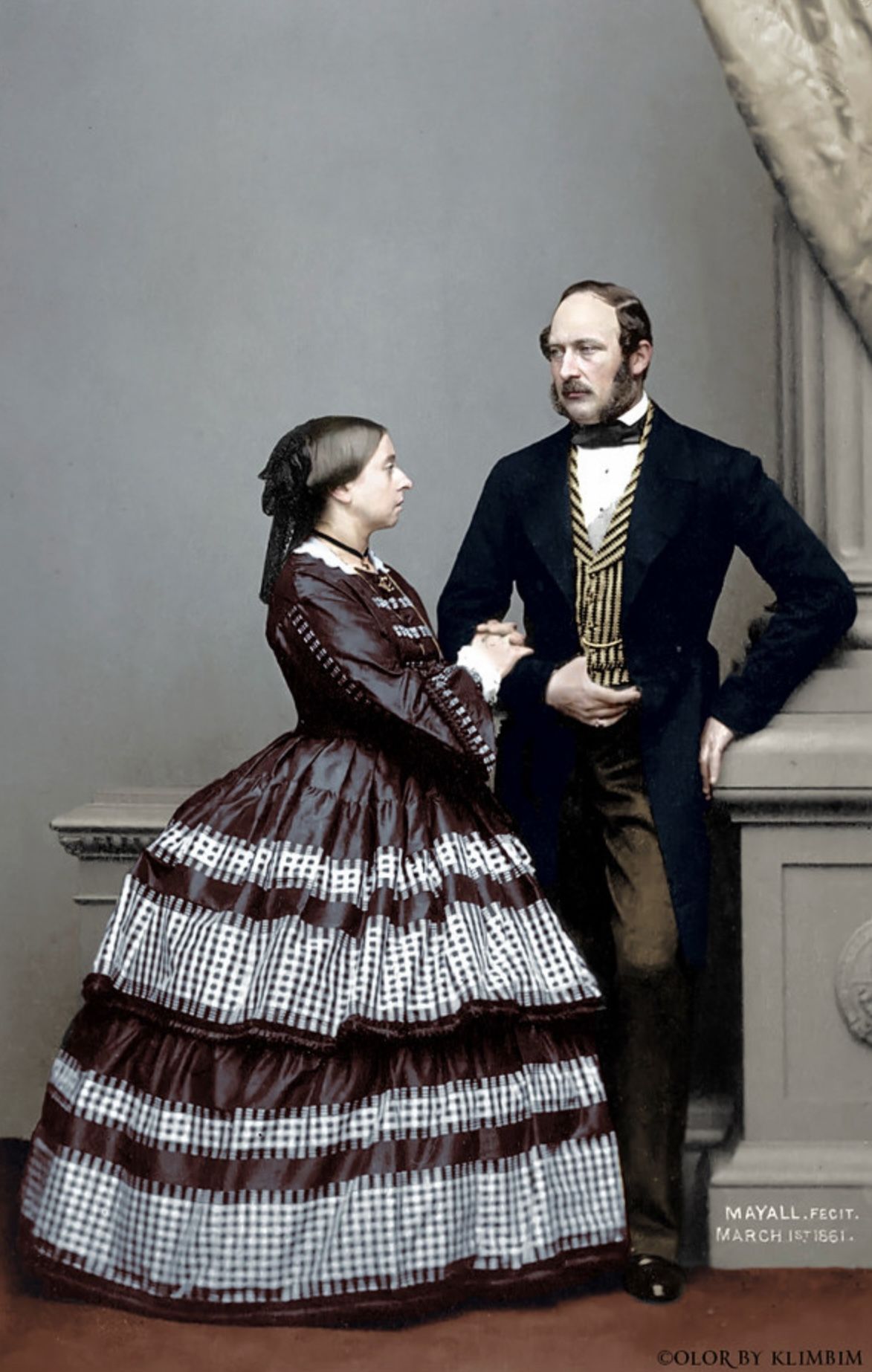
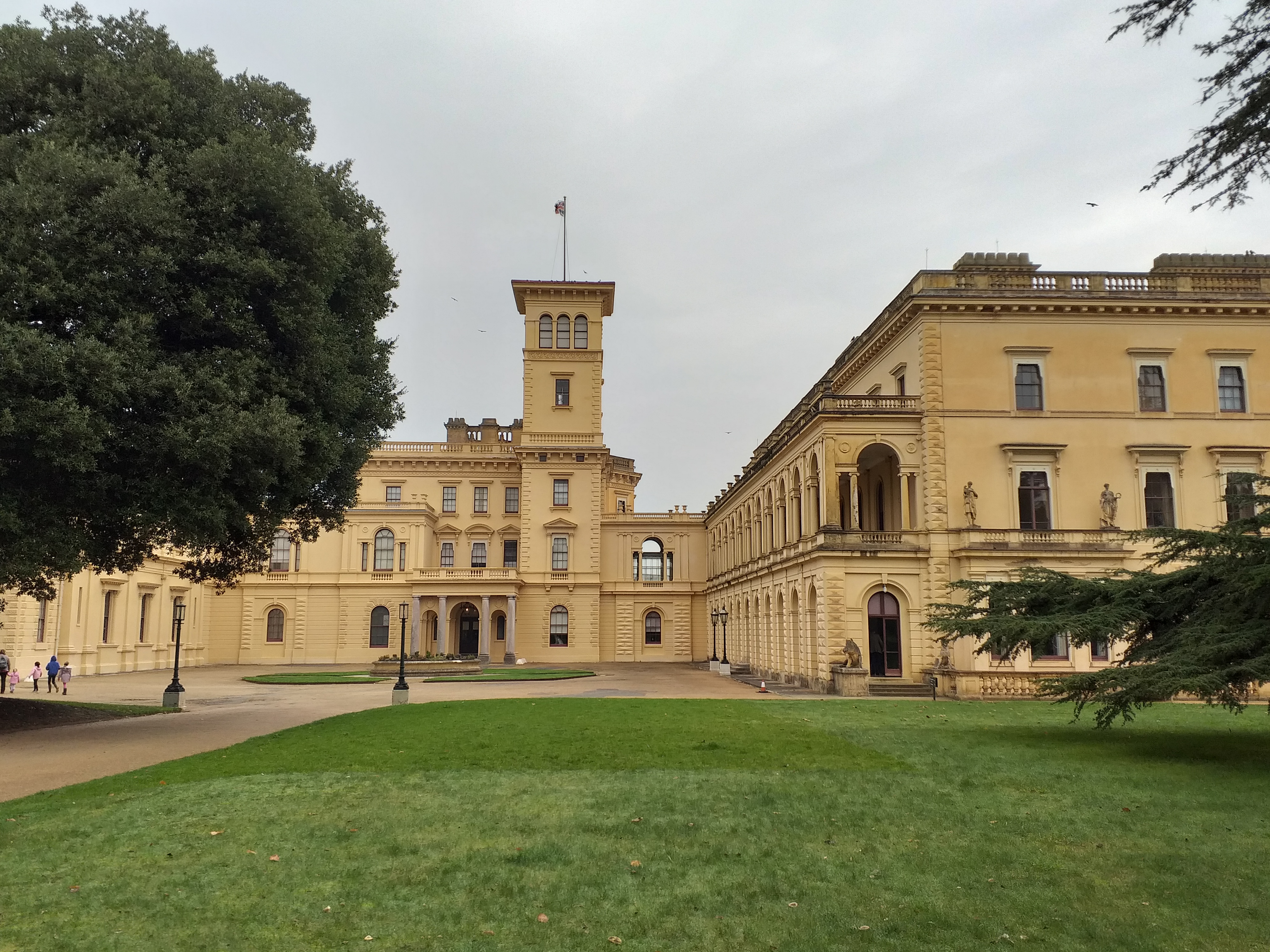
Osborne House was built between 1845 and 1851 as a private family retreat for Queen Victoria and Prince Albert.
The couple wanted somewhere away from the formal atmosphere of court life — somewhere their children could enjoy greater freedom and where family life could feel more relaxed and normal.
Prince Albert himself helped design the house in the style of an Italian Renaissance palazzo. It is said he was inspired by the Bay of Naples, and standing on the terraces overlooking the Solent, you can understand the comparison. On a sunny day, there is something distinctly Mediterranean about the setting.
For Queen Victoria, Osborne became far more than simply a holiday residence.
She adored this place.
In letters, she often wrote about how much happier she felt here than at Windsor Castle, once describing Osborne as “cheerful and unpalace-like”.
The family spent long summers here while their children were growing up. They walked in the grounds, gardened, enjoyed sea bathing, and spent time together away from many of the restrictions of royal life.
After Prince Albert’s death in 1861, Osborne House became even more important to Victoria. Filled with memories of happier years, it became somewhere she returned to repeatedly for comfort and reflection.
In many ways, the house feels like a love story frozen in time.
Queen Victoria eventually died here on 22 January 1901, surrounded by family.
Today, the house is cared for by English Heritage and offers visitors an extraordinary glimpse into royal family life.
The Family Rooms: The Heart of Osborne House
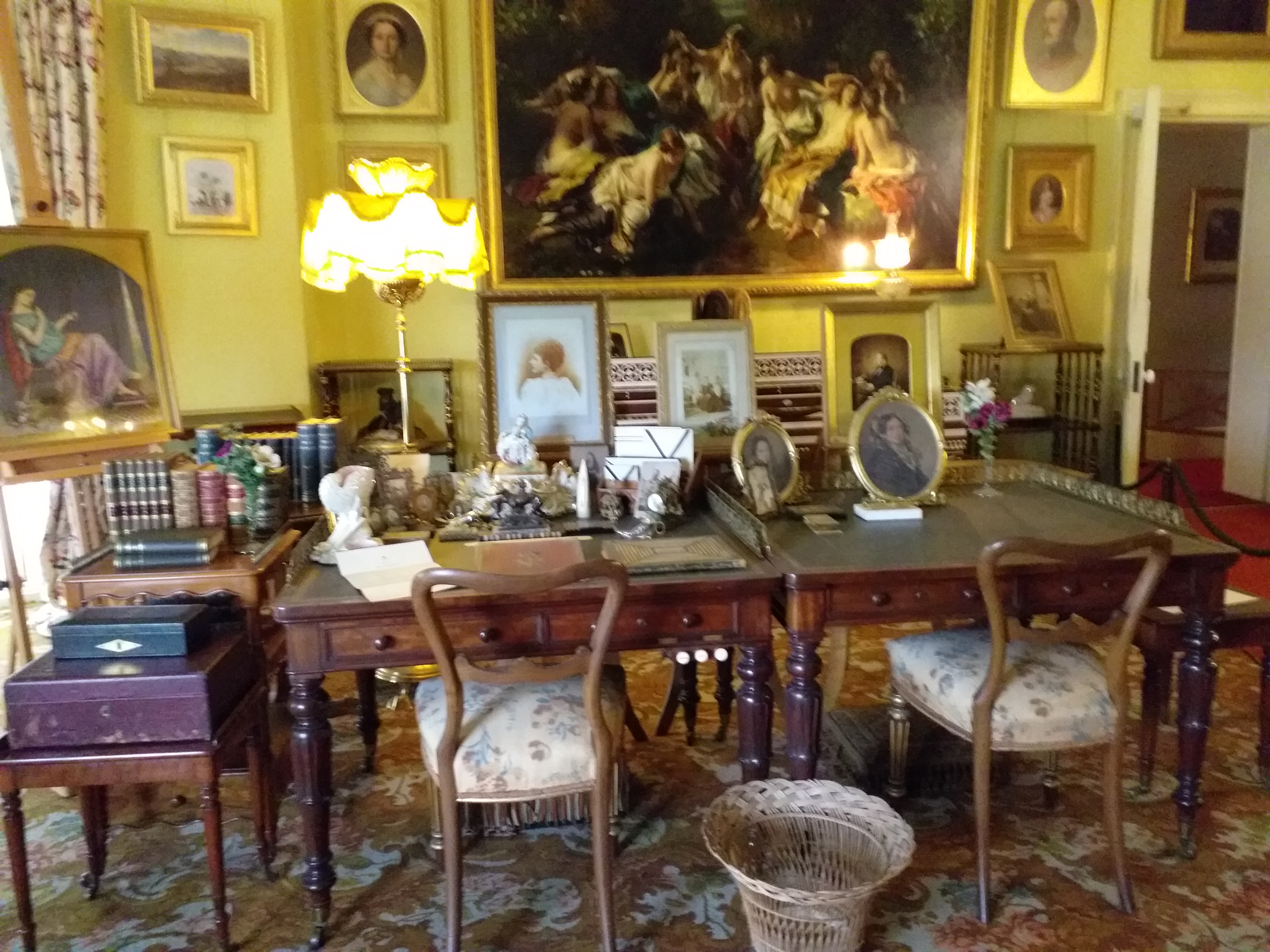
For me, the family rooms are what make Osborne House so special.
Yes, the house is grand. Of course it is.
But unlike some royal residences that can feel formal or distant, Osborne genuinely feels lived in. Even now, more than a century later, it somehow feels as though Victoria, Albert, and their children might walk back into the room at any moment.
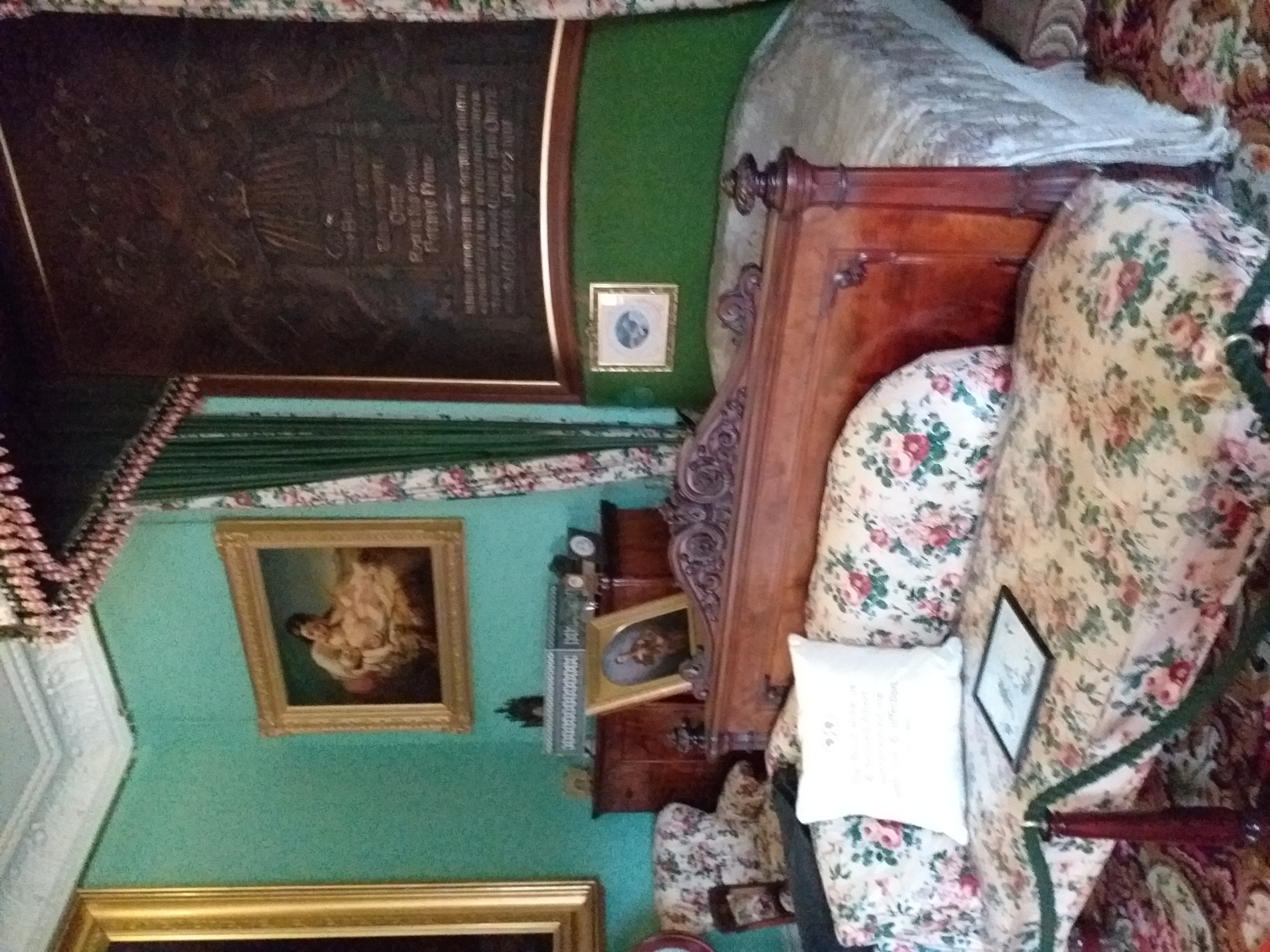
Family portraits are everywhere, giving the house warmth and personality.
One of my favourite spaces is the nursery.
You can picture the royal children gathered around the tiny polished table for tea or playing with treasured toys. Later, Victoria’s grandchildren used many of the same spaces and possessions, which somehow makes it all feel even more human and relatable.
Particularly moving are the adjoining desks used by Queen Victoria and Prince Albert, where they worked side by side.
Knowing what happened later makes these rooms especially poignant.
And then there is the bedroom where Queen Victoria died — quiet, dignified, and deeply moving in its simplicity.
More than anywhere else in the house, the family rooms reveal something intimate about Victoria and Albert’s lives together.
They remind us that behind the pomp of monarchy was a family, complete with routines, joys, losses, and ordinary moments.
The State Rooms: Where Royal Entertaining Took Place
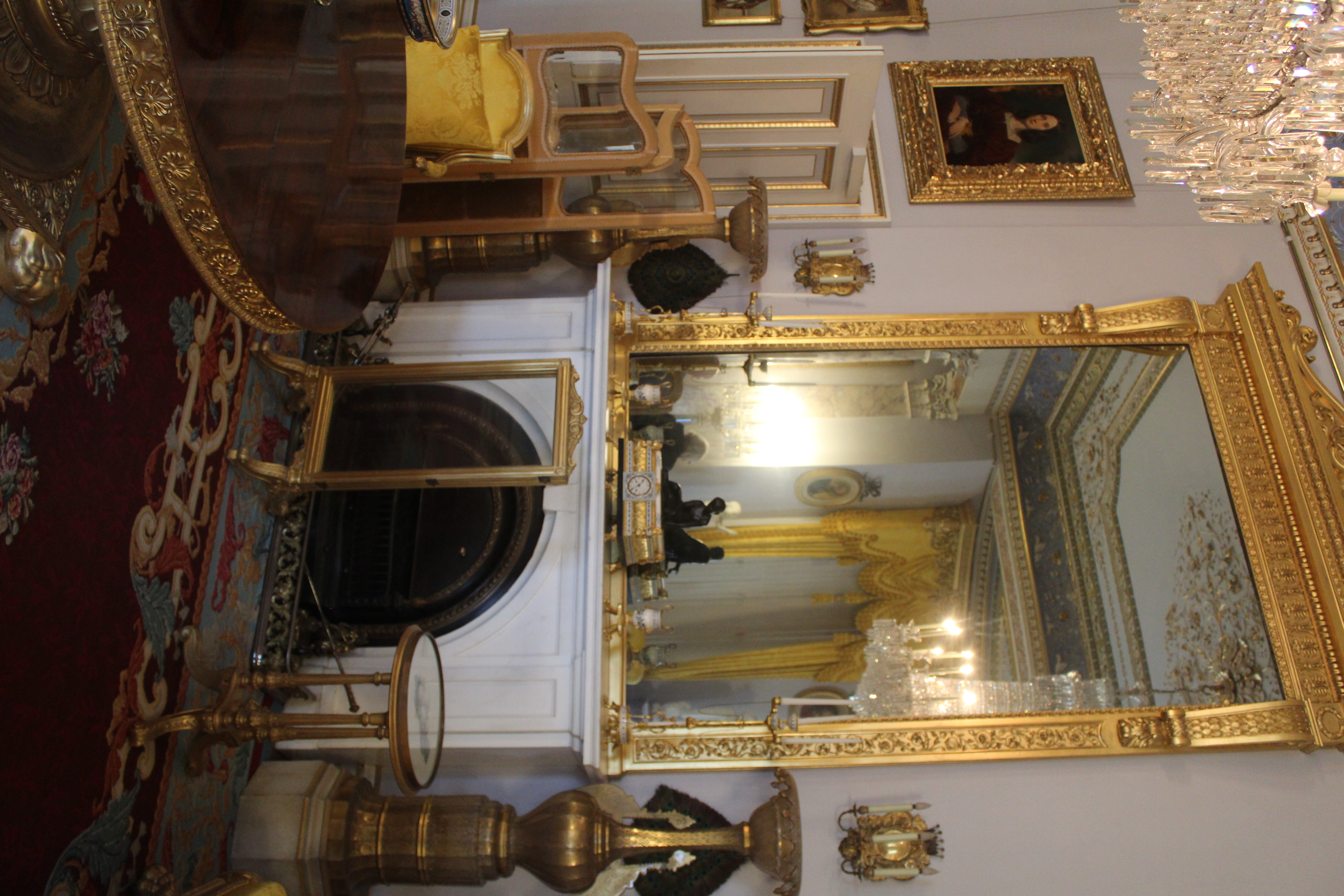
While the family rooms reveal the private side of life at Osborne House, the magnificent state rooms showcase the grandeur expected of a royal residence.
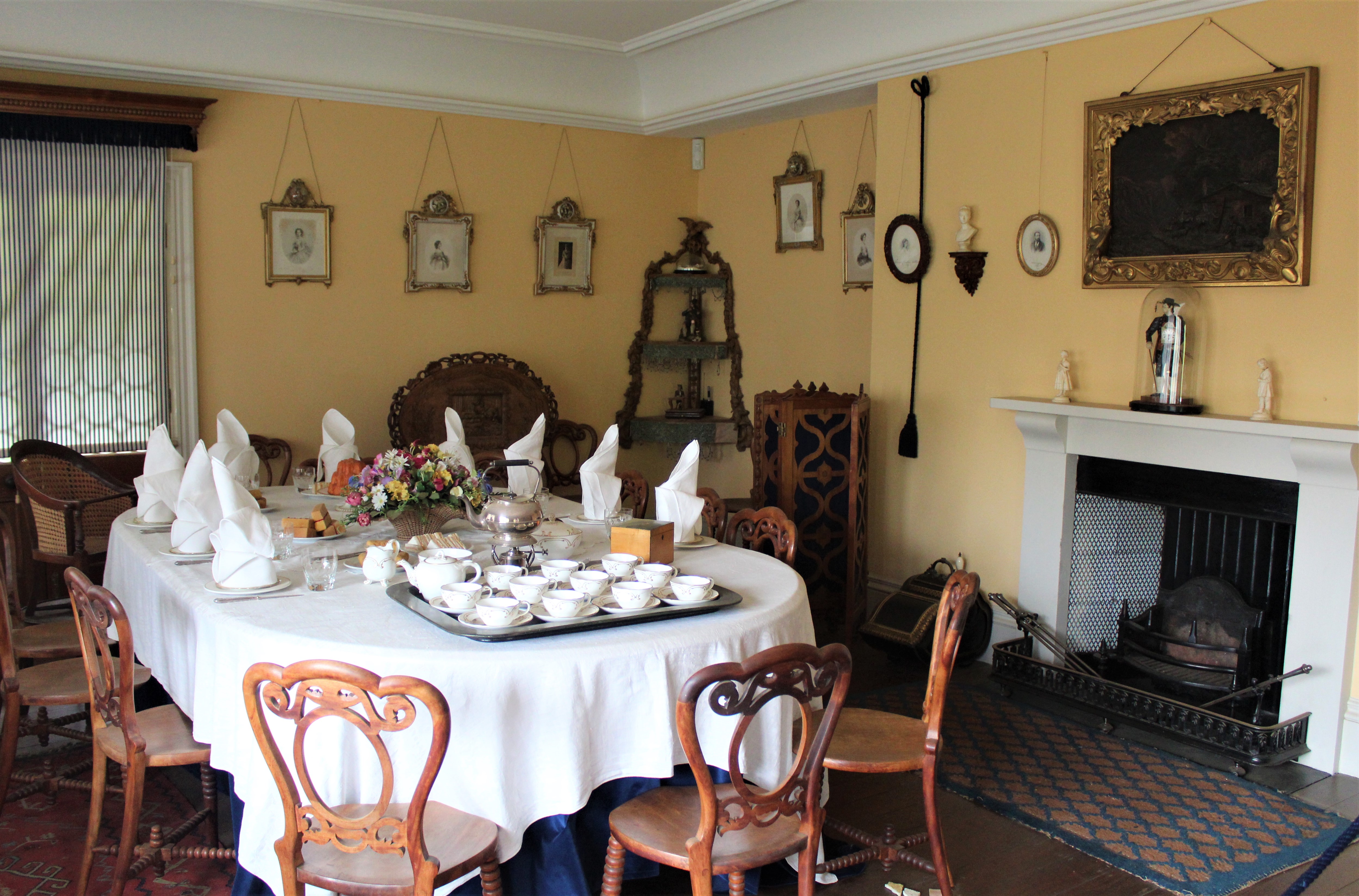
This was where Queen Victoria and Prince Albert formally entertained guests, welcomed visiting dignitaries, and held lavish dinners during their reign.
The scale of the rooms is impressive, but they never feel cold or overwhelming. Somehow, Osborne House manages to balance royal splendour with a feeling of warmth and personality.
The grand dining room is particularly striking and gives a fascinating glimpse into the formality of royal entertaining in the Victorian era. It is easy to imagine glittering dinners unfolding here, attended by diplomats, aristocrats, and visiting royalty.
Nearby, the elegant drawing room was used for receiving guests and evening entertainment. Queen Victoria enjoyed music, and this space was often used for singing and playing the piano after dinner.
There is also a magnificent billiard room, where gentlemen traditionally retired after meals to socialise and play.
For me, though, beautiful as these rooms are, there is one space that completely steals the show.
The Durbar Room: A Remarkable Reminder of India
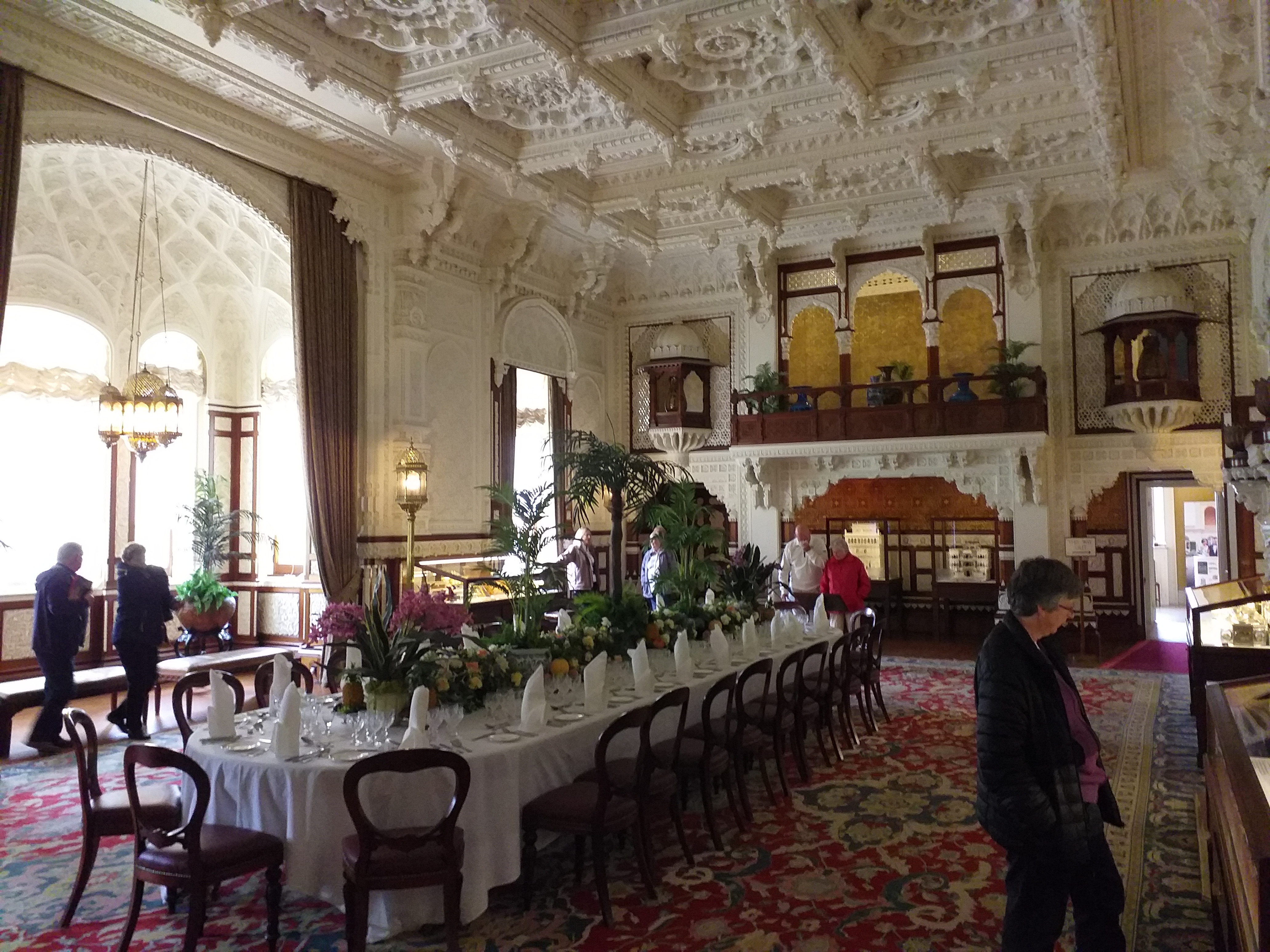
Without question, my favourite room in Osborne House is the extraordinary Durbar Room.
Quite simply — it is breathtaking.
Unlike anything else in the house, the Durbar Room was created to reflect Queen Victoria’s role as Empress of India. Designed by Lockwood Kipling (father of writer Rudyard Kipling) and master carver Bhai Ram Singh, it is filled with intricate Indian-inspired craftsmanship.
The detailed plasterwork, elaborate carvings, soaring ceiling, and rich decoration are absolutely stunning.
Even if you think you have “seen enough stately house rooms” by this point, trust me — this one stops you in your tracks.
The room was used for grand ceremonial dinners and entertaining important guests, but it also served as a setting for theatrical performances, with musicians playing from the raised gallery above.
There is something wonderfully unexpected about suddenly stepping from Victorian England into a room so deeply inspired by Indian art and architecture.
Perhaps unsurprisingly, the Durbar Room has also become popular with film-makers. In 2017, it featured prominently in the film Victoria & Abdul starring Judi Dench as Queen Victoria.
If you have not seen the film, it is well worth watching before or after your visit.
For me, the Durbar Room alone would almost justify the entrance fee.
Swiss Cottage: A Childhood Dream
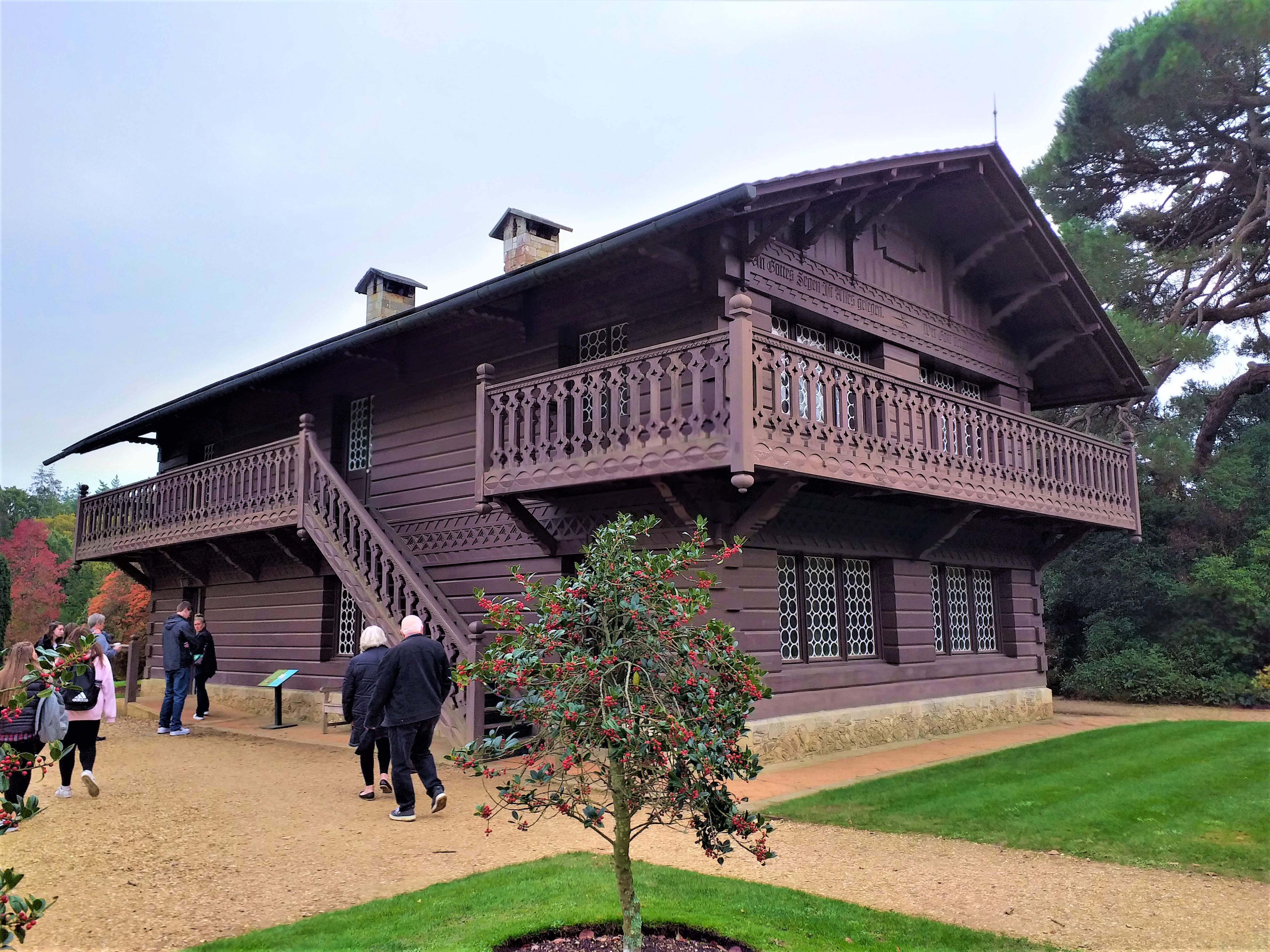
If the Durbar Room is my favourite room as an adult, then Swiss Cottage was unquestionably my favourite place as a child.
I still remember my very first visit.
Hidden away from the main house, this beautiful wooden chalet was built by Prince Albert for his children as a place to learn practical life skills and enjoy a degree of independence.
But this was no ordinary playhouse.
Swiss Cottage was effectively a miniature world designed just for the royal princes and princesses.
The children learned to cook in their own tiny kitchen using produce grown in their vegetable gardens outside. They practised domestic skills, gardening, and responsibility in surroundings specially designed for them.
As a child, I thought it was absolutely magical.
I remember feeling completely enchanted — and, if I’m honest, more than a little jealous! Compared with my rather humble plastic Wendy house, Swiss Cottage felt impossibly glamorous.
Returning years later, I found it had lost none of its charm.
And when we visited with our nieces, I was delighted to see they were just as captivated as I had been all those years earlier.
That, to me, says something about how special this place really is.
Swiss Cottage sits a short distance from the main house. If walking is difficult, there is transport available to help visitors get there, which makes it accessible for most people.
More than almost anywhere else at Osborne House, Swiss Cottage gives you a real sense of Queen Victoria and Prince Albert as parents wanting to create happy childhood memories for their children.
The Gardens and Grounds: Space to Slow Down
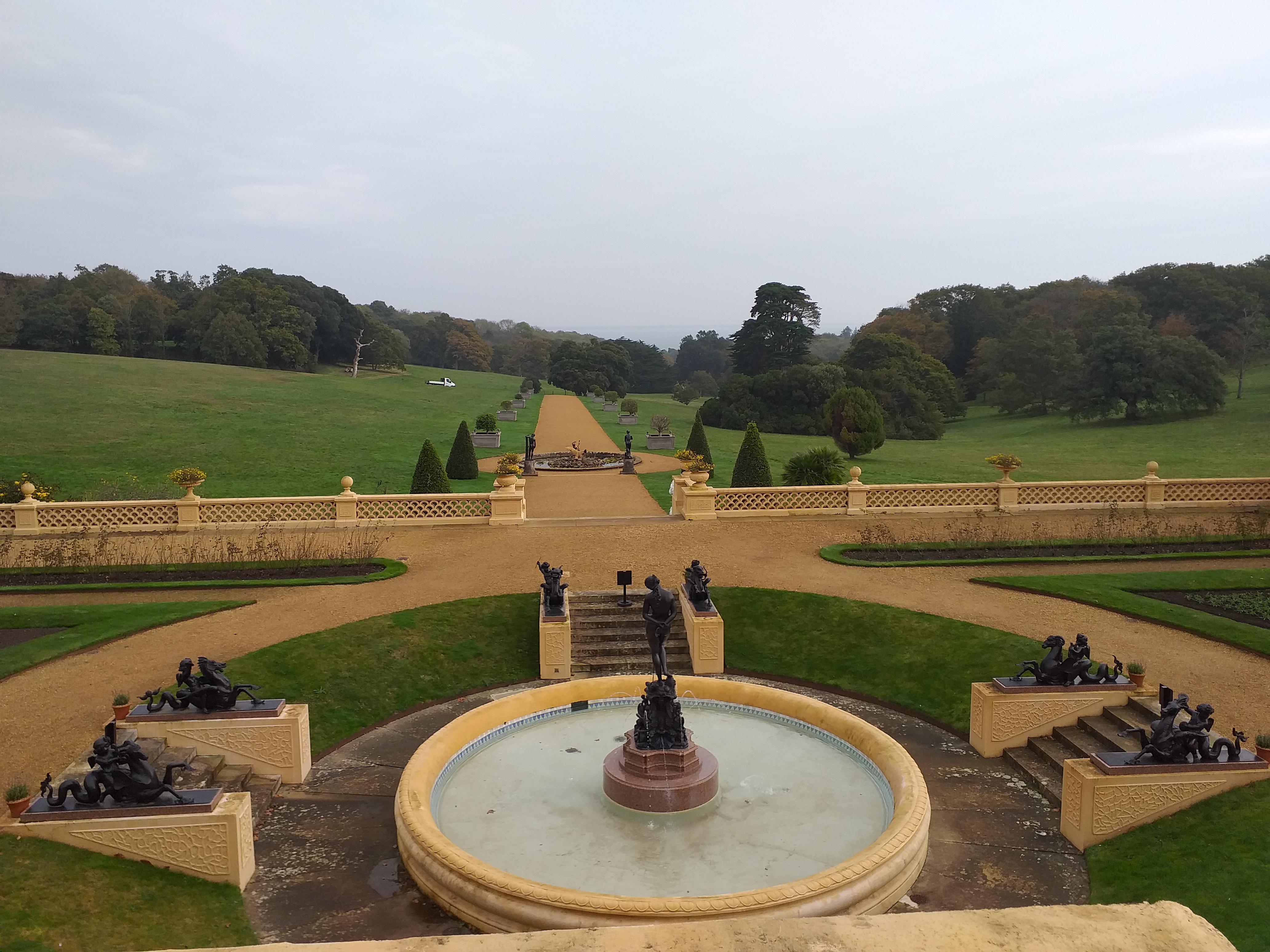
Even if historic houses are not usually your thing, the grounds of Osborne House are worth visiting in their own right.
One of the things I love most about Osborne is that it never feels rushed. There is plenty of space to wander, sit, admire the views, and simply enjoy being there.
The gardens are beautiful throughout the year, helped by the Isle of Wight’s mild climate and Prince Albert’s thoughtful planting schemes.
The terrace gardens are especially lovely, laid out to frame sweeping views across the Solent. On a clear day, it is easy to understand why Albert felt reminded of the Bay of Naples.
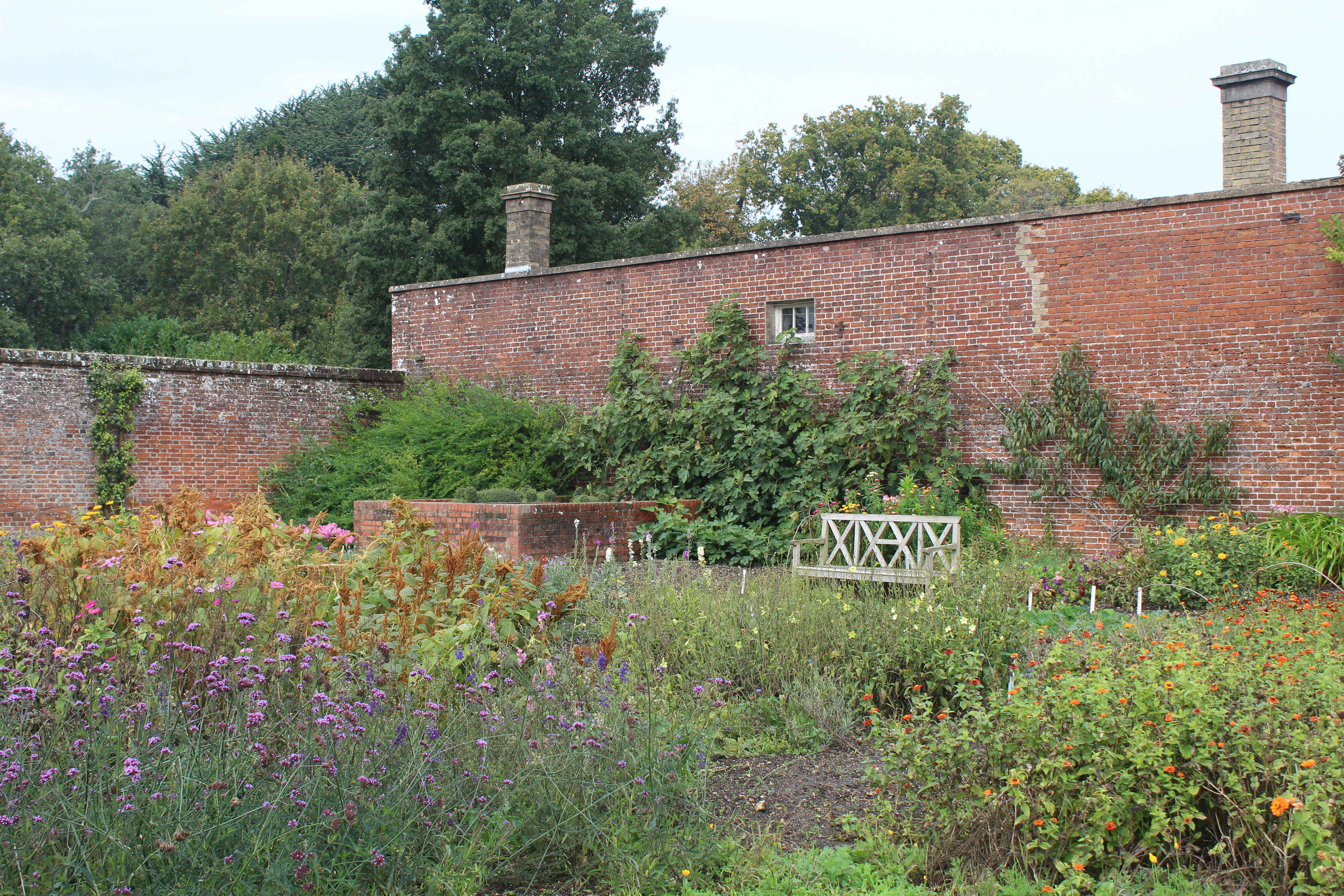
Take time to explore the Victorian walled garden too, where carefully trained fruit trees and seasonal planting offer a glimpse into nineteenth-century gardening.
Many of the mature trees throughout the wider grounds were planted by Prince Albert himself, adding another personal connection to the estate.
This is somewhere to stroll slowly rather than hurry through.
Bring comfortable shoes and allow yourself time to enjoy it.
Queen Victoria’s Private Beach
One of the most fascinating parts of any visit to Osborne House is Queen Victoria’s private beach.
Tucked away below the house, this peaceful stretch of shoreline was where the royal family spent many happy hours together. The children played here, learned to swim, and enjoyed seaside adventures that feel surprisingly familiar to modern families.
Prince Albert was a great believer in the health benefits of sea bathing and encouraged both Victoria and the children to spend time in the water.
Of course, royal modesty had to be preserved.
To solve this, Albert commissioned a bathing machine so that Queen Victoria could change privately and enter the sea without scandalising anyone.
Today, the restored bathing machine still stands on the beach and offers a fascinating glimpse into Victorian attitudes and royal life.
Even if you are not especially interested in history, the setting itself is lovely — peaceful, scenic, and with wonderful views across the water.
It feels surprisingly intimate for somewhere connected with royalty.
Practical Information for Visiting Osborne House
Before visiting, it is always worth checking the official website for up-to-date opening times, ticket prices, accessibility information, and seasonal events.
Here are a few things worth knowing before you go:
How long should you allow?
I would recommend allowing at least half a day for Osborne House.
If you enjoy history, gardens, photography, or taking things slowly, you could easily spend most of a day here.
Is it suitable for children?
Yes.
Swiss Cottage in particular is often a huge hit with younger visitors, and the open grounds give children plenty of space to explore.
Is there a lot of walking?
There can be.
The grounds are extensive, and Swiss Cottage and the beach involve additional walking. However, there are accessibility options available for visitors who may struggle with longer distances.
Can you eat there?
Yes.
There is a café on site, though many visitors also combine a trip to Osborne House with lunch elsewhere on the island.
Is Osborne House Worth Visiting?
For me, the answer is an emphatic yes.
In fact, if you only visit one historic attraction on the Isle of Wight, I would make it Osborne House.
It combines history, royal stories, gardens, beautiful scenery, family life, and genuinely moving moments in a way that few places manage.
What makes it special is not simply the grandeur — although there is certainly plenty of that.
It is the humanity of the place.
You see Queen Victoria not only as a monarch but as a wife, mother, widow, and grandmother. You see Prince Albert not simply as royal consort but as a thoughtful father designing spaces for his children to learn and play.
There is warmth here.
And somehow, despite all the history, Osborne House still feels deeply personal.
Final Thoughts
Every time I visit Osborne House, I notice something different.
As a child, I fell completely in love with Swiss Cottage.
As an adult, I found myself moved by the family rooms, fascinated by the Durbar Room, and increasingly aware of the emotional weight carried by a house so full of memories.
It is rare to find a royal residence that feels quite so human.
Whether you are interested in Queen Victoria, historic houses, gardens, photography, or simply beautiful places with stories to tell, I think Osborne House deserves a place on your Isle of Wight itinerary.
For me, it remains one of those rare places I never tire of returning to.
Watch this Video for More on Osborne House
If you’re travelling soon, please use these links!
Are you travelling soon? Use these links when making your bookings. These are the companies we use. It won’t cost you any extra, but we will earn a few pennies to help keep Happy Days Travel Blog going. Thank you!!
Make sure you take out travel insurance. If you are a digital nomad or long-term traveller, try the specialist provider SafetyWing. (Never leave home without protecting yourself, your trip and your belongings!)
Book your flight with Skyscanner
Book your accommodation with Booking.com
Book a tour with TourRadar
Book city tours and activities with Viator or GetYourGuide
Check out my Resource Page for more companies I recommend.
Disclosure: This post contains affiliate links. If you click through for more information, or to make a purchase, it may result in a small commission coming my way. Please note that there is no extra cost to you associated with this. Thank you so much for supporting my site.
