Best Things to Do in Meknès: Morocco's Forgotten Imperial City
Often overlooked in favour of Marrakech and Fez, Meknès is one of Morocco's four imperial cities and one of its most rewarding places to explore. With magnificent gates, atmospheric souks, fascinating history and far fewer tourists than its famous neighbours, it's the perfect place to slow down and experience a different side of Morocco.
To jump to a particular section of this article, please use these links:
Why You Should Visit Meknès, Morocco
The Mausoleum of Moulay Ismail
Final Thoughts on Visiting Meknès
History of Meknès
Berbers first settled in Meknès in the 10th century, but it wasn’t until 700 years later that the city really came into its own. When Moulay ar-Rashid died in 1672, his brother and successor, Moulay Ismail, made Meknès his capital. He would reign from here for the next 55 years.
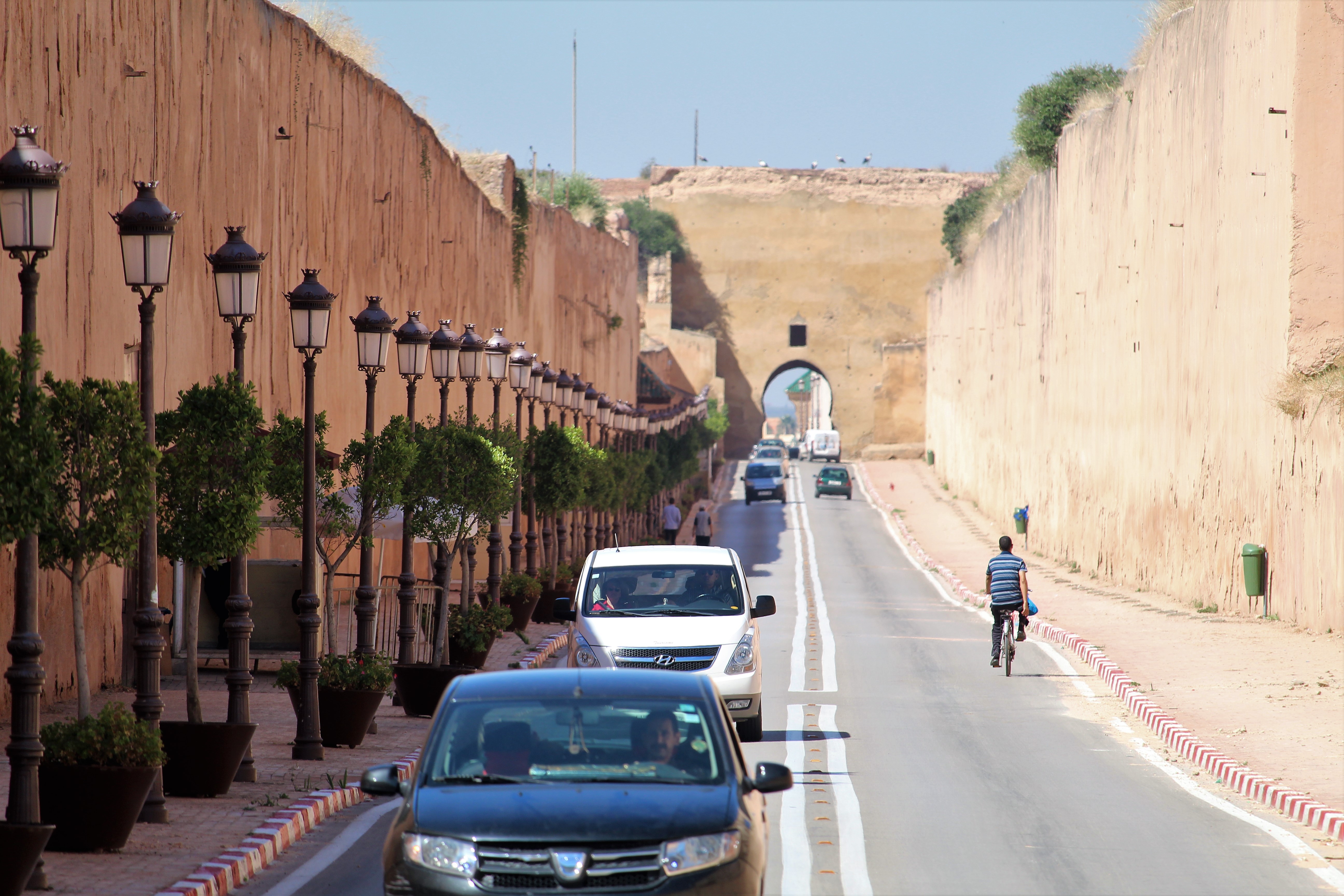
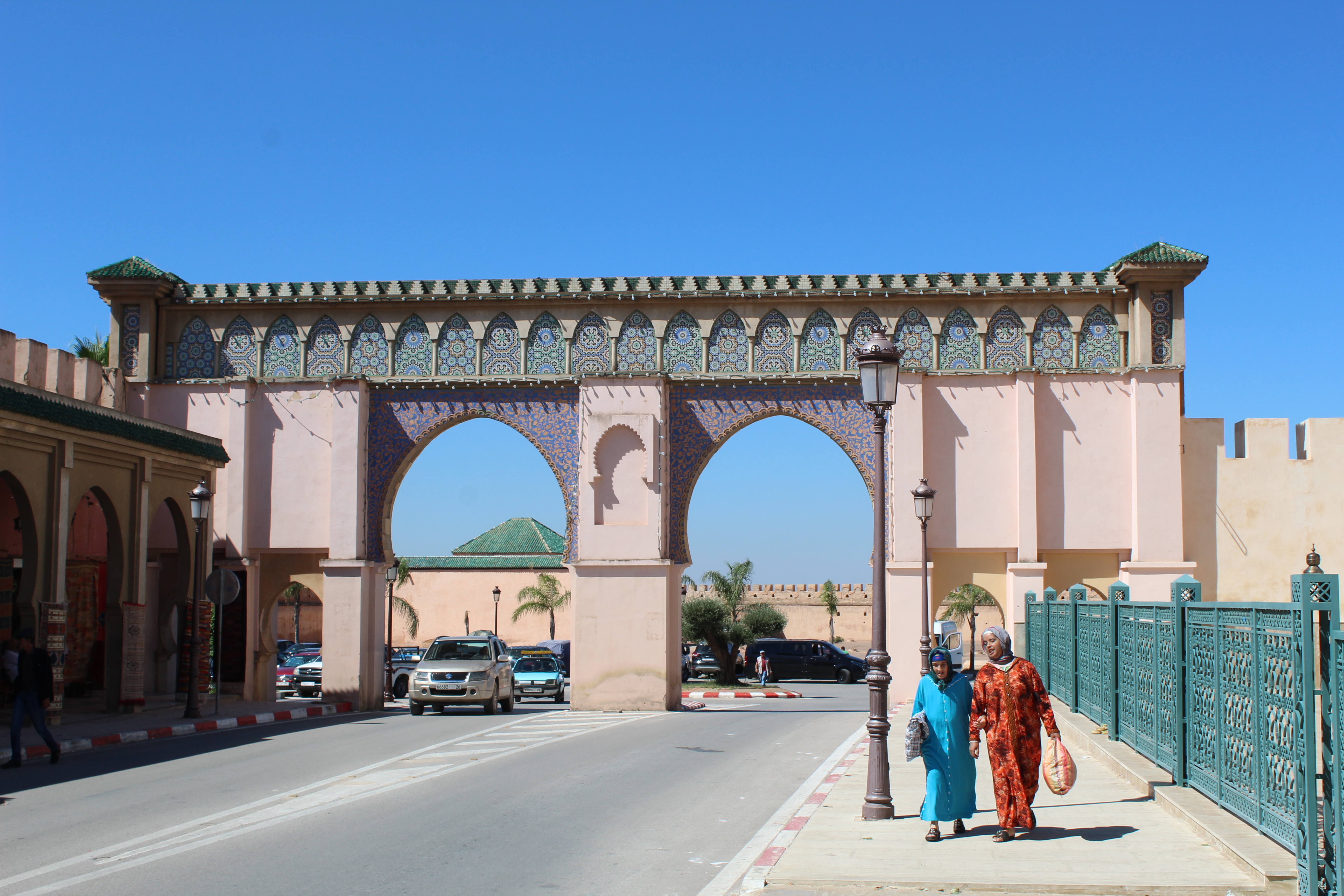
Moulay Ismail built 25 kilometres of imposing walls with monumental gates and an enormous palace complex that was never finished.
After he died, his descendants moved the capital to Marrakech, and Meknès reverted to being a backwater. When the Lisbon earthquake struck in 1755, many of the city’s monuments were stripped so that the marble and other materials could be used to repair buildings elsewhere.
In 1912, the French made Meknès their military headquarters. There are many reminders of their occupancy today in shop signs and information boards.
It’s only in the past few decades that parts of Meknès have begun to be restored.
Our Visit to Meknès
As part of our Intrepid tour around Morocco, we followed our visit to Volubilis with a few hours in Meknès, before catching the train to Fez in the evening. This gave us enough time to enjoy a guided walk around the city and a delicious lunch in the busy medina.
Walking Tour of the City
Our guide, Abdullah, explained all about the history of Meknès as he showed us the sights. We began in Place el-Hedim, the city’s main square. It was originally used for royal announcements and public executions. Now, one side is lined with cafés and restaurants – it’s a great spot to sit and watch the world go by. Local children use the space to play football, musicians entertain the crowds, and families gather to catch up on the gossip.
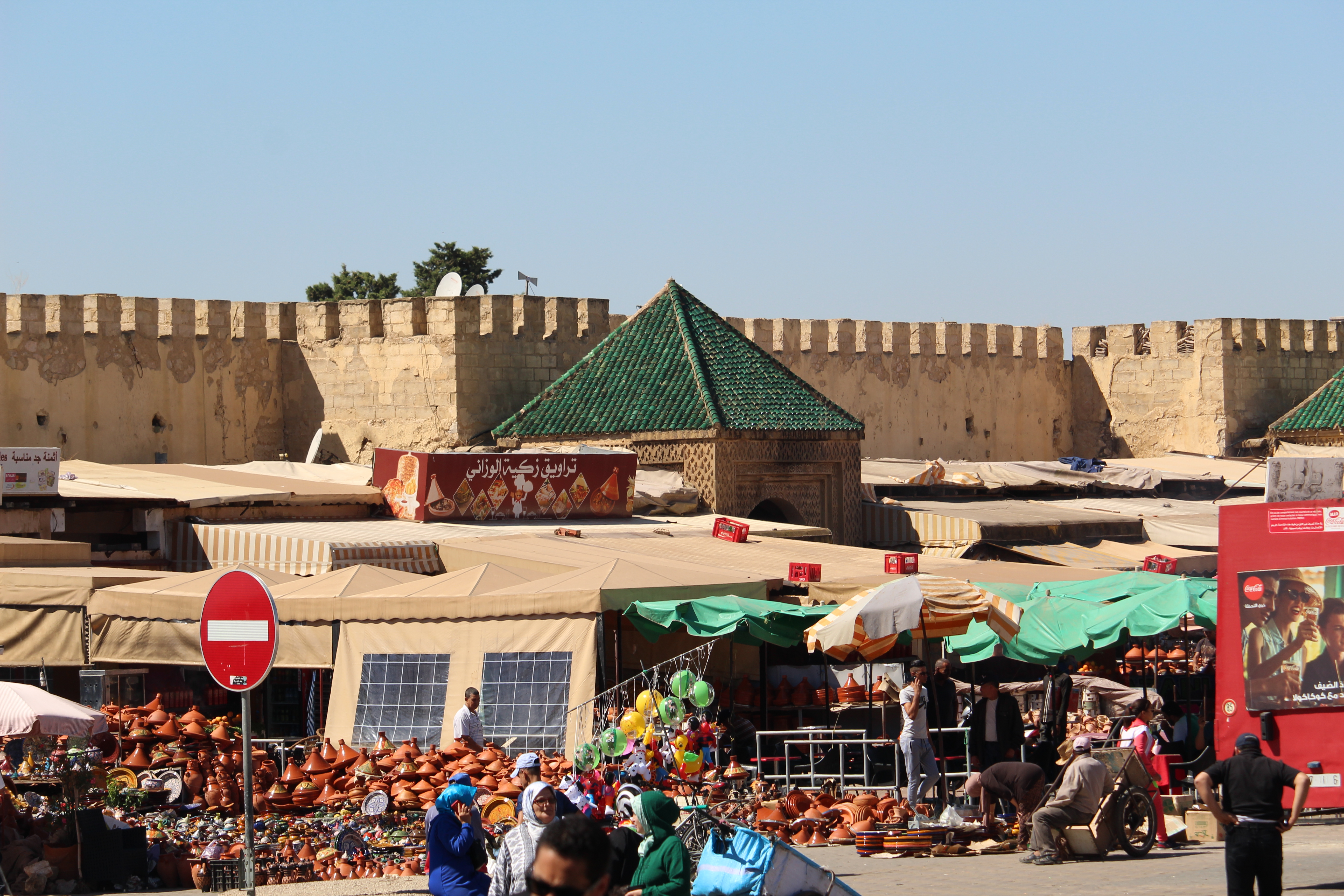
The square is also the place to admire Bab el-Mansour, the grandest of all Moroccan imperial gateways.
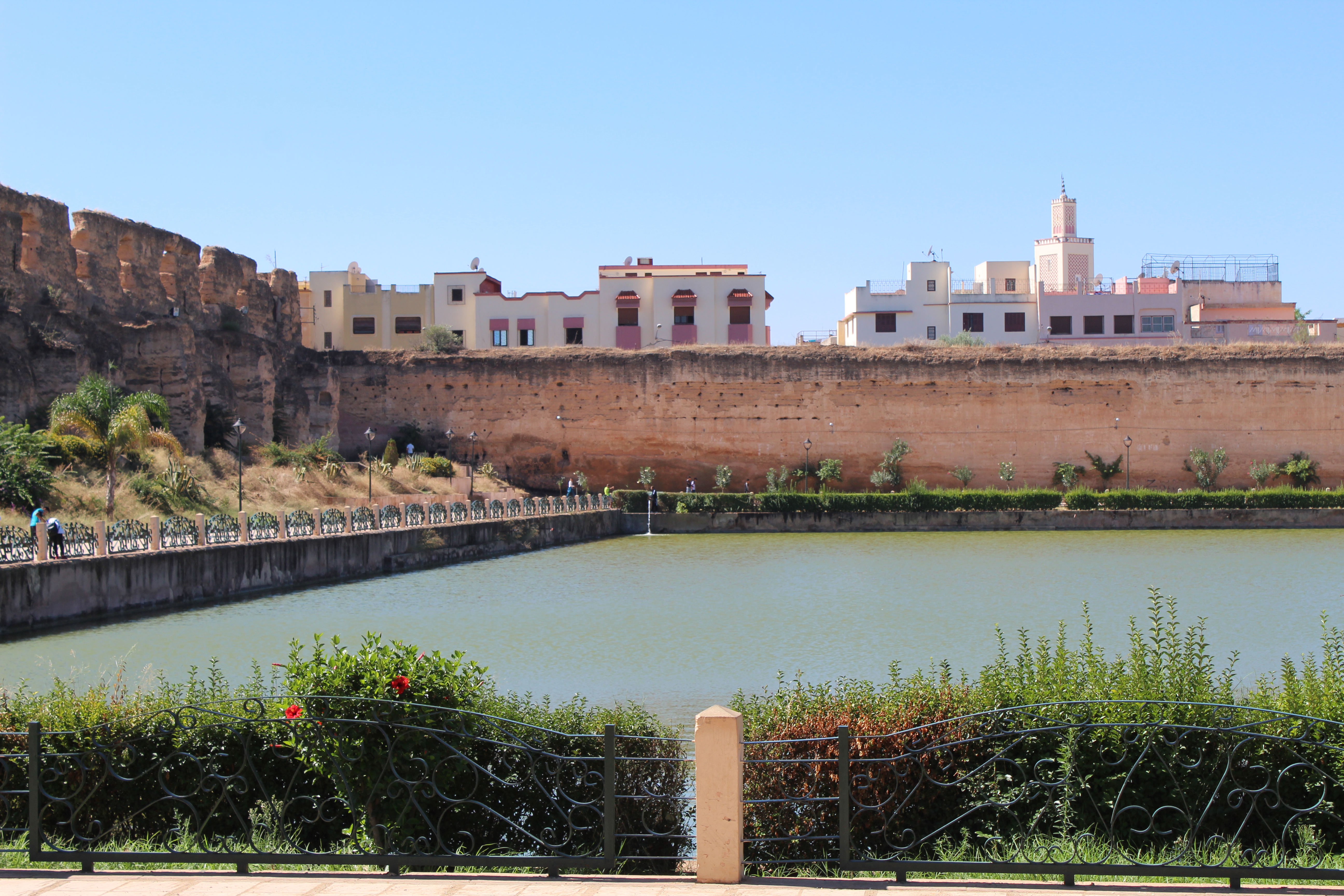
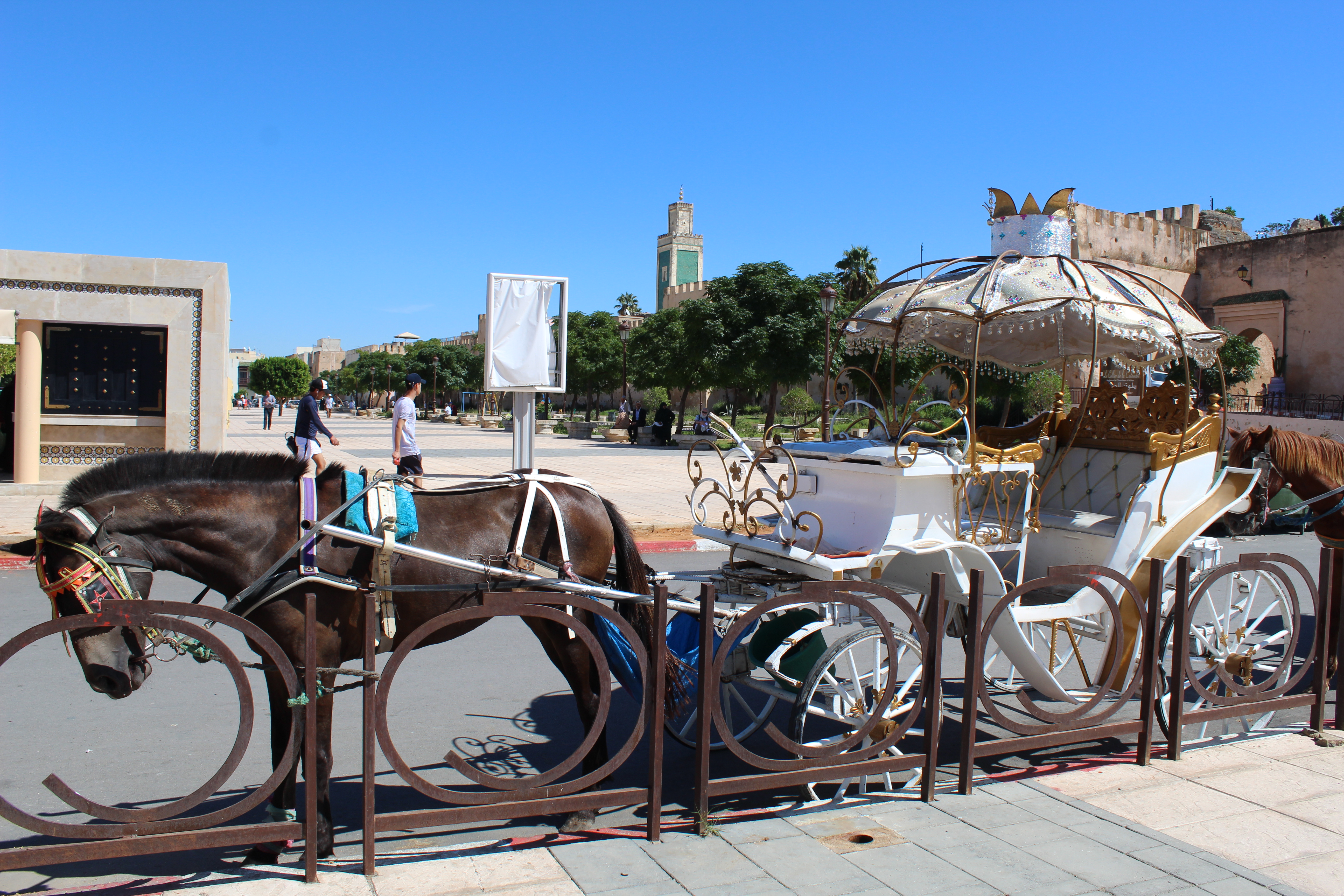
From Place el-Hedim, we walked to Agdal Basin, a huge stone-lined lake which was built as a reservoir for the sultan’s gardens and used as a pleasure lake. Today, the water is stagnant, but it’s still a pleasant place to stroll. Locals take horse and carriage rides around the city from here. There is also an eye-catching statue of a water seller.
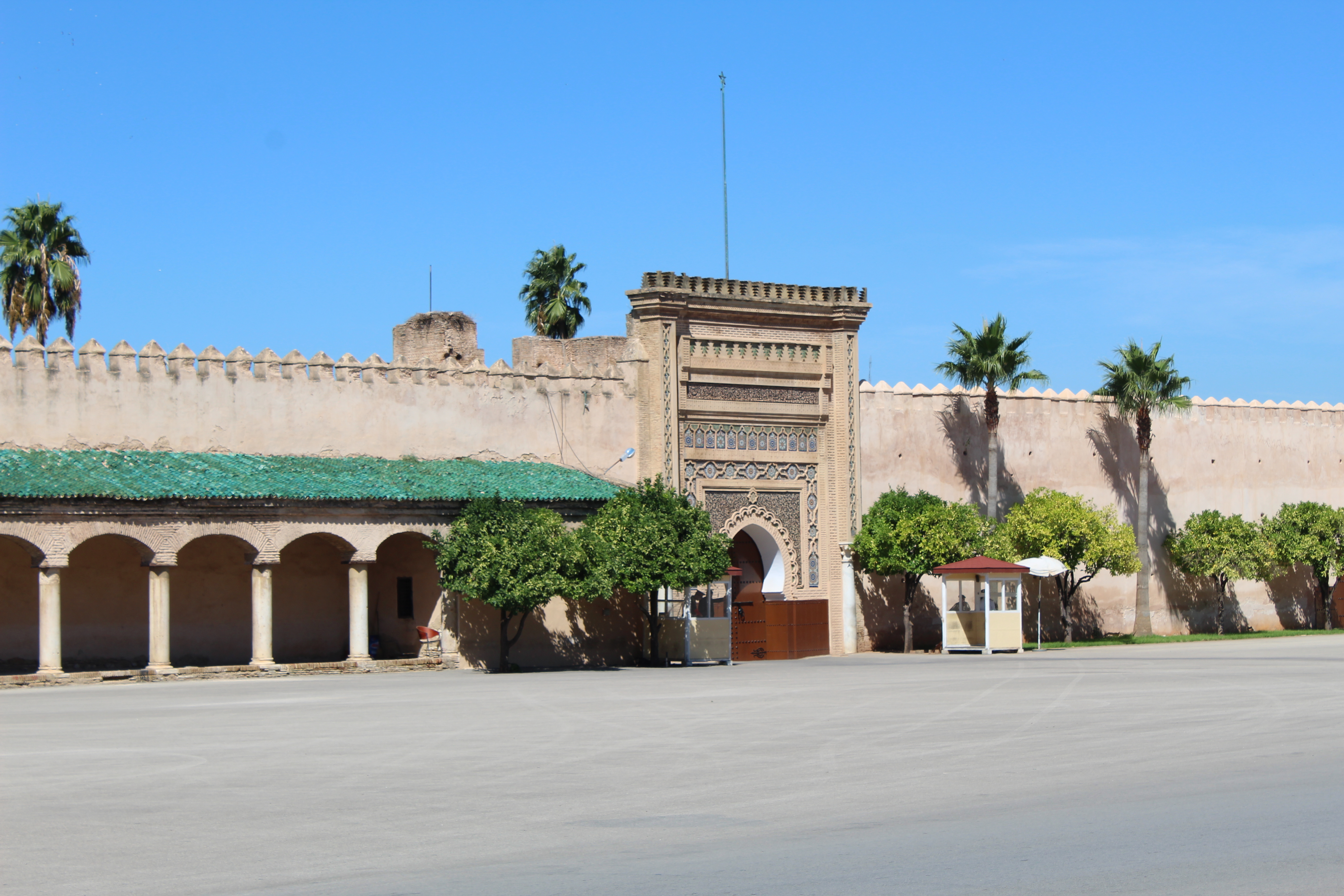
We continued on to Place Lalla Aouda, the massive parade ground where Moulay Ismail inspected his Black Guard. These were the elite soldiers trained from the 16,000 slaves the sultan brought from Sub-Saharan Africa. He guaranteed their continued existence by providing the soldiers with women and raising their children to become soldiers themselves.
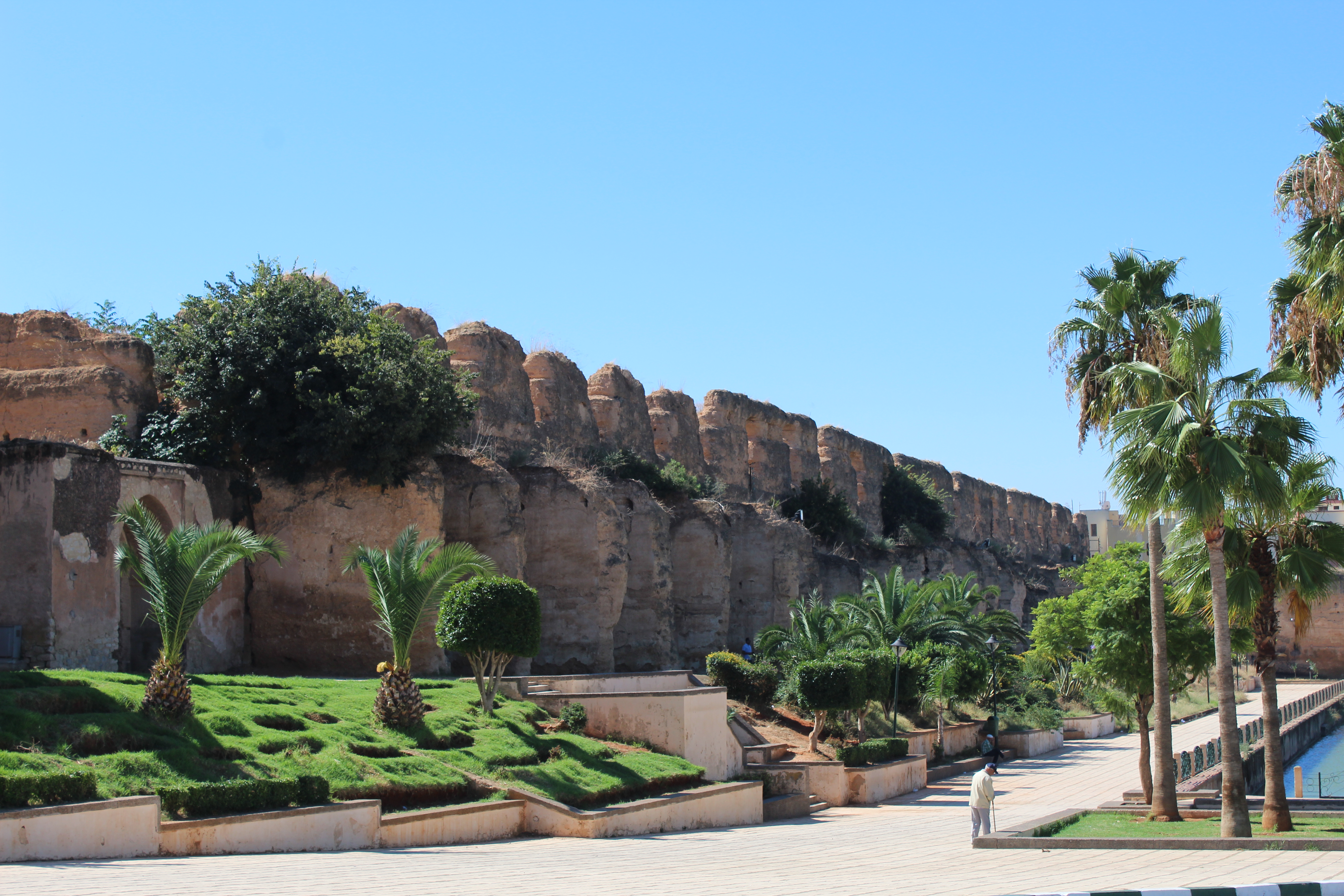
Our route then took us past the Mausoleum of Moulay Ismail. We walked through the imperial city alongside the remnants of three sets of fortified walls, many of which have been incorporated into the modern city’s road network.
Lunch
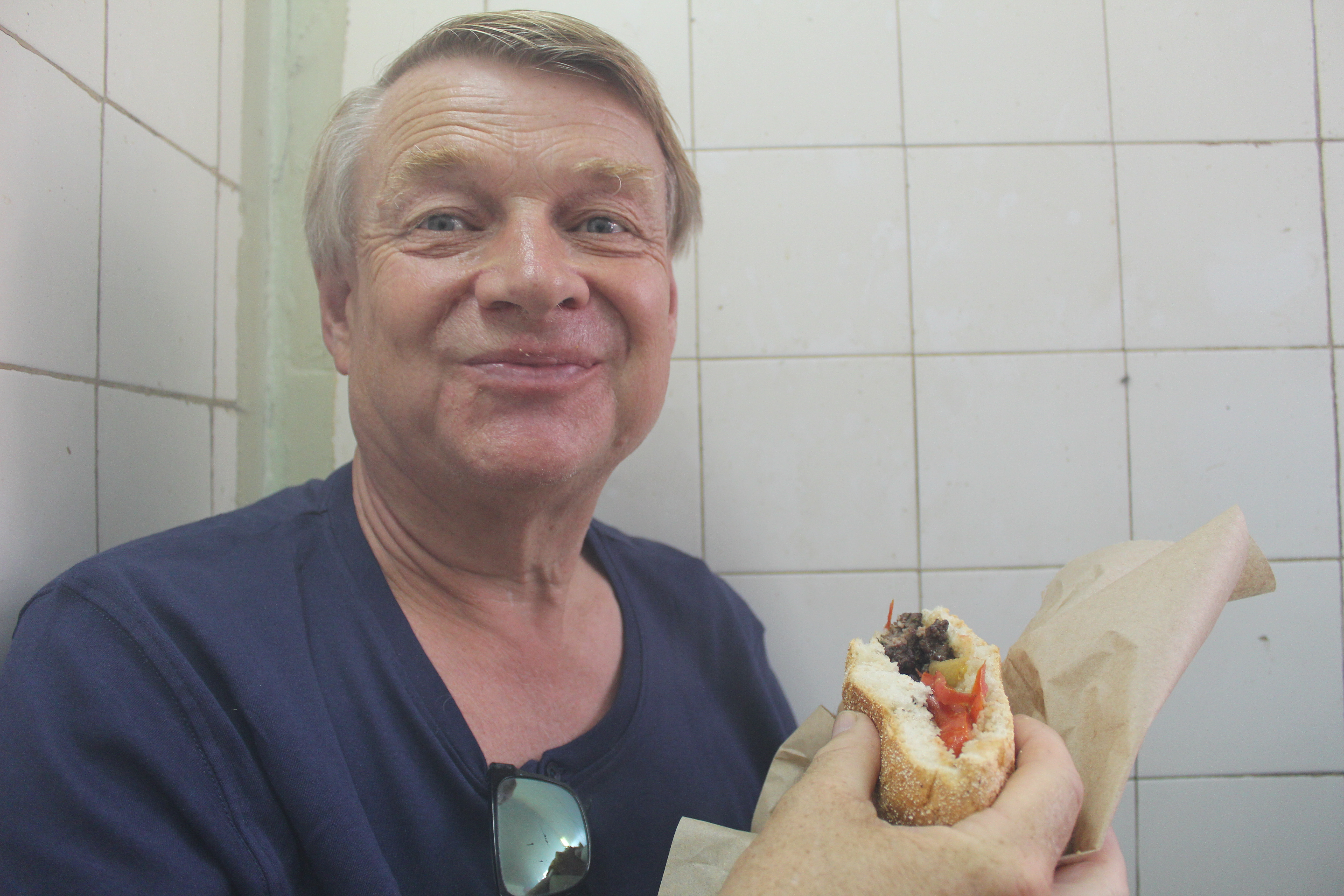
For lunch, Abdullah took us to ‘the street of camel barbecues’ in the souk! Some of our party suddenly became vegetarians for the day, but, as meat-eaters, Mark and I decided it would be hypocritical not to try the camel.
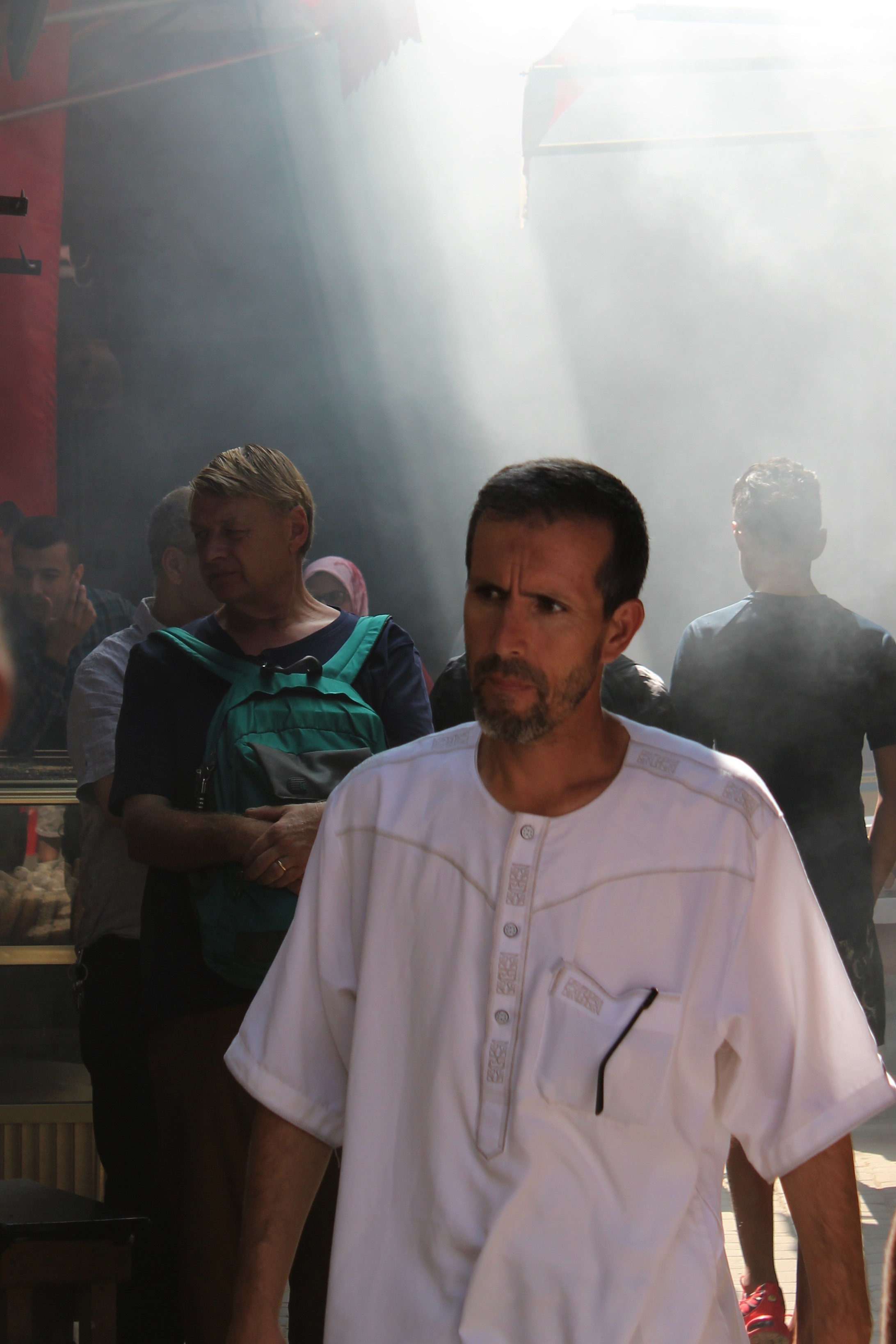
There is nowhere to sit or stand in the narrow, smoke-filled alleyways, so we were crammed into small, airless cubicles to enjoy our camel burgers and mint tea. I have to say that they tasted delicious, although the smoke from the barbecue meant that I had tears streaming down my face throughout lunch!
Why You Should Visit Meknès, Morocco
Meknès has a laid-back vibe
Meknès is much quieter and smaller than neighbouring Fez and, consequently, receives far fewer visitors. Those tourists who do venture here enjoy a laid-back atmosphere and much less hassle than in other Moroccan cities. The medina still has the evocative narrow streets and alleyways you would expect, though, and there are plenty of grand buildings to admire in this city, which was once home to the Moroccan sultanate.
The Medina
The medina in Meknès is obviously smaller than those in Marrakech and Fez, but it is just as atmospheric. Locals shop here every day, and it’s fascinating to watch the comings and goings as butchers hoist carcases on their shoulders or young barrow boys wheel carts full of coconuts through the alleys.
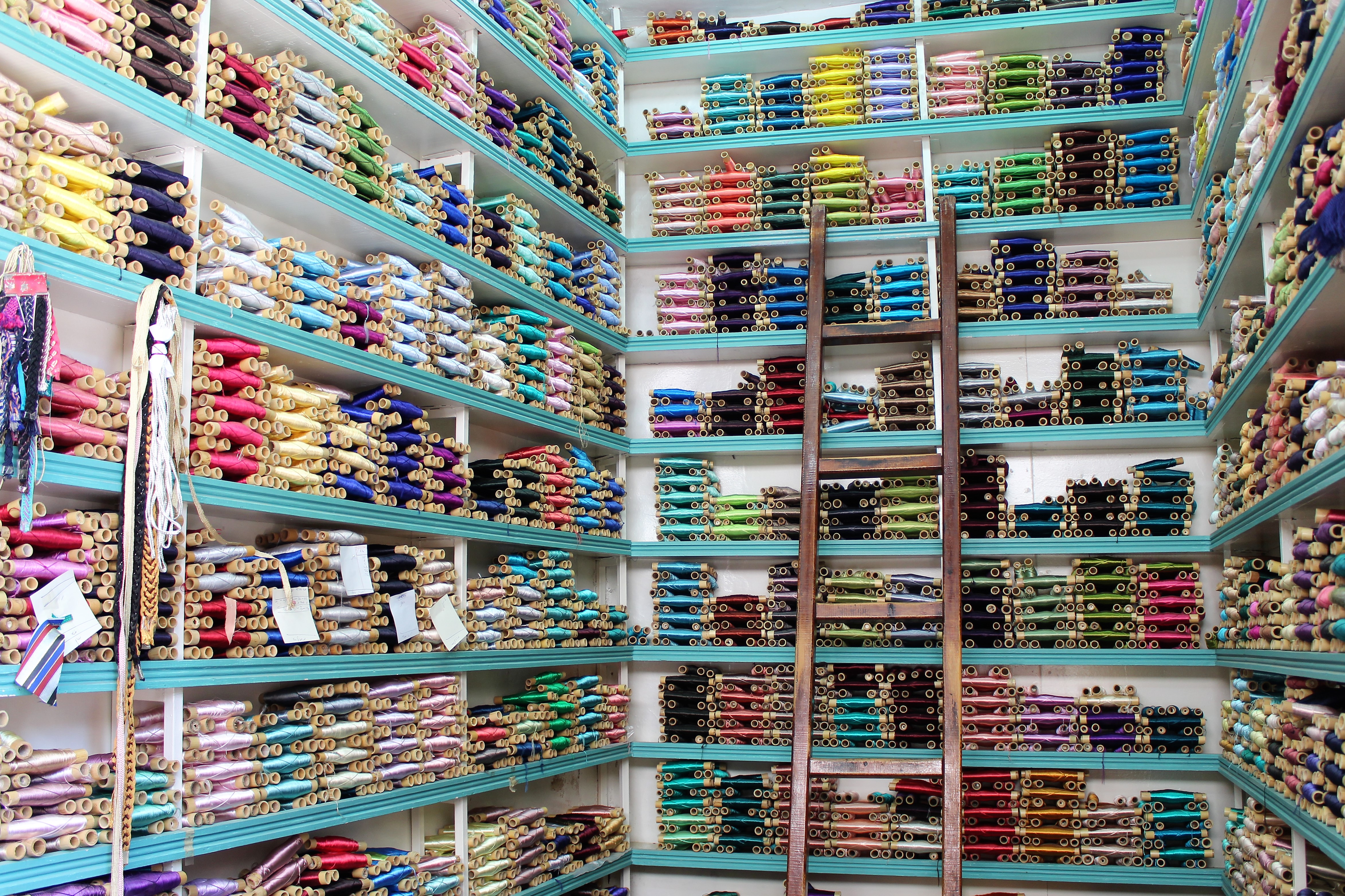
The best way to enter the medina’s souks in Meknès is through the arch to the left of the Dar Jamaï Museum on the north side of Place el-Hedim. Inside, you’ll quickly find yourself in a maze of crowded shops and stalls. Sellers tend to congregate together, so you’ll find a whole row of carpet shops, an alley full of coppersmiths, or, my favourite, a group of stalls selling gorgeous silk threads!
The Museums
Meknès has a couple of museums that are worth a look if time allows. Neither museum is especially large, making them easy to include during a half-day visit.
Dar Jamaï Museum
This museum is housed in a palace built by the Jamaï family in 1882. It opened as a museum in 1920 and now has a collection of traditional ceramics, jewellery, textiles, and wooden items dating from the 14th century. Highlights include brocaded saddles, exquisite needlework, and antique carpets from all regions of Morocco. Unfortunately, there are no explanations in English, so it helps if you know French and/or Arabic.
Even if you have no interest in the exhibits, the crumbling palace and gardens are worth visiting anyway.
Musée de Meknès
This small museum with information only in French should still feature on your itinerary. The collection of metalwork, ceramics, clothing, and jewellery is interesting, but the star of the show is a remarkable set of leather armour encrusted with coral beads, turquoise studs and silver coins.
Bab el-Mansour
This huge gate into the imperial city of Meknès was started by Moulay Ismail and completed by his son, Moulay Abdallah, in 1732. It is well preserved with lavish tilework. An Arabic inscription across the top reads, ‘I am the most beautiful gate in Morocco. I’m like the moon in the sky. Property and wealth are written on my front.’
There are two white columns on either side of the gate made with marble stolen from a Marrakech palace by Moulay Ismail’s men.
The Mausoleum of Moulay Ismail
Every visitor to Meknès should pay their respects at the mausoleum of one of Morocco’s greatest rulers. Non-Muslims are welcomed into the sanctuary but are not allowed to approach the tomb itself, which is housed in a lavish hall designed to showcase Moroccan craftsmanship.
Caleche Rides
One of the best ways to see the imperial city of Meknès is by hiring a calèche and a guide. These highly ornate carriages pulled by beautiful horses, bedecked with colourful ribbons and tinkling bells, are a sight to behold. They are not just for tourists, either! Locals love them. It’s a popular activity for local families, especially on a Sunday, so you won’t stick out like a sore thumb, I promise you!
A thirty-minute tour of the city’s main attractions will cost around DH210.
Camel Burgers
Vegetarians look away now!
Meknès is renowned for selling camel meat. It is a daily staple in the local diet. Tourists can try it in any of the numerous barbecue stalls within the souk. We did – and it tasted pretty good. Most people order it as a burger, which comes in a freshly-baked flat round bread roll with salad. Hot sauce is optional.
Final Thoughts on Visiting Meknès
Meknès may not receive the same attention as Marrakech or Fez, but that's exactly what makes it so appealing. Its quieter streets, magnificent architecture and relaxed atmosphere offer a welcome change of pace, while its fascinating history reminds visitors that this was once the heart of one of Morocco's greatest empires.
For us, Meknès turned out to be one of the most enjoyable surprises of our journey through Morocco. We loved wandering through the medina, learning about Moulay Ismail's extraordinary legacy, and, of course, trying the city's famous camel burgers. It was one of those places where a few hours quickly turned into memories that have stayed with us long after returning home.
If you're travelling between Rabat and Fez, I'd strongly recommend breaking your train journey to spend at least half a day exploring Meknès. Better still, stay overnight and combine your visit with nearby Volubilis and Moulay Idriss. Together, they make one of the most rewarding and least crowded corners of Morocco.
Watch this Video to Learn More About Meknes
If you’re travelling soon, please use these links!
Are you travelling soon? Use these links when making your bookings. These are the companies we use. It won’t cost you any extra, but we will earn a few pennies to help keep Happy Days Travel Blog going. Thank you!!
Make sure you take out travel insurance. If you are a digital nomad or long-term traveller, try the specialist provider SafetyWing. (Never leave home without protecting yourself, your trip and your belongings!)
Book your flight with Skyscanner
Book your accommodation with Booking.com
Book a tour with TourRadar
Book city tours and activities with Viator or GetYourGuide
Check out my Resource Page for more companies I recommend.
Disclosure: This post contains affiliate links. If you click through for more information, or to make a purchase, it may result in a small commission coming my way. Please note that there is no extra cost to you associated with this. Thank you so much for supporting my site.
