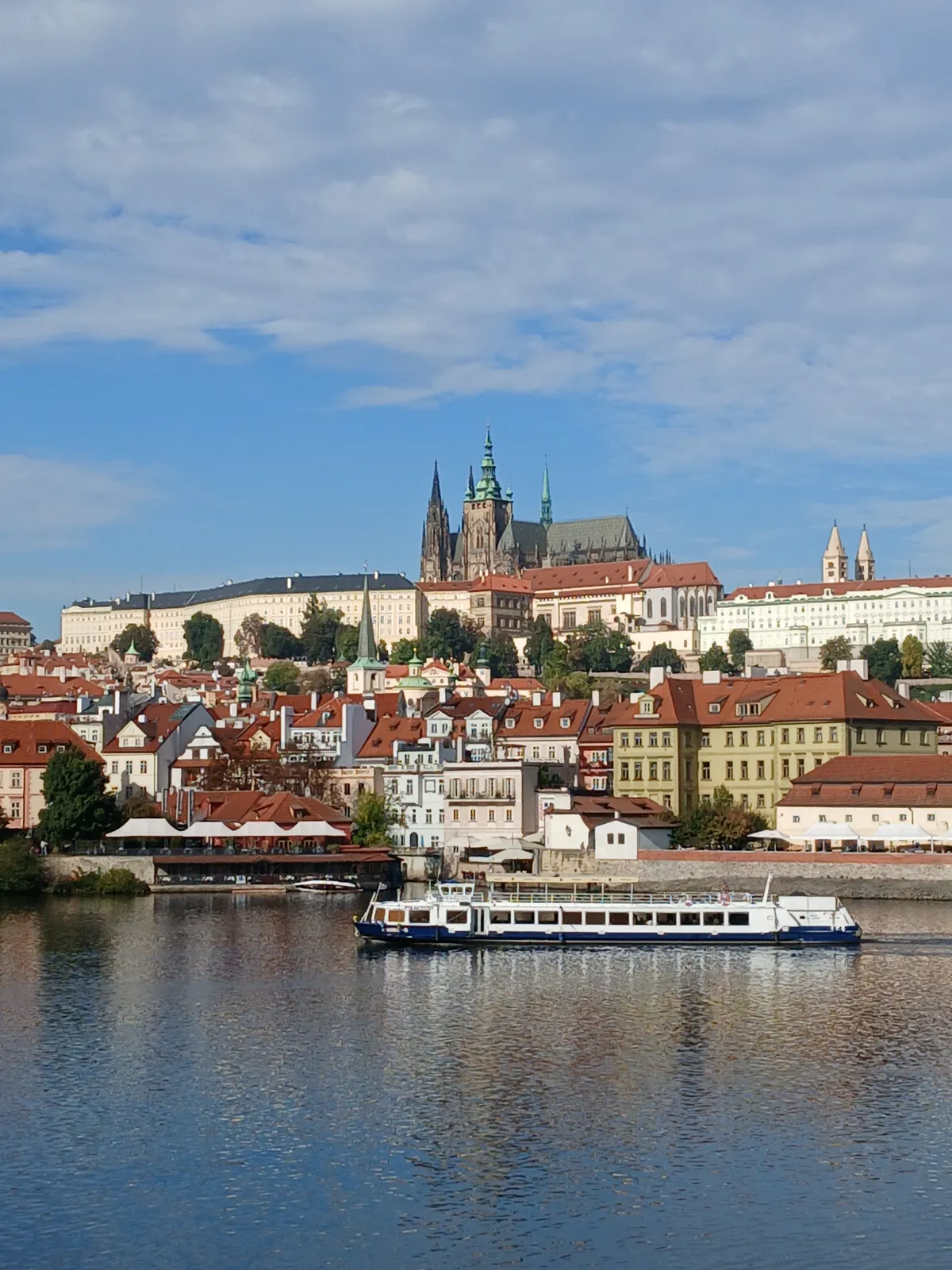
Best Things to Do in Prague: A First-Hand Travel Guide
Prague had been on Mark and my travel wish list for years, and when I finally spent a week exploring the Czech capital, I discovered a city that was every bit as beautiful as I'd hoped.
With its Gothic towers, Baroque churches, medieval streets and magnificent castle overlooking the River Vltava, Prague feels like a city where history is waiting around every corner. But there's much more to discover here than the famous landmarks.
During my stay, I explored historic buildings, wandered through quiet backstreets, visited fascinating museums, took a boat trip beneath Charles Bridge, and even learned how to make traditional chimney cakes. I also enjoyed some wonderful classical music, discovered delightful English-language bookshops, and made good use of Prague's excellent public transport system.
Not everything lived up to my expectations. Some attractions were extremely crowded, a few admission charges seemed excessive, and there were places where I enjoyed the surroundings more than the attraction itself. But that's part of travelling, and I'll share those experiences too.
One of the things I appreciated most about Prague was how easy it was to explore independently. Public transport was straightforward, English was widely spoken in the places I visited, and I felt comfortable wandering around the city on my own.
In this guide, I'll share my favourite things to do in Prague, along with some honest opinions, historical background and practical tips to help you plan your own visit. I'll also suggest a few attractions I didn't manage to see and some worthwhile day trips beyond the city.
Whether you're visiting Prague for a weekend or staying longer, I hope this guide helps you discover both its famous sights and some of its quieter corners.

To jump to a particular section of this article, please use these links:
1. Take a Guided Walking Tour of Prague
2. Explore Old Town Square and Watch the Astronomical Clock
3. Discover the Historic Old Town Hall
Visit the Old Town Hall Chapel and See the Apostles Up Close
Exploring the Medieval Underground
Climb the Old Town Hall Tower for Panoramic Views
A Beautiful Mosaic at the Entrance
Is the Old Town Hall Tour Worth It?
The Statue of St John of Nepomuk
Is Charles Bridge Worth Visiting?
Is Prague Castle Worth Visiting?
6. Explore Lesser Town (Malá Strana)
Is Lesser Town Worth Visiting?
7. Admire the Unusual Architecture of the Dancing House
8. Discover Prague's Beautiful Churches
St Nicholas Church in Old Town Square
St Francis of Assisi Church and an Evening Classical Concert
Are Prague's Churches Worth Visiting?
9. Take a Boat Trip on the River Vltava
Coffee and Gingerbread on Board
Visit the Charles Bridge Museum
Is the Prague Venice Boat Trip Worth It?
10. Explore Petřín Hill and Enjoy the Views Over Prague
Take the Funicular Up Petřín Hill
Discover the Gardens and Green Spaces
Walk Back Down Through the Woodland
Is Petřín Hill Worth Visiting?
11. Learn to Make a Chimney Cake at a Prague Workshop
My Chimney Cake-Making Experience
Is a Chimney Cake Workshop Worth Doing?
12. Explore Prague's Historic Jewish Quarter (Josefov)
What to See in Prague's Jewish Quarter
Look Out for the Stolpersteine Memorials
Is Prague's Jewish Quarter Worth Visiting?
13. Discover Prague's Museums, Art Galleries, and Historic Libraries
The Clementinum and Its Magnificent Baroque Library
Other Museums Worth Considering
Are Prague's Museums and Galleries Worth Visiting?
14. Visit Wenceslas Square and See the Statue of St Wenceslas
15. Explore Strahov Monastery and the Historic Hradčany District
Strahov Monastery and Its Famous Library
Admire the Beautiful Prague Loreto
See the Enormous Façade of Černín Palace
How Many Days Do You Need in Prague?
Where I Stayed in Prague: Lipanská, Žižkov
Old Town (Staré Město): Best for First-Time Visitors Who Want to Walk Everywhere
Lesser Town (Malá Strana): Best for Historic Atmosphere
New Town (Nové Město): Best for Convenience and Transport
Vinohrady: Best for a More Local Atmosphere
My Tips for Choosing Accommodation in Prague
My Recommendation: You Don't Need to Stay in Prague's Old Town
How to Get from Prague Airport to the City Centre
Public Transport: The Cheapest Option
Using Prague's Trams, Metro, and Buses
How to Buy Public Transport Tickets in Prague
How Much Does Public Transport Cost in Prague?
Don't Forget to Validate Your Ticket!
Take Tram Number 22 for a Budget-Friendly Sightseeing Tour
What About Prague's Vintage Trams?
Using Google Maps to Navigate Prague
My Recommendation for Getting Around Prague
Food and Drink in Prague: What to Eat and Where to Find Budget Meals
Traditional Czech Food to Try in Prague
Roast Pork, Pork Knuckle, and Ribs
Eating Cheaply in Prague: Look for Local Lunch Canteens
Prague's Sweet Tooth: Cakes, Pastries, and Chimney Cakes
Finding a Savoury Snack Wasn't Always Easy
Czech Beer and Pilsner Urquell
Slivovice: Traditional Plum Brandy
Kofola: A Czech Alternative to Coca-Cola
My Tips for Eating and Drinking in Prague
Practical Tips for Visiting Prague
What Currency Do You Need in Prague?
Is Prague Safe for Solo Travellers?
Do People Speak English in Prague?
Book Popular Attractions in Advance
Don't Assume Every Historic Building Is Fully Accessible
When Is the Best Time to Visit Prague?
A Few Words About Tourist Behaviour
Is Tipping Expected in Prague?
My Final Practical Advice for Visiting Prague
Český Krumlov and Hluboká Castle: My Favourite Day Trip from Prague
Is the Český Krumlov and Hluboká Castle Day Trip Worth It?
Kutná Hora: Medieval History and the Bone Church
Karlštejn Castle: An Easy Escape from Prague
Should You Take a Day Trip from Prague?
Why Visit Prague?
Prague is one of those cities that seems to have something interesting around every corner. With more than a thousand years of history, it's a wonderful destination for anyone who enjoys architecture, culture and discovering the stories behind historic buildings.
The city's remarkably well-preserved historic centre is a UNESCO World Heritage Site, and it's easy to understand why. Gothic towers rise above cobbled streets, magnificent Baroque churches sit alongside medieval buildings, and Prague Castle dominates the skyline from its position high above the River Vltava.
But what I particularly enjoyed about Prague was that there was so much more to discover beyond the famous landmarks. I loved wandering away from the busy tourist streets, finding quieter squares, interesting little shops, and unexpected glimpses of everyday life. Despite being a popular European capital, Prague struck me as a remarkably clean and peaceful city. Even the traffic seemed unusually quiet, with very little horn-honking, despite the inevitable congestion.
I was also impressed by how easy it was to get around. Prague has an excellent public transport network of trams, buses, and metro trains, and I found it straightforward to use throughout my stay. English was widely spoken in the places I visited, restaurant menus generally included English translations, and I encountered very few language difficulties.
For anyone considering their first independent city break, these practical details make Prague particularly appealing.
There's plenty to enjoy without spending a fortune, too. Walking across Charles Bridge, exploring the historic streets, admiring the architecture, and enjoying the views from Petřín Hill are all experiences that don't require expensive entrance tickets.
And if you enjoy cultural experiences, Prague has an extraordinary choice of museums, galleries, churches, and classical music concerts. You could easily spend a week here and still have plenty left to discover.
One of the little things that made me smile was seeing so many people reading actual books. Whether sitting on park benches or waiting for trams, I noticed far more people engrossed in paperbacks than I usually see in other cities. As someone who loves books, I found that rather refreshing!
Of course, Prague isn't without its drawbacks. The most popular attractions can be extremely crowded, particularly around Old Town Square, Charles Bridge, and Prague Castle. Some entrance fees are also surprisingly high. But with a little planning and a willingness to explore beyond the busiest areas, it's still possible to find peaceful corners and enjoy the city at your own pace.
For me, Prague offered a wonderful combination of history, beautiful architecture, cultural experiences, and opportunities simply to wander and see what I discovered. It's a city that rewards curiosity, and one that I would happily return to.
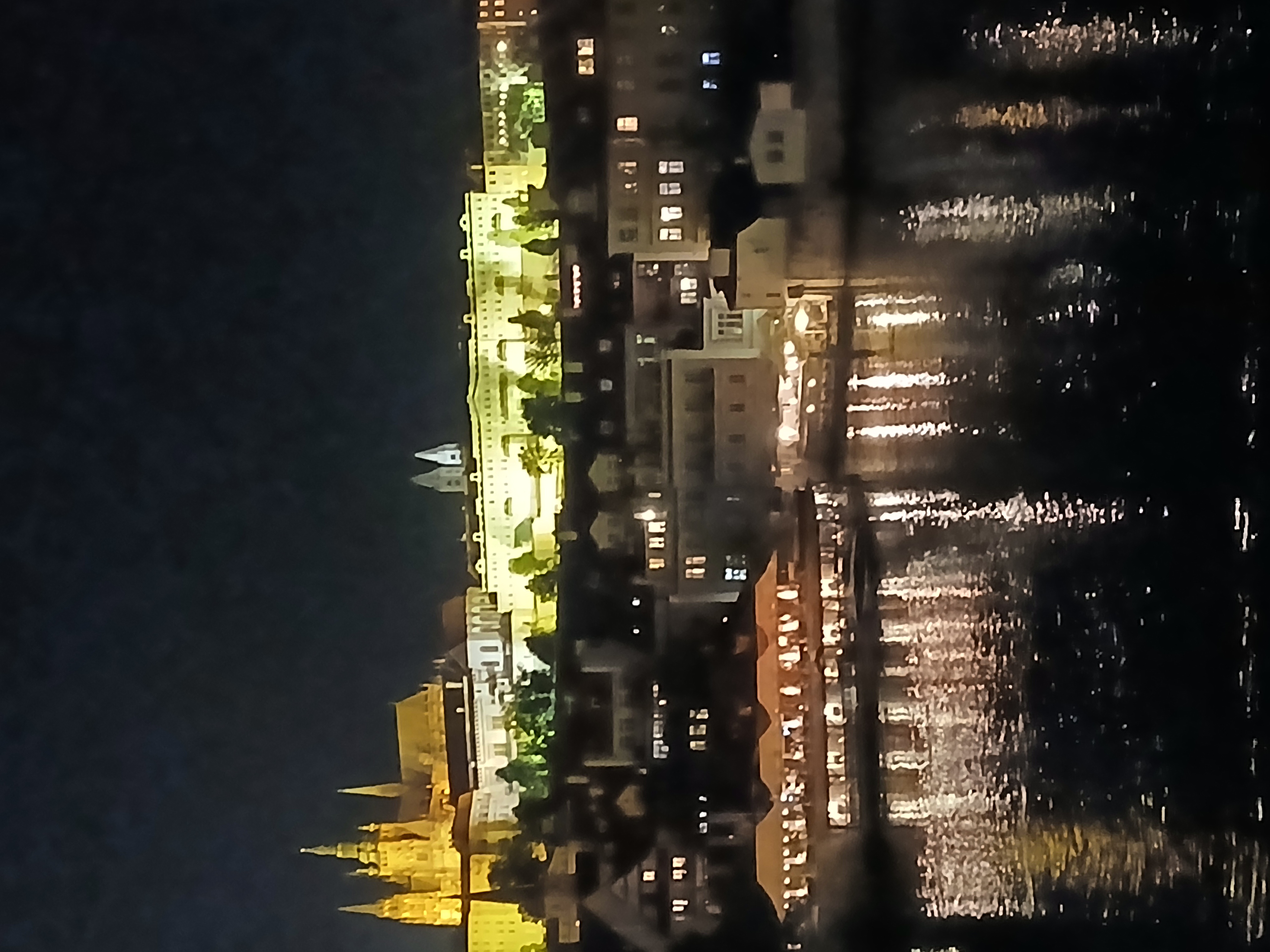
A Brief History of Prague
Prague has a fascinating history stretching back more than a thousand years, and much of that history is still visible in the buildings, streets, and monuments you'll encounter as you explore the city.
The city's origins are closely connected to Prague Castle, which was established in the late 9th century. Over the following centuries, settlements developed on both sides of the River Vltava, gradually growing into an important trading and political centre.
Prague enjoyed a particularly prosperous period during the 14th century under Charles IV, King of Bohemia and Holy Roman Emperor. He transformed Prague into one of Europe's most important cities, founding Charles University in 1348, establishing the New Town, and commissioning the construction of Charles Bridge.
In the centuries that followed, Prague experienced religious conflict, political upheaval, and periods of extraordinary artistic and architectural development. The city became part of the Habsburg monarchy, and many of its magnificent Baroque churches and palaces date from this era.
Following the collapse of the Austro-Hungarian Empire in 1918, Prague became the capital of the newly established Czechoslovakia.
The 20th century brought some of the darkest chapters in the city's history. Nazi Germany occupied the Czech lands in 1939, and Prague's Jewish community suffered devastating persecution during the Holocaust. After the Second World War, Czechoslovakia came under Communist rule.
In 1989, the peaceful Velvet Revolution brought an end to Communist government, opening a new chapter in the country's history.
When Czechoslovakia peacefully divided into two independent countries in 1993, Prague became the capital of the Czech Republic, also known as Czechia.
Today, Prague's remarkably well-preserved historic centre is recognised as a UNESCO World Heritage Site. Walking through the city, you can see evidence of its medieval, Renaissance, Baroque, and more recent history, often within just a few streets.
For me, understanding even a little of this history made exploring Prague so much more rewarding.
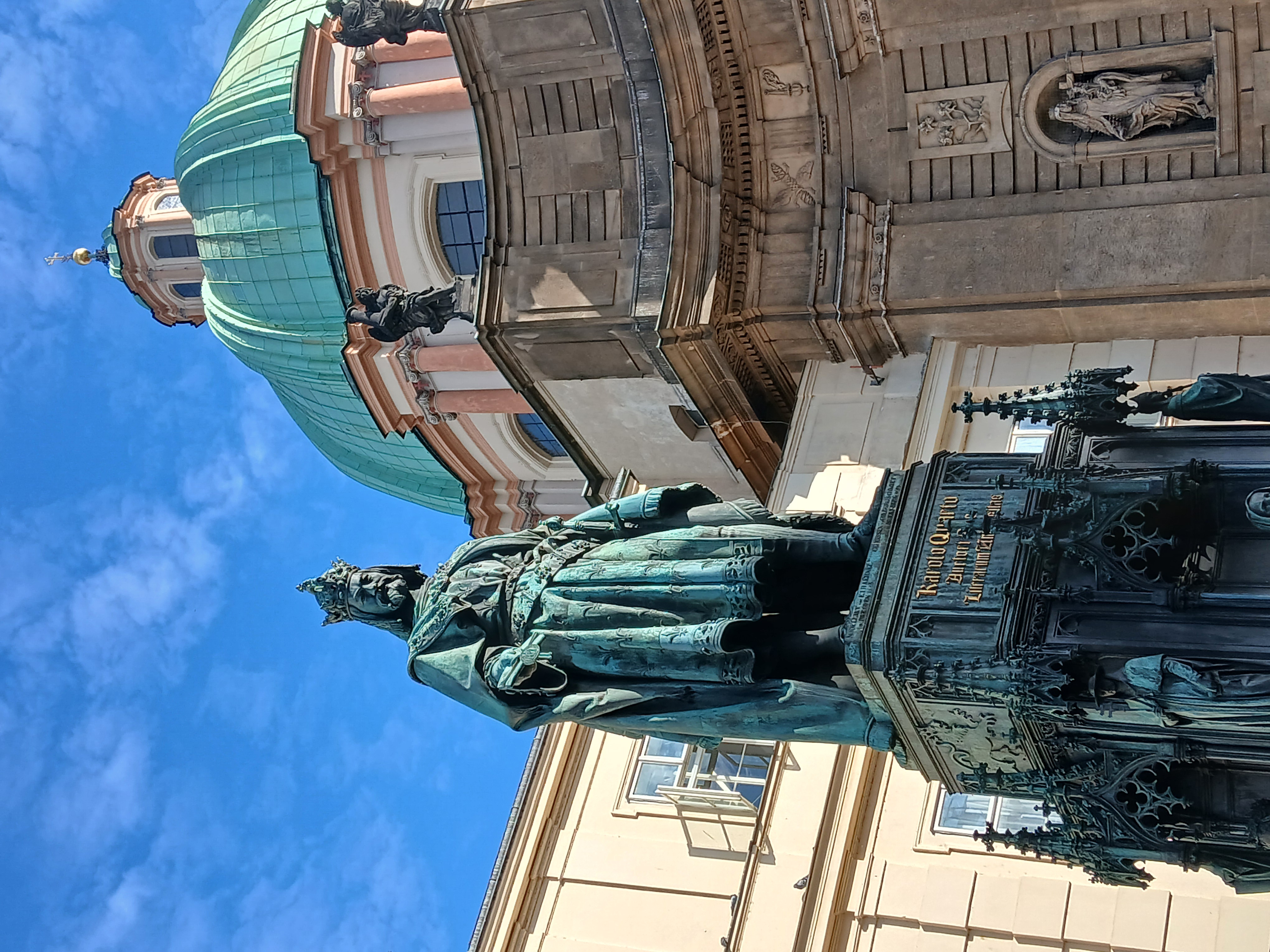
Prague Today
Although Prague is famous for its medieval streets, historic churches, and magnificent castle, it's also a lively modern European capital.
Tourism plays a significant role in the city, and there's no escaping the fact that some of its most famous attractions can be extremely busy. Around Old Town Square and Charles Bridge, I often found myself surrounded by large tour groups, souvenir shops, and visitors taking photographs.
But one of the things I enjoyed most was discovering how quickly the atmosphere changed when I wandered away from the main tourist routes.
Just a few streets from the crowds, I found quieter neighbourhoods, independent shops, cafés, and glimpses of everyday life. On Petřín Hill, local people were jogging, walking their dogs, and sitting on benches reading, while the woodland paths felt a world away from the busy city below.
I was particularly impressed by Prague's public transport system. The trams, buses, and metro made getting around straightforward, and I found the city surprisingly easy to explore independently.
Prague also has a thriving cultural scene, with theatres, concert halls, museums, galleries, and classical music performances taking place throughout the city. I enjoyed attending an evening concert in one of its beautiful Baroque churches, though I have to say that Mark would have loved it more than I did! He was the classical music fan 😊.
And although the city is firmly established on the international tourist trail, it hasn't lost its individual character. Traditional Czech food and beer remain an important part of local culture, while modern cafés, bookshops, and contemporary architecture offer a different side of Prague.
Perhaps what surprised me most was how clean and relatively peaceful the city felt. Despite the traffic and large numbers of visitors, I noticed very little horn-honking, and I loved seeing people sitting in public places reading actual books.
Prague certainly has its tourist traps, and not every attraction justifies its entrance fee. But beyond the busiest streets, I discovered a city with plenty of character, a fascinating history, and some wonderfully peaceful corners.
It's this combination of old and new, busy and quiet, that makes Prague such an interesting place to explore.
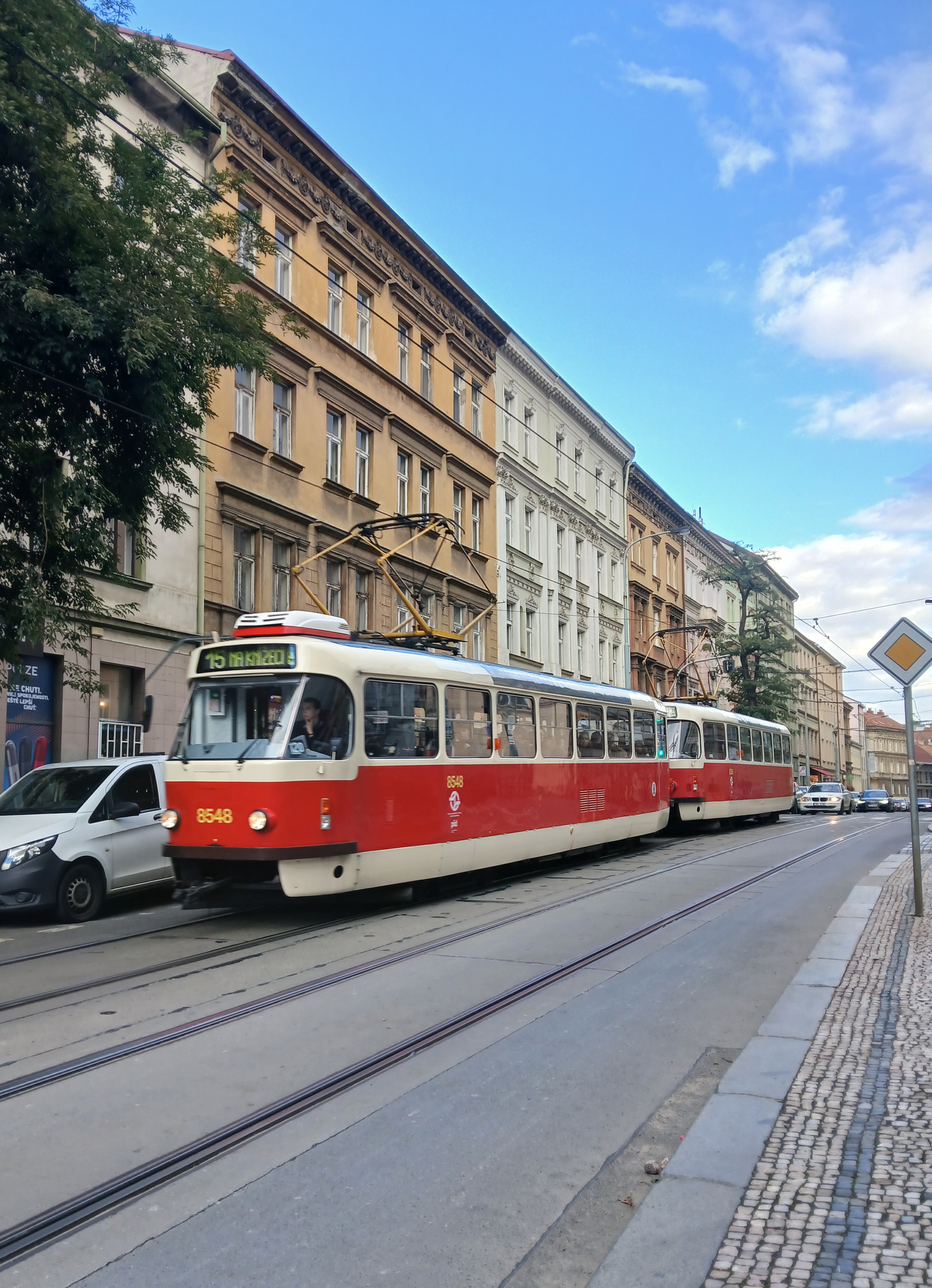
Best Things to Do in Prague
1. Take a Guided Walking Tour of Prague
Whenever I visit a new city, I enjoy taking a guided walking tour, preferably near the beginning of my stay. It's a wonderful way to get my bearings, learn something about the local history, and discover places I might otherwise walk straight past.
Prague was no exception, and my walking tour turned out to be an excellent introduction to the city.
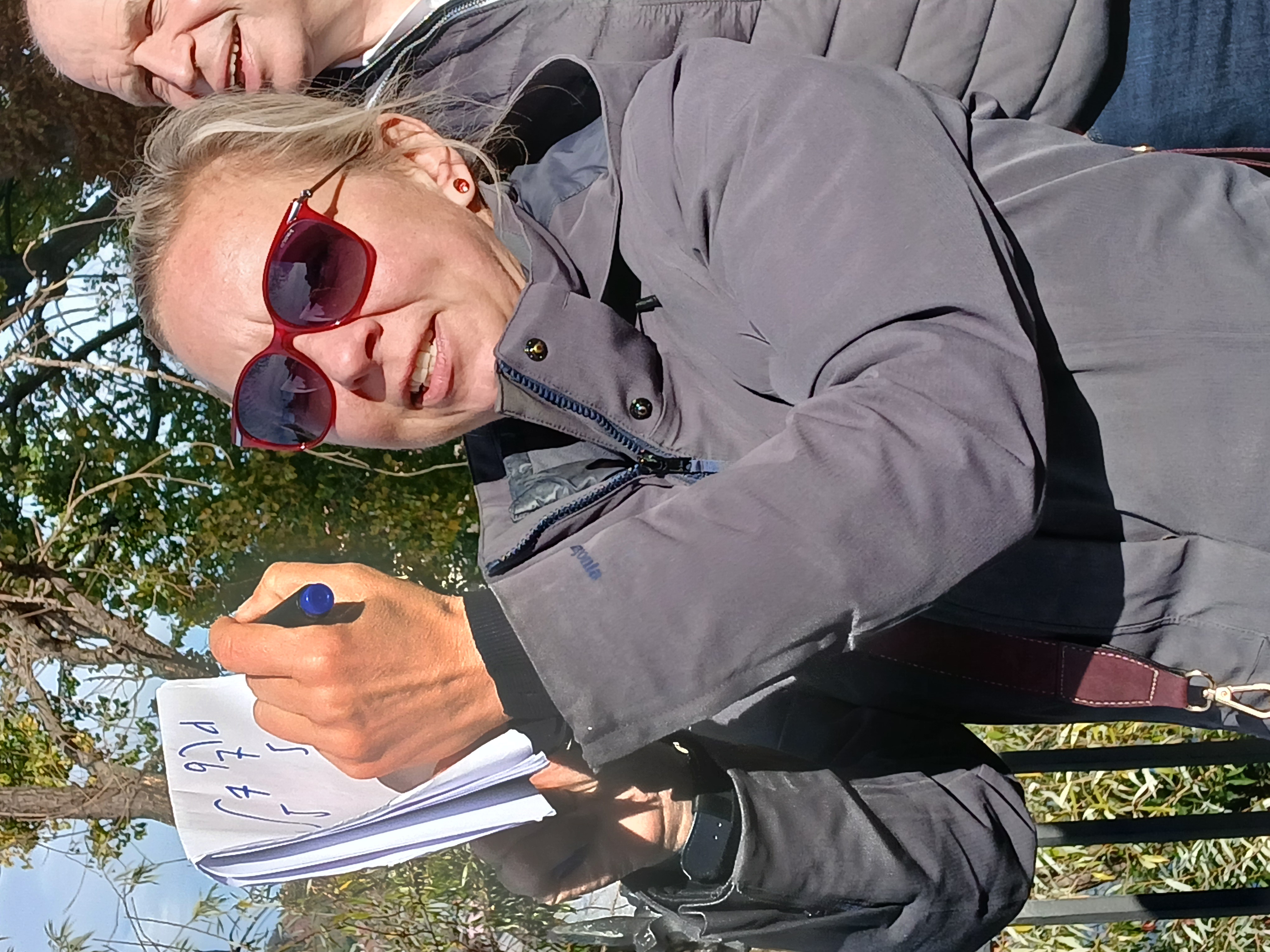
Our guide, Micha, was incredibly knowledgeable and enthusiastic, particularly when talking about Charles IV, the 14th-century King of Bohemia who later became Holy Roman Emperor. He played an enormous role in shaping the Prague we see today. During his reign, the city flourished as a political, cultural, and intellectual centre of Europe. He founded Charles University in 1348, established Prague's New Town, and commissioned the construction of Charles Bridge.
Micha was clearly passionate about this period of Prague's history, and her enthusiasm made the stories particularly memorable. One of the fascinating details she shared concerned the laying of the foundation stone of Charles Bridge. According to a popular legend, Charles IV chose the precise moment of 5:31 am on 9 July 1357 because the numbers form a palindrome:
1 – 3 – 5 – 7 – 9 – 7 – 5 – 3 – 1
Whether the timing was genuinely chosen for its numerical significance is debated, but it's a wonderful story, and one I certainly wouldn't have discovered simply by walking across the bridge.
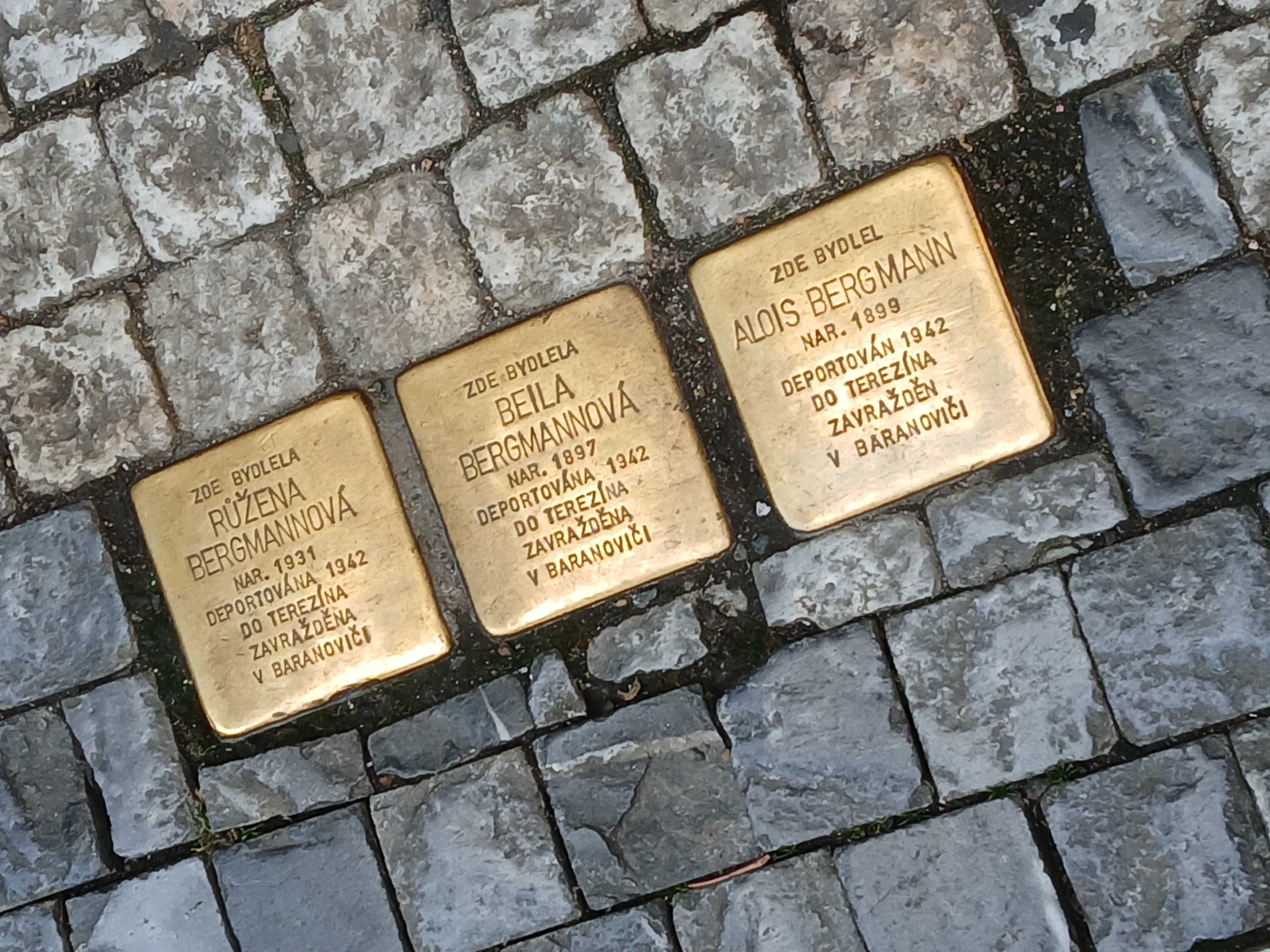
Our tour also took us through Prague's historic Jewish Quarter, known as Josefov, where Micha introduced us to some of the area's complex and often tragic history. One of the most moving things we saw was the Stolpersteine, or stumbling stones. These small brass plaques are set into the pavements outside buildings where victims of Nazi persecution once lived. Each commemorates an individual, often recording their name, date of birth, and fate. They're easy to overlook if you don't know what you're looking for, but once you notice them, they provide a powerful reminder of the people whose lives were destroyed during the Holocaust.
I particularly appreciated how the walking tour brought together Prague's magnificent architecture and the human stories behind it. It's one thing to admire a beautiful medieval building, but quite another to understand something of the people, events, and decisions that shaped its history.
Of course, there are plenty of ways to explore Prague independently, but I think a knowledgeable local guide adds another dimension to the experience.
Would I recommend a guided walking tour? Absolutely. Even if you're only spending a couple of days in Prague, I'd suggest making time for one early in your visit. You'll gain a much better understanding of the city, and you'll probably come away with a list of places you'd like to explore further.
My tip: Wear comfortable shoes, as Prague's cobbled streets can be uneven Micha told us the uneven pavements are the most common cause of accidents for visitors to Prague!), and choose a tour that focuses on the aspects of the city's history that interest you most. There are general introductory tours, Jewish Quarter walks, architecture tours, and more specialised historical experiences.
2. Explore Old Town Square and Watch the Astronomical Clock
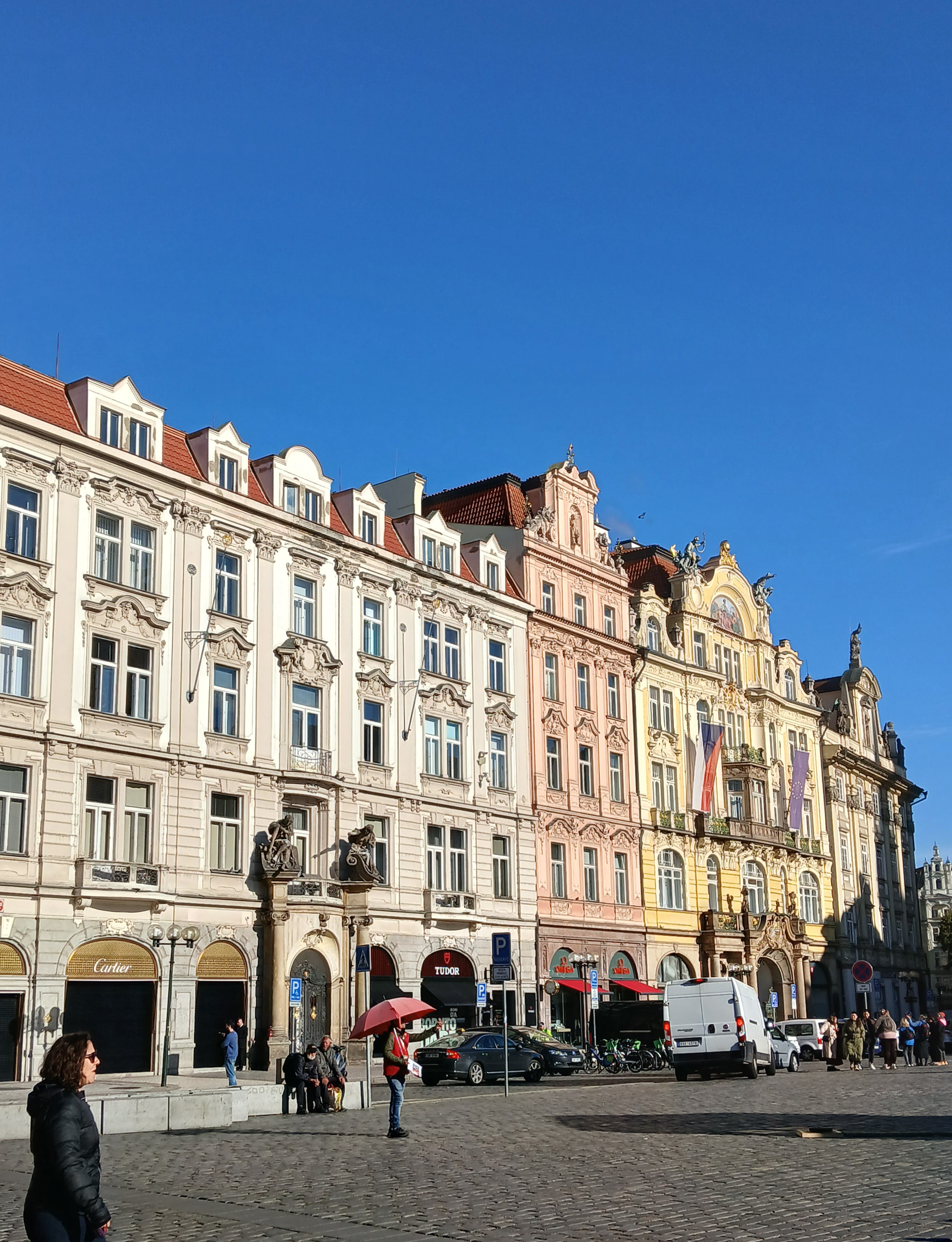
Old Town Square (Staroměstské náměstí) is one of Prague's most famous attractions, and it's somewhere you'll almost certainly find yourself returning to several times during your visit. At the heart of Prague's historic Old Town, this magnificent square has been an important gathering place for centuries. Originally established as a medieval marketplace, it's surrounded by an extraordinary collection of buildings representing different periods of the city's history.
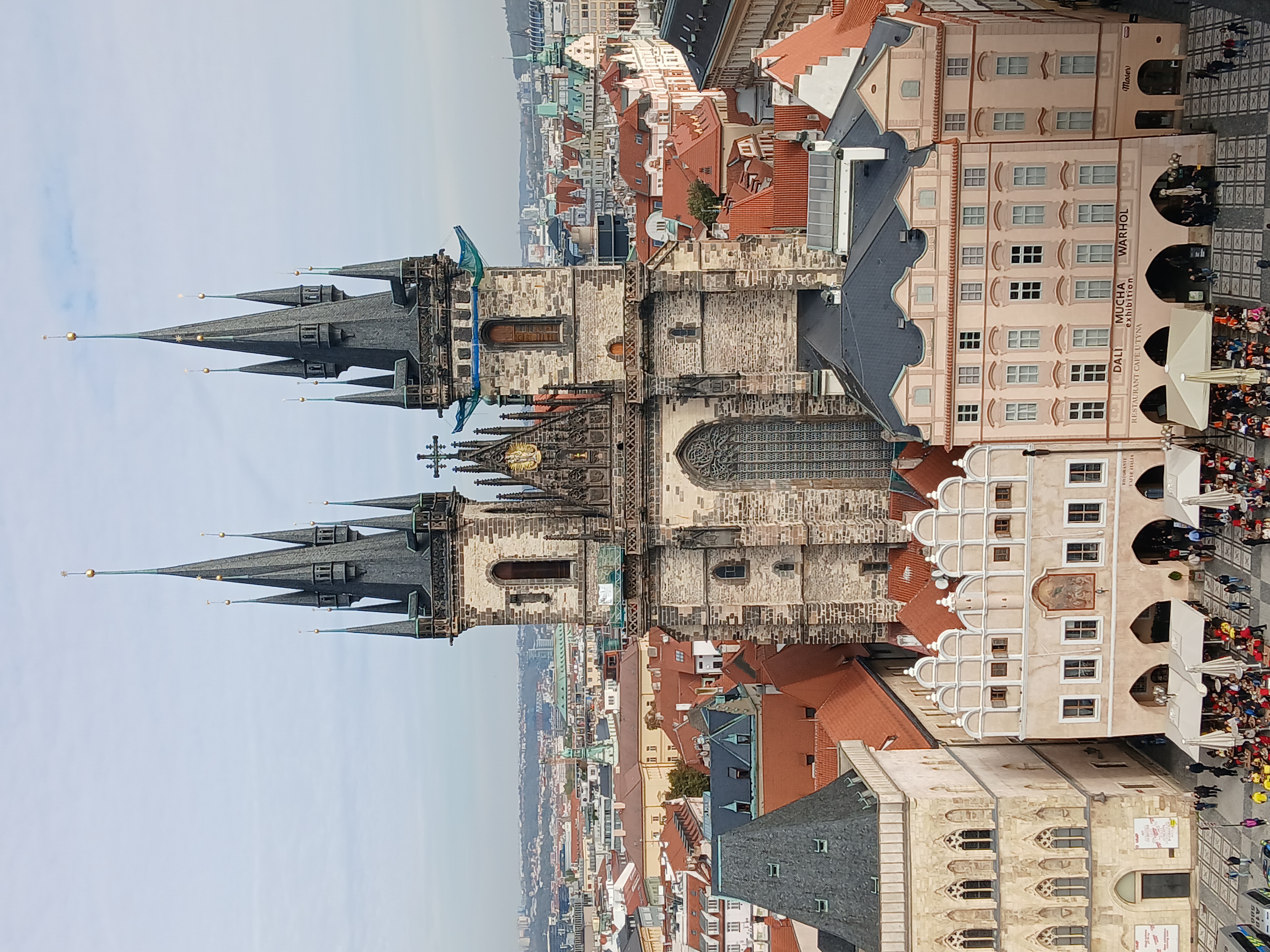
One of the most striking is the Gothic Church of Our Lady before Týn, whose distinctive twin spires rise above the surrounding rooftops. The church has dominated Prague's skyline for centuries, and its slightly asymmetrical towers give it an unmistakable appearance.
On another side of the square stands the beautiful Baroque Church of St Nicholas, with its elegant white façade and impressive dome. I went inside during my visit, and I'll tell you more about its wonderful interior later in this guide.
The square is also home to the Jan Hus Memorial, an imposing monument commemorating the Czech religious reformer who was executed for heresy in 1415. Unveiled in 1915, the memorial is an important symbol of Czech history and national identity.
However, the attraction that draws the biggest crowds is undoubtedly the Prague Astronomical Clock.
The Prague Astronomical Clock
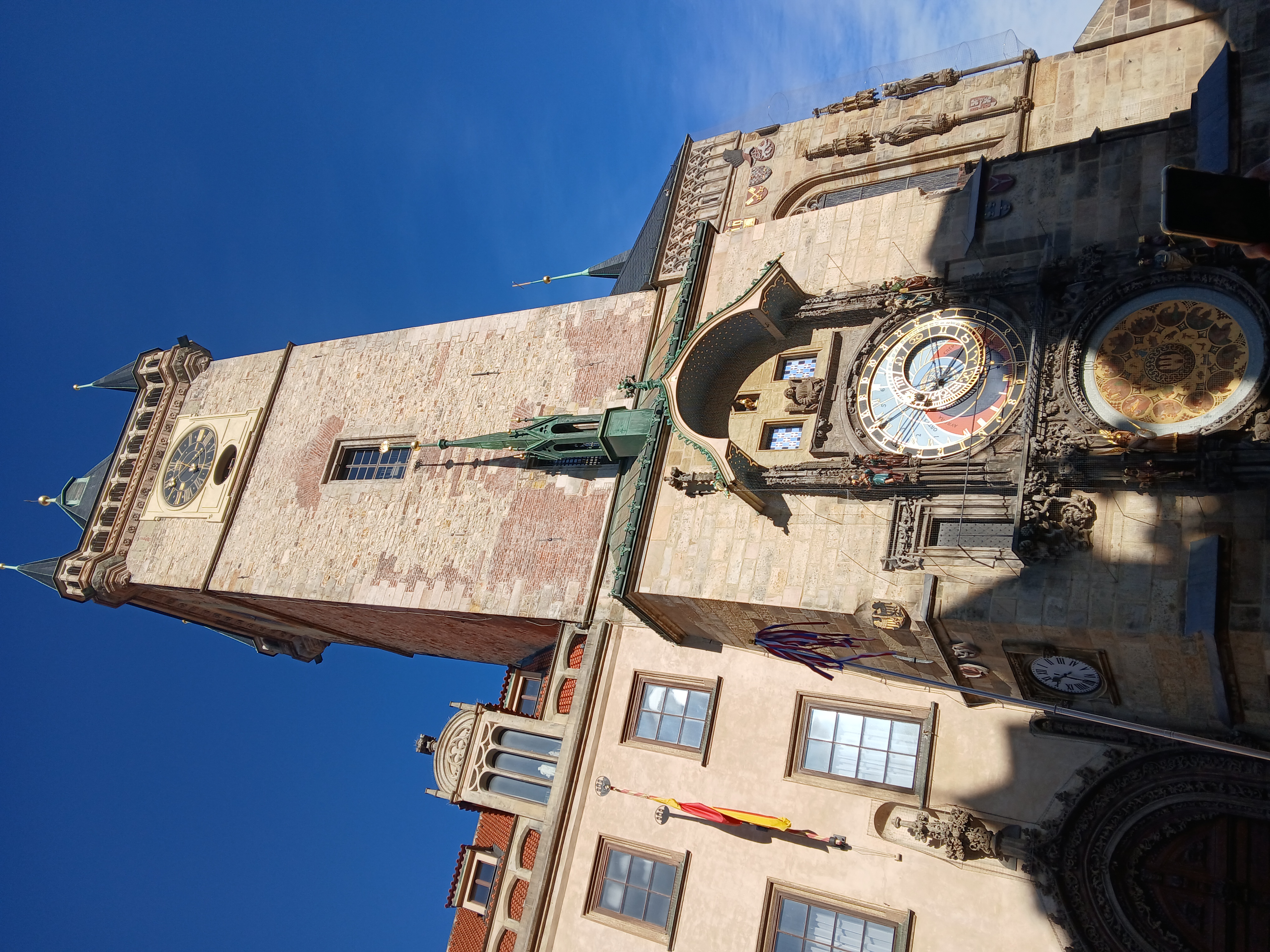
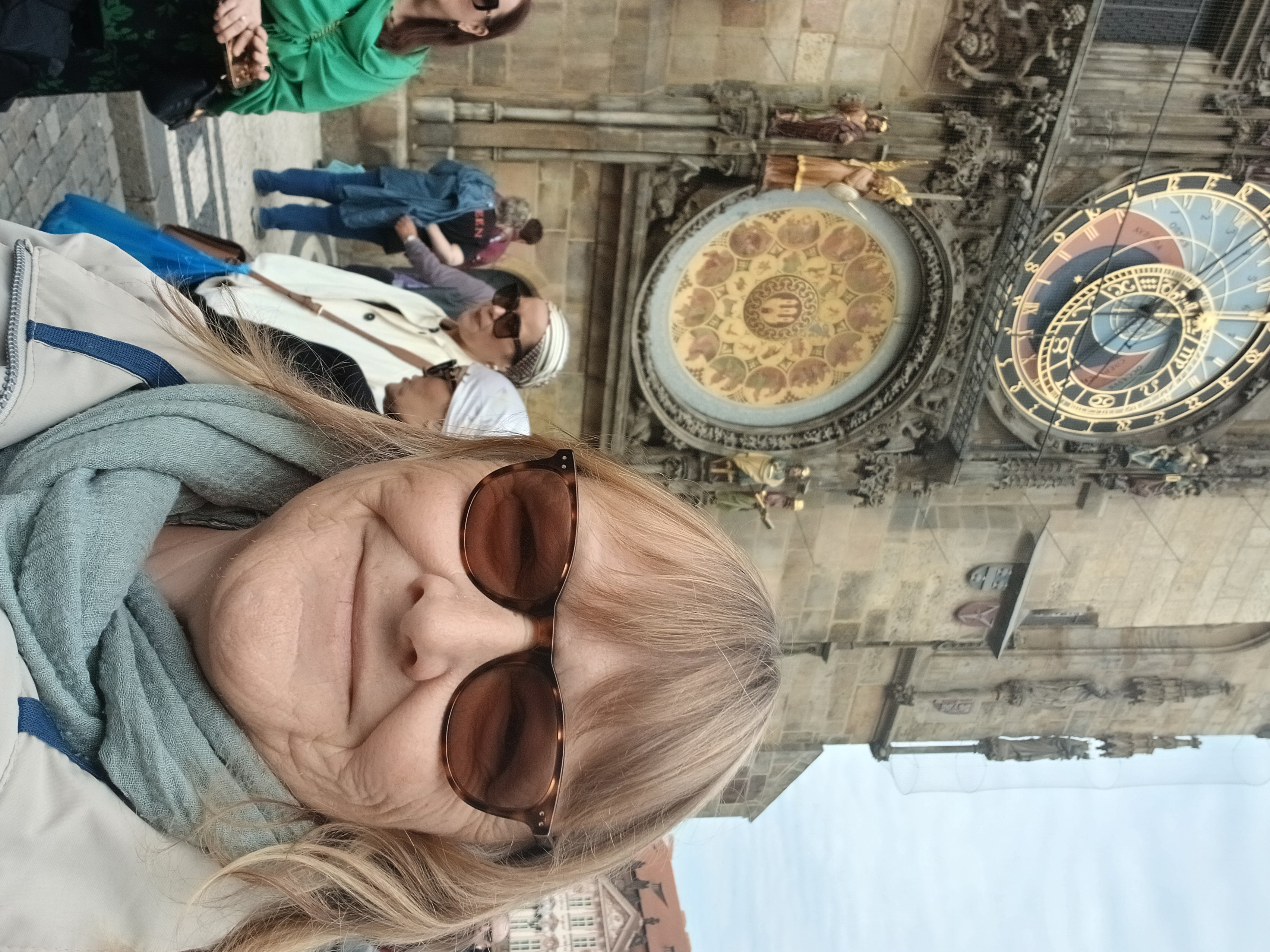
Mounted on the southern wall of Old Town Hall, the Astronomical Clock, known locally as the Orloj, dates from 1410, making it one of the oldest working astronomical clocks in the world.
It's an extraordinary piece of medieval engineering, combining a clock with an astronomical dial that displays information about the positions of the Sun and Moon. Below it is a calendar dial representing the months of the year.
But most visitors gather to watch the hourly performance, known as the Procession of the Apostles. Every hour, between 9 am and 11 pm, two small windows open above the clock face, and figures of the Twelve Apostles appear in succession. Other figures surrounding the clock also move, including a skeleton representing Death, which rings a bell. The whole performance lasts less than a minute, and I think it's fair to say that the anticipation is almost as much a part of the experience as the display itself!
The clock has survived a remarkable amount of history, although it suffered severe damage during the Prague Uprising in May 1945, towards the end of the Second World War. The original wooden figures of the Apostles were destroyed in the fire and subsequently replaced.
I found it fascinating to stand in the square and think about how many generations of Prague residents and visitors have gathered beneath this clock over the centuries. That said, don't expect a lengthy or spectacular mechanical show. It's a relatively brief display, and its real appeal lies in its age, craftsmanship, and historical significance.
My tip: Old Town Square gets extremely busy, particularly just before the clock strikes the hour. If you want to watch the Apostles, arrive a little early to find a good viewing position. It's also worth returning at different times of day to appreciate the architecture when the square is less crowded.
And while the Astronomical Clock is undoubtedly worth seeing, don't rush away as soon as the performance finishes. Take some time to explore the square itself, admire the surrounding buildings, and look for the smaller architectural details that are so easy to miss.
3. Discover the Historic Old Town Hall
While most visitors to Prague's Old Town Square gather outside to watch the Astronomical Clock, I'd thoroughly recommend taking the time to explore the historic Old Town Hall itself. I joined a guided tour of the building, and it turned out to be one of my favourite experiences in Prague.
The Old Town Hall was established in 1338, when King John of Luxembourg granted Prague's Old Town citizens permission to establish their own town council. Over the centuries, the complex expanded as neighbouring buildings were incorporated into it, creating a fascinating mixture of architectural styles and historic interiors.
Our tour took us through several rooms that have played an important role in Prague's civic and political history.
One of the highlights was the magnificent Brožík Hall, named after the Czech painter Václav Brožík. This impressive ceremonial room is decorated with enormous historical paintings depicting significant moments in Czech history. It's the sort of room that makes you stop and look around, taking in the scale of the artwork and the grandeur of the surroundings.
We also visited other historic chambers, including rooms with beautiful decorative details and furnishings, as well as a much plainer modern assembly room. I found the contrast between the elaborate historic interiors and the more functional spaces particularly interesting.
Visit the Old Town Hall Chapel and See the Apostles Up Close
One of the most unexpected highlights of my guided tour was visiting the beautiful Chapel of the Virgin Mary, which dates from the 14th century. The chapel is a wonderful example of Gothic architecture, with an atmosphere that feels remarkably peaceful considering its location beside one of Prague's busiest tourist attractions.
I was particularly struck by the magnificent altar and the beautiful stained-glass windows. Parts of the chapel were badly damaged during the Prague Uprising in May 1945, towards the end of the Second World War, and some of its historic features had to be restored or replaced. The stained glass includes modern designs introduced during the restoration, but I thought they blended beautifully with the medieval surroundings. Rather than looking out of place, they seemed entirely in keeping with the character of the chapel.
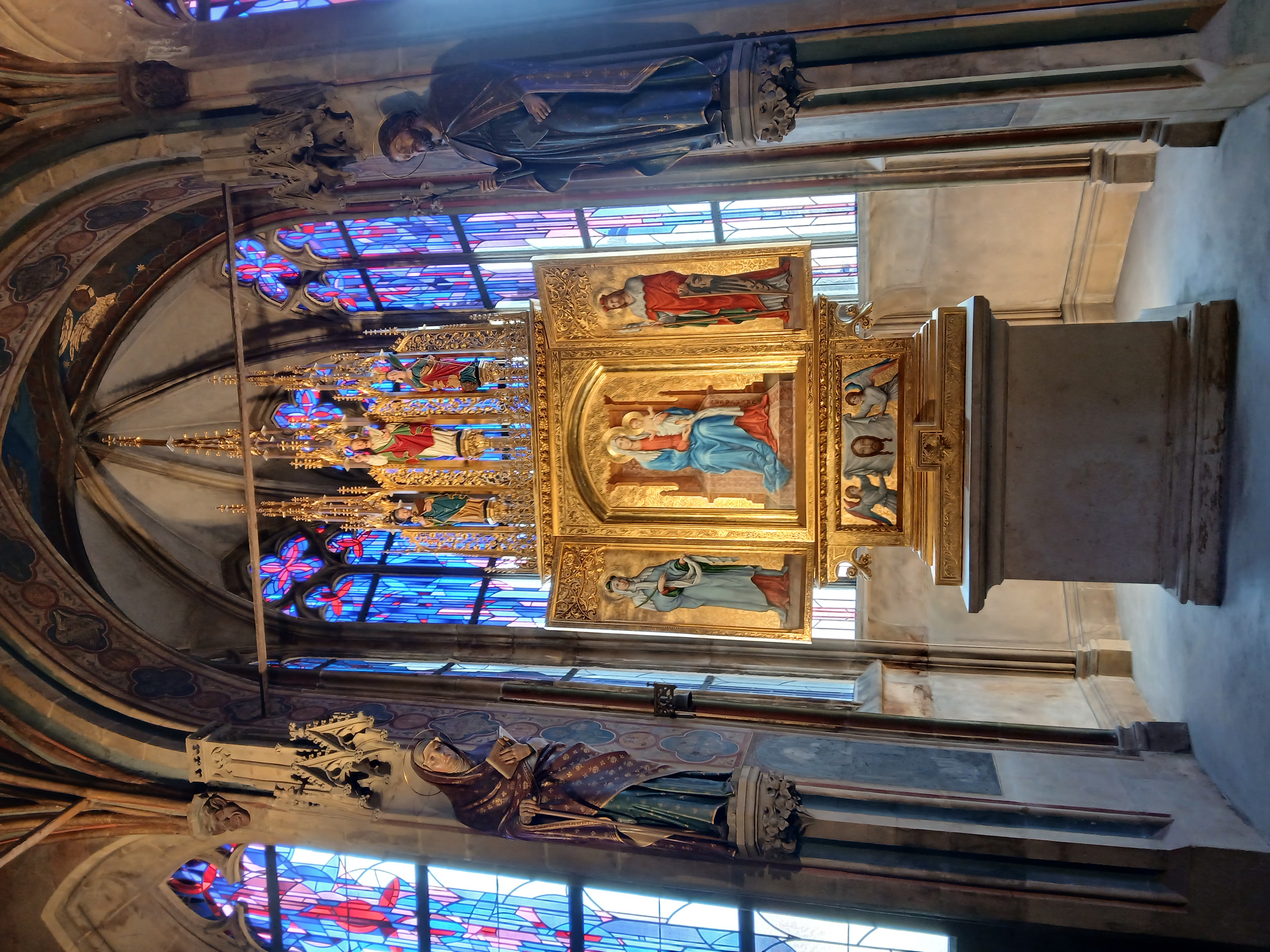
But perhaps the most extraordinary part of this visit was being able to see the figures of the Twelve Apostles from the Astronomical Clock at close quarters.
Like most visitors to Prague, I'd stood outside Old Town Hall and watched the Apostles appear through the little windows above the clock. From the square, they're quite difficult to see in any detail, particularly with so many people gathered below. To suddenly find myself standing so close to those same figures, looking at their faces, costumes, and craftsmanship, was absolutely fascinating. It gave me a completely different appreciation of the famous hourly performance.
The original wooden Apostles were destroyed when the Old Town Hall was damaged by fire in 1945, and the figures we see today were created as replacements in the years following the war.
I loved the fact that the guided tour allowed me to discover something hidden behind one of Prague's most photographed attractions.
My tip: If you're planning to visit the Old Town Hall, check whether your guided tour includes the chapel and a close-up view of the Astronomical Clock's Apostles. For me, these were among the most memorable parts of the entire experience.
Exploring the Medieval Underground
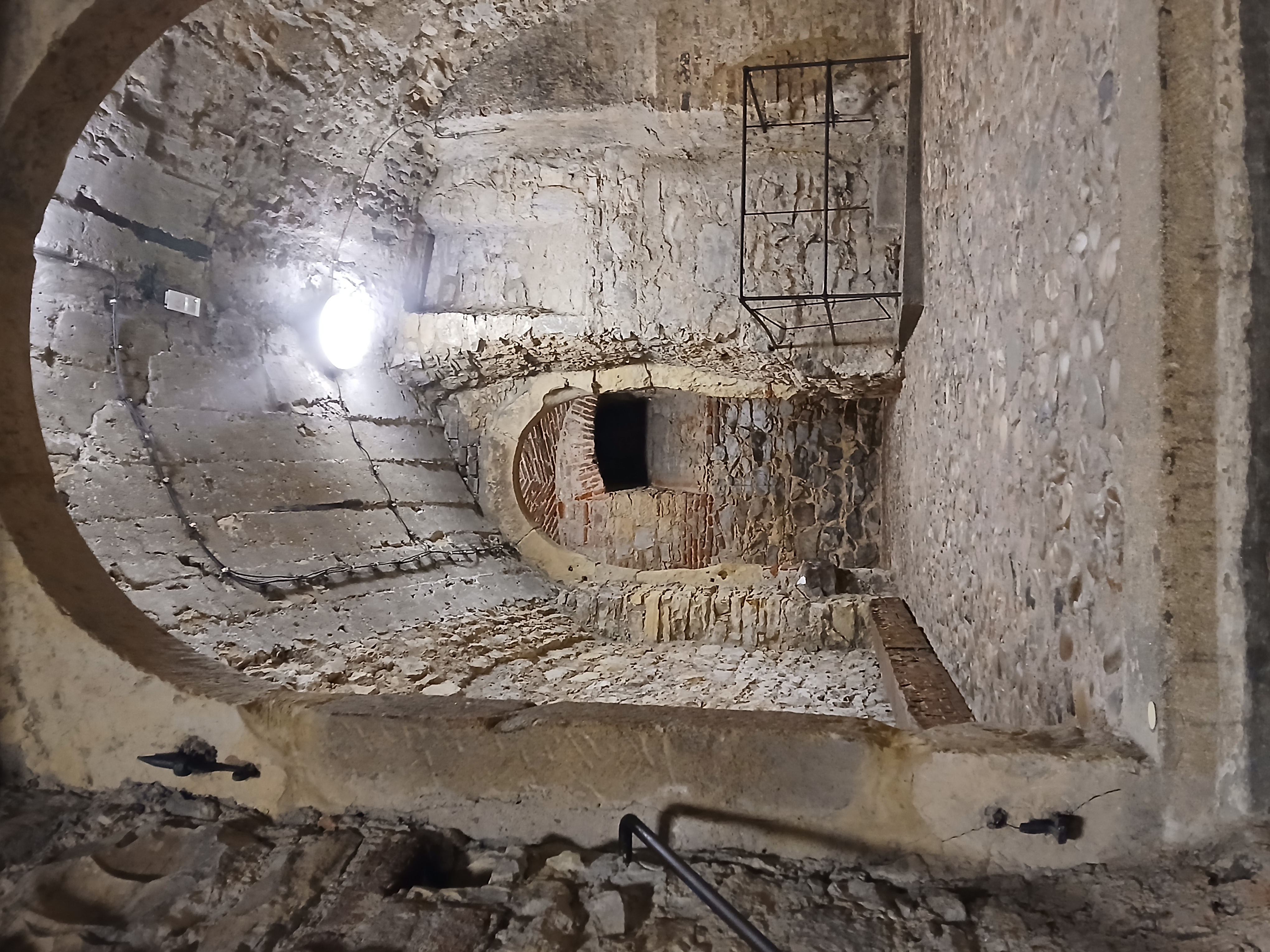
Beneath Old Town Hall lies a network of medieval rooms, passageways, and cellars that reveal an entirely different side of Prague's history.
Over the centuries, the level of Prague's streets was gradually raised, leaving parts of the original medieval buildings buried beneath the modern city.
Walking through these underground spaces was like stepping back in time. We explored rooms that had once formed part of medieval houses, along with areas that were later used as prison cells.
It's quite extraordinary to think that while thousands of tourists are walking across Old Town Square above, these centuries-old spaces remain hidden underneath.
I particularly enjoyed this part of the tour because it offered something completely different from the grand churches, palaces, and public buildings I'd been exploring elsewhere in Prague.
Climb the Old Town Hall Tower for Panoramic Views
Another highlight of my visit was going to the top of the Old Town Hall Tower, which offers some of the most spectacular views across Prague's historic centre.
The tower rises to approximately 70 metres above Old Town Square, and from its viewing gallery you can enjoy wonderful 360-degree views across the city.
I was lucky enough to visit on a beautiful sunny day, and the sight of Prague's red-tiled rooftops stretching into the distance was absolutely stunning. Everywhere I looked, there were Gothic spires, church towers, and historic buildings rising above the rooftops. It's also a wonderful opportunity to appreciate the layout of Old Town Square from above and admire the surrounding architecture from an entirely different perspective.
You can reach the viewing gallery using the stairs and ramps, or take the lift if you prefer. I chose to pay a little extra for the lift, although it's perfectly possible to reach the top without using it.
I had booked my Old Town Hall entry ticket in advance through GetYourGuide, which gave me priority entry. Once inside, I was able to arrange the guided tour of the historic interiors and pay for the lift separately.
My tip: If you're visiting Old Town Hall, I'd strongly recommend including the tower in your plans. The views are magnificent, particularly on a clear day, and it's one of the best places to appreciate Prague's extraordinary collection of historic rooftops and spires.
A Beautiful Mosaic at the Entrance
Another detail that caught my attention was a beautiful mosaic associated with the entrance to the Old Town Hall.
The design is linked to the Czech artist Mikoláš Aleš, and I noticed his name and the date 1904 incorporated into the artwork. It's exactly the sort of detail I love discovering when I travel. Something that might be overlooked in the rush to see the main attractions can have its own fascinating artistic and historical story.
And it reminded me that in Prague, it's often worth looking closely at the decorative details, rather than concentrating only on the famous landmarks.
Is the Old Town Hall Tour Worth It?
Absolutely. In fact, if you're interested in history, architecture, or simply discovering what's hidden behind the façades of Prague's historic buildings, I'd put this tour near the top of your list.
The guided visit brought the building to life, and I found the combination of magnificent ceremonial rooms and medieval underground spaces particularly memorable.
My tip: Don't confuse watching the Astronomical Clock outside with visiting the Old Town Hall itself. They're very different experiences, and I'd recommend allowing time for both. Check which areas are included in your ticket, as access to some parts of the building may vary.
For me, this was one of Prague's most rewarding historic attractions, and somewhere I'd happily recommend to anyone who enjoys exploring the stories behind old buildings.
4. Walk Across Charles Bridge
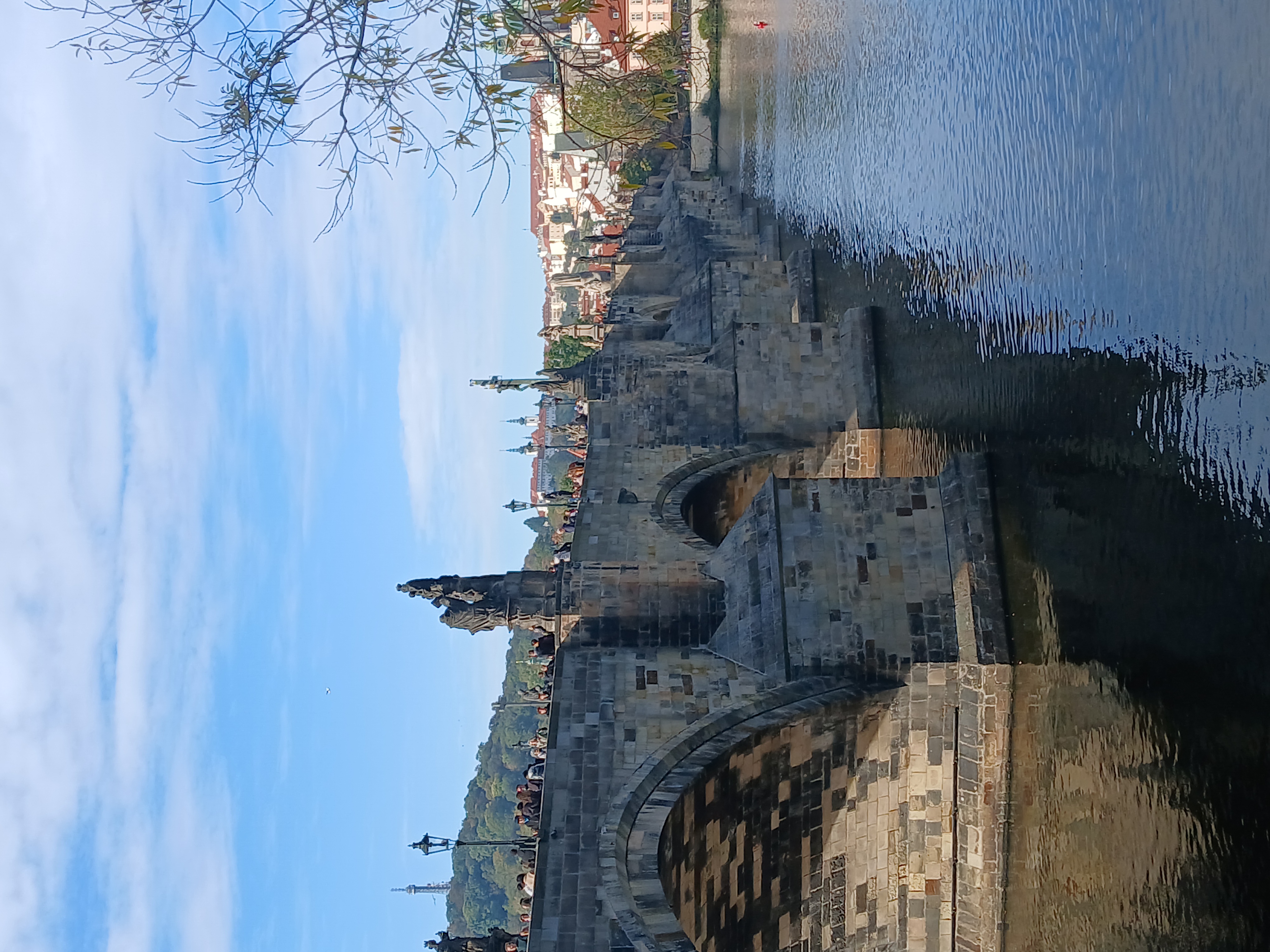
No visit to Prague would be complete without walking across Charles Bridge, one of the city's most famous and photographed landmarks. Stretching across the River Vltava between the Old Town and Lesser Town, this magnificent medieval stone bridge is an extraordinary piece of engineering and one of the most recognisable symbols of Prague.
Construction began in 1357 during the reign of Charles IV, replacing the earlier Judith Bridge, which had been badly damaged by flooding in 1342.
The bridge is approximately 516 metres long and is guarded at either end by imposing historic towers. Along its length stand 30 statues and sculptural groups, mostly dating from the Baroque period, which give the bridge its distinctive appearance.
During my guided walking tour, Micha told us the fascinating story of the bridge's foundation stone. According to legend, Charles IV deliberately chose 5:31 am on 9 July 1357 because the numbers formed a palindrome:
1 – 3 – 5 – 7 – 9 – 7 – 5 – 3 – 1
Whether that's historically accurate is uncertain, but it's a wonderful story and one that has certainly stayed with me.
The Statue of St John of Nepomuk
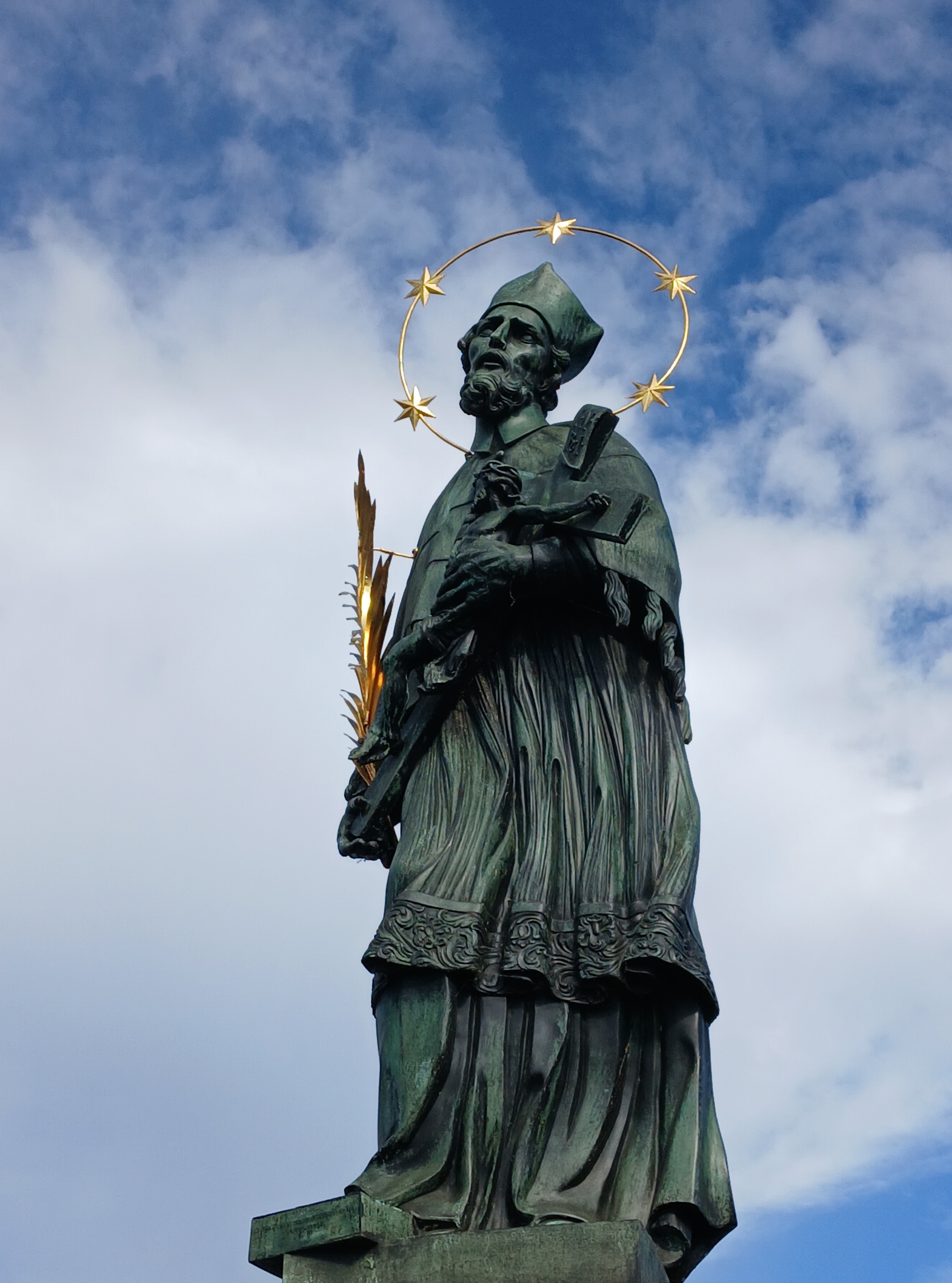
One of the most famous statues on Charles Bridge is that of St John of Nepomuk, a 14th-century priest who was thrown into the River Vltava on the orders of King Wenceslaus IV in 1393. Tradition holds that he refused to reveal the secrets of the queen's confession, although historians believe his death was connected to a wider conflict between the king and the Church.
His statue is easy to recognise because of the crowds gathering around it, waiting to touch the polished bronze reliefs at its base. According to popular tradition, touching the reliefs brings good luck and may even ensure that you'll return to Prague one day.
A little further along the bridge, a small brass cross set into the stone parapet marks the traditional location from which St John was thrown into the river. Five stars are associated with the saint, recalling the legend that stars appeared above the water after his death.
These little details are easy to miss if you're simply concentrating on getting from one side of the river to the other, which is another reason I appreciated learning about the bridge during my walking tour.
Is Charles Bridge Worth Visiting?
Absolutely, although I wouldn't describe it as a peaceful experience! Charles Bridge is one of Prague's busiest attractions, and whenever I crossed it, there seemed to be enormous numbers of visitors stopping to take photographs, admire the statues, and enjoy the views.
It's certainly not somewhere to expect a quiet stroll in the middle of the day.
However, the bridge is undeniably beautiful. From here, you can enjoy wonderful views along the River Vltava, towards Prague Castle rising above Lesser Town, and across the city's historic rooftops and church towers. And despite the crowds, I found it extraordinary to think that people have been crossing the river at this spot for centuries.
My tip: If you'd like to experience Charles Bridge without the heaviest crowds, try visiting early in the morning. Allow time to admire the statues and views rather than simply hurrying across, and remember to look back at the magnificent bridge towers at either end.
For me, Charles Bridge is one of those attractions that deserves its reputation, even if you have to share it with what feels like half the population of Prague!
5. Explore Prague Castle
Dominating the skyline above the River Vltava, Prague Castle is one of the city's most impressive landmarks and an attraction that deserves several hours of your time.
Founded around 880, Prague Castle has been the seat of Czech rulers for more than a thousand years. Today, it's the official residence of the President of the Czech Republic, as well as an extraordinary collection of palaces, churches, courtyards, and historic buildings. Covering approximately 70,000 square metres, it's recognised by Guinness World Records as the largest ancient castle complex in the world.
One thing to understand before visiting is that Prague Castle isn't a single building. It's an enormous complex containing several separate attractions, and you could easily spend half a day exploring them.
After my guided walking tour of the castle area, I bought a ticket for the main visitor circuit, which included St Vitus Cathedral, the Old Royal Palace, St George's Basilica, and Golden Lane.
I enjoyed discovering the different buildings, although some impressed me considerably more than others.
St Vitus Cathedral
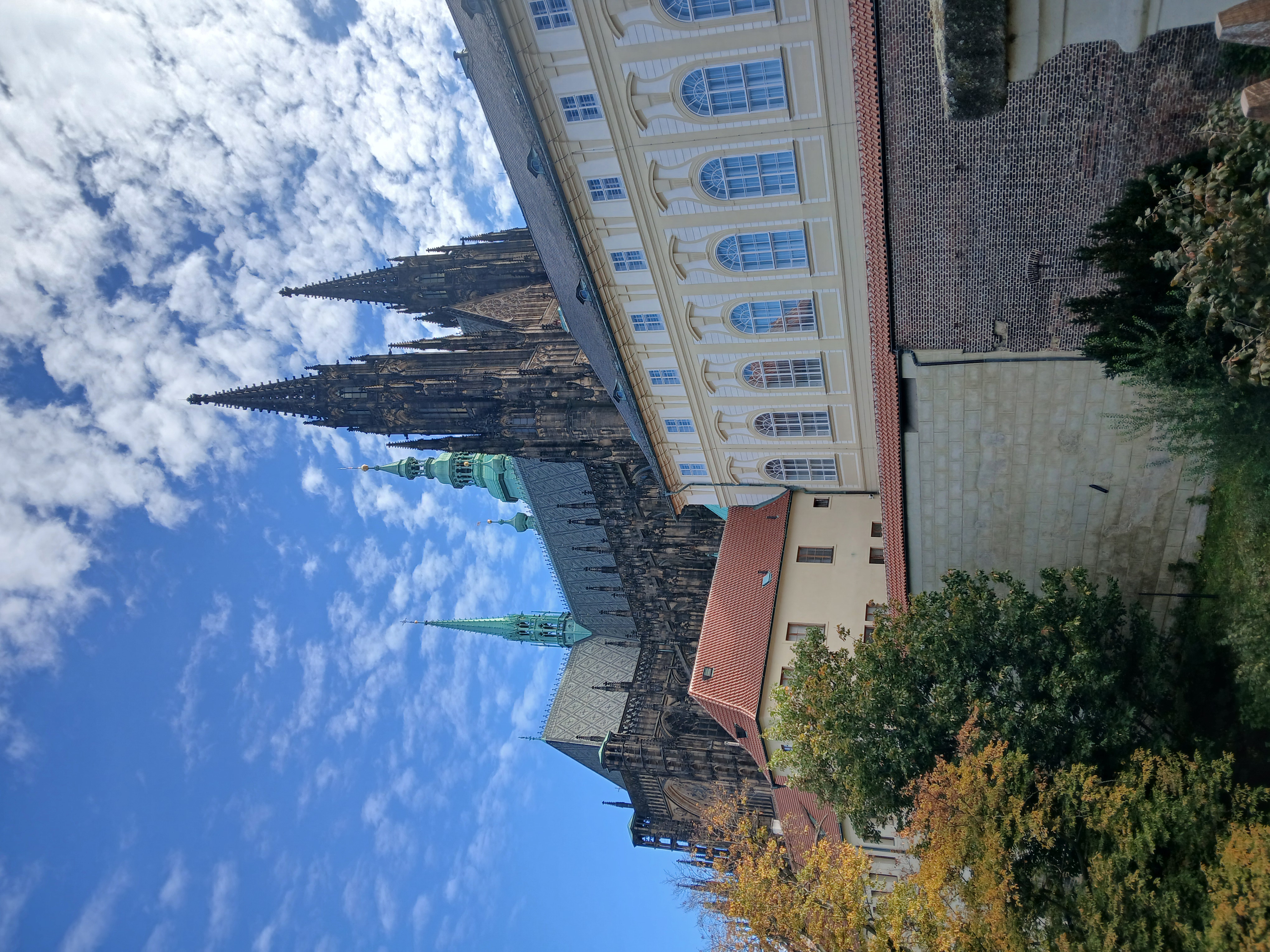
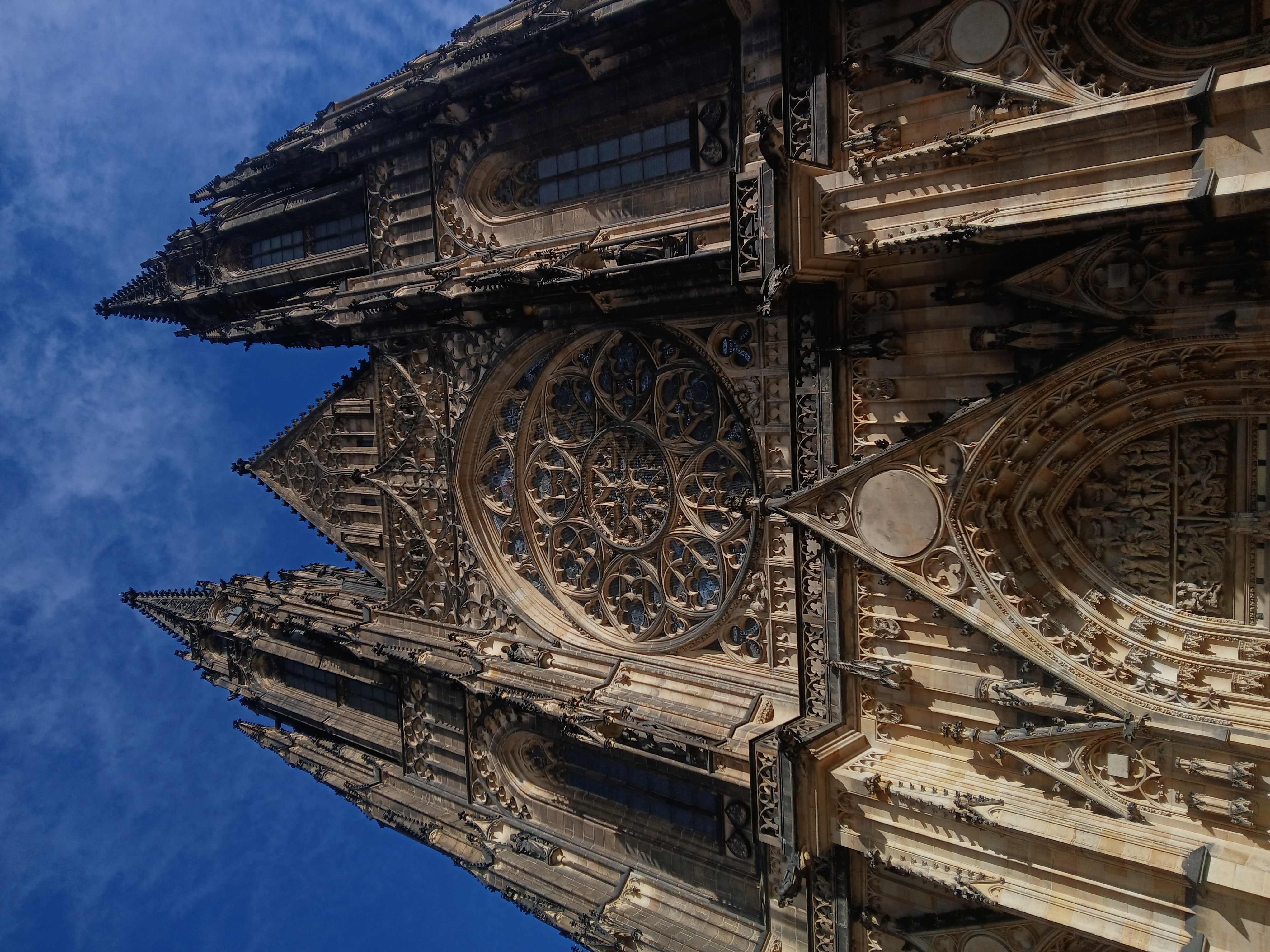
For me, the undisputed highlight of Prague Castle was the magnificent St Vitus Cathedral.
Officially known as the Cathedral of St Vitus, St Wenceslaus, and St Adalbert, this extraordinary Gothic building took almost 600 years to complete. Construction began in 1344 under Charles IV, but the cathedral wasn't finally finished until 1929. The exterior is breathtaking, with soaring towers, elaborate stonework, and enormous stained-glass windows. However, it's when you step inside that you really appreciate the scale and beauty of the building. The soaring vaulted ceilings, intricate chapels, and colourful stained glass are absolutely magnificent.
One of the most famous windows was designed by the Czech Art Nouveau artist Alfons Mucha in 1931. Its rich colours and distinctive artistic style make it quite different from the cathedral's more traditional stained glass, and it's well worth looking out for.
Another remarkable feature is the enormous silver tomb of St John of Nepomuk, whose statue you'll also encounter on Charles Bridge. The elaborate Baroque monument contains a staggering amount of silver and is one of the cathedral's most impressive treasures.
The cathedral also contains the tombs of several Bohemian rulers, including Charles IV, in its royal crypt. Unfortunately, it was extremely crowded when I visited, and I didn't manage to see the crypt. In fact, the sheer number of visitors made it difficult to appreciate some of the cathedral's finer details.
Nevertheless, I thought St Vitus Cathedral was absolutely magnificent and easily one of the highlights of my week in Prague.
My tip: Allow plenty of time for the cathedral, particularly if you enjoy architecture and stained glass. It's worth looking beyond the main nave and exploring the individual chapels where access is permitted.
The Old Royal Palace
After the grandeur of St Vitus Cathedral, I have to admit that I found the Old Royal Palace rather disappointing.
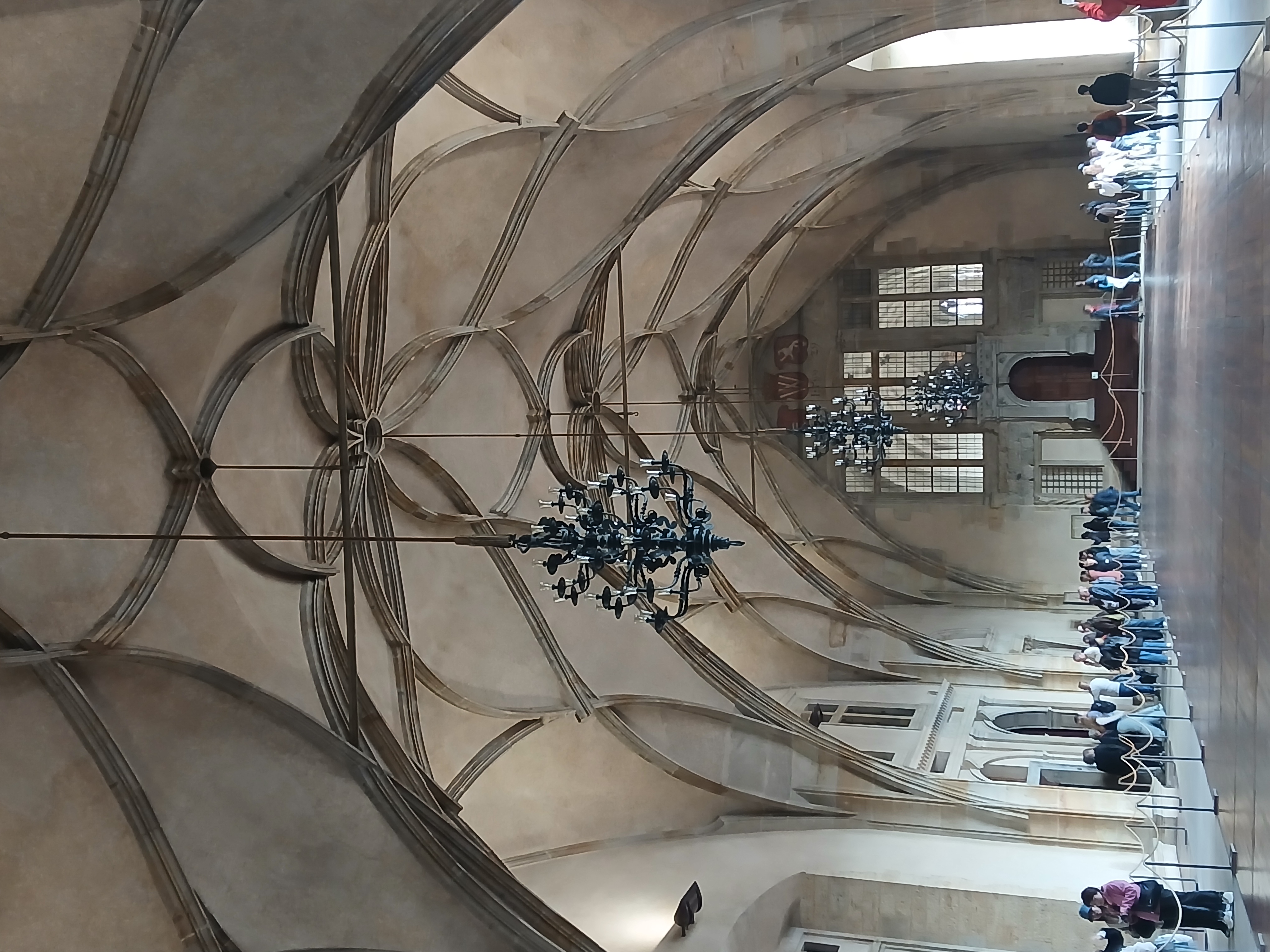
The palace was once the residence of Bohemian kings, and parts of the building date back to the medieval period. Over the centuries, it was extended and altered, reflecting changing architectural styles and the needs of successive rulers. Its most famous room is Vladislav Hall, a vast ceremonial space completed around the beginning of the 16th century. The hall is particularly notable for its extraordinary ribbed vaulted ceiling, an impressive example of late Gothic architecture. It was once used for royal banquets, coronation festivities, and even indoor jousting tournaments.
The palace is also associated with the famous Defenestration of Prague in 1618, when Protestant nobles threw two Catholic royal governors and their secretary from a window. The incident helped trigger the conflict that developed into the Thirty Years' War.
With such a fascinating history, I'd expected the palace interiors to be particularly interesting. Unfortunately, I found much of the building rather plain. Several rooms were closed during my visit, and the areas that were accessible were extremely crowded.
There was also a balcony offering views across Prague, but a large group of schoolchildren occupied the space while I was there, and 'normal' tourists were banned from thre area.
I appreciated the historical significance of the palace, particularly Vladislav Hall, but it didn't quite live up to my expectations.
My tip: If you're visiting the Old Royal Palace, take time to admire the extraordinary ceiling of Vladislav Hall. However, don't expect lavishly furnished royal apartments or extensive decorative interiors.
St George's Basilica
St George's Basilica was a very different experience, and one I thoroughly enjoyed.
Founded in the 10th century, it's one of Prague's oldest surviving churches and an important example of Romanesque architecture.
From the outside, the basilica is immediately recognisable by its striking red Baroque façade, which contrasts with the much older medieval structure behind it.
Inside, the atmosphere is quite different from the grandeur of St Vitus Cathedral. The interior is relatively simple, with thick stone walls, rounded arches, and a sense of history that I found particularly appealing. Although there were plenty of visitors, I managed to find somewhere to sit quietly for a while and appreciate the architecture and medieval artwork.
The basilica is also associated with St Ludmila, an early Bohemian saint and grandmother of St Wenceslaus, whose tomb can be found here.
I loved the contrast between the two churches. Where St Vitus Cathedral overwhelms you with its scale and decoration, St George's Basilica feels much more intimate and contemplative.
For me, it was one of the most enjoyable parts of the castle complex.
My tip: Don't rush through St George's Basilica on your way to the next attraction. Take a few minutes to sit quietly and appreciate the simplicity of its Romanesque interior.
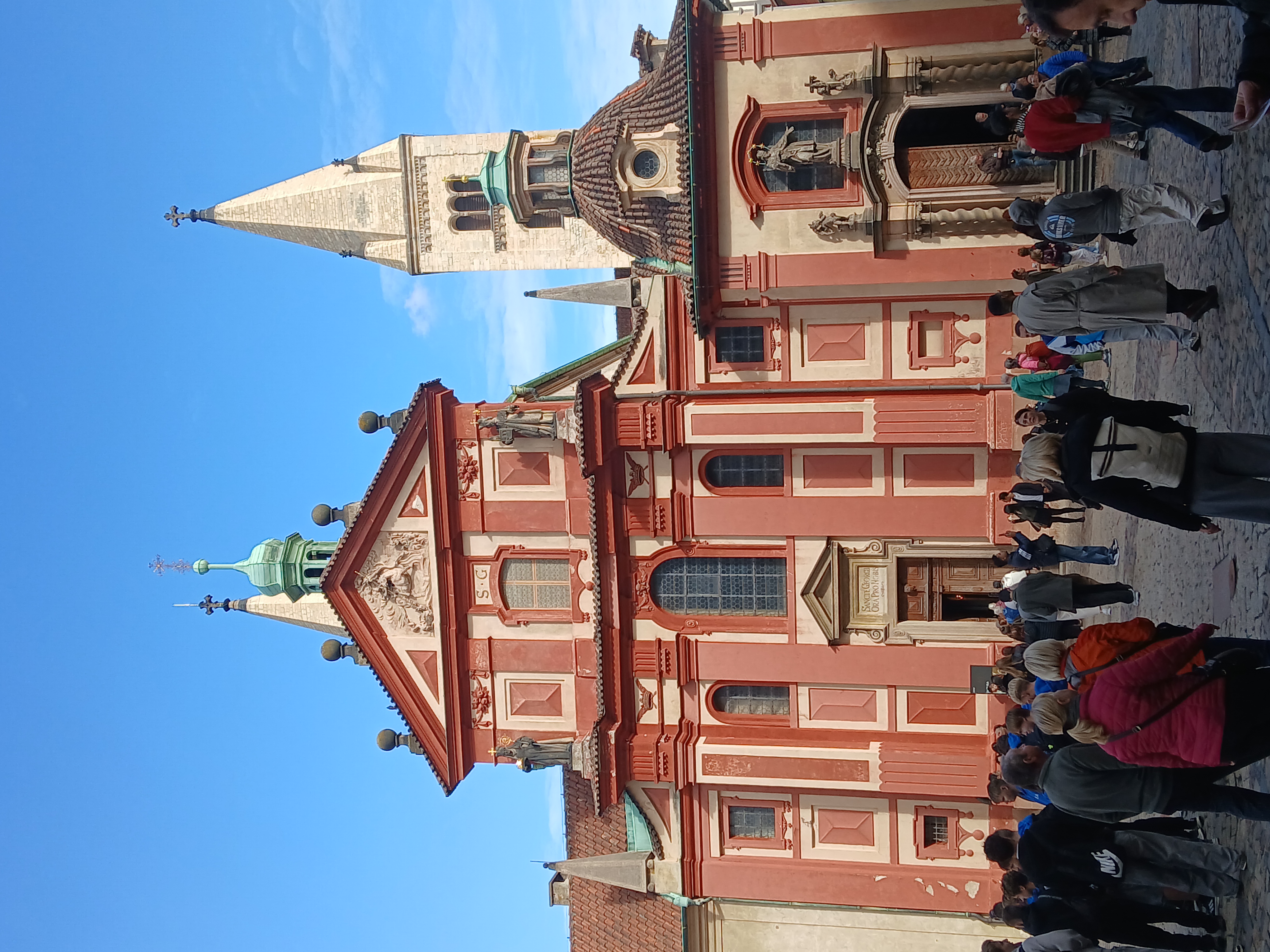
Golden Lane
Golden Lane is one of Prague Castle's most famous attractions, but I have to admit that it was probably my biggest disappointment of the visit. This narrow street is lined with tiny, brightly painted houses that once provided accommodation for people working within the castle complex.
During my earlier walking tour, Micha had compared Golden Lane to the Shambles in York, one of England's most atmospheric medieval streets. Having visited the Shambles many times, I was particularly looking forward to seeing Golden Lane. Unfortunately, I couldn't see much resemblance!
Although the houses have historical origins, their present appearance owes a great deal to restoration work carried out during the 20th century, particularly in the 1950s. To me, the brightly painted cottages looked rather too new, and the narrow street was packed with tourists. Many of the buildings now contain souvenir shops or small displays, which added to the feeling that I was visiting a tourist attraction rather than discovering an atmospheric historic street.
One interesting detail is the connection with Franz Kafka, who used house number 22, belonging to his sister Ottla, as a place to write during 1916 and 1917.
I appreciated the history of the street, but personally, I found the experience rather underwhelming.
Of course, that's entirely subjective. Plenty of visitors love Golden Lane, and you may well feel differently.
My tip: Golden Lane is included in the main castle circuit ticket, so it's worth having a look if you've already paid for admission. Just be prepared for crowds, particularly during the busiest parts of the day.
Is Prague Castle Worth Visiting?
Despite my mixed feelings about some of the individual attractions, I'd absolutely recommend visiting Prague Castle. The sheer scale of the complex, its extraordinary history, and the variety of architectural styles make it one of the most important places to explore in Prague.
For me, St Vitus Cathedral was the outstanding highlight, closely followed by the peaceful Romanesque interior of St George's Basilica.
The Old Royal Palace and Golden Lane were less impressive than I'd expected, but both offered interesting glimpses into different periods of Prague's history.
My tip: Allow at least three to four hours to explore the castle complex, and longer if you enjoy taking your time inside historic buildings. Wear comfortable shoes, expect crowds, and check the ticket options before visiting so you know which attractions are included.
Even if you don't enter every building, the castle courtyards and surrounding viewpoints are worth exploring for their architecture and wonderful views across Prague.
6. Explore Lesser Town (Malá Strana)
On the western bank of the River Vltava, between Charles Bridge and Prague Castle, lies Lesser Town, known locally as Malá Strana. Despite its name, there's nothing particularly lesser about this beautiful historic neighbourhood. In fact, I thought it was one of the loveliest areas of Prague to explore.
Established as a royal town in 1257, Malá Strana developed beneath the castle and became home to wealthy nobles, merchants, and religious communities. Much of its present appearance dates from the Baroque period, when magnificent palaces, churches, and elegant townhouses transformed the neighbourhood.
Today, it's a wonderful area for wandering, with cobbled streets, colourful historic buildings, hidden courtyards, and beautiful architectural details.
One of the things I particularly enjoyed about Prague was simply setting off on foot and seeing what I discovered. Lesser Town is perfect for this, especially if you wander away from the busiest routes between Charles Bridge and Prague Castle.
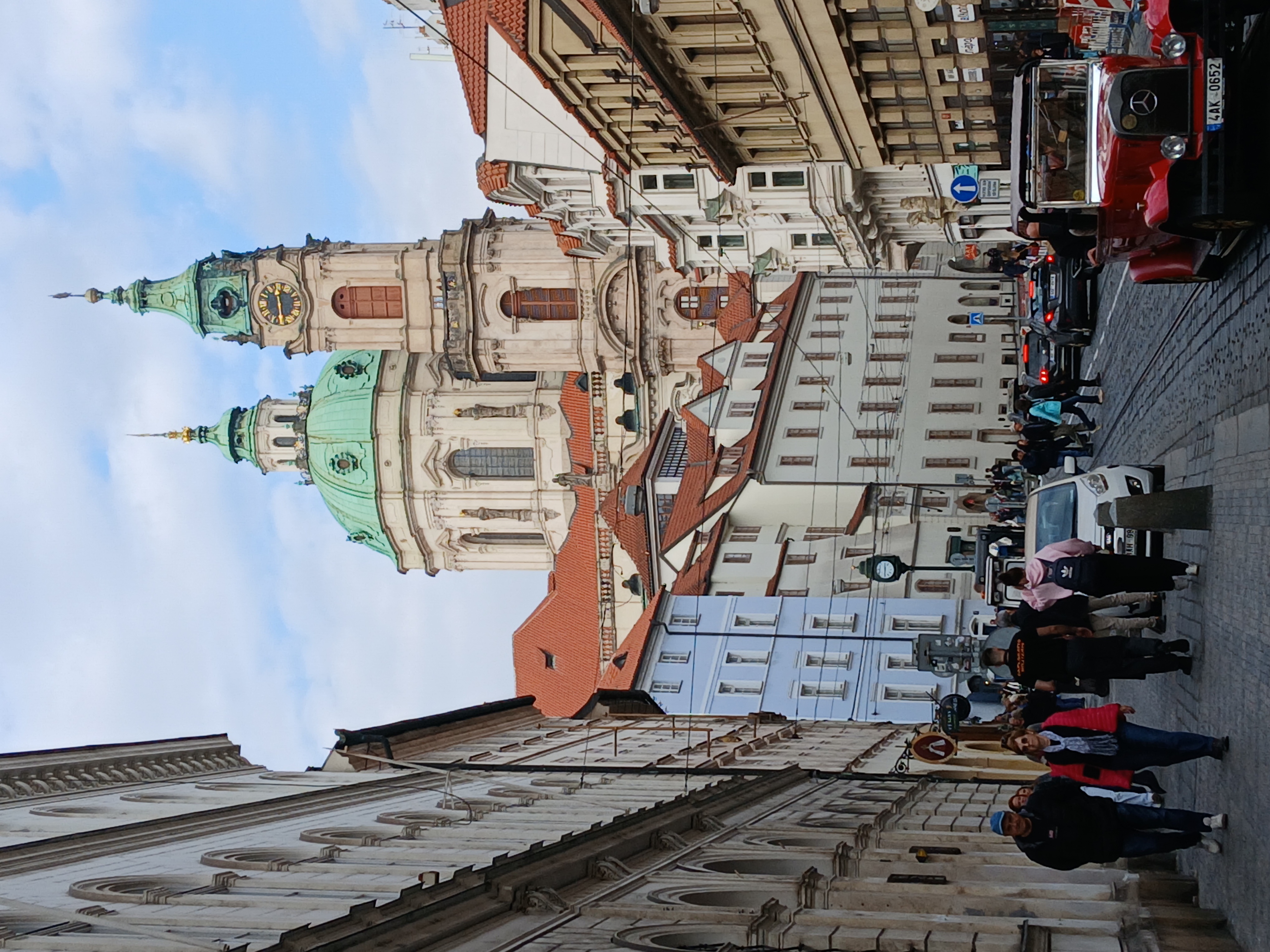
Discover Lesser Town Square
At the heart of the neighbourhood is Lesser Town Square (Malostranské náměstí), surrounded by historic buildings and dominated by the magnificent Church of St Nicholas. This spectacular Baroque church is one of Prague's architectural treasures, with an enormous green dome and an elegant bell tower that are visible from several parts of the city.
It's worth noting that this is a different St Nicholas Church from the one in Old Town Square, which I visited during my stay.
Even if you don't go inside, the exterior of the Lesser Town church is impressive, and the surrounding streets are well worth exploring.
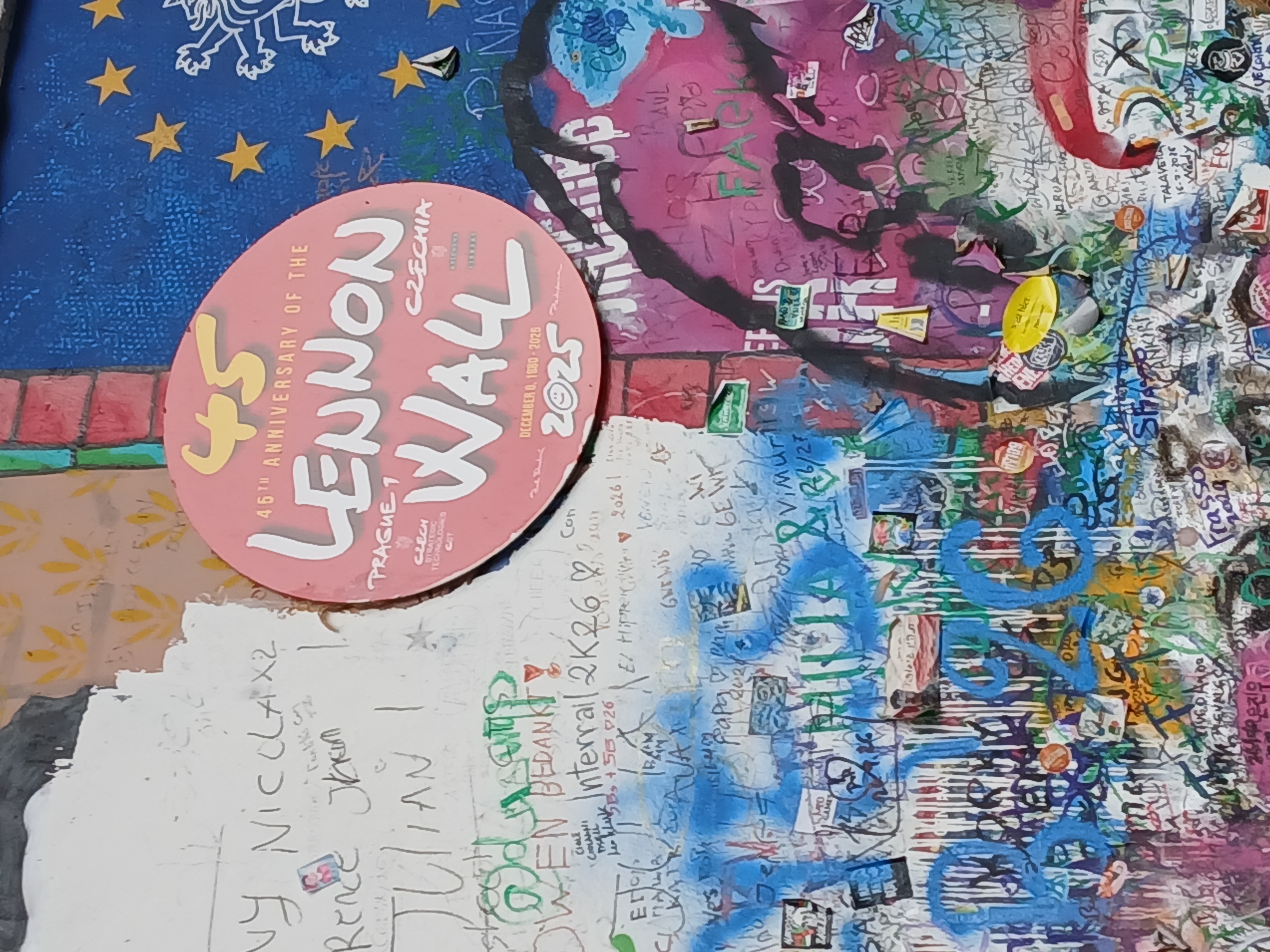
Visit the Lennon Wall
Another of Lesser Town's most unusual attractions is the Lennon Wall, a colourful collection of graffiti, murals, messages, and artwork inspired by John Lennon and the ideals of peace and freedom.
Following Lennon's death in 1980, the wall became a place where young Czechs expressed their admiration for his music, along with messages of hope and resistance during the Communist era. Despite repeated attempts by the authorities to paint over the graffiti, new messages continued to appear. Today, the wall is an ever-changing piece of public art, covered with colourful images, song lyrics, and messages from visitors around the world.
It's a very different attraction from Prague's medieval churches and historic palaces, but one that offers an interesting glimpse into the city's more recent history.
Wander Around Kampa Island
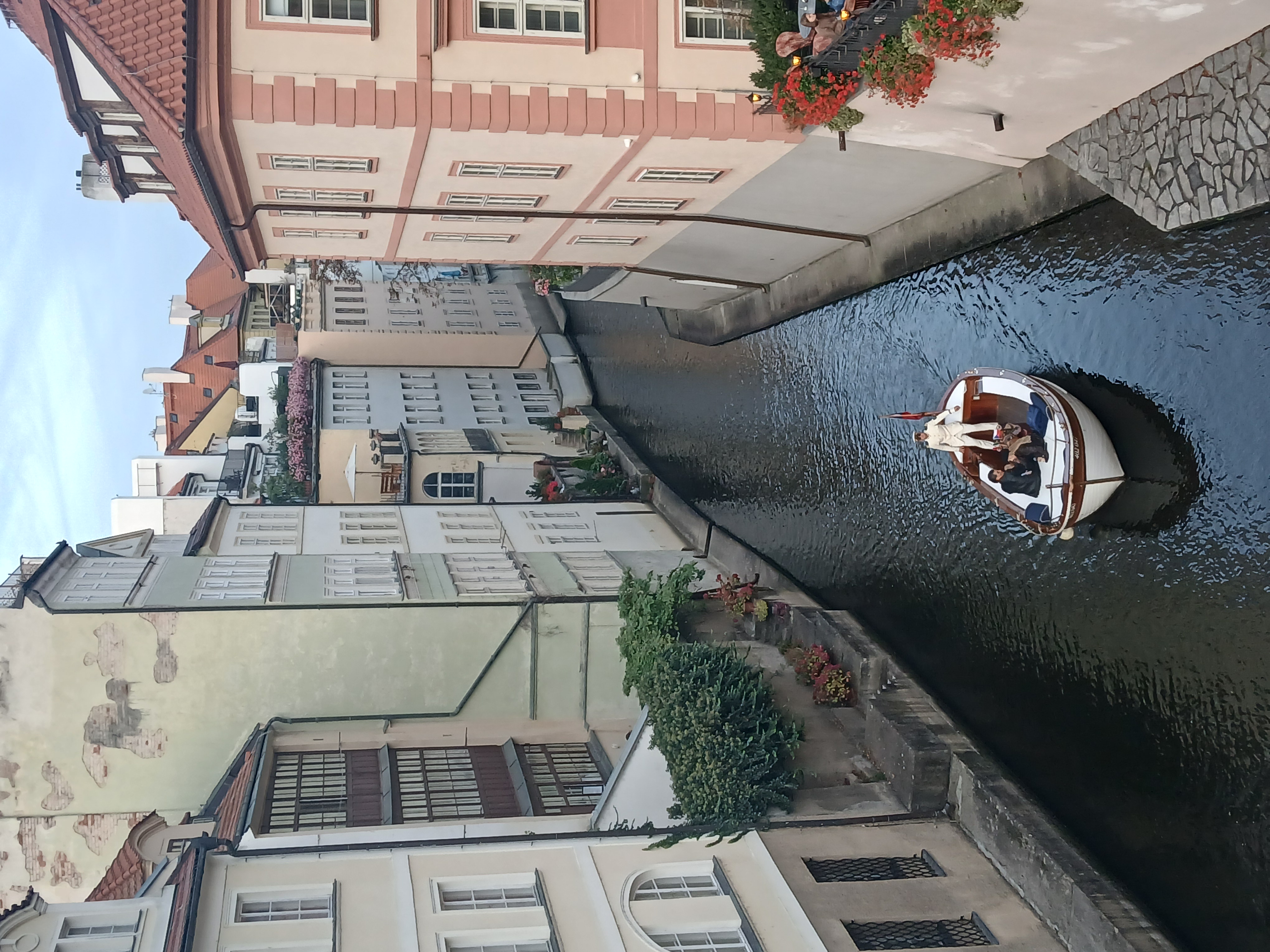
Just a short walk from Charles Bridge is Kampa Island, a picturesque area separated from Lesser Town by the narrow Čertovka canal.
Sometimes described as one of Prague's most romantic corners, Kampa is known for its waterside setting, historic buildings, and pleasant green spaces. It's a lovely place to wander, particularly if you're looking for somewhere a little quieter than the streets around Charles Bridge. The canal is sometimes called Prague's Little Venice, and I was particularly interested in this part of the city because my Prague Venice boat trip took me along the waterway in one of the traditional wooden boats.
Kampa also has a more contemporary side, with the Kampa Museum specialising in modern art and several unusual public sculptures in the surrounding area.
Is Lesser Town Worth Visiting?
Definitely. In fact, I'd recommend allowing plenty of time to explore Lesser Town rather than treating it simply as the route between Charles Bridge and Prague Castle.
It's an area where you can appreciate Prague's beautiful architecture, discover quieter streets, dine in a quirky restaurant, and enjoy a slightly different atmosphere from the busy Old Town.
My tip: Combine a visit to Lesser Town with Prague Castle or Charles Bridge, but don't rush between the major attractions. Allow time to explore the side streets, admire the buildings, and see what you discover along the way.
And if you enjoy walking, Lesser Town is also a natural starting or finishing point for a visit to Petřín Hill, which offers wonderful views across the city.
7. Admire the Unusual Architecture of the Dancing House
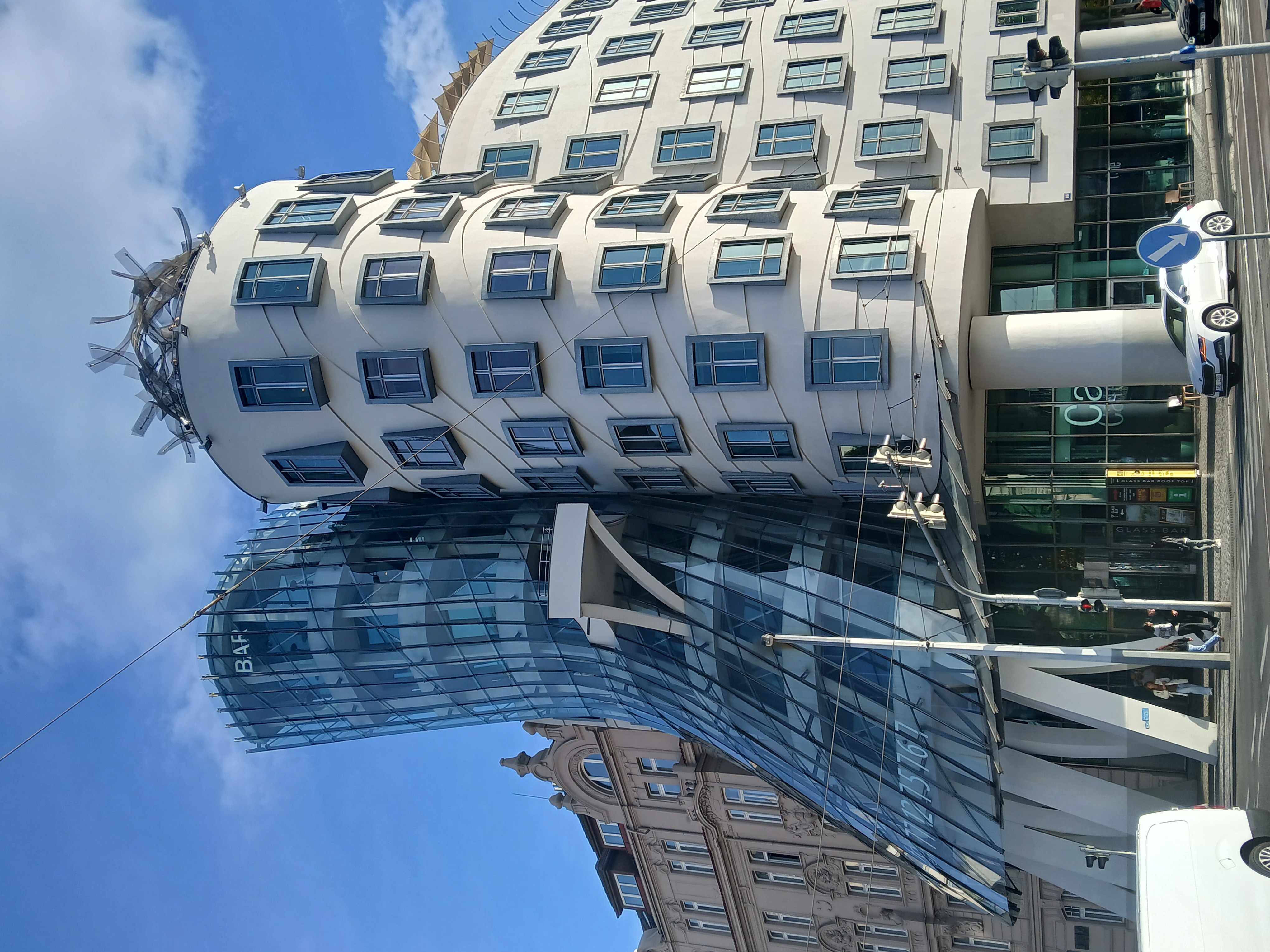
Prague is famous for its medieval and Baroque architecture, but one of its most unusual buildings is considerably more modern. The Dancing House, known locally as Tančící dům, stands beside the River Vltava in Prague's New Town, and its extraordinary design makes it immediately recognisable.
Completed in 1996, the building was designed by Czech architect Vlado Milunić in collaboration with the internationally renowned Canadian-American architect Frank Gehry. Its two distinctive towers appear to lean towards one another, creating the impression of a couple dancing. This has earned the building the nickname Fred and Ginger, after the famous Hollywood dancing partners Fred Astaire and Ginger Rogers.
One tower is constructed largely from glass and curves inwards, while the other has a more solid appearance, with irregularly positioned windows and a distinctive sculptural roof. The result is a striking contrast to the more traditional buildings surrounding it.
The Dancing House occupies a site where an earlier building was destroyed during an American bombing raid in 1945. Its construction in the 1990s was part of a period of architectural renewal following the end of Communist rule. When the design was first proposed, it caused considerable controversy because it was so different from Prague's historic architecture. Today, however, it has become one of the city's best-known modern landmarks.
I visited the Dancing House after attending a chimney cake-making workshop nearby, and I was delighted to have the opportunity to admire this extraordinary building in person. I didn't go inside, but I spent some time looking at its unusual exterior and taking photographs. It's certainly unlike anything else I saw in Prague!
The building houses offices, a hotel, and a rooftop restaurant and bar, with views across the city.
Is the Dancing House worth visiting? I think so, particularly if you enjoy architecture or are interested in seeing a different side of Prague.
You don't need to pay an entrance fee simply to admire the building from outside, and it's an interesting stop if you're walking along the river or exploring New Town.
My tip: Take a little time to walk around the building and admire it from different angles. Its unusual curves and contrasting materials make it particularly interesting to photograph, especially when you can include some of the surrounding historic architecture.
8. Discover Prague's Beautiful Churches
One of the things that struck me about Prague was the extraordinary number of churches. It seemed that wherever I walked, another magnificent dome, Gothic tower, or Baroque façade appeared above the rooftops.
During my walking tour, Micha told us that there were hundreds of churches in central Prague, many of which are no longer used exclusively for religious worship. She explained that the Czech Republic is now a largely secular country, and that some former religious buildings have found new purposes as museums, exhibition spaces, concert venues, and other attractions.
Many churches still hold religious services, of course, but they also play an important role in Prague's cultural life. For visitors, this creates some wonderful opportunities to explore extraordinary historic interiors, often while enjoying music or art. I visited several churches during my week in Prague, but two particularly stood out.
St Nicholas Church in Old Town Square
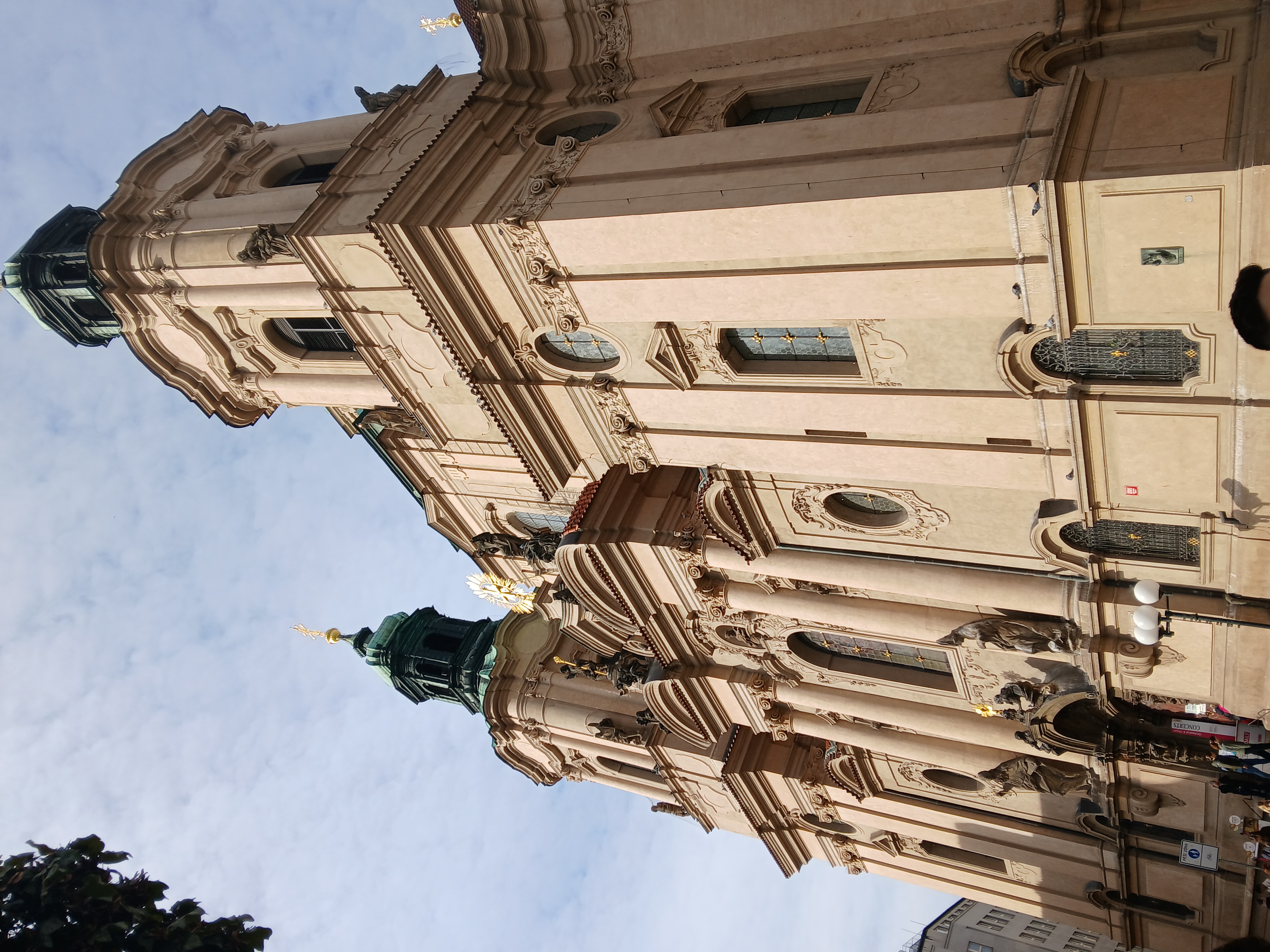
Not to be confused with the equally magnificent St Nicholas Church in Lesser Town, this beautiful Baroque church stands on one side of Prague's Old Town Square.
The present building was constructed between 1732 and 1737 to designs by the renowned architect Kilián Ignác Dientzenhofer, replacing an earlier medieval church.
From outside, it's an impressive building, with an elegant white façade, twin towers, and a magnificent dome. But I thought the interior was even more beautiful. The elaborate ceiling frescoes, decorative plasterwork, and wonderful sense of space make it a lovely place to explore. One of its most striking features is an enormous crown-shaped crystal chandelier hanging beneath the dome. It's quite extraordinary, and something you certainly don't expect to find when you first step through the doors.
The church has had a complicated religious history, having been associated with several different Christian traditions over the centuries. Today, it belongs to the Czechoslovak Hussite Church and is used for both worship and concerts.
My tip: If you're exploring Old Town Square, take a few minutes to step inside St Nicholas Church. It's easy to concentrate on the Astronomical Clock and the surrounding buildings without realising what a beautiful interior is waiting just behind the church's doors.
St Francis of Assisi Church and an Evening Classical Concert
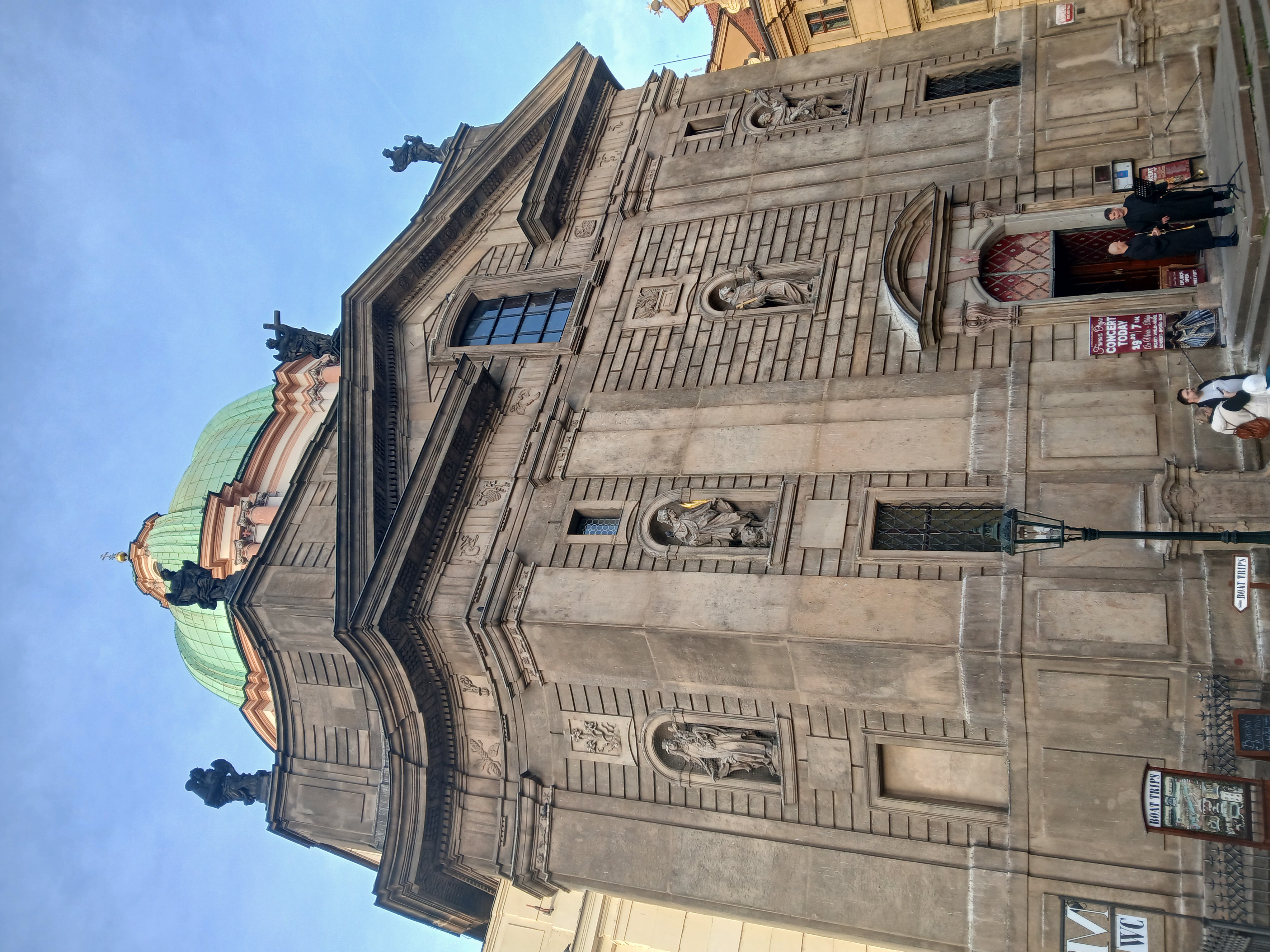
One of my favourite cultural experiences in Prague was attending an evening classical music concert at the beautiful Church of St Francis of Assisi, close to the Old Town end of Charles Bridge.
The present church was built in the late 17th century for the Knights of the Cross with the Red Star, a religious order with a long association with this part of Prague. Its Baroque interior is absolutely magnificent, with elaborate decoration, beautiful artwork, and a soaring dome.
The church is also famous for its historic organ, dating from 1702, which is among the oldest surviving organs in Prague. I attended a concert featuring organ music, flute, and a mezzo-soprano singer. Even though I'm not a fan of classical music, there was something particularly special about listening to it in such an extraordinary setting. The sound filled the church beautifully, and the combination of the music and the magnificent surroundings made it an evening I'll remember for a long time.
My tip: Look out for evening concerts in Prague's historic churches. They offer a wonderful opportunity to appreciate the interiors while enjoying a cultural experience. Check the programme carefully, as different concerts feature different combinations of instruments, singers, and musical styles.
Are Prague's Churches Worth Visiting?
Absolutely, even if you're not particularly interested in religion.
For me, the churches were among Prague's most beautiful historic buildings, and they offered fascinating insights into the city's architecture, art, and cultural history. Some charge admission, while others welcome visitors free of charge or open their doors for concerts and exhibitions.
I'd recommend visiting at least a couple during your stay, particularly if you enjoy architecture or classical music. And don't overlook the smaller churches. Sometimes the most memorable discoveries are the ones you weren't particularly planning to visit.
9. Take a Boat Trip on the River Vltava
One of the loveliest ways to see Prague from a different perspective is to take a boat trip along the River Vltava.
There are plenty of sightseeing cruises to choose from, ranging from large riverboats to evening dinner cruises, but I opted for a trip with Prague Venice, which operates smaller, traditional-style wooden boats. I thoroughly enjoyed the experience, and it was a lovely way to see some of Prague's most famous landmarks from the water.
My Prague Venice Boat Trip
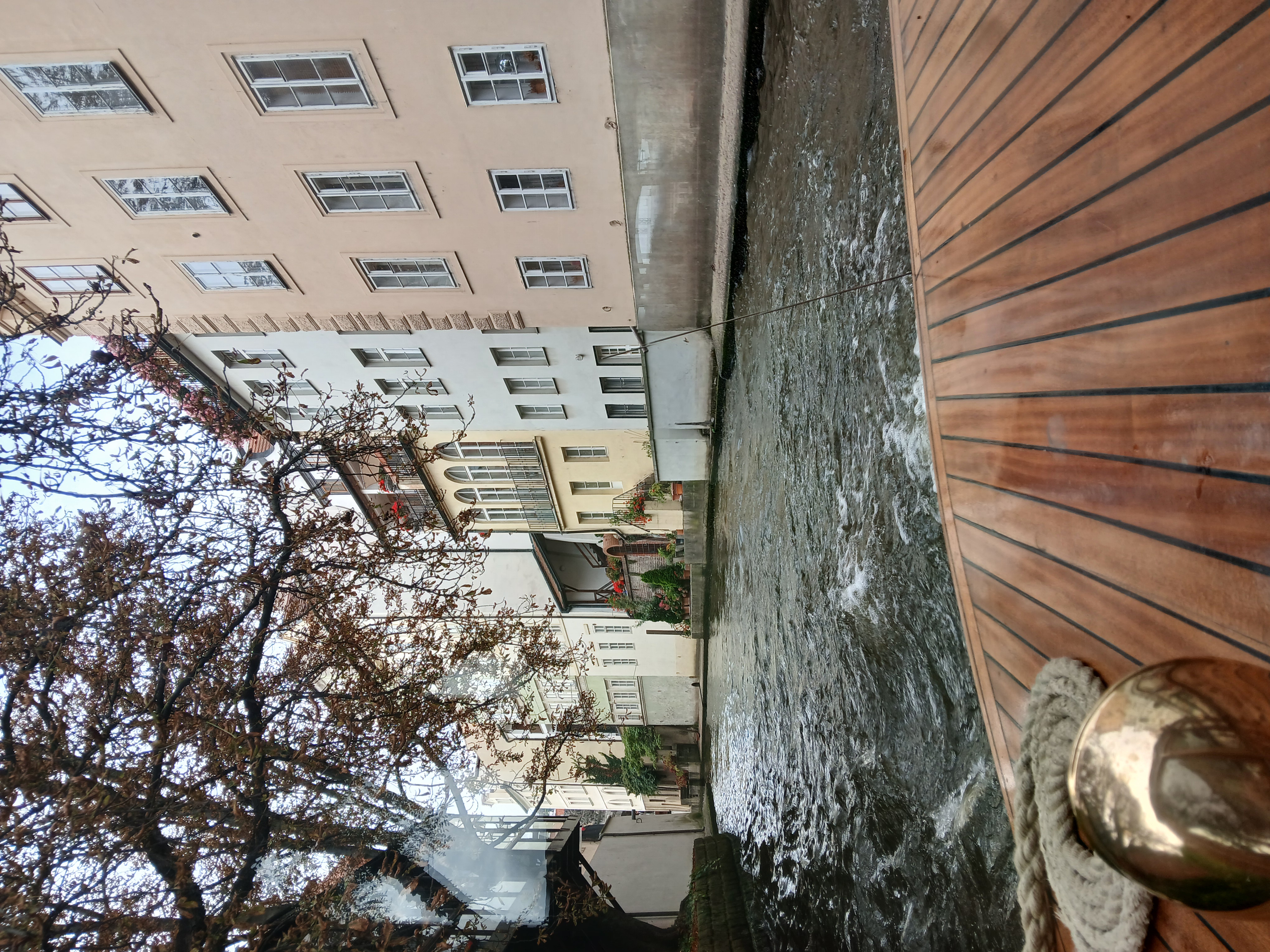
The Prague Venice boats depart from a landing stage beneath Charles Bridge, which is an attraction in itself. Rather than boarding one of the larger sightseeing vessels, I stepped aboard a beautifully maintained wooden boat with a covered seating area and windows along the sides. The cruise lasted approximately 50 minutes and took us along the River Vltava, beneath Charles Bridge, and into the narrow Čertovka canal.
This was one of the things that particularly appealed to me about the trip. The canal separates Kampa Island from Lesser Town and is sometimes nicknamed Prague's Little Venice. Travelling along the narrow waterway gave me a completely different view of the city, with historic buildings, waterside architecture, and little corners that are difficult to appreciate from the streets.
We also enjoyed views of Charles Bridge and the surrounding historic buildings from the river.
Unfortunately, the weather wasn't particularly kind to me that morning. It was cloudy and misty, so the boat's windows remained closed, which made taking photographs a little more difficult.
Nevertheless, I really enjoyed the journey.
There was multilingual audio commentary explaining the history of the places we passed, so it was an interesting experience as well as a relaxing one.
Coffee and Gingerbread on Board
One unexpected pleasure was the refreshment included with the ticket. I chose a black coffee, which was very welcome on a rather chilly morning, and we were also given a piece of gingerbread. This wasn't quite the gingerbread I was expecting. It had a delicious blueberry and date filling, and I enjoyed it so much that it became one of the memorable little details of the trip.
Visit the Charles Bridge Museum
Another bonus of the Prague Venice cruise is that the ticket includes admission to the Charles Bridge Museum. The museum is located close to the boat departure point, making it easy to combine the two attractions.
I found it surprisingly interesting, particularly the exhibits explaining how Charles Bridge was constructed during the 14th century. There was also information about the earlier Judith Bridge, which stood on the site before being destroyed by flooding in 1342.
Having already learned about Charles IV and the bridge's history during my walking tour, I enjoyed discovering more about the engineering and construction techniques involved.
The museum also has a rather inviting café with a selection of pastries. I didn't stop for anything to eat, but it looked like a pleasant place to relax after the cruise.
Is the Prague Venice Boat Trip Worth It?
I thought it was excellent and would happily recommend it.
It's not a long cruise, but I liked the smaller boat, the historical commentary, and the opportunity to explore the Čertovka canal as well as the main river. The included coffee, gingerbread, and museum admission made it feel like a particularly good experience.
If you're hoping to take lots of photographs, you might prefer a clear, sunny day when visibility is better. However, even on a misty morning, I found the trip thoroughly enjoyable.
My tip: Allow extra time to visit the Charles Bridge Museum before or after your cruise. It's easy to overlook, but I thought it added a great deal to the experience, particularly if you're interested in Prague's medieval history.
And if you're choosing between different Vltava cruises, check the route carefully. Not all boat trips include the narrow Čertovka canal, which was one of my favourite parts of this particular experience.
10. Explore Petřín Hill and Enjoy the Views Over Prague
One of my favourite discoveries in Prague was Petřín Hill, a beautiful green space rising above Lesser Town on the western side of the River Vltava. After several days exploring Prague's busy streets, churches, and historic attractions, I really appreciated the opportunity to spend some time surrounded by trees, gardens, and open spaces.
Take the Funicular Up Petřín Hill
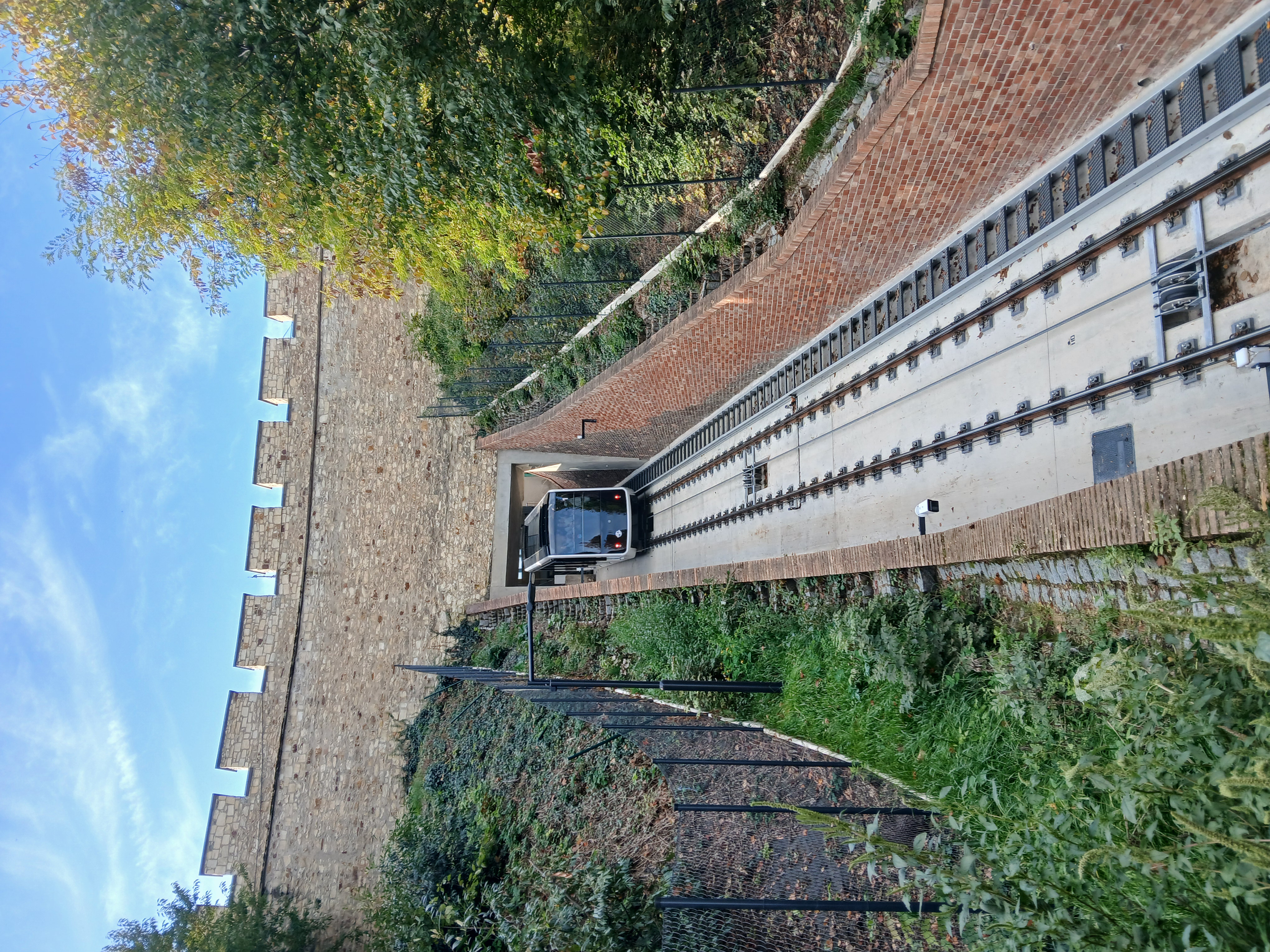
One of the easiest ways to reach the top of Petřín Hill is by funicular railway, which climbs the steep hillside from Újezd in Lesser Town.
The funicular has been part of Prague's transport network since 1891, although the system has undergone several modernisations over the years. I decided to take the funicular uphill and then walk back down through the gardens and woodland. There was quite a queue when I arrived, and I waited for around an hour before finally boarding. However, I enjoyed the journey up the hillside, particularly the views through the windows as we climbed above the rooftops of Prague.
At the time of my visit, a single funicular ticket cost 100 CZK, although it was also included in my 72-hour transport pass, which only cost 350 CZK.
My tip: Check the latest funicular operating arrangements and ticket prices before visiting. The service has undergone significant renovation work, and arrangements can change. If you enjoy walking, you can also reach the top using the paths through the park.
Admire Petřín Lookout Tower
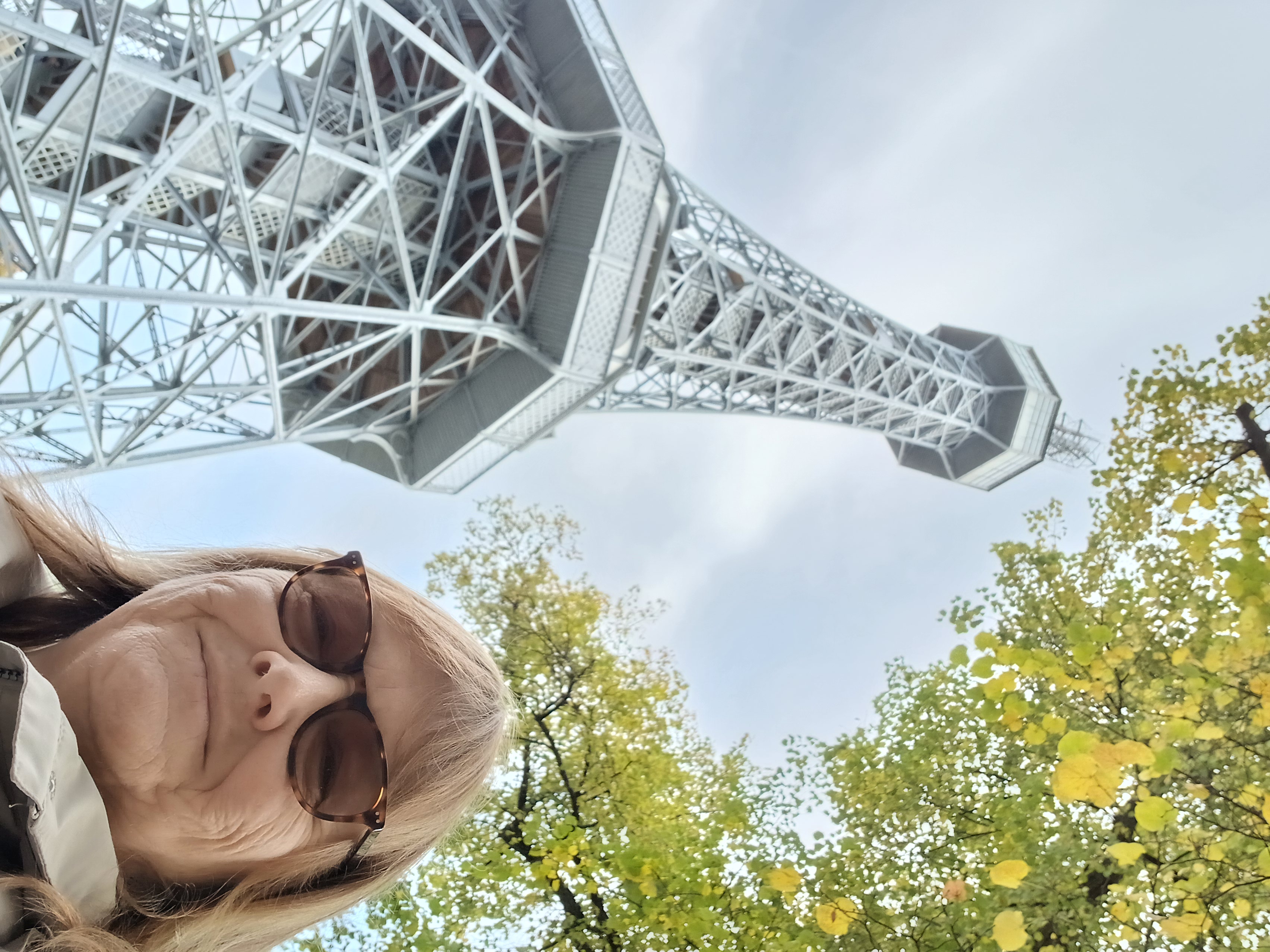
At the top of the hill stands Petřín Lookout Tower, one of Prague's most distinctive landmarks.
Built in 1891 for the Jubilee Exhibition, the steel observation tower was inspired by the Eiffel Tower in Paris, although it's considerably smaller. Standing approximately 63.5 metres tall, it offers panoramic views across Prague and the surrounding countryside. Visitors can climb the tower for an additional admission fee, and there's also a lift with access arrangements worth checking in advance.
I had originally considered going up, but when I saw the enormous queue and the admission price, I decided against it. And, to be honest, I didn't feel that I'd missed out. There are already some wonderful viewpoints around Petřín Hill, where you can enjoy views of Prague Castle, the River Vltava, Charles Bridge, and the city's beautiful red rooftops without paying to climb the tower.
Discover the Gardens and Green Spaces
What surprised me most about Petřín Hill was just how peaceful and spacious it felt.
I visited in October, and I certainly hadn't expected to find roses still blooming in the gardens. But there they were, adding splashes of colour to the autumn landscape. People were jogging, walking their dogs, reading books, and simply enjoying the surroundings. It felt like a place where local residents came to relax, rather than somewhere designed entirely for tourists. After the crowds around Charles Bridge and Prague Castle, I found the atmosphere wonderfully refreshing.
The hill is home to several gardens and landscaped areas, as well as monuments, historic buildings, and places to stop and enjoy the views.
I also came across the Štefánik Observatory, which opened in 1928. Although I'm not particularly interested in astronomy and didn't go inside, I enjoyed seeing the building and learning a little about its history.
There are also several interesting religious buildings on and around the hillside. I admired some of them from outside, but decided not to join the queues or pay the additional entrance fees.
For me, the real attraction was simply being outdoors and enjoying the surroundings.
Walk Back Down Through the Woodland
Rather than taking the funicular back down, I decided to follow the walking paths through the woodland towards Lesser Town.
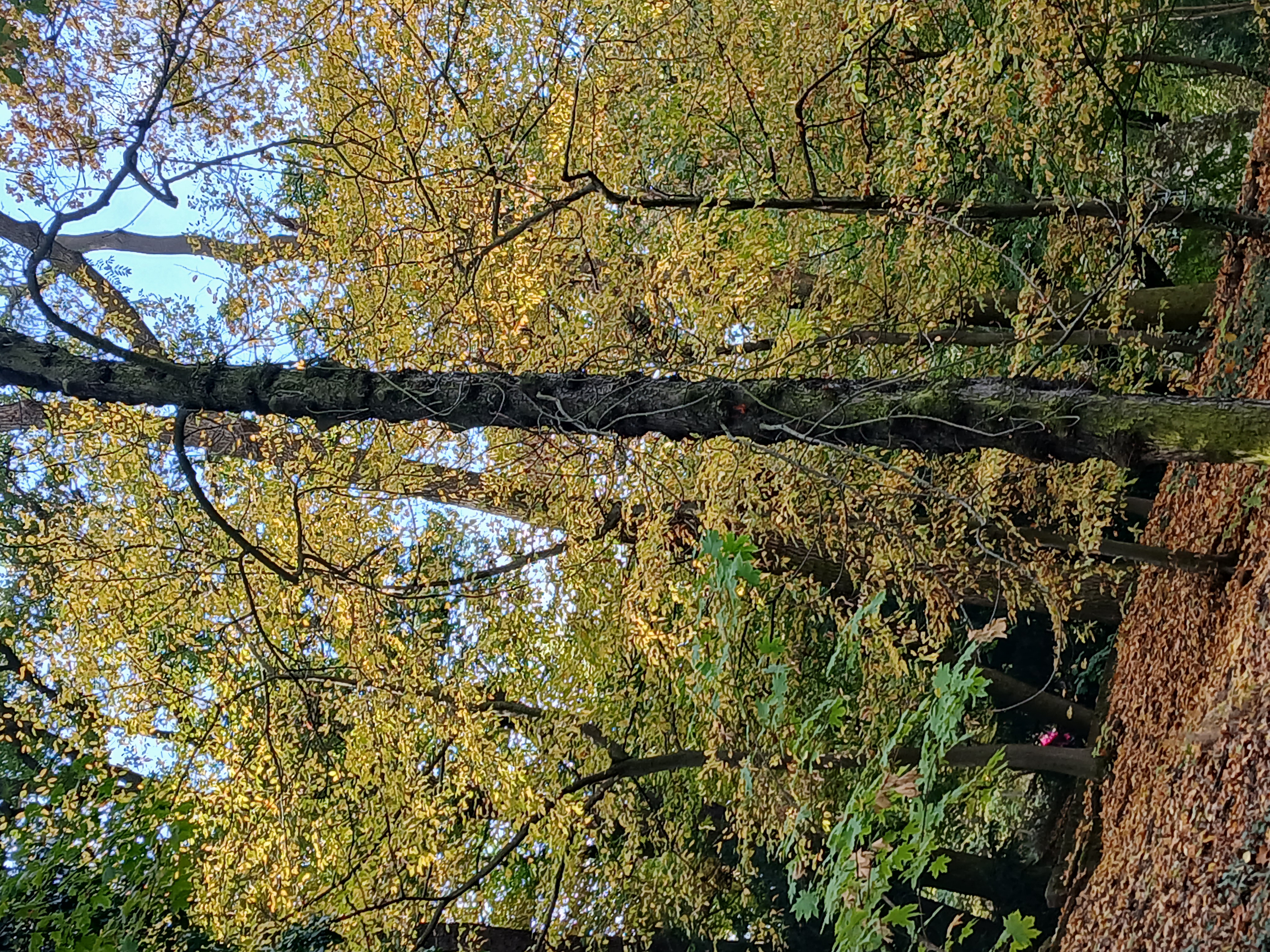
This turned out to be one of the highlights of my visit. The trees were displaying their autumn colours, and the paths wound gently down the hillside, occasionally crossing near the funicular route. Every so often, the trees opened up to reveal wonderful views across Prague. It was difficult to believe that I was still so close to the centre of a European capital city. The woodland was peaceful, the autumn colours were beautiful, and I thoroughly enjoyed having the freedom to wander at my own pace.
I think this is one of the great pleasures of solo travel. Sometimes the most memorable experiences are the ones that aren't particularly planned, when you simply follow a path because it looks interesting.
Is Petřín Hill Worth Visiting?
Absolutely. In fact, I'd recommend Petřín Hill even if you have no intention of climbing the lookout tower. It's a wonderful place to escape the busiest tourist areas, enjoy some fresh air, and see Prague from a different perspective.
If you enjoy gardens, walking, photography, or simply finding somewhere peaceful to sit for a while, I think you'll love it.
My tip: If you're able to manage the downhill walk, consider travelling up by funicular and returning on foot. You'll have the opportunity to enjoy the gardens, woodland paths, autumn colours, and some lovely viewpoints along the way.
Allow at least a couple of hours, and longer if you want to climb the tower, visit the observatory, or explore the gardens in more detail.
For me, Petřín Hill was a reminder that some of Prague's most enjoyable experiences don't have to involve expensive admission tickets or famous historic monuments. Sometimes a beautiful walk and a wonderful view are more than enough.
11. Learn to Make a Chimney Cake at a Prague Workshop
You can't spend much time wandering around Prague without noticing the enormous number of shops selling chimney cakes. Known as trdelník, these sweet pastries are made by wrapping strips of dough around a cylindrical mould, coating them in sugar, and baking them while they rotate.
The finished pastry is hollow, with a golden, slightly crisp exterior, and is often sprinkled with cinnamon, nuts, or other toppings. In Prague's tourist areas, you'll also find elaborate versions filled with ice cream, whipped cream, chocolate, and fruit.
Despite being marketed as a traditional Prague speciality, chimney cakes actually have a wider Central European history and aren't originally a Czech invention. Nevertheless, they've become an unmistakable part of Prague's tourist food scene, and I decided that rather than simply buying one, I'd have a go at making my own.
My Chimney Cake-Making Experience
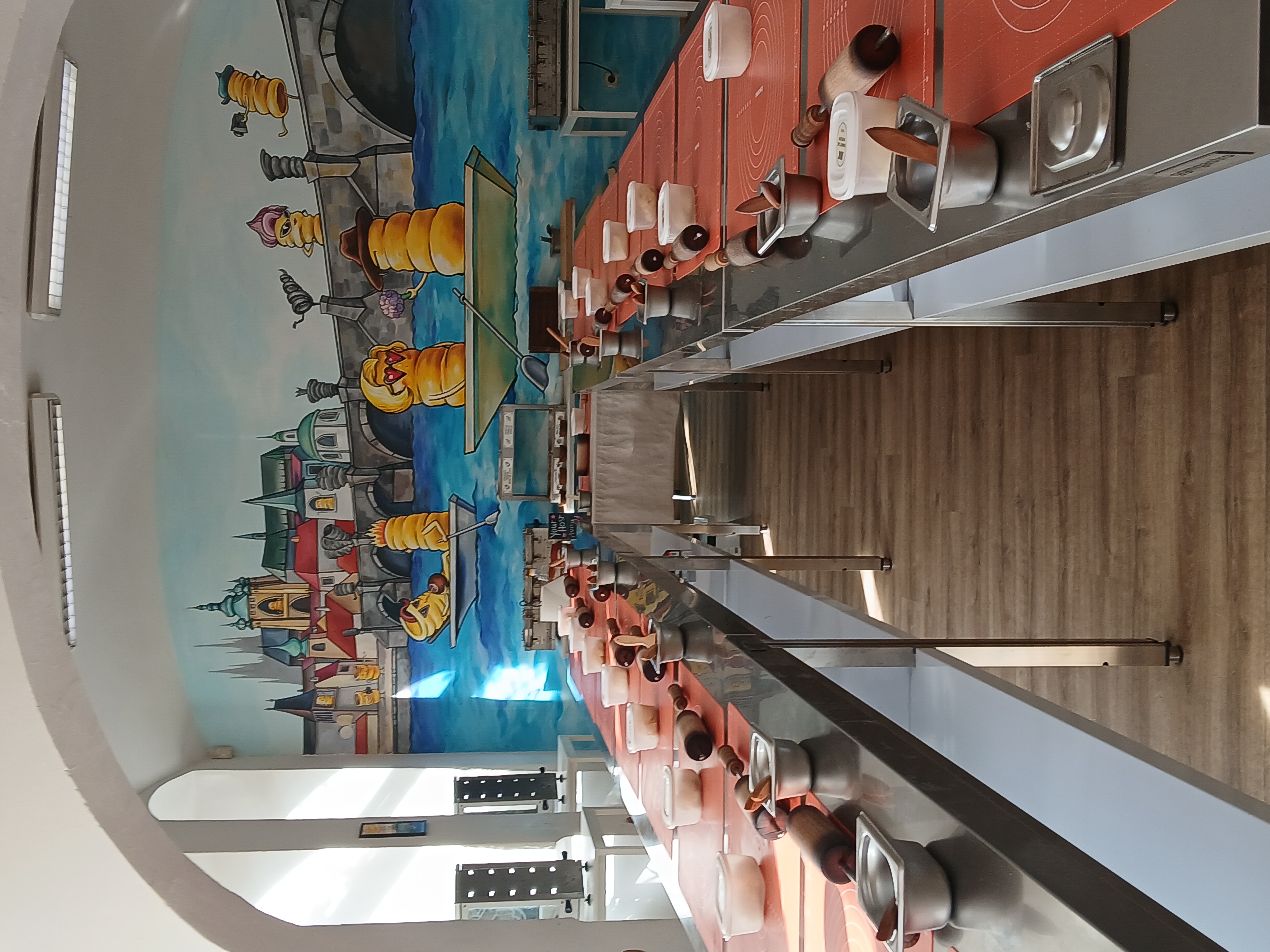
I booked a one-hour chimney cake workshop in Prague's New Town, not far from the Dancing House.
Our instructor, Lucy, was lovely, and we had quite an international group, including some Swiss students, an Austrian couple, two women from Basingstoke, and me. It was a relaxed, friendly atmosphere, and everyone seemed to enjoy getting involved.
We started with dough that had already been prepared and allowed to rise, so there was no need to spend hours mixing ingredients or waiting for yeast to do its work. Instead, we learned how to knead and shape the dough before wrapping it around the wooden cylindrical moulds used to create the cakes' distinctive hollow centres. We then brushed the dough with oil and rolled it in sugar before leaving it to rise again. The moulds were placed in a special rotating oven, where the cakes slowly turned as they baked, developing their golden, caramelised coating. Once they were ready, we could choose our toppings. I opted for walnuts.
One of the trickiest parts was removing the cooked cakes from their moulds without breaking them. I managed reasonably well, although a couple of the Swiss boys weren't quite so fortunate and ended up losing their cakes in the process!
It was all good fun, and Lucy guided us through each stage with plenty of patience and encouragement.
Did I Enjoy My Chimney Cake?
Well, I certainly enjoyed making it!
At the end of the workshop, we were presented with a certificate and a recipe so that we could recreate the cakes at home. I have to admit that I probably won't be making them in my own kitchen, but it was a nice souvenir.
I took my finished chimney cake to a nearby park and ate it later. And my verdict? It was perfectly pleasant, but I can't say I was completely overwhelmed by it. I enjoyed the workshop much more than I enjoyed eating the finished product!
However, I wasn't quite finished with chimney cakes.
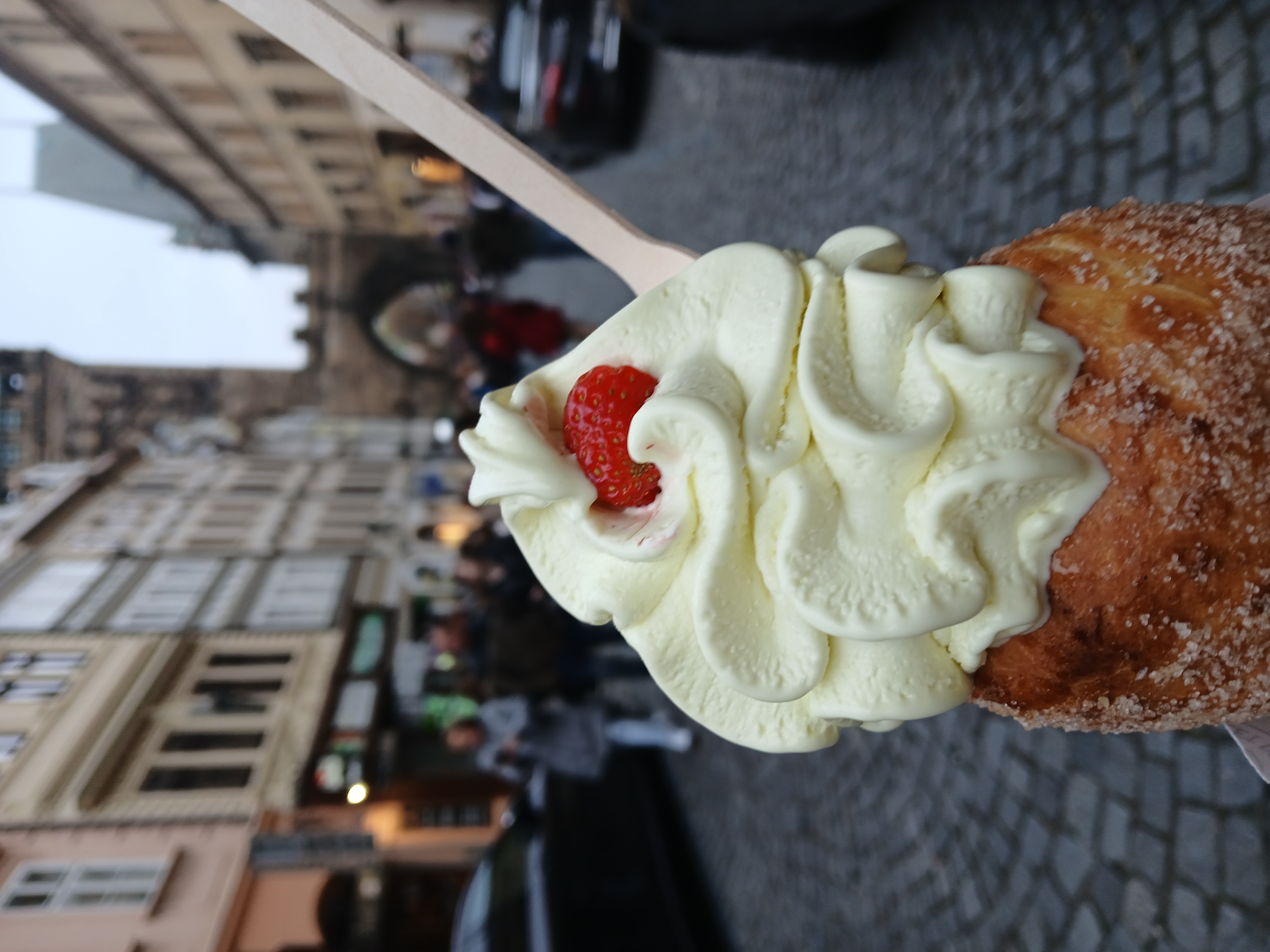
On my final evening in Prague, I bought one of the enormous versions filled with strawberry and vanilla ice cream. It looked spectacular, although I ended up eating the ice cream and saving most of the pastry for the following morning. In fact, my final Prague breakfast consisted of leftover chimney cake and two strong black coffees before heading to the airport. Not exactly a traditional Czech breakfast, but it certainly did the job!
Is a Chimney Cake Workshop Worth Doing?
I thought the workshop was a lovely experience and would happily recommend it, particularly if you're looking for something a little different from sightseeing. It's hands-on, sociable, and suitable for people who don't have any previous baking experience. You also get to learn how the cakes are made, enjoy a little food history, and take home a recipe.
For solo travellers, I think activities like this can be particularly enjoyable because they offer a natural opportunity to chat with other people without having to organise anything yourself.
My tip: Don't feel that you have to love chimney cakes to enjoy the workshop. I wasn't particularly enthusiastic about the finished pastry, but I had a thoroughly enjoyable hour making it.
And if you want to try one of the elaborate ice cream-filled versions sold around Prague, I'd recommend sharing it with someone. They're enormous!
12. Explore Prague's Historic Jewish Quarter (Josefov)
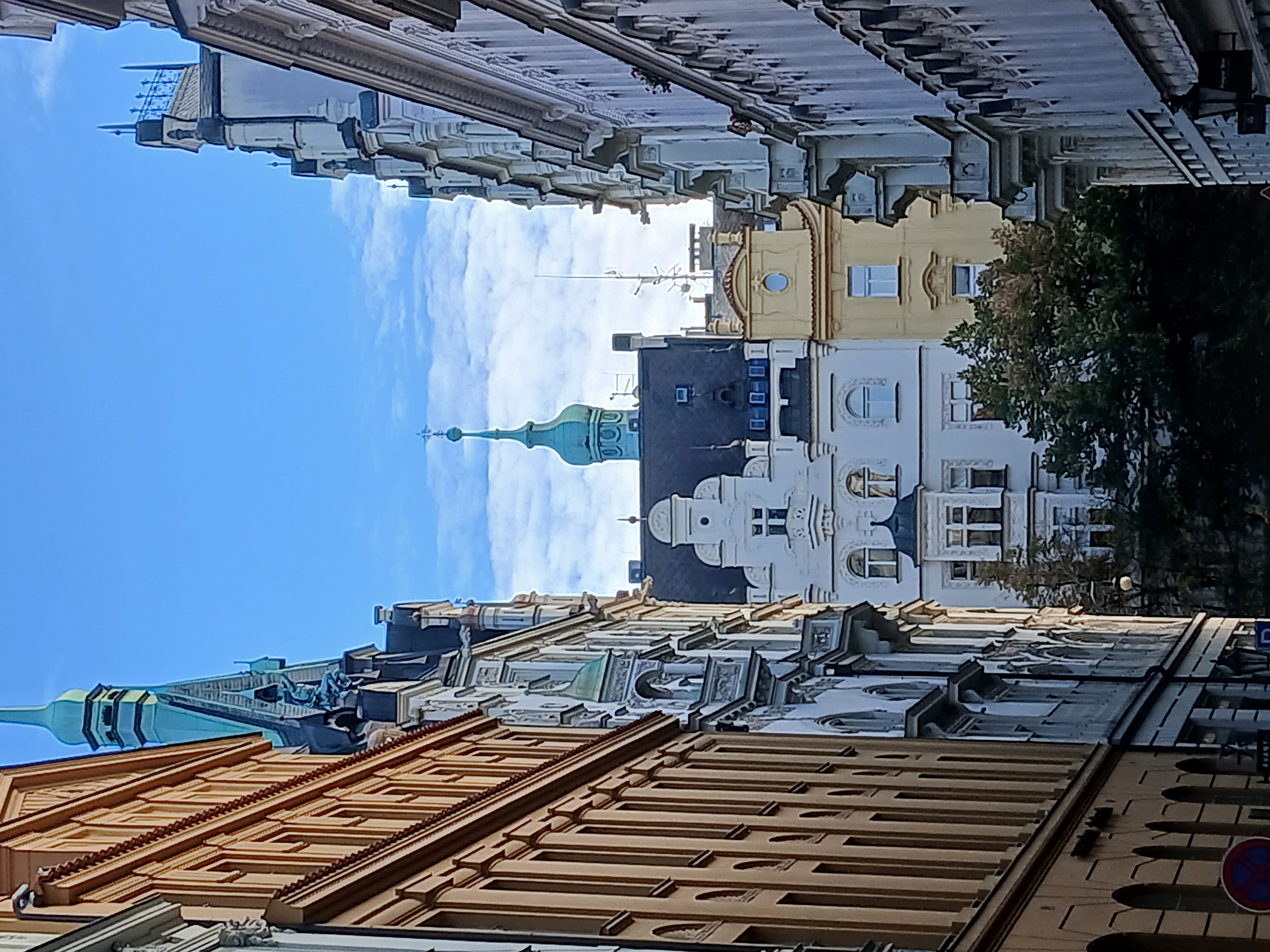
Just a short walk from Old Town Square lies Josefov, Prague's historic Jewish Quarter and one of the most important centres of Jewish heritage in Europe.
Prague has been home to a Jewish community for more than a thousand years, although its history has included periods of persecution, discrimination, and forced segregation. For centuries, Jewish residents were required to live within a designated area of the city, which eventually became known as the Jewish Town.
Much of the old neighbourhood was demolished and redeveloped during the late 19th and early 20th centuries, but several remarkable synagogues and the historic Jewish cemetery survived.
Today, Josefov is an important place to learn about Jewish culture, religious traditions, and the history of Prague's Jewish community.
What to See in Prague's Jewish Quarter
Some of the most significant attractions in Josefov are part of the Jewish Museum in Prague, which is spread across several historic buildings rather than housed in a single museum.
Highlights include:
The Old-New Synagogue: Dating from the 13th century, this is the oldest active synagogue in Europe. It's also associated with the famous Prague legend of the Golem, a mysterious clay figure supposedly brought to life by Rabbi Löw.
The Spanish Synagogue: Built in the 19th century, this magnificent building is famous for its elaborate Moorish Revival architecture and richly decorated interior.
The Pinkas Synagogue: Now a deeply moving Holocaust memorial, its walls are inscribed with the names of nearly 80,000 Jewish victims from Bohemia and Moravia murdered during the Nazi occupation.
The Old Jewish Cemetery: One of Europe's most remarkable historic Jewish burial grounds, with thousands of closely packed gravestones dating back centuries. Among those buried here is Rabbi Löw, who died in 1609.
The Maisel Synagogue: An important museum exploring the history of Jewish communities in the Czech lands.
Together, these sites tell a remarkable story of faith, community life, cultural achievement, and survival.
Look Out for the Stolpersteine Memorials
During my introductory walking tour of Prague, we explored part of Josefov, and one of the things that particularly stayed with me was learning about the Stolpersteine. These small brass memorial plaques are set into pavements outside buildings where victims of Nazi persecution once lived or worked. Each plaque records the name and details of an individual, creating a very personal reminder of the lives destroyed during the Holocaust.
The word Stolpersteine translates roughly as 'stumbling stones', although they're designed to make you stop and reflect rather than physically trip over them. They're not unique to Prague. Similar memorials can be found in towns and cities across Europe. I found them particularly moving because they bring history down to an individual, human level. Rather than simply reading statistics about the Holocaust, you're reminded that these were ordinary people who once lived in the very streets you're walking along.
Is Prague's Jewish Quarter Worth Visiting?
Absolutely, particularly if you're interested in history, architecture, or Jewish culture.
I only explored part of Josefov during my general walking tour, so I didn't visit the individual synagogues or the Old Jewish Cemetery in depth. However, I learned enough to appreciate the extraordinary historical significance of the neighbourhood. If these subjects particularly interest you, I'd recommend allowing at least two to three hours to visit the main sites, or considering a specialist guided tour.
My tip: Check the Jewish Museum's opening days before planning your visit. Its historic sites are generally closed on Saturdays and Jewish holidays, and you'll need a ticket to enter the main attractions.
You can find current visitor information and ticket details on the official Jewish Museum in Prague website.
13. Discover Prague's Museums, Art Galleries, and Historic Libraries
Prague has an extraordinary range of museums, art galleries, and historic cultural attractions, covering everything from medieval art and classical paintings to Communist history and everyday life in 20th-century Czechoslovakia.
Although I spent much of my week exploring the city on foot, there were several museums and galleries that I would have loved to visit if I'd had more time. If you're particularly interested in art, history, or architecture, it's worth setting aside some time to explore at least one or two of these attractions.
The Clementinum and Its Magnificent Baroque Library
One attraction I was especially disappointed to miss was the Clementinum, a vast historic complex in Prague's Old Town, close to Charles Bridge. Originally developed as a Jesuit college, the Clementinum is now home to the National Library of the Czech Republic. Its most famous attraction is the extraordinary Baroque Library Hall, completed in the 18th century and renowned for its beautiful ceiling frescoes, ornate wooden bookshelves, and historic globes. The library contains approximately 27,000 volumes, many of them historic theological works.
Guided tours also include the Meridian Hall, with its historic astronomical instruments, and the Astronomical Tower, which offers panoramic views across Prague. Visitors can look into the Baroque Library Hall, although they aren't permitted to walk among the bookshelves because of conservation requirements.
I had every intention of visiting, but when I tried to book during my week in Prague, the next available tickets weren't until 31 October, well after I'd left the city.
It was a useful reminder that some of Prague's most popular attractions need booking well in advance.
My tip: If the Clementinum is high on your list, book your tour before you arrive in Prague. Don't assume you'll be able to get tickets at short notice.
The National Gallery Prague
Art lovers could easily spend several days exploring the collections of the National Gallery Prague.
Rather than being housed in one enormous building, the gallery's collections are spread across several historic palaces and exhibition spaces around the city. Some of the most interesting locations include:
Sternberg Palace: Close to Prague Castle, this beautiful Baroque palace houses a collection of European Old Masters.
Schwarzenberg Palace: Another impressive historic building near the castle, with a collection of Old Master paintings and sculptures.
The Convent of St Agnes of Bohemia: A fascinating medieval complex housing religious art from Bohemia and Central Europe.
The Trade Fair Palace: A striking modernist building containing collections of modern and contemporary art.
I was particularly interested in visiting Sternberg Palace, but I simply couldn't fit everything into my week.
If you enjoy art, I'd recommend looking at the National Gallery's collections before your trip and choosing the locations that interest you most. You can find exhibition details and visitor information on the National Gallery Prague website.
The Museum of Communism
For a completely different perspective on Prague's history, the Museum of Communism explores life in Czechoslovakia under Communist rule. The museum focuses particularly on the period between 1948 and 1989, examining everyday life, propaganda, education, censorship, surveillance, and political repression. It also explores the events that led to the Velvet Revolution in November 1989, when Communist rule came to an end. I find this period of European history fascinating, and it's an attraction I'd certainly consider visiting on a return trip.
For anyone interested in understanding modern Prague, it offers a useful contrast to the city's medieval castles, churches, and palaces.
Other Museums Worth Considering
There are plenty of other museums and galleries to explore, depending on your interests.
The National Museum, overlooking Wenceslas Square, is one of the city's most important cultural institutions, with exhibitions covering natural history, history, and Czech culture.
Museum Kampa, on Kampa Island, focuses on modern Central European art and is worth considering if you're already exploring Lesser Town.
Prague also has smaller specialist museums, photography galleries, and temporary exhibitions, so it's worth checking what's on during your visit.
Are Prague's Museums and Galleries Worth Visiting?
If you enjoy art, history, or culture, absolutely.
I didn't manage to visit most of these attractions myself, but they're worth including when planning a Prague itinerary, particularly if you're staying for several days. They can also be excellent alternatives when the weather isn't suitable for spending the whole day outdoors.
My tip: Don't try to visit every museum or gallery. Choose one or two that genuinely interest you, check their opening times, and book ahead for attractions with limited tour places, particularly the Clementinum.
Prague has so much to offer that you'll never manage to see everything in one visit. And perhaps that's a good reason to return!
14. Visit Wenceslas Square and See the Statue of St Wenceslas
Wenceslas Square (Václavské náměstí) is one of Prague's most important public spaces, although it's quite different from the picturesque medieval Old Town Square.
Originally established as a horse market by Charles IV in 1348, it's a long, broad boulevard surrounded by shops, restaurants, hotels, and historic buildings. At the upper end stands the magnificent National Museum, with the imposing equestrian statue of St Wenceslas in front of it.
St Wenceslas was a 10th-century Duke of Bohemia who became the patron saint of the Czech lands. His statue, created by the sculptor Josef Václav Myslbek, is one of Prague's most recognisable monuments. I walked through Wenceslas Square during my stay and stopped to admire the statue, but didn't spend a great deal of time exploring the surrounding buildings.
However, the square is worth visiting for its extraordinary place in modern Czech history. In 1918, it was the scene of celebrations marking the establishment of independent Czechoslovakia. In January 1969, student Jan Palach set himself on fire nearby in protest against the Soviet-led invasion of Czechoslovakia the previous year. And in November 1989, Wenceslas Square became one of the principal gathering places for the mass demonstrations of the Velvet Revolution, which brought Communist rule to an end.
Today, it's a busy commercial area, but knowing something of its history makes a visit much more meaningful.
My tip: Walk towards the National Museum to see the statue of St Wenceslas, and take a moment to appreciate the square's historical importance. You don't need to spend hours here, but it's well worth including as you explore Prague's New Town.
15. Explore Strahov Monastery and the Historic Hradčany District
If you're visiting Prague Castle, it's worth allowing a little extra time to explore the surrounding Hradčany district.
This historic neighbourhood is home to some magnificent buildings, including Strahov Monastery, Prague Loreto, and the enormous Černín Palace. I visited all three during my explorations around the castle area, although I chose to admire much of the architecture from outside rather than pay the admission fees.
Strahov Monastery and Its Famous Library
Founded in 1143, Strahov Monastery is one of Prague's oldest religious institutions and remains home to a community of Premonstratensian monks. It's particularly famous for its magnificent historic library, which contains around 200,000 volumes, including rare manuscripts and early printed books. The library's two most celebrated rooms are the Baroque Theological Hall and the Philosophical Hall, both renowned for their beautiful frescoed ceilings, ornate bookcases, and extraordinary collections.
I was very interested in seeing the library, but discovered that the standard admission ticket doesn't actually allow visitors to walk around these magnificent rooms. Instead, you view them through their open doorways. The restrictions are understandable. The books, furnishings, and historic interiors are extremely sensitive to changes in humidity and dust, so visitor numbers and access have to be carefully controlled. However, I decided that the admission charge was more than I wanted to pay simply to look into the rooms from the entrance.
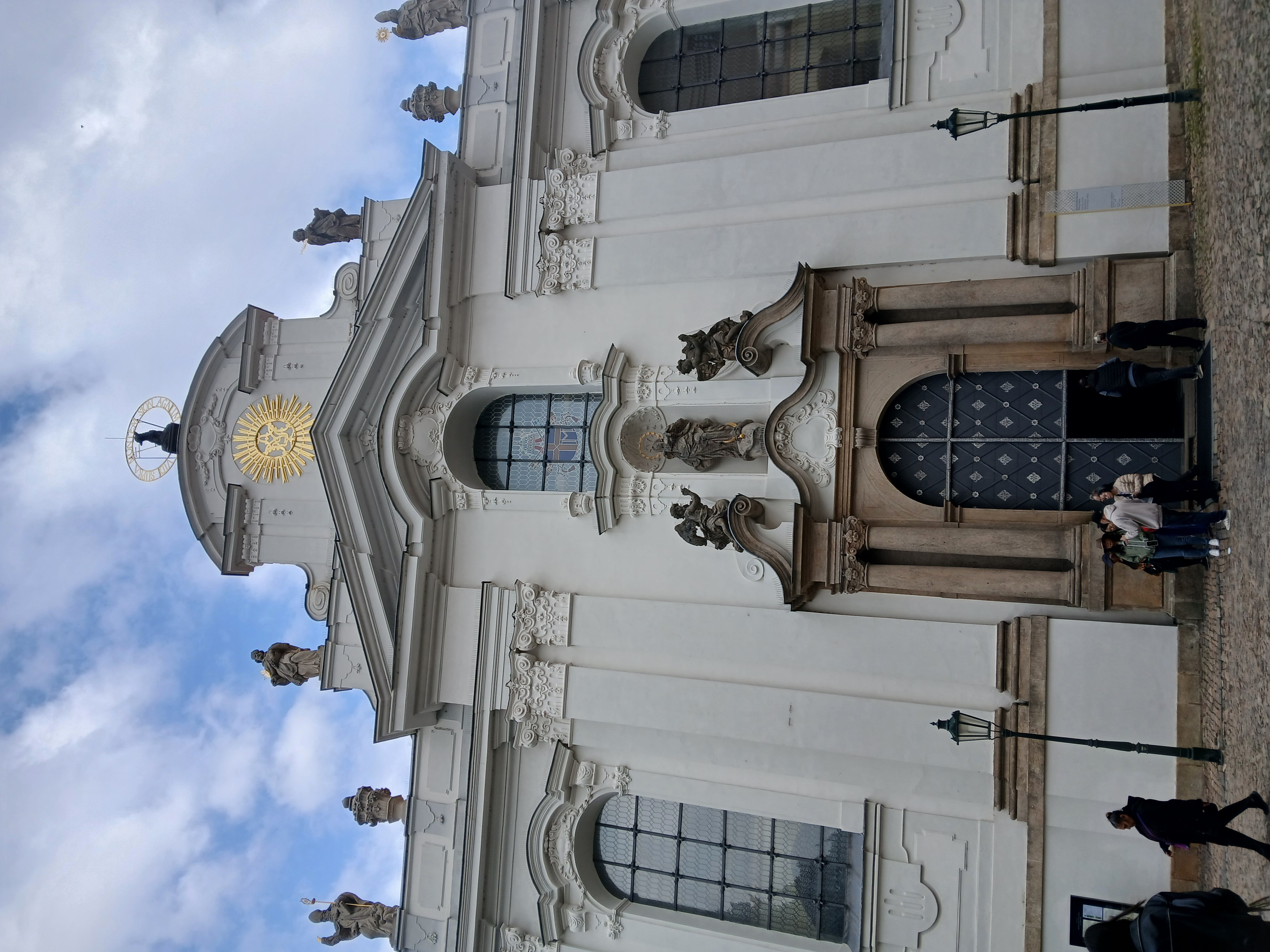
I also visited the monastery church, which was beautiful, although a large metal gate prevented visitors from walking around the interior. Again, I could only admire it from a distance.
What amused me was that the busiest part of the entire monastery complex appeared to be the brewery! Strahov has a long brewing tradition, with records dating back to around 1400. Although brewing ceased for much of the 20th century, the tradition was revived in 2001. Today, the monastery brewery produces its own St Norbert beers and serves Czech food. There was quite a queue of people waiting for tables when I visited, while comparatively few seemed interested in entering the monastery itself.
I didn't stop for a beer, but it certainly looked popular.
My tip: If you're considering visiting Strahov Library, check exactly what's included in the standard ticket before buying. The historic halls are beautiful, but most visitors can only view them from the doorways. Special tours with more extensive access may be available.
Admire the Beautiful Prague Loreto
A short walk from Strahov Monastery is Prague Loreto, one of the city's most important Baroque religious complexes. Founded in the 17th century, the Loreto is centred on a replica of the Holy House of Nazareth, inspired by the famous pilgrimage site at Loreto in Italy.
The complex includes a beautiful church, cloisters, chapels, and a treasury containing an extraordinary collection of religious artefacts. One of its most famous treasures is the Prague Sun, a magnificent diamond-studded monstrance.
I admired the elegant Baroque façade from outside but decided not to pay the admission fee to explore the interior and treasury. Even without going inside, I thought it was a beautiful building and well worth seeing while exploring this part of Prague.
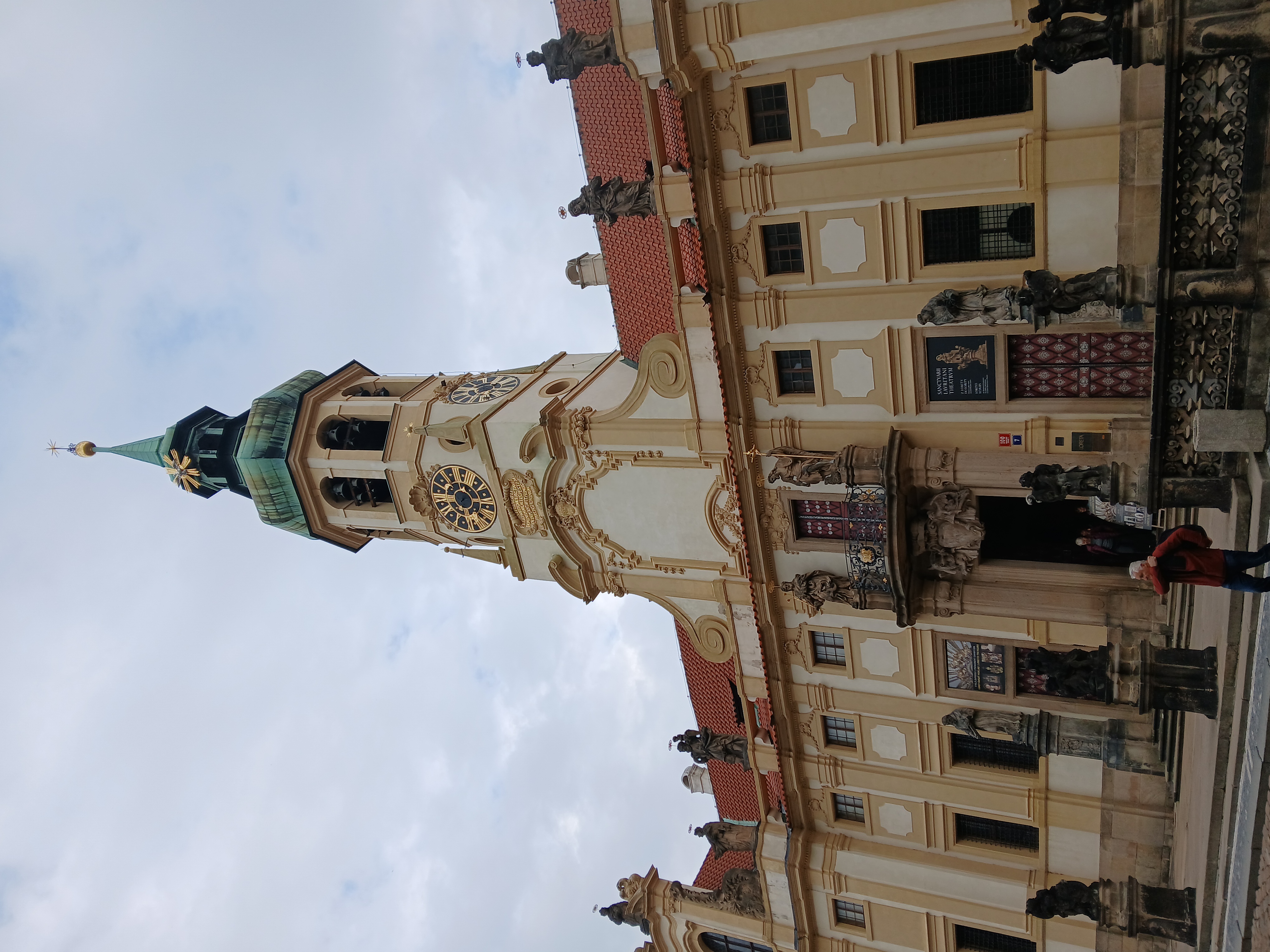
See the Enormous Façade of Černín Palace
Directly opposite the Loreto stands Černín Palace, one of Prague's most imposing Baroque buildings.
Built for the wealthy Černín family during the 17th century, its extraordinary façade stretches for approximately 140 metres across Loreto Square. It's difficult to appreciate the sheer scale of the building until you're standing in front of it.
Today, Černín Palace houses the Czech Ministry of Foreign Affairs and isn't normally open to visitors. However, the exterior is magnificent, and it's worth stopping to admire the architecture.
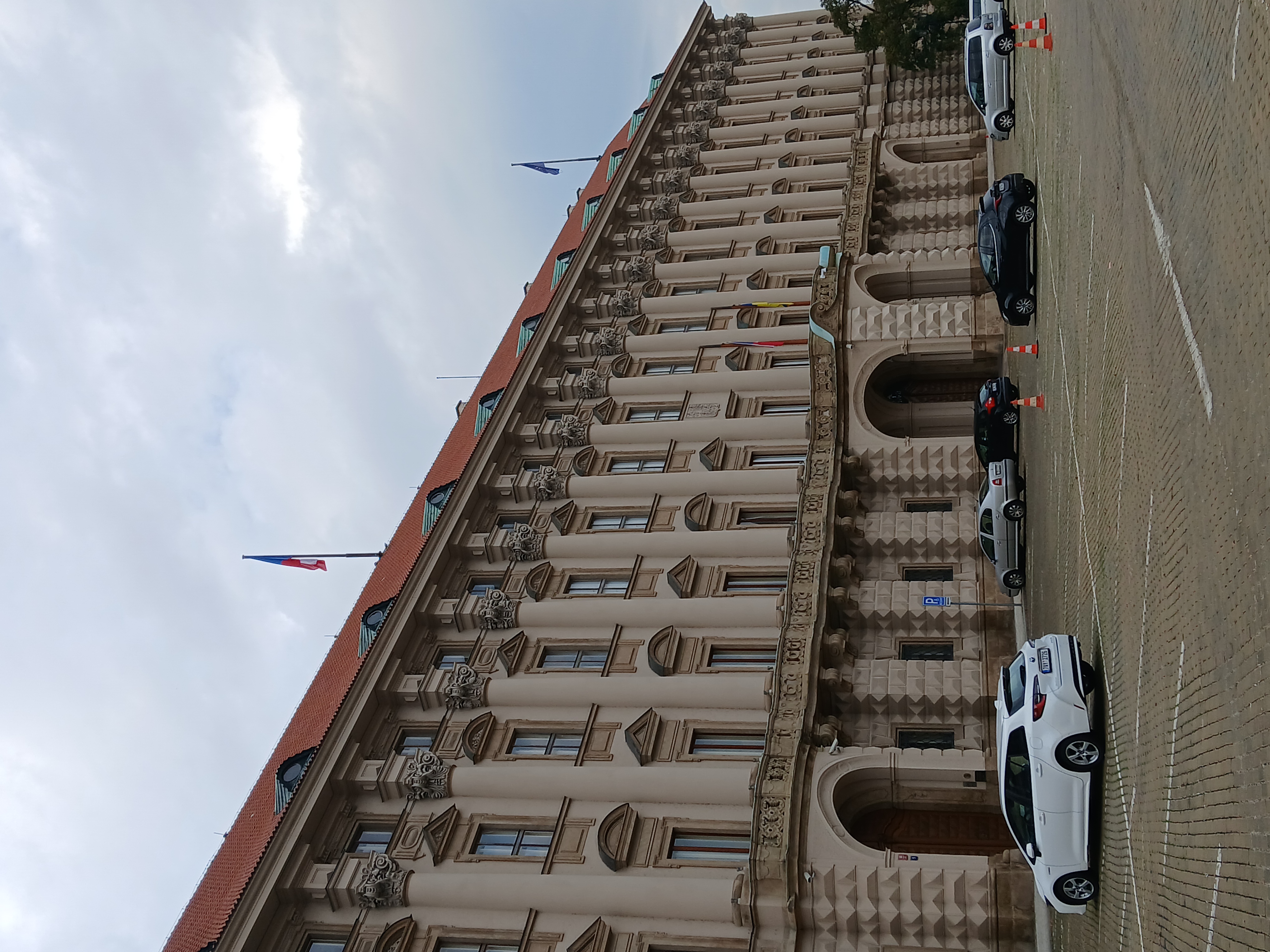
Is This Area Worth Exploring?
Definitely, particularly if you're already visiting Prague Castle.
Strahov Monastery, the Loreto, and Černín Palace are all within walking distance of one another, making them easy to combine into a pleasant exploration of Hradčany. You don't necessarily need to pay to enter every attraction to appreciate the architecture and atmosphere of the neighbourhood.
For me, this was another example of how enjoyable Prague can be simply by wandering around, admiring the buildings, and discovering places that aren't necessarily on everyone's must-see list.
My tip: Allow an extra hour or two to explore this part of Hradčany, depending on whether you want to visit the monastery library, Loreto treasury, or brewery. If you're watching your budget, there's still plenty to enjoy from outside.
How Many Days Do You Need in Prague?
One of the questions you're probably asking when planning your trip is how many days you actually need in Prague. The answer depends on how much you want to see, how quickly you like to travel, and whether you're planning any day trips outside the city.
For most first-time visitors, I'd recommend three to four full days in Prague. That gives you enough time to explore the main attractions without spending every minute rushing from one place to another.
However, if you enjoy slow travel, wandering through historic streets, visiting museums, and taking time to sit in cafés and soak up the atmosphere, you could easily spend a week here.
I spent seven nights in Prague in October, travelling solo, and I certainly didn't run out of things to do. In fact, despite exploring extensively, taking guided tours, visiting historic buildings, and enjoying several organised activities, there were still places I didn't manage to visit.
I also spent a full day exploring Český Krumlov and Hluboká Castle, which was one of the highlights of my trip.
Is Two Days Enough in Prague?
If you only have two days, you can certainly see some of Prague's most famous landmarks. I'd concentrate on Old Town Square, the Astronomical Clock, Charles Bridge, Prague Castle, and Lesser Town. These attractions give you a wonderful introduction to the city's history and architecture. However, you'll need to be selective about which buildings you actually enter, particularly at Prague Castle, where exploring the different attractions can take several hours.
Two days would be enough for a lovely city break, but I think you'd leave wishing you had longer.
Three to Four Days in Prague
For most visitors, I think three or four days is an excellent choice. You'll have time to explore the Old Town, visit Prague Castle, cross Charles Bridge, and wander around Lesser Town without feeling quite so rushed. You could also include a river cruise, visit the Jewish Quarter, explore Petřín Hill, or enjoy an evening classical concert.
With four days, there's more flexibility to add a museum, a guided tour, or a hands-on activity such as the chimney cake workshop I enjoyed. Most importantly, you'll have time to stop for coffee, wander down interesting-looking streets, and discover some of the quieter corners of Prague.
And for me, those unplanned moments are often among the most enjoyable parts of travelling.
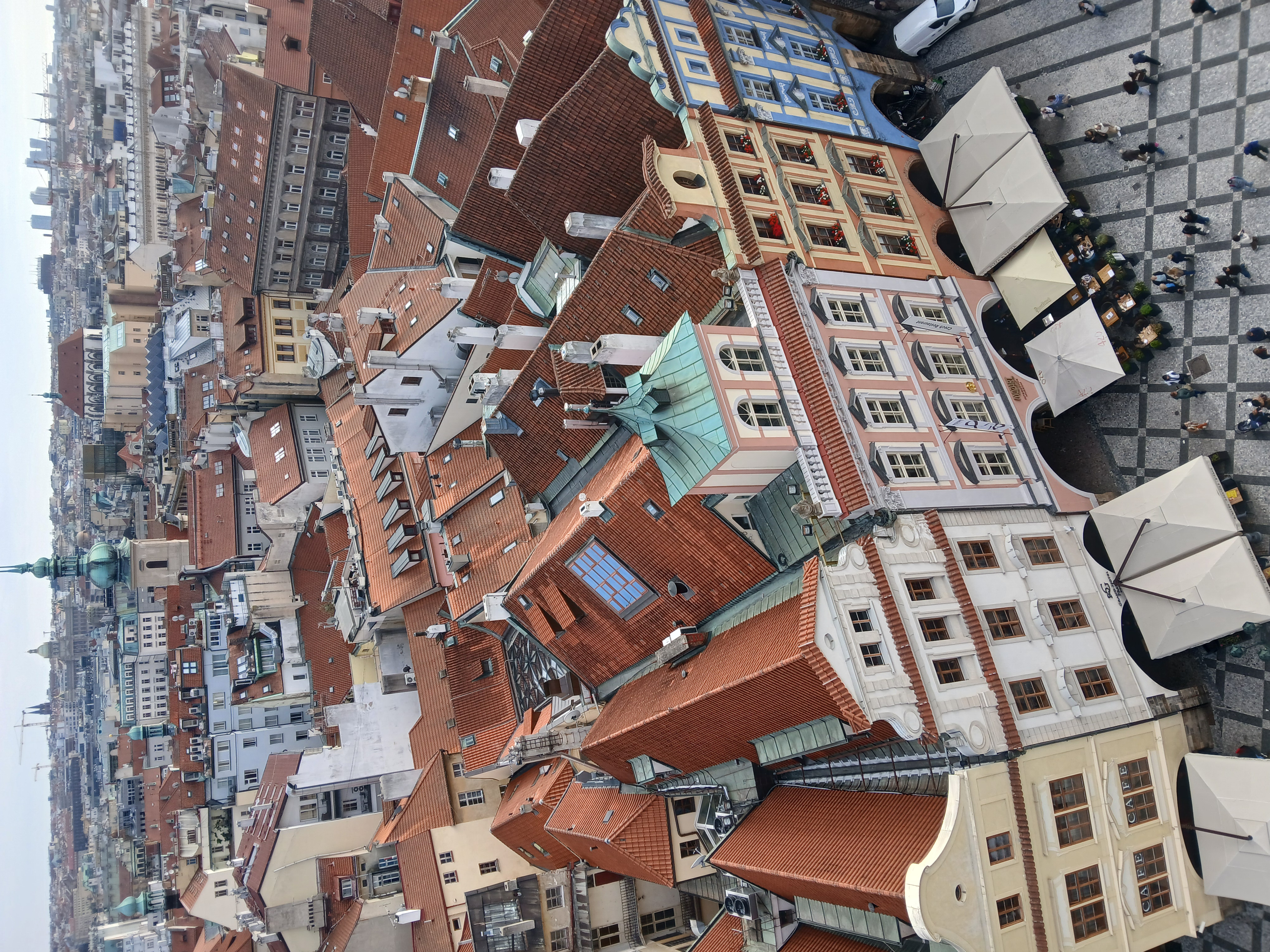
Five to Seven Days in Prague
If you have five days or more, you can explore Prague at a much more leisurely pace. This is particularly appealing if you enjoy history, architecture, museums, and cultural experiences, because there are so many places worth visiting. You'll also have time to venture beyond the busiest tourist areas, explore different neighbourhoods, and perhaps return to a favourite place at a quieter time of day.
With a longer stay, I'd definitely recommend considering a day trip outside Prague. I took an organised day trip to Český Krumlov and Hluboká Castle, and it was wonderful to see something of the Czech countryside as well as the capital. Other popular possibilities include Kutná Hora and Karlštejn Castle.
Of course, you don't have to fill every day with sightseeing. One of the things I loved about having a whole week in Prague was being able to explore at my own pace. Some days were packed with activities, while others involved wandering, browsing bookshops, enjoying a coffee, or simply appreciating the beautiful surroundings.
My Recommendation
If this is your first visit to Prague, I'd aim for four days if possible. Three days will give you a good introduction, but that extra day makes a real difference if you prefer not to rush.
If you're particularly interested in history, museums, and architecture, or you'd like to include a day trip, five to seven days would be even better.
And remember to think about how much sightseeing time you'll actually have. Four nights in a hotel doesn't necessarily mean four full days exploring, especially if you're arriving late or leaving early.
Prague is a wonderful city for slow travel, and I think it deserves more than a hurried weekend if you can spare the time.
Where to Stay in Prague
One of the most important decisions when planning a trip to Prague is where to stay. With so many beautiful hotels and apartments in the historic centre, it's tempting to assume that you need to stay in the Old Town to make the most of your visit. However, having spent a week in Prague, I can confidently say that you don't need to stay right in the centre to enjoy the city.
Prague has an excellent public transport system, and staying a little further out can be a wonderful way to save money without sacrificing convenience.
Where I Stayed in Prague: Lipanská, Žižkov
For my seven-night stay, I rented a tiny Airbnb apartment near Lipanská, in the Žižkov district of Prague.
And when I say tiny, I really do mean tiny! The apartment had a mezzanine sleeping area, with the bed tucked away above the main living space. There certainly wasn't room to spread out, but as I was travelling alone, I didn't need much space. It was spotlessly clean, had everything I needed, and provided a perfectly comfortable base for my week in Prague.
More importantly, it was just around the corner from the Lipanská tram stop. Within approximately 15 minutes, I could be in the historic centre, ready to start exploring.
I found Prague's public transport system absolutely fantastic, so travelling into the centre each day was never a problem. In fact, I rather enjoyed staying in a neighbourhood away from the busiest tourist streets. It gave me a slightly different perspective on the city and meant I wasn't surrounded by crowds every time I stepped outside.
Žižkov is a lively residential neighbourhood, known for its cafés, pubs, and local atmosphere. It's generally a more budget-friendly area than the historic centre, making it worth considering if you're travelling on a budget.
For me, the apartment was exactly what I needed. It wasn't luxurious, but it was clean, comfortable, convenient, and affordable. And that's much more important to me than having a five-star hotel room.
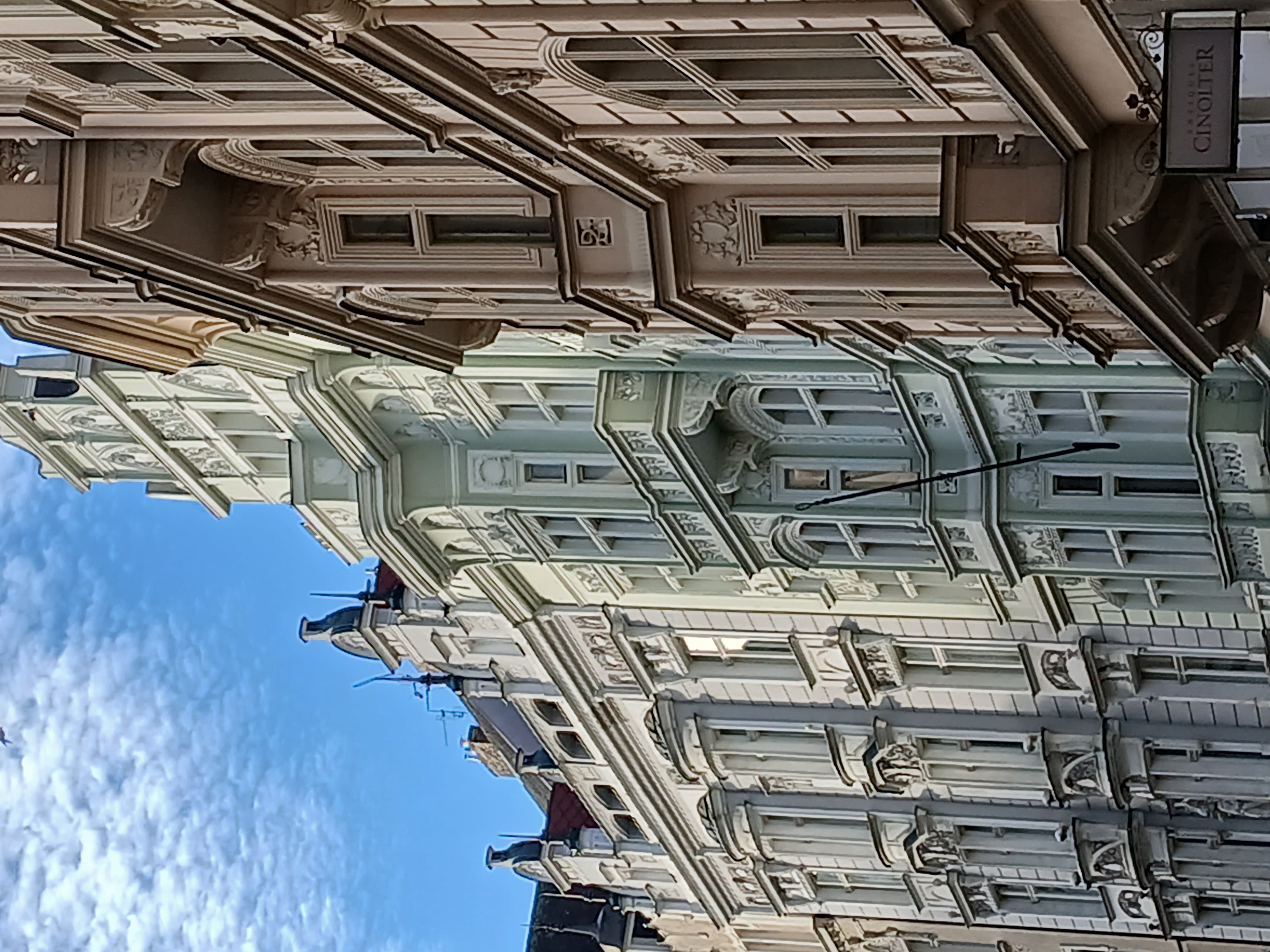
Best Areas to Stay in Prague
Although I was very happy staying in Žižkov, there are several other neighbourhoods worth considering, depending on your budget and the type of trip you're planning.
Old Town (Staré Město): Best for First-Time Visitors Who Want to Walk Everywhere
If you want to step outside your hotel and immediately find yourself surrounded by Prague's most famous attractions, Old Town is the obvious choice. You'll be close to Old Town Square, the Astronomical Clock, Charles Bridge, and countless restaurants, cafés, and historic streets. It's particularly convenient if you're only visiting for a couple of days and want to minimise travelling time.
However, accommodation tends to be more expensive, and the busiest streets can be noisy, particularly in the evenings. If your budget allows and you want to stay right in the heart of the action, it's a wonderful location. But it certainly isn't essential.
Lesser Town (Malá Strana): Best for Historic Atmosphere
On the opposite side of the River Vltava, Lesser Town is another beautiful place to stay. With its cobbled streets, Baroque buildings, and proximity to Prague Castle and Charles Bridge, it's one of the city's most atmospheric neighbourhoods. It can feel quieter than the busiest parts of Old Town, particularly in the evenings.
However, there are some steep streets and hills, so it's worth checking the exact location of your accommodation if you have mobility difficulties or don't enjoy walking uphill.
New Town (Nové Město): Best for Convenience and Transport
Despite its name, Prague's New Town dates back to the 14th century. It's a large, central district that includes Wenceslas Square, the National Museum, shops, restaurants, and excellent public transport connections. There are plenty of hotels and apartments here, often with a wider range of prices than in the heart of Old Town.
It's a practical choice if you want to be fairly central without necessarily paying Old Town prices.
Vinohrady: Best for a More Local Atmosphere
Vinohrady is an attractive residential neighbourhood known for its elegant architecture, leafy streets, parks, and cafés. It's popular with people who prefer a slightly quieter base while still having easy access to the main attractions.
Like Žižkov, it's worth considering if you're staying for several days and want somewhere that feels more like a neighbourhood than a tourist centre.
My Tips for Choosing Accommodation in Prague
Wherever you decide to stay, I'd recommend thinking about a few practical details before booking.
Check the nearest tram or metro stop. This is probably my most important piece of advice. A reasonably priced apartment near a tram stop can be far more convenient than an expensive hotel that involves a long walk.
Read recent reviews carefully. Look for comments about cleanliness, noise, comfort, and the surrounding area.
Check the stairs and sleeping arrangements. Prague has plenty of accommodation in older buildings, some without lifts. And if you're considering a mezzanine apartment like mine, make sure you're comfortable climbing up to bed.
Consider self-catering accommodation. Having somewhere to make breakfast or a coffee can help keep costs down, particularly on a longer trip.
Don't pay extra for a central location unless you'll benefit from it. If you enjoy walking and using public transport, you may be perfectly happy staying a little further out.
My Recommendation: You Don't Need to Stay in Prague's Old Town
If you're visiting Prague for just a night or two, staying centrally can make sense, especially if you want to walk to all the main attractions. But for a longer stay, I'd strongly recommend looking at neighbourhoods such as Žižkov, Vinohrady, and New Town. You may find better value for money, more space, and a chance to experience a different side of the city.
Of course, if your idea of the perfect holiday is a luxurious five-star hotel overlooking Old Town Square, then go for it! But that's never been my style of travel. I'd much rather spend less on accommodation and have more money available for experiences, activities, and exploring.
My tiny apartment in Lipanská was proof that you really don't need luxury, or even very much space, to have a wonderful week in Prague.
How to Get to Prague
Prague is well connected to the rest of Europe, making it an easy destination for a city break or a longer holiday.
Whether you're arriving by air, train, or bus, getting into the city is relatively straightforward. And thanks to Prague's excellent public transport network, you certainly don't need to hire a car.
Flying to Prague
If you're travelling from the UK, flying is usually the quickest and most convenient option. Prague's main airport is Václav Havel Airport Prague (PRG), located approximately 17 kilometres northwest of the city centre.
There are direct flights from several UK airports, although routes and schedules vary throughout the year.
The airport has two main passenger terminals. Flights from the UK generally use Terminal 1, while flights within the Schengen Area use Terminal 2.
How to Get from Prague Airport to the City Centre
One of the things I particularly like about Prague is that you don't need to spend a fortune on an airport transfer. There are several ways to reach the city centre, depending on where you're staying, how much luggage you're carrying, and your budget.
Public Transport: The Cheapest Option
For most budget-conscious travellers, I'd recommend using Prague's public transport system.
The most convenient route for many visitors is:
Take trolleybus number 59 from outside the airport terminal to Nádraží Veleslavín.
Change to metro line A, which takes you towards the historic centre.
Continue by metro or tram to the stop nearest your accommodation.
The trolleybus journey takes approximately 15–20 minutes, and the complete journey into central Prague generally takes around 35–45 minutes, depending on your destination.
The great advantage is that this route uses ordinary public transport tickets, including valid longer-duration passes. You can buy your ticket from a machine at the bus stop, or from a counter inside the airport terminal, where you can also get advice on the best option to choose depending on where you are staying and for how long.
Another option is bus number 100, which connects the airport with Zličín station on metro line B.
My tip: Before travelling, check which tram or metro station is closest to your accommodation. The quickest airport route isn't necessarily the same for everyone.
Airport Express Bus
The Airport Express (AE) provides a direct connection between Prague Airport and the city's main railway station, Praha hlavní nádraží. The journey takes approximately 40 minutes, depending on traffic. This can be particularly convenient if you're staying near the railway station or connecting with another train.
However, the Airport Express has a separate fare and isn't included in ordinary Prague public transport tickets.
Taxi or Private Transfer
Taxis and private airport transfers are also available.
These can be useful if you're arriving very late, travelling with heavy luggage, or staying somewhere that's awkward to reach by public transport. However, they're considerably more expensive than using the trolleybus and metro. If you decide to take a taxi, use the airport's official taxi service or a reputable pre-booked transfer rather than accepting unsolicited offers.
For me, public transport would generally be the first choice, particularly when travelling alone with manageable luggage.
Travelling to Prague by Train
If you're already travelling around Europe, arriving in Prague by train is an excellent option. Prague has direct rail connections with several major European cities, including Berlin, Dresden, Vienna, and Budapest.
The main railway station, Praha hlavní nádraží, is conveniently located close to the city centre and connected to metro line C. International and domestic services are operated by companies including Czech Railways and RegioJet.
Train travel can be particularly appealing if you're planning a longer European journey and would prefer not to fly between every destination.
It's also a wonderful way to see something of the countryside along the way.
Travelling to Prague by Bus
Long-distance coaches provide another affordable way to reach Prague from other European cities. Companies such as FlixBus and RegioJet operate services connecting Prague with destinations across the Czech Republic and neighbouring countries.
Many international buses use Florenc bus station, which has convenient connections to metro lines B and C.
Coach journeys can take longer than trains, but they're worth comparing if you're travelling on a tight budget.
Do You Need a Car in Prague?
Absolutely not! In fact, I think a car would be more of a nuisance than a benefit for most visitors.
Prague's historic centre is best explored on foot, and the tram, metro, and bus network makes it easy to reach attractions further away. Parking can be expensive and complicated, particularly in central areas.
Unless you're planning to explore rural parts of the Czech Republic independently, I'd recommend leaving the car behind. Prague is a wonderfully easy city to explore without one.
Getting Around Prague
One of the things I loved most about Prague was how easy it was to get around. The city has an excellent public transport system, with trams, metro trains, and buses connecting the historic centre with the surrounding neighbourhoods. During my week in Prague, I used public transport every day, and I found it convenient, affordable, and straightforward.
I stayed near Lipanská tram stop in the Žižkov district, around 15 minutes from the centre, but I never felt that staying outside the Old Town was a disadvantage.
In fact, I think Prague has one of the best public transport systems I've encountered on my travels.
Exploring Prague on Foot
Prague is a wonderful city for walking, particularly in the historic centre. Many of the main attractions are relatively close together, so it's easy to combine Old Town Square, Charles Bridge, and Lesser Town in a day of sightseeing. And, of course, walking is completely free!
However, be prepared for cobbled streets, uneven pavements, and some fairly steep hills, particularly around Prague Castle and Petřín Hill. Comfortable shoes are essential.
I spent hours wandering through Prague, often discovering interesting streets, beautiful buildings, and unexpected little corners along the way. For me, walking is always one of the best ways to get to know a new city.
Using Prague's Trams, Metro, and Buses
Prague's public transport network consists of three metro lines, an extensive tram system, and buses serving areas beyond the main tram and metro routes. They all operate 24/7.
The trams were my favourite way to travel. They're frequent, easy to use, and a wonderful way to see the city as you travel between attractions.
The metro is particularly useful for longer journeys, while buses and trolleybuses connect areas that aren't served by trams or metro trains.
One of the great advantages is that the same ordinary public transport ticket generally covers all three systems, allowing you to change between services within the ticket's validity period. You don't need to buy a separate ticket every time you change from a tram to the metro.
How to Buy Public Transport Tickets in Prague
I used paper tickets throughout my stay, and found them perfectly straightforward. You can buy tickets from newsagents and other authorised retailers, as well as ticket machines at many tram stops and metro stations. Some machines accept contactless cards, while older machines may require coins. There are also ticket terminals inside trams and buses, where you can buy certain tickets using a contactless payment card.
I initially considered using the PID Lítačka app, which allows you to buy digital tickets and plan journeys. However, I'd read some mixed reviews about its journey-planning features, so I decided to keep things simple. I bought paper tickets from shops or machines and used Google Maps to work out which tram or metro service I needed.
This combination worked brilliantly for me, and I never felt that I needed another app.
How Much Does Public Transport Cost in Prague?
Prague offers several ticket options, depending on how long you need to travel.
As of 2026, standard adult paper ticket prices are:
Ticket | Price |
|---|---|
30 minutes | 39 CZK |
90 minutes | 50 CZK |
24 hours | 150 CZK |
72 hours | 350 CZK |
The tickets are time-based, rather than being restricted to one particular journey. For example, a 90-minute ticket allows you to use different trams, metro trains, and buses within its validity period.
If you're planning a full day of sightseeing involving several journeys, a 24-hour ticket can be particularly convenient.
Longer-duration passes may also be worth considering if you're staying outside the historic centre, as I was.
Digital tickets bought through the official app are slightly cheaper, but I was happy with the simplicity of paper tickets.
My tip: Check the latest ticket prices before travelling, as fares can change. You can find current information on the official Prague Public Transit website.
Don't Forget to Validate Your Ticket!
This is particularly important if you're using paper tickets. When you first board a tram or bus, you normally need to insert your ticket into one of the small validation machines, which stamps the date and time.
If you're travelling by metro, validate your ticket before entering the paid area.
You only validate the ticket once, at the beginning of its validity period, even if you change services later.
Some tickets purchased from onboard contactless terminals are already valid when issued, so they don't need stamping.
Ticket inspections do take place, and you can be fined for travelling without a valid ticket.
My tip: Don't assume that simply buying a paper ticket makes it valid. Check whether it needs stamping before you travel.
Take Tram Number 22 for a Budget-Friendly Sightseeing Tour
If there's one public transport tip I'd particularly recommend in Prague, it's to take a ride on tram number 22.
During my week in the city, I saw all kinds of sightseeing vehicles, including hop-on, hop-off buses, rickshaws, vintage camper vans, segways, bicycles, horse-drawn carriages, and even stretch limousines.
But personally, I think one of the best ways to see Prague is to hop aboard an ordinary number 22 tram. And it costs nothing more than a standard public transport ticket!
The route passes through some of Prague's most interesting neighbourhoods, travelling past the National Theatre, through Lesser Town, and up the hill towards Prague Castle. Along the way, you'll see historic buildings, busy streets, beautiful architecture, and glimpses of everyday life in Prague. Unlike a dedicated sightseeing tour, there's no commentary, and you won't necessarily get a perfect view of every attraction.
But that's part of the appeal for me. You're travelling on the same public transport system that local residents use every day, rather than paying a premium for a tourist experience.
If you're heading to Prague Castle, tram 22 is particularly useful. You can get off at Pražský hrad, close to the castle entrance, or continue to Pohořelec and walk downhill through the Hradčany district.
My tip: If you have time, ride tram 22 simply for the pleasure of seeing the city. Try to find a window seat, and remember that it's a normal working tram, so it can be crowded.
For me, this is one of Prague's best budget sightseeing experiences.
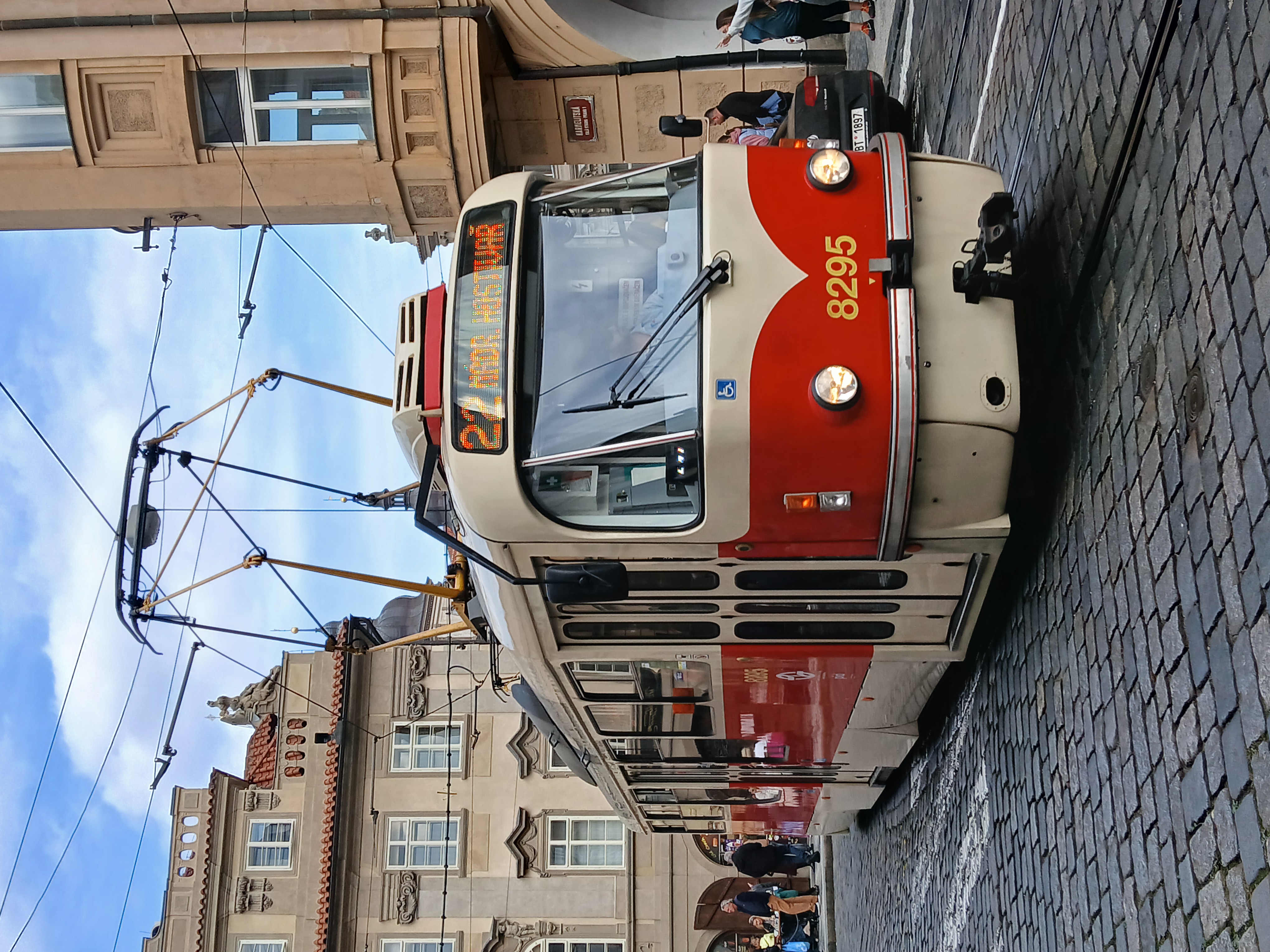
What About Prague's Vintage Trams?
If you'd like something a little more nostalgic, Prague also operates vintage trams.
Tram number 23 uses historic vehicles on a regular public transport route, and ordinary tickets are valid. This is different from the dedicated tourist tram services, which have their own fares.
It's worth checking the latest routes and timetables if you'd like to experience a ride on one of Prague's older trams.
Using Google Maps to Navigate Prague
I found Google Maps extremely useful throughout my stay. I simply entered my destination, selected public transport, and followed the suggested tram or metro route. It showed me where to board, which service to take, where to change, and when to get off. For someone travelling alone in an unfamiliar city, I found this reassuring and easy to manage.
The official PID Lítačka app is another option, particularly if you prefer digital tickets, but you certainly don't have to use it.
Whichever journey planner you choose, remember that routes can change because of roadworks, events, or temporary transport disruptions.
My Recommendation for Getting Around Prague
For me, the best way to explore Prague is to combine walking with public transport.
Walk through the historic neighbourhoods, take your time exploring the attractions, and hop on a tram or metro whenever you want to travel further or give your feet a rest. There's no need to hire a car, and you certainly don't have to spend a fortune on sightseeing transport.
My combination of paper tickets, Google Maps, and Prague's excellent tram network worked perfectly throughout my stay.
And don't forget tram number 22. It's a wonderful reminder that some of the best travel experiences are also among the cheapest.
Food and Drink in Prague: What to Eat and Where to Find Budget Meals
One of the pleasures of visiting a new country is trying the local food, and I certainly made an effort to sample traditional Czech dishes during my week in Prague.mBefore travelling, I'd read that Czech cuisine was particularly heavy on meat, potatoes, bread, and dumplings. And, based on my experience of eating in local restaurants, I'd say that's a pretty accurate description!
Traditional Czech food is hearty, filling, and designed to keep you going, particularly during the colder months. However, if you're someone who enjoys plenty of fresh vegetables and lighter meals, you may find the traditional menus a little challenging.
Traditional Czech Food to Try in Prague
Czech Goulash
Goulash was one of the dishes I particularly wanted to try, and I ended up eating it in two very different forms. Czech goulash is generally a rich beef stew, flavoured with onions, paprika, and other seasonings. Unlike Hungarian goulash, which is often more soup-like, the Czech version is usually thicker and served with bread dumplings.
I had one version with the traditional dumplings, which were perfect for soaking up the rich sauce.
On another occasion, I ordered goulash served inside a hollowed-out loaf of bread. This version was slightly spicier and contained potatoes as well. Talk about carbohydrates on top of carbohydrates!
Both were tasty but extremely filling.
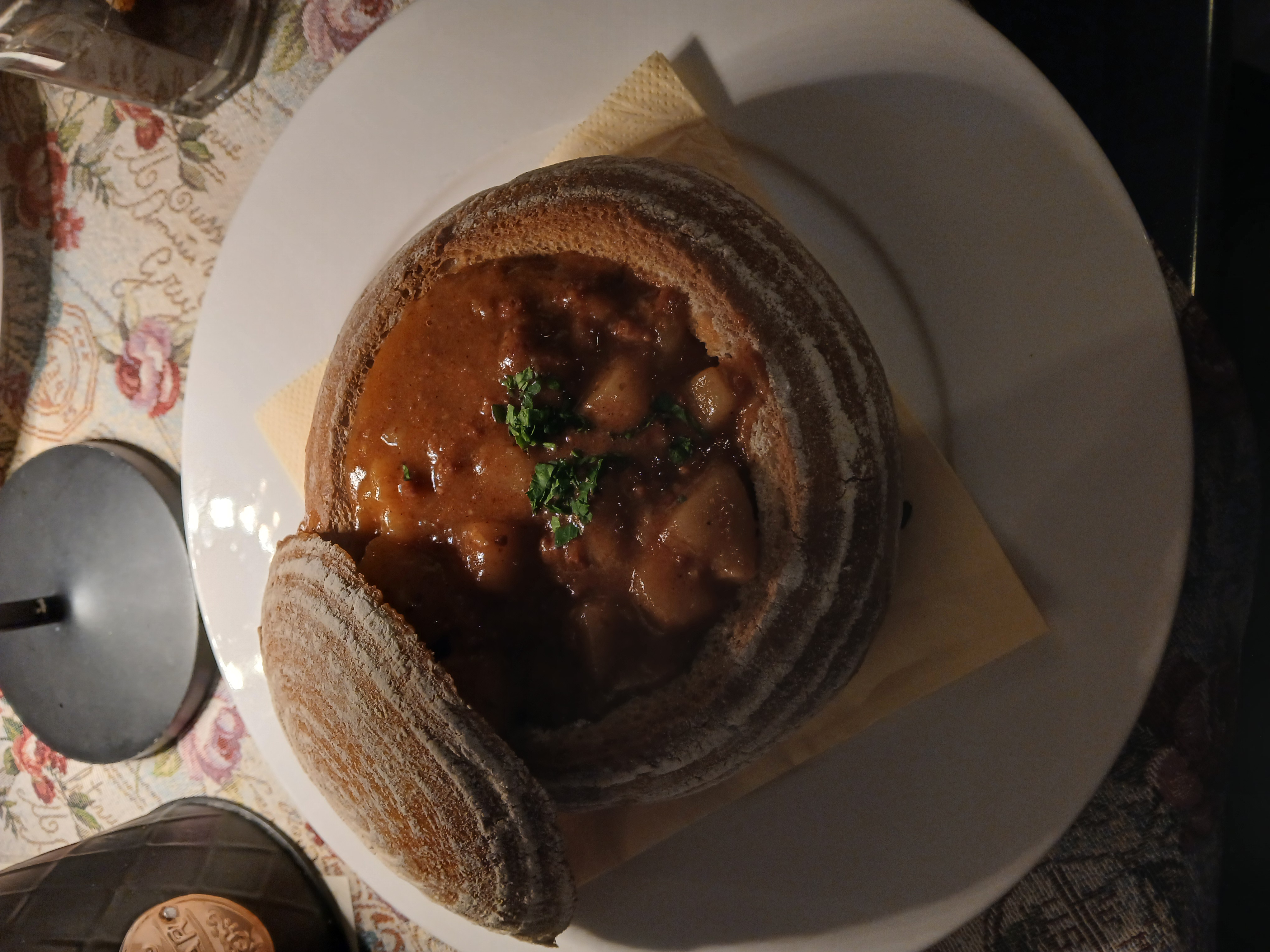
Roast Pork, Pork Knuckle, and Ribs
Pork is a major feature of traditional Czech cooking, and you'll see it on menus everywhere.
Roast pork is often served with dumplings and cabbage, while enormous roasted pork knuckles are another popular speciality. I saw several people sharing a pork knuckle between two diners, and I could certainly understand why. They were huge! As I was travelling alone, I decided that ordering quite so much meat would be rather excessive. Instead, I tried pork ribs, which were more manageable and very enjoyable.
I also had a beautifully cooked piece of veal on another occasion. It was thicker than the veal steaks I'm accustomed to seeing in the UK, and it was cooked to perfection. And it came with a small salad, which made a change!
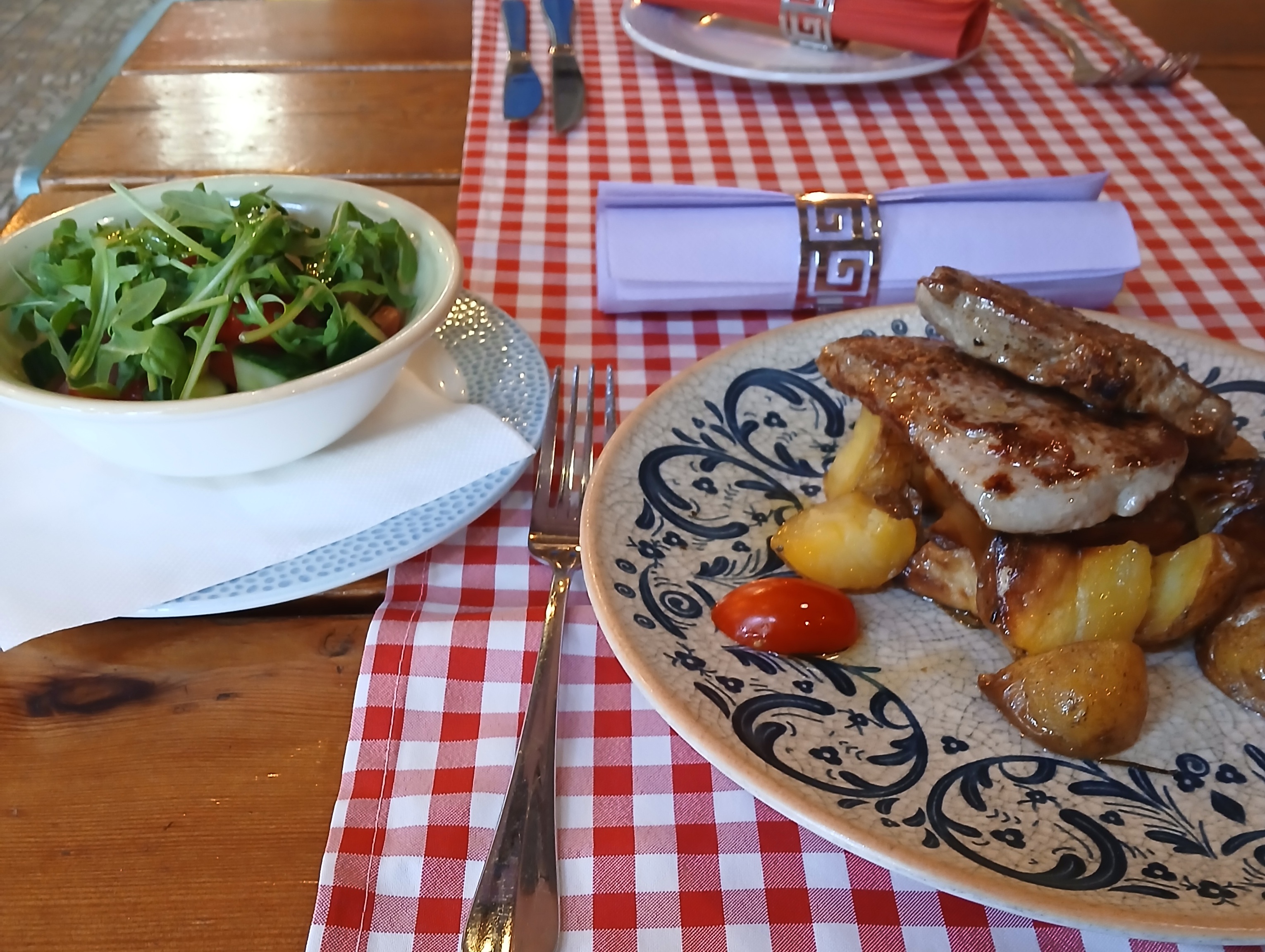
Overall, I found the meat dishes very satisfying, although they were generally accompanied by potatoes, bread, or dumplings, with very little in the way of fresh vegetables. Sometimes there was a small portion of pickled cabbage, which I found particularly welcome because its sharpness helped balance the richness of the meat.
Fried Cheese (Smažený Sýr)
Another dish you'll see on menus all over Prague is fried cheese, known as smažený sýr. It's usually made from a thick slice of cheese, often Edam or another similar variety, which is coated in breadcrumbs and deep-fried until golden. It's commonly served with potatoes or chips and tartare sauce.
I have to admit that this didn't particularly appeal to me. But after seeing it on practically every menu, I eventually decided that I ought to try it at least once. Mine arrived with parsley new potatoes and tartar sauce. No vegetables, no salad, just fried cheese and potatoes. It was perfectly pleasant, but incredibly heavy.
In fact, afterwards I felt as though I needed to walk a couple of kilometres around the Old Town just to recover!
I'm glad I tried it, but I don't think it's something I'll be rushing to order again.
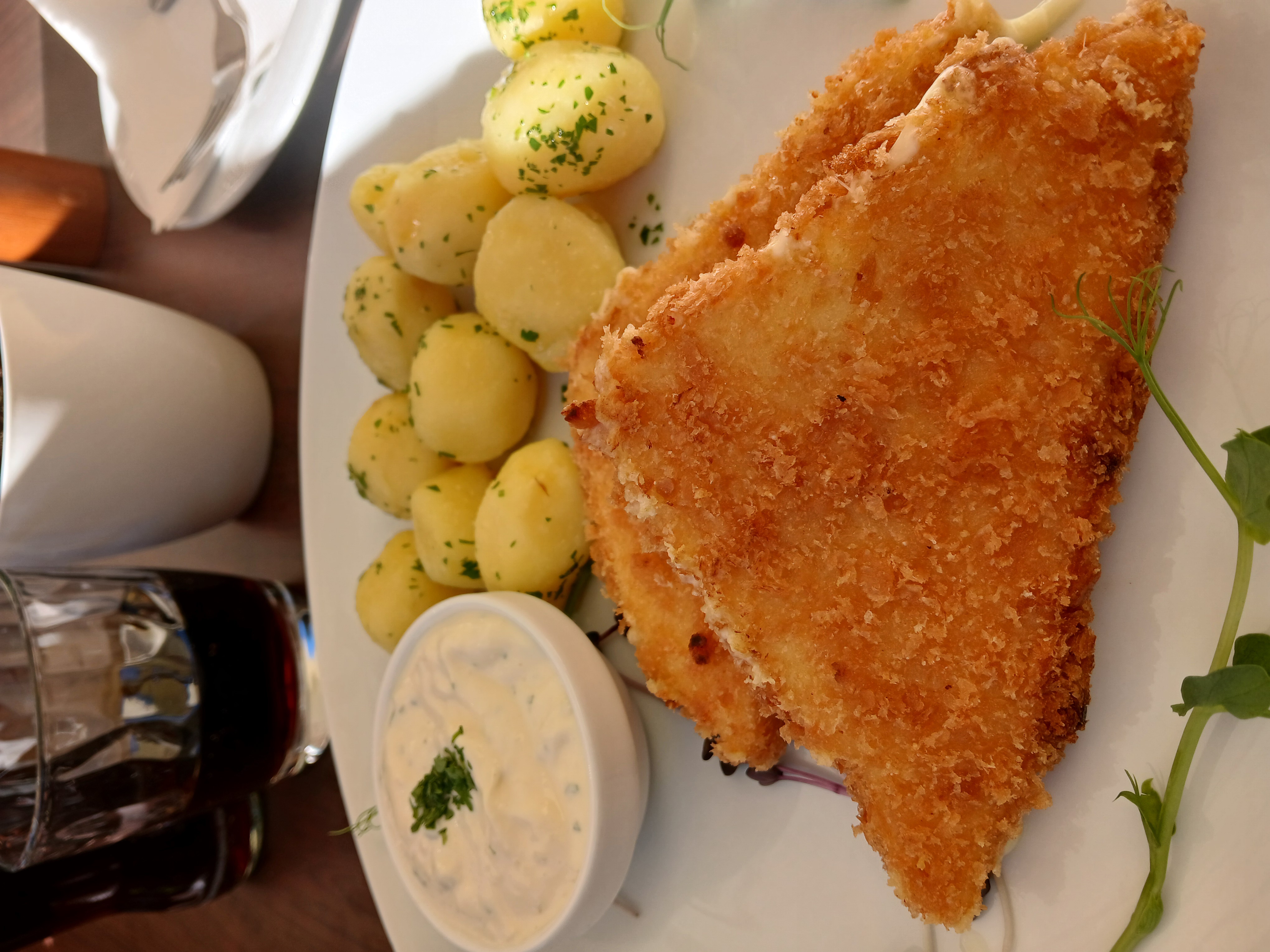
Where Are All the Vegetables?
One thing I noticed when eating in traditional Czech restaurants was the lack of vegetables. Meals were dominated by meat, bread, potatoes, and dumplings, perhaps with a small serving of pickled cabbage on the side.
Of course, Prague has plenty of vegetarian restaurants, international cuisine, and places serving lighter dishes. But I was deliberately choosing local restaurants and traditional Czech food, and fresh vegetables didn't seem to feature very prominently on the menus I encountered.
One day, I sat next to a couple who had clearly reached the same conclusion. They ordered a goat's cheese salad, presumably hoping for something lighter. When it arrived, the piece of goat's cheese was enormous, accompanied by a whole loaf of bread, with barely a lettuce leaf in sight!
We had a bit of a laugh about that.
If you enjoy hearty, traditional food, you'll probably love Czech cuisine. But if you prefer lighter meals with plenty of vegetables, you may want to seek out restaurants offering more contemporary or international menus.
Eating Cheaply in Prague: Look for Local Lunch Canteens
One of my best discoveries in Prague was the inexpensive self-service restaurants and canteens used by local workers. These places are often away from the busiest tourist streets and can offer excellent value for money.
The format is simple. You collect a tray, choose your meal from the dishes available, pay at the counter, and find somewhere to sit. When you've finished, you clear your own tray.
There's nothing fancy about the experience, but the food is generally hearty, the service is quick, and the prices can be considerably lower than in tourist-oriented restaurants.
I had a generous serving of goulash with bread dumplings in one of these canteens for the equivalent of around £5. For a filling lunch in a European capital city, I thought that was excellent value.
These places are particularly popular at lunchtime, when many Czech people eat their main hot meal of the day. That suited me perfectly because I generally prefer eating my main meal at lunchtime rather than late in the evening.
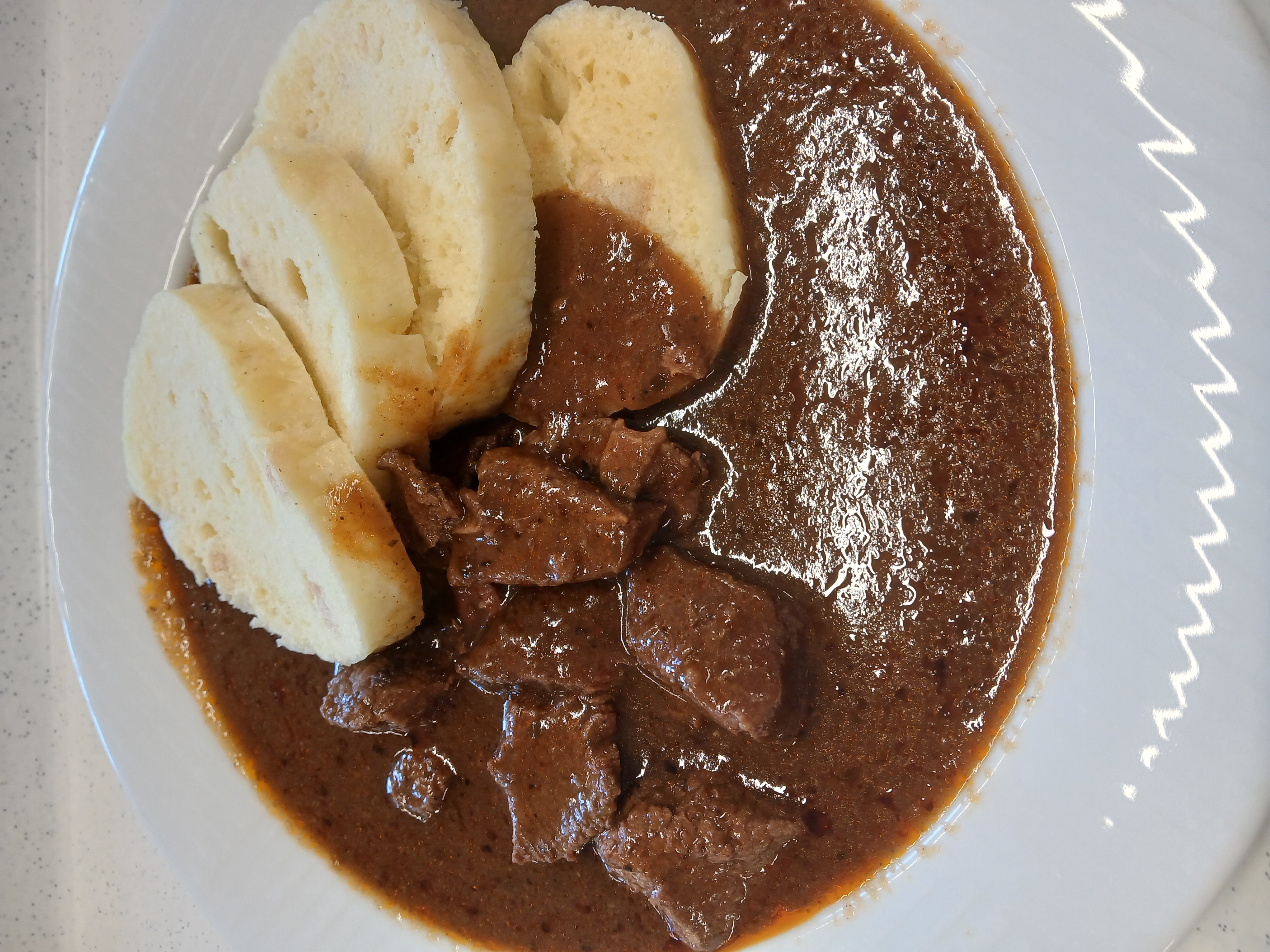
My tip: Look for restaurants advertising a denní menu or polední menu, meaning a daily or lunchtime menu. These often offer much better value than ordering from the full evening menu.
And don't be afraid to venture a few streets away from the main tourist attractions. You may find more local customers, lower prices, and a much more authentic dining experience.
Prague's Sweet Tooth: Cakes, Pastries, and Chimney Cakes
If there's one thing Prague certainly isn't short of, it's sweet treats! I don't think I've ever seen so many sweet shops in one city. There were enormous pick-and-mix shops, bakeries filled with cakes and pastries, and seemingly endless chimney cake stalls.
The chimney cakes were particularly extravagant, with combinations of ice cream, chocolate, caramel sauce, sweets, sugared popcorn, and all kinds of other toppings. Sometimes it seemed as though the aim was simply to pile as many sweet things as possible on top of one another!
I enjoyed my chimney cake-making workshop, although I wasn't particularly enthusiastic about the finished pastry. However, I did indulge in an enormous strawberry and vanilla ice cream-filled chimney cake on my final evening in Prague. I ate the ice cream and saved most of the pastry for breakfast the following morning.
Not exactly a balanced meal, but I was on holiday!
Finding a Savoury Snack Wasn't Always Easy
What surprised me was how difficult it sometimes seemed to find a reasonably priced savoury snack.
On one occasion, I'd already eaten my main meal earlier in the day and simply wanted something small later on. I fancied a cheese and ham toastie, a panini, or something similar. Eventually, I found a café serving exactly that sort of food. However, the savoury options were averaging around £15, while the cakes and desserts were priced between approximately £2.50 and £4.50.
I couldn't quite bring myself to spend £15 on a toastie. So I ended up having a slice of cheesecake and a coffee instead!
What to Drink in Prague
Czech Beer and Pilsner Urquell
Beer is an enormous part of Czech culture, and the country is famous for its brewing traditions.
One of the best-known brands is Pilsner Urquell, which originated in the Czech city of Plzeň in 1842 and helped establish the pale lager style now enjoyed around the world.
Czechs are understandably proud of their beer, and you'll find it served in pubs, restaurants, and beer halls throughout Prague. Beer is often relatively inexpensive compared with prices in the UK, particularly away from the busiest tourist areas. During my walking tour, Micha joked that locals sometimes refer to beer as medicine rather than alcohol!
I don't drink alcohol, so I didn't sample any of Prague's famous beers, but it was impossible not to notice how important beer is to the city's food and social culture.
Slivovice: Traditional Plum Brandy
Another drink I noticed in traditional restaurants was slivovice, a strong fruit spirit made from plums. It's particularly associated with Moravia and other parts of Central and Eastern Europe.
I often saw diners being offered a small shot after their meal, as a digestif.
Kofola: A Czech Alternative to Coca-Cola
As I don't drink alcohol, I generally stick to water, coffee, and sugar-free soft drinks.
I was pleased to discover Kofola, a popular Czech and Slovak cola-style drink with a distinctive herbal flavour. Originally developed in Czechoslovakia during the Communist era, Kofola has become something of a local institution. I particularly liked seeing it served in traditional glass bottles, and I thought it was very tasty, especially the sugar-free version.
Of course, Coke Zero and other familiar soft drinks are also widely available.
My Tips for Eating and Drinking in Prague
If you're visiting Prague for the first time, I'd definitely recommend trying some traditional Czech dishes. The food is hearty, filling, and an important part of the country's culture.
However, based on my experience, I'd suggest keeping a few things in mind:
Eat your main meal at lunchtime. Look for local canteens and restaurants offering daily lunch menus for excellent value.
Don't expect enormous portions of vegetables. Traditional dishes often focus on meat, dumplings, bread, and potatoes.
Check portion sizes before ordering. Some dishes, particularly pork knuckle, are large enough to share.
Venture away from the busiest tourist streets. You can often find better prices and a more local atmosphere.
Try something unfamiliar. Even if you don't end up loving fried cheese or chimney cake, it's all part of the travel experience.
You don't need to drink beer to enjoy Prague. There are plenty of alternatives, including local soft drinks, coffee, and mineral water.
For me, food is always part of discovering a destination, even when some dishes turn out to be more memorable than delicious. And Prague certainly provided plenty of memorable meals!
Practical Tips for Visiting Prague
Prague is a relatively straightforward city to visit independently, and I found it an enjoyable place to explore during my week there. However, there are a few things worth knowing before you arrive, particularly if you're visiting for the first time.
These are my practical tips, based on my own experiences in October 2026.
What Currency Do You Need in Prague?
Although the Czech Republic is a member of the European Union, it doesn't use the euro. The official currency is the Czech koruna (CZK), sometimes called the Czech crown. Some tourist-oriented businesses accept euros, but the exchange rate may not be particularly favourable, so I'd recommend paying in Czech koruna.
Credit and debit cards are widely accepted in Prague, particularly in hotels, restaurants, shops, and major attractions. However, it's still useful to carry a little cash for smaller purchases, public toilets, or places that don't accept cards.
If you're withdrawing money from a cash machine or paying by card and you're offered the choice between pounds and Czech koruna, it's generally better to choose Czech koruna and let your own bank handle the conversion, assuming your card offers a reasonable exchange rate.
And never exchange money with someone approaching you on the street.
Is Prague Expensive to Visit?
Prague can be surprisingly affordable, but it depends very much on where you stay, eat, and spend your time.
The historic centre is packed with tourist-oriented restaurants, souvenir shops, and attractions, and prices can be considerably higher than in neighbourhoods further away.
I stayed in a small Airbnb apartment near Lipanská, around 20 minutes from the centre by tram, for about £40 per night, rather than paying for an expensive central hotel.
I also discovered local lunchtime canteens where I could enjoy a substantial Czech meal for the equivalent of around £5.
Public transport was another bargain, and I found that simply walking around Prague was one of the most enjoyable things to do.
Of course, admission fees for historic buildings, museums, and organised activities can add up.
But Prague doesn't have to be an expensive destination if you're prepared to look beyond the obvious tourist options.
Is Prague Safe for Solo Travellers?
I travelled to Prague alone and felt comfortable exploring independently. I walked extensively, used public transport every day, ate in restaurants by myself, and stayed in a residential neighbourhood outside the main tourist centre. I found the city easy to navigate, and I didn't experience any problems during my visit.
Of course, that doesn't mean you should abandon your usual precautions.
Like most popular European cities, Prague has pickpockets, particularly around busy tourist attractions and on crowded public transport. Keep your valuables secure, be aware of your surroundings, and take particular care in places such as Old Town Square, Charles Bridge, and crowded trams.
I always recommend carrying a crossbody bag that closes securely and keeping your phone somewhere safe when you're not using it.
If you're travelling solo, it's also worth saving the address of your accommodation on your phone and letting someone at home know your general plans.
My experience: Prague felt like a very manageable destination for independent solo travel, including for older women.
Do People Speak English in Prague?
I had no difficulty communicating in Prague. English is widely spoken in hotels, major attractions, restaurants, and other businesses catering to visitors.
However, you shouldn't assume that everyone speaks English, particularly in smaller local establishments. I always think it's polite to learn a few words of the local language, even if your pronunciation isn't perfect.
A few useful Czech phrases include:
English | Czech |
|---|---|
Hello | Dobrý den |
Thank you | Děkuji |
Please | Prosím |
Yes | Ano |
No | Ne |
Goodbye | Na shledanou |
Even a simple thank you is appreciated. And if you're struggling to understand something, a translation app can be very useful.
Book Popular Attractions in Advance
This is one piece of advice I wish I'd followed more carefully!
Prague has some extremely popular attractions, and tickets for certain experiences can sell out well in advance. I particularly wanted to visit the beautiful Baroque Library at the Clementinum. Unfortunately, when I tried to book, the next available tickets were for 31 October, long after I was due to leave Prague.
So I missed out. It was a useful reminder that you can't always assume you'll be able to buy a ticket on the day.
I'd particularly recommend booking ahead for attractions with limited guided-tour places, special exhibitions, and popular cultural performances. That said, you don't need to organise every minute of your holiday. I enjoyed having the flexibility to wander around Prague, discover unexpected places, and change my plans when something caught my attention.
For me, the ideal approach is to book the things you really don't want to miss and leave some free time for spontaneous exploring.
Be Prepared for Crowds
Prague is an extremely popular tourist destination, and some areas can feel very crowded. Charles Bridge, Old Town Square, and Prague Castle were particularly busy during my visit. Even in October, outside the main summer holiday season, I encountered large tour groups and queues at several attractions.
If you want to photograph Charles Bridge without hundreds of other people, try visiting early in the morning.
It's also worth exploring the quieter streets away from the main tourist routes.
Sometimes you only need to walk a few minutes away from a major attraction to find a completely different atmosphere.
Wear Comfortable Shoes
This might sound obvious, but it's worth emphasising. Prague is a city of cobbled streets, uneven pavements, steps, and hills.
You'll probably do considerably more walking than you expect, even if you're using public transport regularly. I spent hours exploring on foot, and comfortable shoes were absolutely essential.
If you have mobility difficulties, check the accessibility of individual attractions before visiting. Some historic buildings have steep staircases, narrow passages, or limited lift access.
And don't underestimate the hills around Prague Castle, Hradčany, and Petřín.
Don't Assume Every Historic Building Is Fully Accessible
Prague has some extraordinary historic buildings, but it's worth checking exactly what your admission ticket includes.
At Strahov Monastery, for example, visitors with a standard library ticket can admire the historic library halls from the doorways rather than walking freely around them.
The Clementinum Baroque Library also has restricted access to protect its historic interior.
Similarly, some churches are only open for services or at particular times, while others charge admission.
I occasionally decided that paying to look into a room from a doorway wasn't worth it for me. Of course, everyone has different interests and priorities, but I think it's useful to know what you're actually paying to see.
Check Opening Days and Times
Not every attraction in Prague is open every day.
Some museums and galleries close on Mondays, while synagogues and other Jewish heritage attractions may close on Saturdays and Jewish holidays. Churches may also restrict tourist access during religious services.
Opening hours can vary according to the season, and some attractions require timed tickets or guided tours.
I'd recommend checking the official website of anywhere you particularly want to visit before setting off.
It can save a wasted journey and a great deal of disappointment.
When Is the Best Time to Visit Prague?
I visited Prague in the middle of October and thought it was a lovely time to explore the city.
The autumn colours were beautiful, particularly around Petřín Hill, and I was surprised to see roses still flowering in some of the gardens. I even enjoyed an unusually warm, sunny day during my excursion to Český Krumlov and Hluboká Castle. However, October weather can be unpredictable, and some mornings were decidedly misty.
Spring and autumn are both appealing times to visit if you want to avoid the hottest weather, although Prague can be busy throughout the year.
Summer offers longer days and outdoor events, but it's also a popular time for tourists.
Winter can be cold, but the city's Christmas markets and historic architecture create a wonderful atmosphere.
Personally, I'd happily return in autumn.
A Few Words About Tourist Behaviour
Prague is famous for its beer culture and lively nightlife, and it's a popular destination for stag and hen parties. I certainly saw plenty of groups enjoying themselves during my visit. Unfortunately, I also encountered some tourists whose behaviour was rather less considerate.
It's worth remembering that Prague isn't simply a tourist attraction. It's a living city where people work, raise families, and go about their everyday lives. Respecting local residents, keeping noise down at night, and treating historic buildings and public spaces carefully should go without saying.
Prague's beautiful architecture and fascinating history deserve far more attention than its reputation as a cheap drinking destination.
Is Tipping Expected in Prague?
Tipping is customary in many Prague restaurants, but it isn't compulsory.
If you've received good service, leaving around 5–10% is generally appreciated. It's also common to round up the bill rather than calculate an exact percentage.
Before adding a tip, check whether a service charge has already been included. And don't feel obliged to leave a large tip simply because you're eating in a tourist area.
My Final Practical Advice for Visiting Prague
If I could offer just one piece of advice, it would be this: don't try to see everything.
Prague is a fascinating city with far more to explore than its most famous landmarks. I spent a full week there, and I still came away with a list of places I'd love to visit another time.
Book the attractions that matter most to you, use the excellent public transport system, and don't be afraid to venture beyond the Old Town.
Leave time to wander, sit in a café, browse a bookshop, or simply enjoy the atmosphere. Those quieter moments are often just as memorable as the big-name attractions.
Best Day Trips from Prague
Although there's more than enough to keep you busy in Prague itself, I'd definitely recommend exploring beyond the capital if you have time. The Czech Republic is home to beautiful historic towns, impressive castles, and lovely countryside, and several destinations can be visited on a day trip from Prague.
During my week in the city, I took an organised full-day excursion to Český Krumlov and Hluboká Castle. It was one of the highlights of my visit, and I thoroughly enjoyed seeing a completely different side of the country.
Český Krumlov and Hluboká Castle: My Favourite Day Trip from Prague
I booked a full-day coach excursion combining two of the Czech Republic's most beautiful attractions: the historic town of Český Krumlov and the magnificent Hluboká Castle.
We left Prague at around 8 a.m. and returned at approximately 6.30 p.m., so it was a long day, but absolutely worthwhile.
The journey took us through the Czech countryside, and it was lovely to see somewhere beyond the busy streets of the capital.
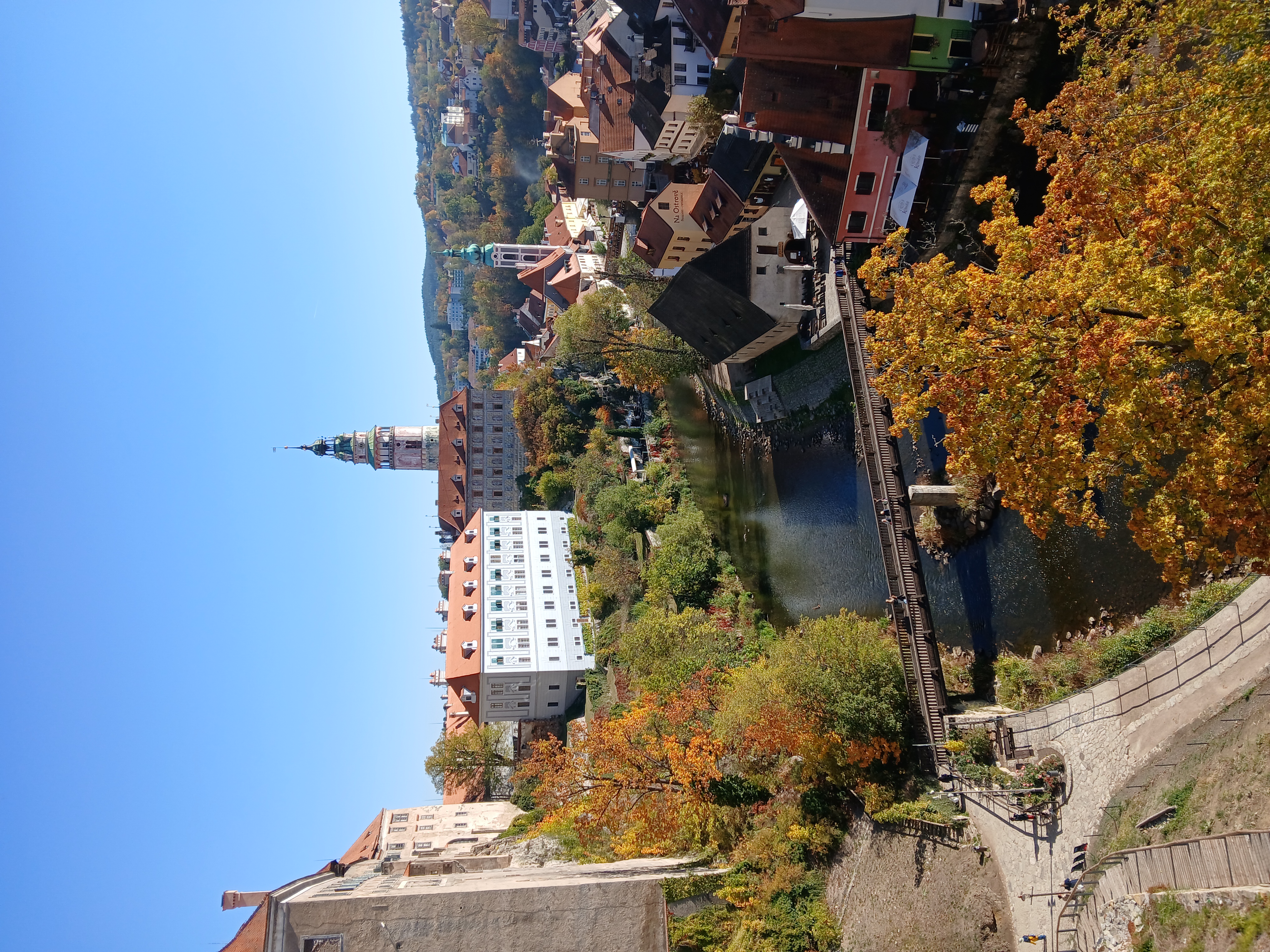
Exploring Český Krumlov
Český Krumlov is a beautiful medieval town in southern Bohemia, famous for its historic centre, winding streets, and impressive castle overlooking the River Vltava. Its historic centre has been a UNESCO World Heritage Site since 1992. The town is built around a bend in the river, with colourful historic buildings, narrow cobbled streets, and picturesque views around almost every corner. It's one of those places that feels almost impossibly pretty.
The castle dominates the town from above, and the views across the rooftops and river are spectacular. During our visit, we explored the historic streets and enjoyed the atmosphere of the town.
We also spent time around the castle exterior and grounds, admiring the architecture and the views over Český Krumlov. I didn't visit the castle's interior, but there was still plenty to enjoy without doing so.
One of my favourite discoveries was the Church of St Vitus, a beautiful Gothic church with an impressive interior. It's easy to focus entirely on the castle when visiting Český Krumlov, but I'd definitely recommend making time to see the church as well.
I also enjoyed lunch beside the river, which was a lovely opportunity to sit down and appreciate the surroundings.
Although Český Krumlov is a popular tourist destination, I thought it was a wonderful place to spend a few hours. I could easily imagine returning for a longer visit, perhaps staying overnight when the day-trip crowds have disappeared.
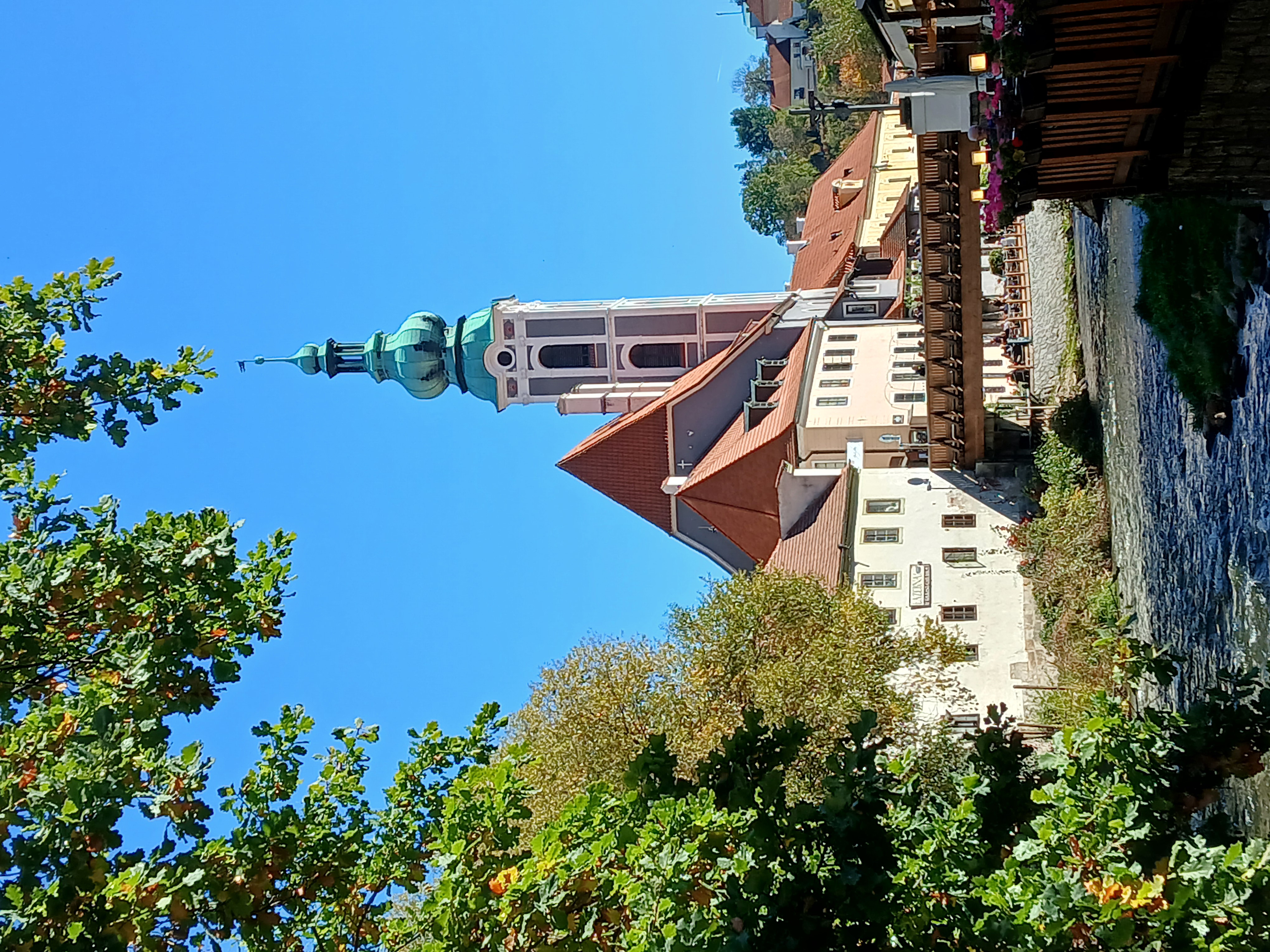
Visiting Hluboká Castle
Our second stop was Hluboká Castle, a spectacular white château near the town of České Budějovice. With its towers, battlements, and romantic appearance, it's one of the most striking castles in the Czech Republic.
The castle's present appearance dates largely from a 19th-century neo-Gothic transformation, influenced by English architecture, including Windsor Castle. Although I have to admit that I couldn't really see the resemblance to Windsor myself!
We had around 30 minutes at Hluboká, so there wasn't enough time to tour the interior. Instead, I explored the exterior, courtyards, and gardens, admiring the beautiful white architecture. And it really is a stunning building.
We were also incredibly lucky with the weather. It was an unusually warm October afternoon, with temperatures reaching around 22–23°C, and the sunshine made the castle look even more beautiful.
Although our visit was brief, I was very glad that Hluboká Castle had been included in the itinerary. It's somewhere I'd happily return to explore in more detail.
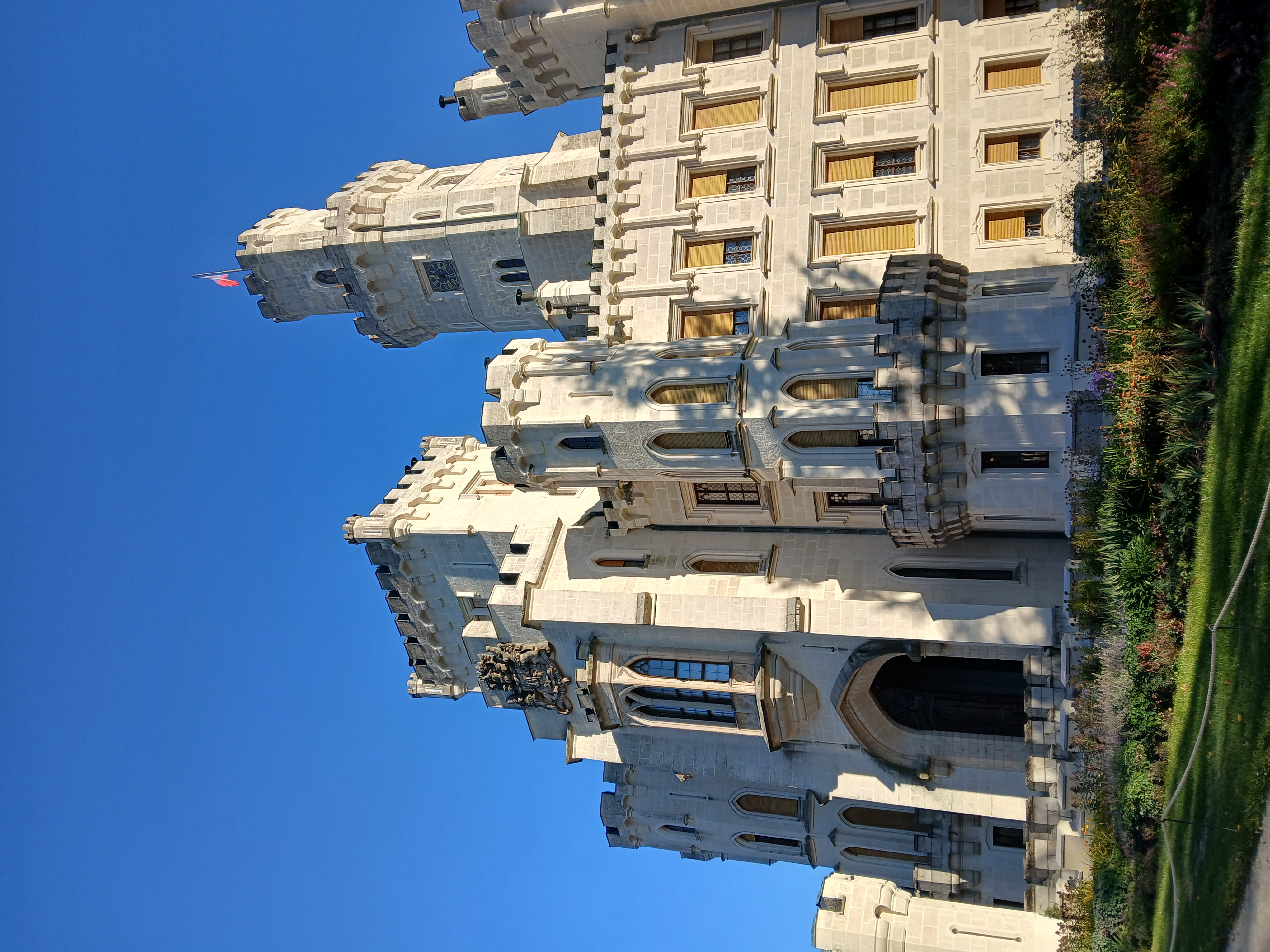
Is the Český Krumlov and Hluboká Castle Day Trip Worth It?
Absolutely! For me, it was a wonderful way to experience something of the Czech Republic beyond Prague.
Český Krumlov is a fascinating historic town, while Hluboká Castle is one of the most beautiful buildings I saw during my entire trip.
However, there are a couple of things to bear in mind. It's a long day, with several hours spent travelling, so you need to be comfortable with that. And because the tour combines two destinations, you won't have unlimited time in either place. If you're particularly interested in exploring Český Krumlov in depth, visiting the castle interiors, or spending time in its museums, you might prefer to travel independently and stay overnight.
But if you have limited time and want to see both places in one day, an organised excursion is a convenient option.
My recommendation: If you're spending five days or more in Prague, I'd seriously consider adding this excursion to your itinerary. It was one of my favourite experiences of the week.
Kutná Hora: Medieval History and the Bone Church
Another popular day trip from Prague is Kutná Hora, a historic town approximately 80 kilometres east of the capital. Kutná Hora became wealthy during the Middle Ages because of its silver mines, and its historic centre is now a UNESCO World Heritage Site.
One of its most famous attractions is St Barbara's Cathedral, an extraordinary Gothic church built to reflect the town's wealth and importance.
However, Kutná Hora is perhaps best known among visitors for the Sedlec Ossuary, often called the Bone Church. This small chapel contains decorations made from thousands of human bones, arranged into chandeliers, coats of arms, and other elaborate designs. It's certainly an unusual attraction and one that may particularly appeal to anyone interested in dark tourism.
Kutná Hora can be reached by train from Prague, although visiting the main attractions may involve additional local transport or walking. Organised day tours are also available.
I didn't manage to visit Kutná Hora on this trip, but it's somewhere I'd be interested in exploring on a future visit.
Karlštejn Castle: An Easy Escape from Prague
If you'd prefer a shorter excursion, Karlštejn Castle is another excellent possibility. Located around 30 kilometres southwest of Prague, this imposing Gothic castle was founded in 1348 by Charles IV, King of Bohemia and later Holy Roman Emperor. It was built to safeguard royal treasures and important relics.
The castle sits dramatically above the surrounding village and countryside, making it a popular destination for visitors who want to combine history with a scenic walk.
Karlštejn is relatively easy to reach by train from Prague, followed by an uphill walk from the railway station to the castle. Different guided tours provide access to different parts of the building, so it's worth checking what's included before booking.
I didn't visit Karlštejn myself, but it looks like a lovely option if you want to escape the city for a few hours without committing to a full-day coach excursion.
Should You Take a Day Trip from Prague?
If you're only spending two or three days in Prague, I'd probably concentrate on the city itself. There's so much to see that you could easily fill your entire visit without venturing further afield.
However, if you're staying for five days or longer, I'd definitely recommend considering at least one day trip. For me, the excursion to Český Krumlov and Hluboká Castle was a wonderful contrast to Prague's busy historic centre. It gave me the opportunity to see beautiful countryside, discover another fascinating town, and admire one of the country's most spectacular castles.
And it reminded me that there's so much more to the Czech Republic than its famous capital.
Final Thoughts
Prague is a beautiful, fascinating city, and I'm so glad I finally had the opportunity to explore it.
From the magnificent architecture of Old Town Square and the grandeur of Prague Castle to the quiet streets, historic churches, and wonderful views across the River Vltava, there seemed to be something interesting around every corner. What I particularly loved was the sense of history. Prague has witnessed centuries of political, religious, and cultural change, and so much of that history is still visible in its buildings, monuments, and streets.
But it wasn't just the famous attractions that made my visit memorable. I loved travelling around on the trams, discovering inexpensive local restaurants, browsing bookshops, enjoying a coffee, and simply wandering without any particular destination in mind.
I also appreciated how easy Prague was to explore independently. As a solo traveller, I found the city welcoming and manageable, and its excellent public transport system meant that I could stay in affordable accommodation outside the historic centre without missing out on anything.
Of course, Prague isn't perfect. The main tourist attractions can be incredibly crowded, and some parts of the city feel rather overwhelmed by tourism. But venture just a little way from the busiest streets, and you'll discover a different side of Prague, one that's every bit as interesting.
I spent seven nights in the city, and despite packing an enormous amount into my visit, I still didn't manage to see everything on my list. And perhaps that's the best recommendation I can give it.
Prague is somewhere I'd happily return to, knowing there would still be plenty of new places to discover.
If you're planning your first visit, I hope this guide has given you some inspiration, along with practical advice to help you make the most of your time. Whether you have a couple of days or a whole week, take your time, explore beyond the obvious attractions, and leave room for a few unexpected discoveries.
Because sometimes the most memorable travel experiences are the ones you never planned.
Watch this Video for More About Prague
If you’re travelling soon, please use these links!
Are you travelling soon? Use these links when making your bookings. These are the companies I use. It won’t cost you any extra, but I will earn a few pennies to help keep Happy Days Travel & Crafts going. Thank you!!
Make sure you take out travel insurance. If you are a digital nomad or long-term traveller, try the specialist provider SafetyWing. (Never leave home without protecting yourself, your trip and your belongings!)
Book your flight with Skyscanner
Book your accommodation with Booking.com
Book a tour with TourRadar
Book city tours and activities with Viator or GetYourGuide
Check out my Resource Page for more companies I recommend.
Disclosure: This post contains affiliate links. If you click through for more information, or to make a purchase, it may result in a small commission coming my way. Please note that there is no extra cost to you associated with this. Thank you so much for supporting my site.
