The Best Things to Do in Delhi: A Slow Traveller’s Guide (2026)
Delhi surprised me.
Before arriving, almost everyone I spoke to told me the same thing: “You only need a couple of days in Delhi.” Some people even suggested skipping it altogether and heading straight to Rajasthan or Agra.
In the end, I spent nearly two weeks in India’s capital — and honestly, I could have stayed longer.
Yes, Delhi is chaotic. It is noisy, crowded, hot, and sometimes overwhelming. The traffic appears to operate according to rules known only to the drivers themselves. Rickshaws squeeze through impossible gaps. Horns sound constantly. Streets pulse with movement.
But Delhi is also full of surprising pockets of calm.
You can spend the morning dodging cycle rickshaws through the tangled alleyways of Old Delhi and the afternoon sitting beneath trees listening to birdsong in a centuries-old fort. One moment you are standing in the middle of one of Asia’s busiest spice markets, and the next you are barefoot in a peaceful mosque courtyard or Sikh temple listening to devotional music.
I had also been warned endlessly about Delhi’s pollution before arriving. Perhaps expectations had been set so low, but I honestly didn’t find it nearly as bad as I feared. What struck me far more strongly were the colours, smells, sounds, extraordinary history, and the warmth of so many people I met along the way.
Delhi became one of the highlights of my time in India.
If you slow down, resist the urge to rush, and allow yourself time to explore beyond the obvious sights, I think Delhi might surprise you, too.
Here are my favourite things to do in Delhi — from Mughal forts and chaotic bazaars to hidden peaceful spaces and some of the best food I ate anywhere in India.
To jump to a particular part of this article, please use these links:
Why Delhi Deserves More Time Than You Think
Wander the Streets of Chandni Chowk
Visit Khari Baoli Spice Market
Shop at the Government-Run State Emporiums
Visit Jhandewalan Hanuman Temple
Explore Purana Qila (Delhi’s Old Fort)
Spend Time at the National Crafts Museum
Follow Gandhi’s Story Through Delhi
Final Thoughts: Don’t Rush Delhi
Why Delhi Deserves More Time Than You Think
I know that itineraries are tight, especially if you are visiting India for the first time. Most people are trying to squeeze Delhi, Agra, Jaipur, and perhaps somewhere else into one short trip.
But Delhi deserves more than a flying visit.
The city has layer upon layer of history. Mughal emperors, British colonial planners, Sikh history, Gandhi’s legacy, modern India, incredible food culture, markets, architecture, spirituality, textiles, crafts — it is all here.
What surprised me most was how different each area of the city felt.
Old Delhi is gloriously chaotic and intense. It feels like stepping into another world, where spice-laden alleyways, tiny shops, cycle rickshaws, mosques, temples, and food stalls collide in a whirlwind of activity.
New Delhi, built by the British, feels spacious and grand, with broad boulevards, parks, elegant buildings, and quieter neighbourhoods.
I came to Delhi expecting noise and madness. I left genuinely loving the city.
Explore the Red Fort
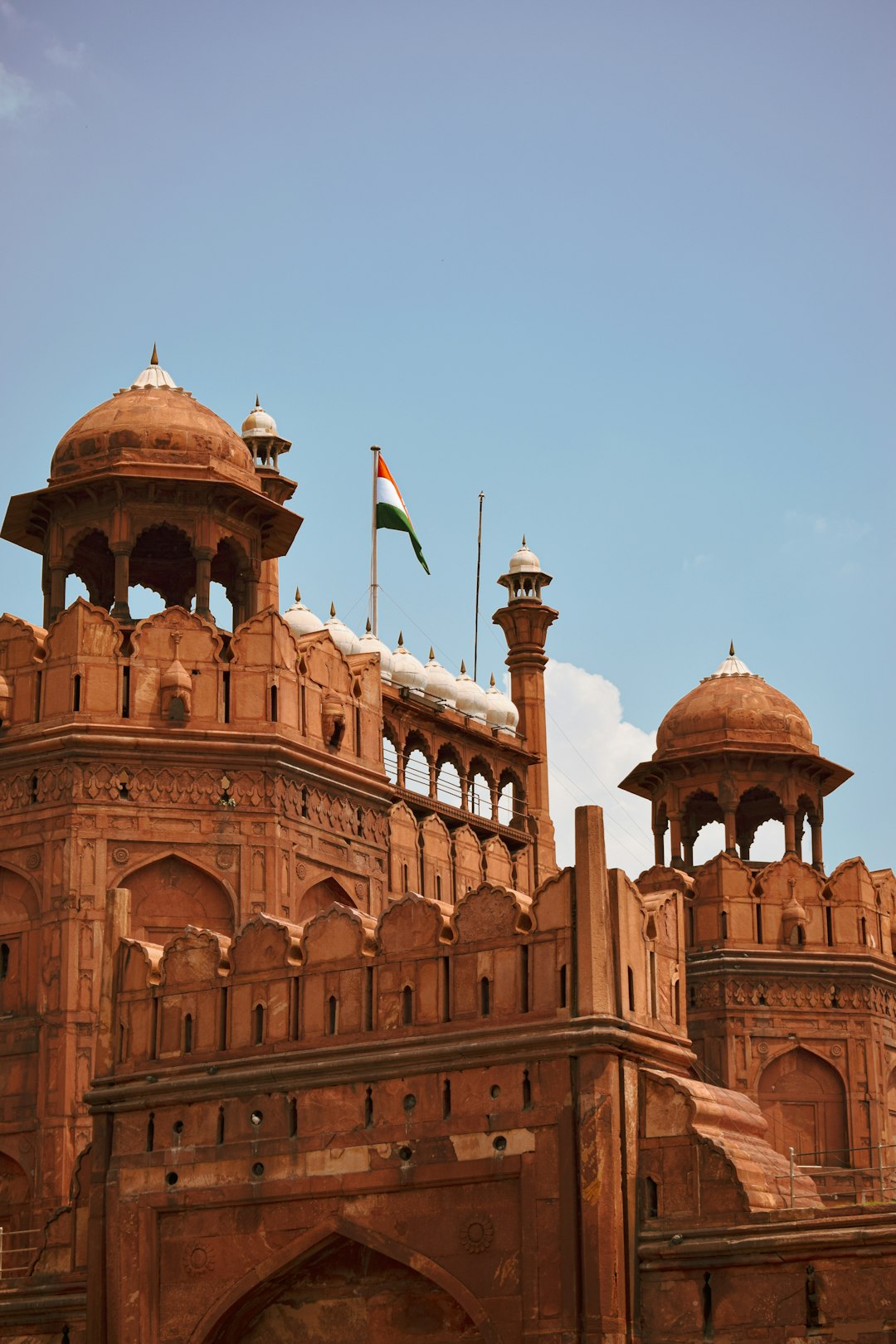
If there is one place that instantly transports you back to Mughal Delhi, it is the Red Fort.
Standing proudly at the edge of Old Delhi, this enormous sandstone fortress was commissioned by Emperor Shah Jahan in 1639 when he moved his capital from Agra to Delhi - the same emperor, of course, who built the Taj Mahal.
Even before stepping inside, the scale of the place is impressive.
I visited on a rainy morning, arriving by auto after what can only be described as a fairly terrifying ride through Delhi traffic! Outside the entrance, there were the usual crowds, enthusiastic unofficial guides, salesmen, and offers of assistance coming from every direction. Once through security, however, everything suddenly became calmer.
The fort itself is vast.
You enter through Chhatta Chowk, a covered bazaar that once sold luxury goods such as silks, jewels, and fine textiles to the imperial court. Today, it is full of souvenir stalls, but it still gives a sense of the grandeur that once existed here.
Beyond the market lie palaces, audience halls, gardens, mosques, museums, and marble buildings that hint at the unimaginable wealth of the Mughal emperors.
One of the highlights is the stunning Diwan-i-Am, the Hall of Public Audience, where Shah Jahan listened to grievances from ordinary people. The intricate marble details throughout the complex are extraordinary.
The history here is fascinating, too. The fort was plundered by Persian invader Nadir Shah in 1739 and later badly damaged by the British after the Indian Rebellion of 1857. Many original marble buildings were destroyed, although enough remains to make a visit absolutely worthwhile.
Today, the Red Fort remains deeply symbolic for modern India. Every Independence Day, India’s Prime Minister raises the national flag here and addresses the nation.
Allow at least half a day for your visit. There is far more to see than you might expect.
Visit Jama Masjid
In the middle of Old Delhi’s chaos sits one of the city’s greatest peaceful spaces.
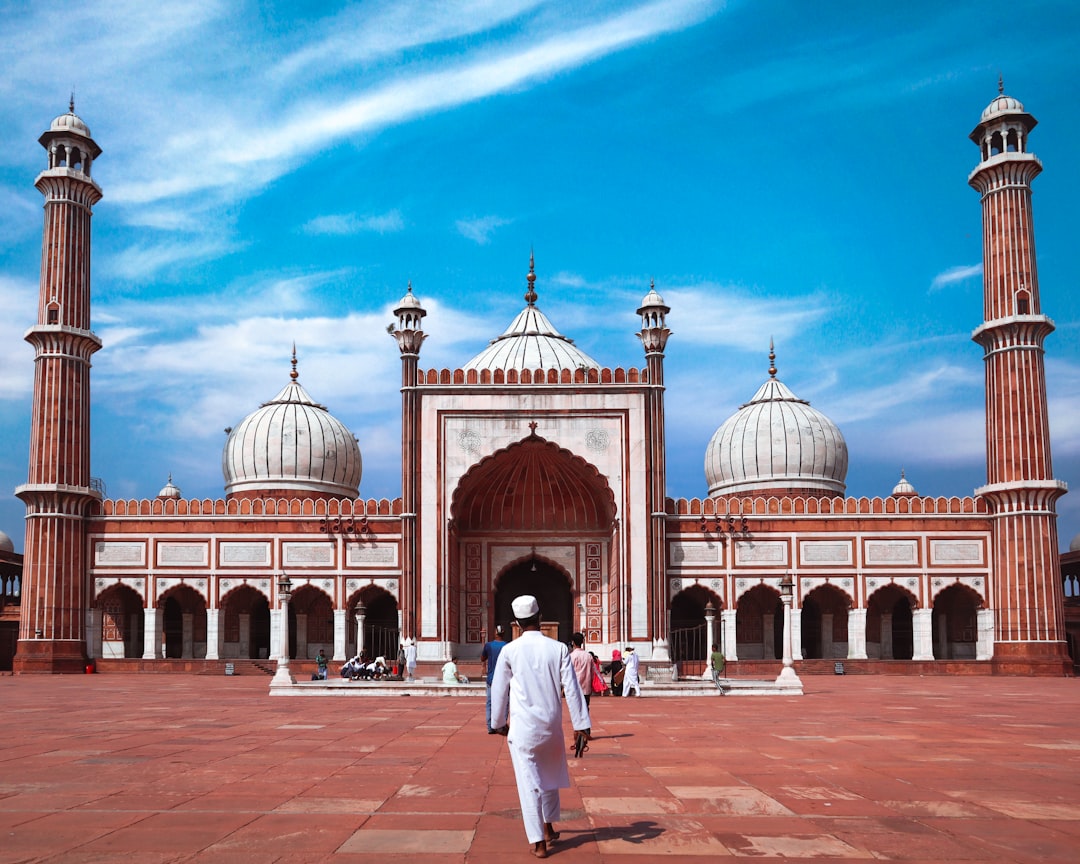
Built by Shah Jahan between 1644 and 1658, Jama Masjid is one of the largest mosques in India and can hold around 25,000 worshippers.
Stepping through the gates feels like entering another world.
Outside, the streets are noisy, frantic, and filled with traffic. Inside, there is suddenly space to breathe.
The huge courtyard stretches out in front of you, framed by elegant red sandstone and marble buildings, with towering minarets rising into the sky. It is hard not to stop for a moment simply to take it all in.
I visited as part of a walking tour and, like all female visitors, had to wear one of the rather glamorous nylon cover-ups before entering! Delhi was already hot enough without extra layers, so we were all quietly melting within minutes.
If you are feeling energetic, it is possible to climb one of the mosque’s minarets for panoramic views across Old Delhi. I decided to stay firmly on ground level, but those who climbed said the views were spectacular.
One of my strongest memories of Jama Masjid, however, had nothing to do with the architecture.
While we waited in the courtyard, a kite flying overhead suddenly dropped a piece of meat with an audible splat nearby, instantly attracting dozens of circling birds hoping to reclaim it. There were lots of people near it, but one bird was braver than the others and swooped down into the middle of the crowd to grab it. I was lucky enough to catch the moment on video 😀. It was one of those wonderfully bizarre travel moments that somehow sums up India perfectly.
Wander the Streets of Chandni Chowk
You cannot visit Delhi without experiencing Chandni Chowk.
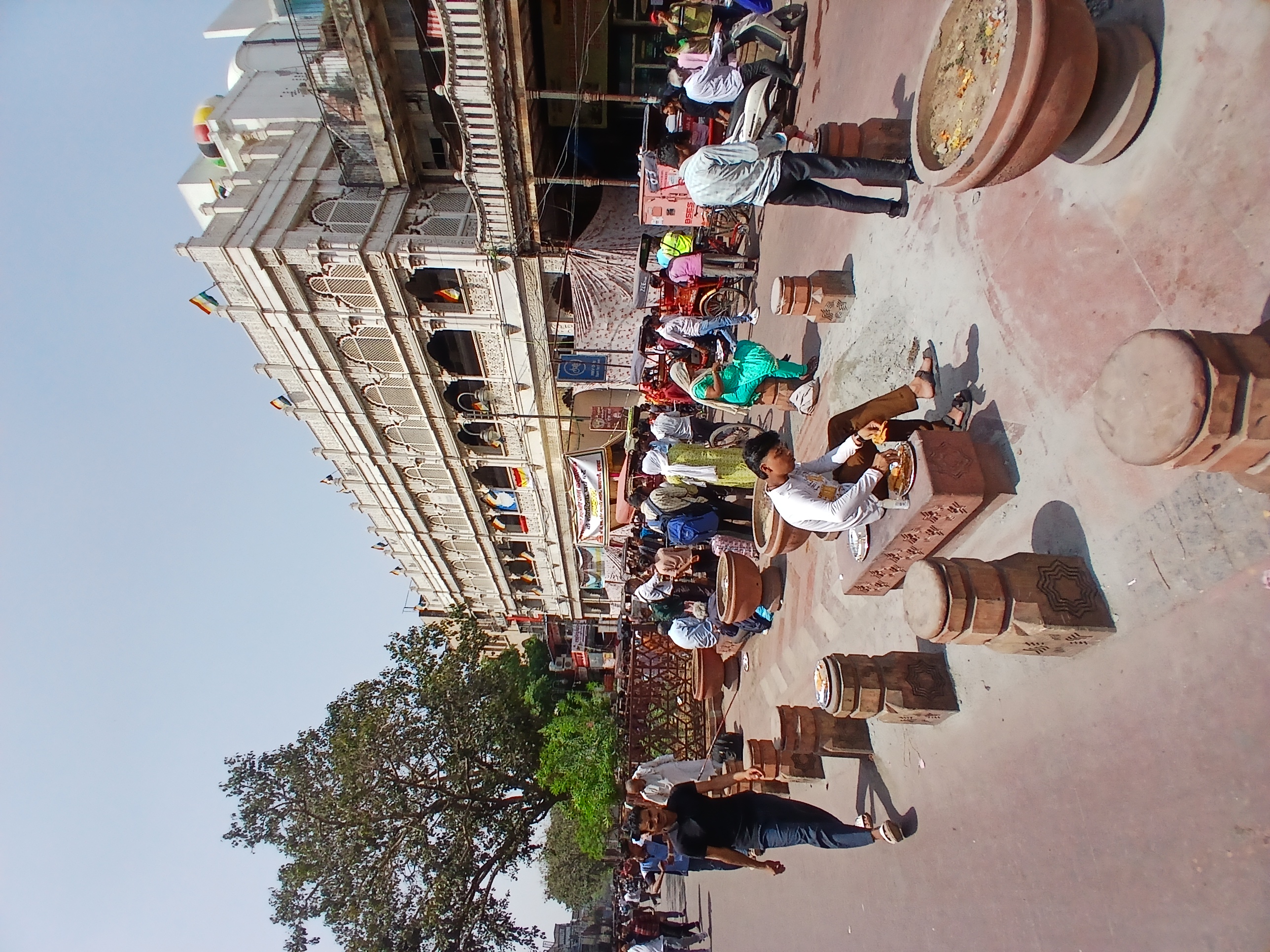
This historic street forms the heart of Old Delhi and is gloriously, unapologetically chaotic.
Originally designed by Shah Jahan’s daughter, Jahanara Begum, Chandni Chowk was once an elegant, tree-lined boulevard lined with merchants and canals. Today, it feels more like sensory overload — in the very best possible way.
Cycle rickshaws weave through impossible gaps. Market traders shout to customers. Scooters appear from nowhere, even though motorised vehicles are banned from the area during daylight hours. The smell of spices drifts through the air. Electrical wires seem to form entire ecosystems overhead.
And somehow, against all odds, everything functions.
The best way to experience Chandni Chowk is simply to wander.
Step away from the main road and explore the alleyways. Some streets specialise in wedding clothes and glittering decorations. Others sell books, spices, jewellery, fabrics, or religious items. I especially loved exploring the quieter Jain area, where the atmosphere suddenly changes and everything feels calmer and more residential.
This is Delhi at its most authentic and atmospheric.
Take a Food Tour in Old Delhi
If you only do one organised activity in Delhi, make it a food tour of Old Delhi.
I booked one around Chandni Chowk and absolutely loved it.
Delhi’s street food scene can feel intimidating at first, especially if you are new to India. Having a local guide made all the difference, not only for understanding what I was eating but also for navigating the maze of tiny restaurants hidden away down back alleys.
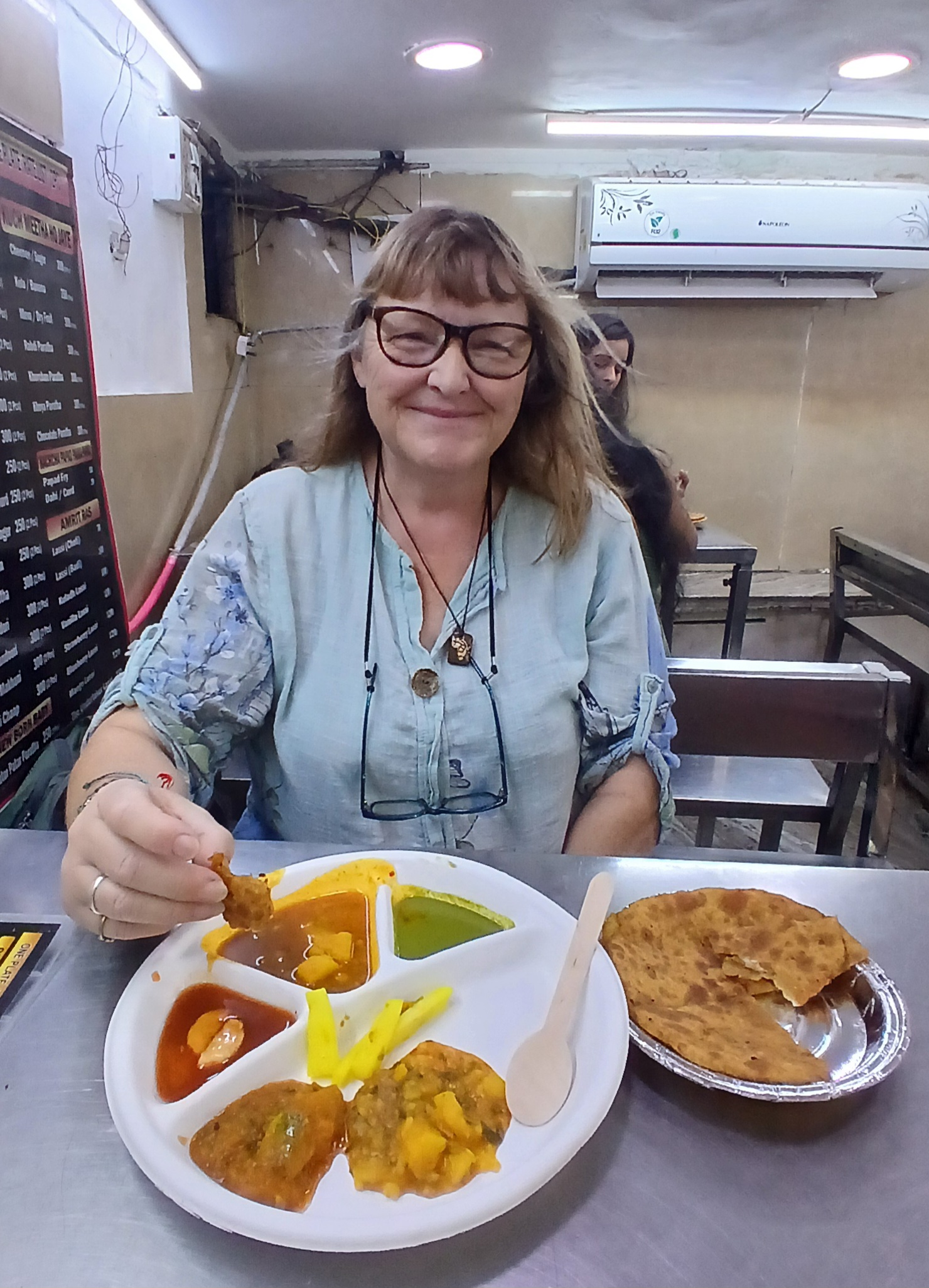
Over the course of one gloriously excessive morning, I sampled jalebi, paratha, kulfi, golgappa, masala chai, and mango lassi.
Some things were more successful than others.
The jalebi — a deep-fried sugary sweet soaked in syrup — was far too sweet for my tastes. I politely tried some and quietly surrendered after that!
The golgappa, however, was an unexpected favourite. Crisp hollow puris filled with spiced potatoes and tangy mint water sounded slightly alarming but tasted absolutely delicious.
The standout for me was eating upstairs in a tiny local restaurant tucked down a hidden alley, sharing plates of aloo paratha and chole bhature while watching daily life unfold outside.
Come hungry. Very hungry.
Visit Khari Baoli Spice Market
If Delhi had a smell, it would probably be Khari Baoli.
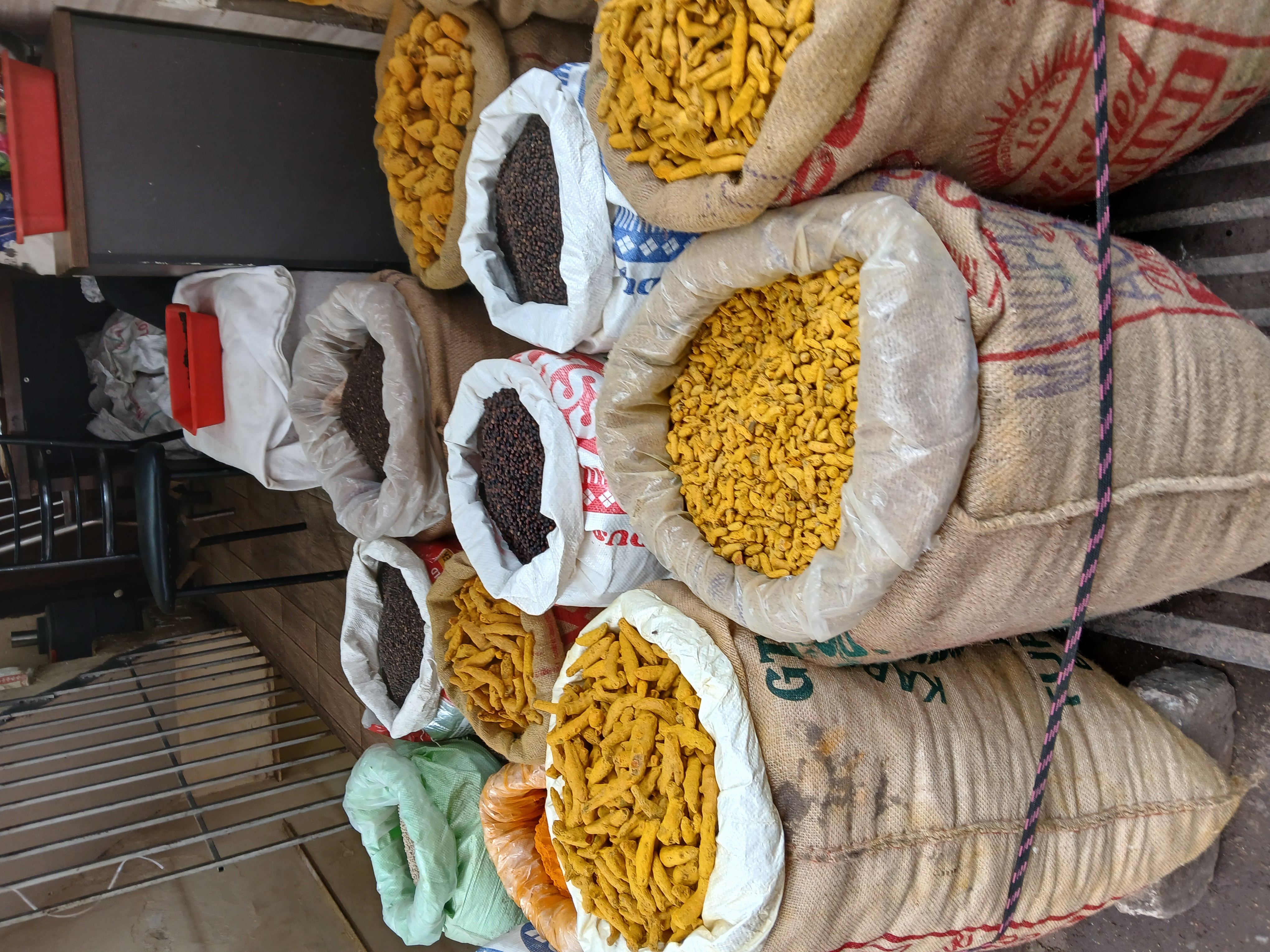
Known as Asia’s largest spice market, this extraordinary place has been trading since the 17th century and is an assault on the senses in every possible way.
Huge sacks of spices spill out onto the streets. Porters carrying impossible loads somehow weave through the crowds. The air smells of chilli, cardamom, turmeric, dried fruit, herbs, and incense.
Even if you are not particularly interested in cooking, it is worth visiting simply for the atmosphere.
I only scratched the surface during my visit and would happily return for longer. I bought powdered mint and a biryani spice mix, but mostly I found myself wishing I had more time to explore. Make sure you venture into the back alleys where the wholesale deals take place. The stalls on the main drag are entirely geared to tourists.
It is busy, chaotic, and utterly fascinating.
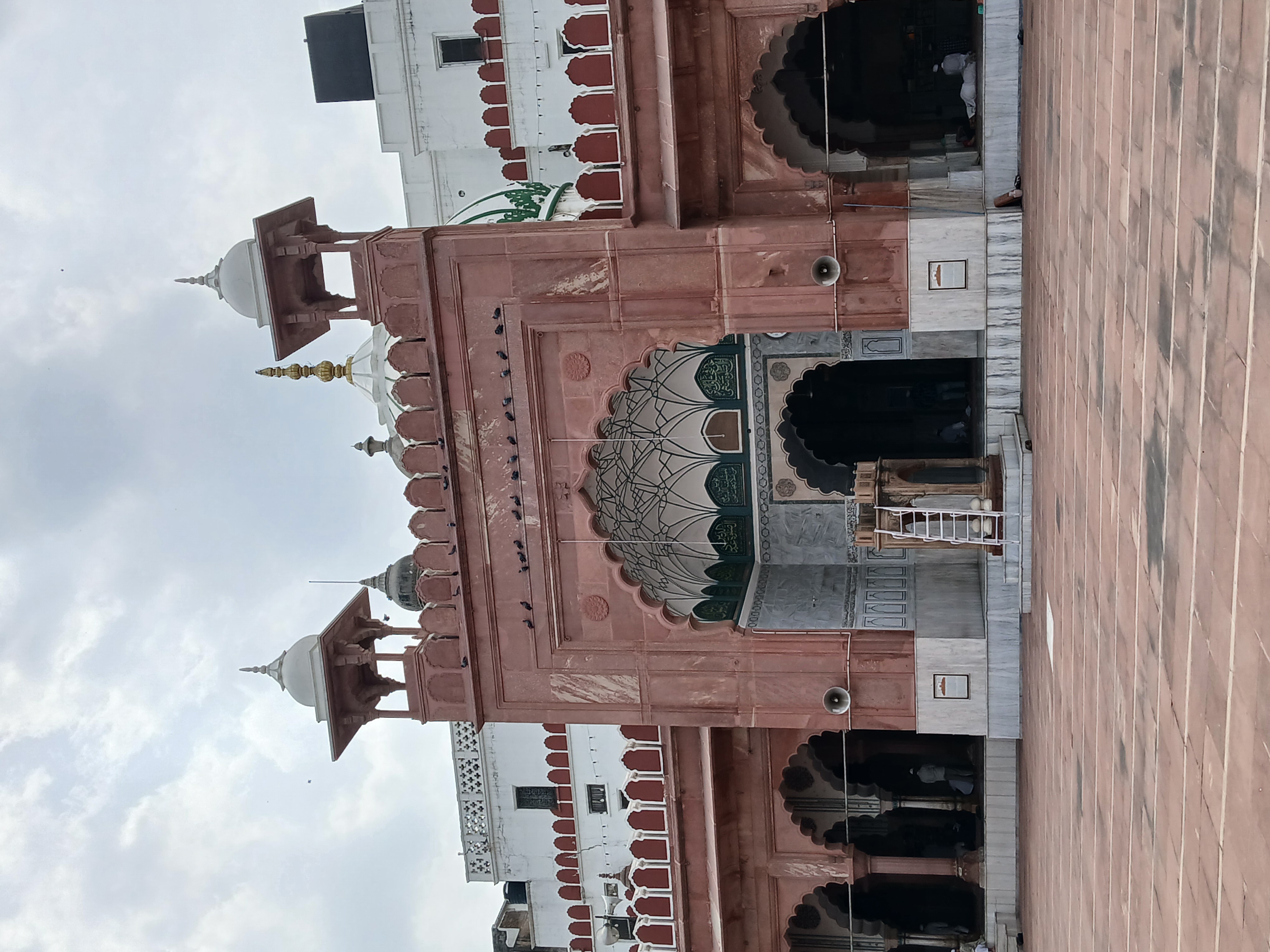
Step Inside Fatehpuri Mosque
At the western end of Chandni Chowk sits Fatehpuri Mosque, one of my favourite hidden peaceful spaces in Old Delhi.
Built in the 17th century by Fatehpuri Begum, one of Shah Jahan’s wives, the mosque feels worlds away from the frenzy outside.
As with many religious sites in India, shoes must be removed before entering. On the day I visited, the floor tiles were absolutely scorching underfoot, so I found myself doing an unintentional quick shuffle across the courtyard! I was very tempted to go for a paddle in the ornamental pond!
Still, it was worth it.
The peaceful atmosphere here makes it a lovely place to pause and take a breath after the intensity of Chandni Chowk.
Visit Sheeshganj Gurudwara
One of my favourite spiritual experiences in Delhi was visiting Sheeshganj Gurudwara, a Sikh temple in Old Delhi.
Unlike some tourist attractions, this felt very much like a living place of worship.
The gurudwara marks the site where Guru Tegh Bahadur, the ninth Sikh Guru, was executed in 1675, making it an important historical and spiritual site for Sikhs.
Inside, the atmosphere was calm and welcoming.
We sat quietly for a while listening to devotional music and watching people come and go. Photography is not allowed, which somehow made the experience feel even more respectful and immersive.
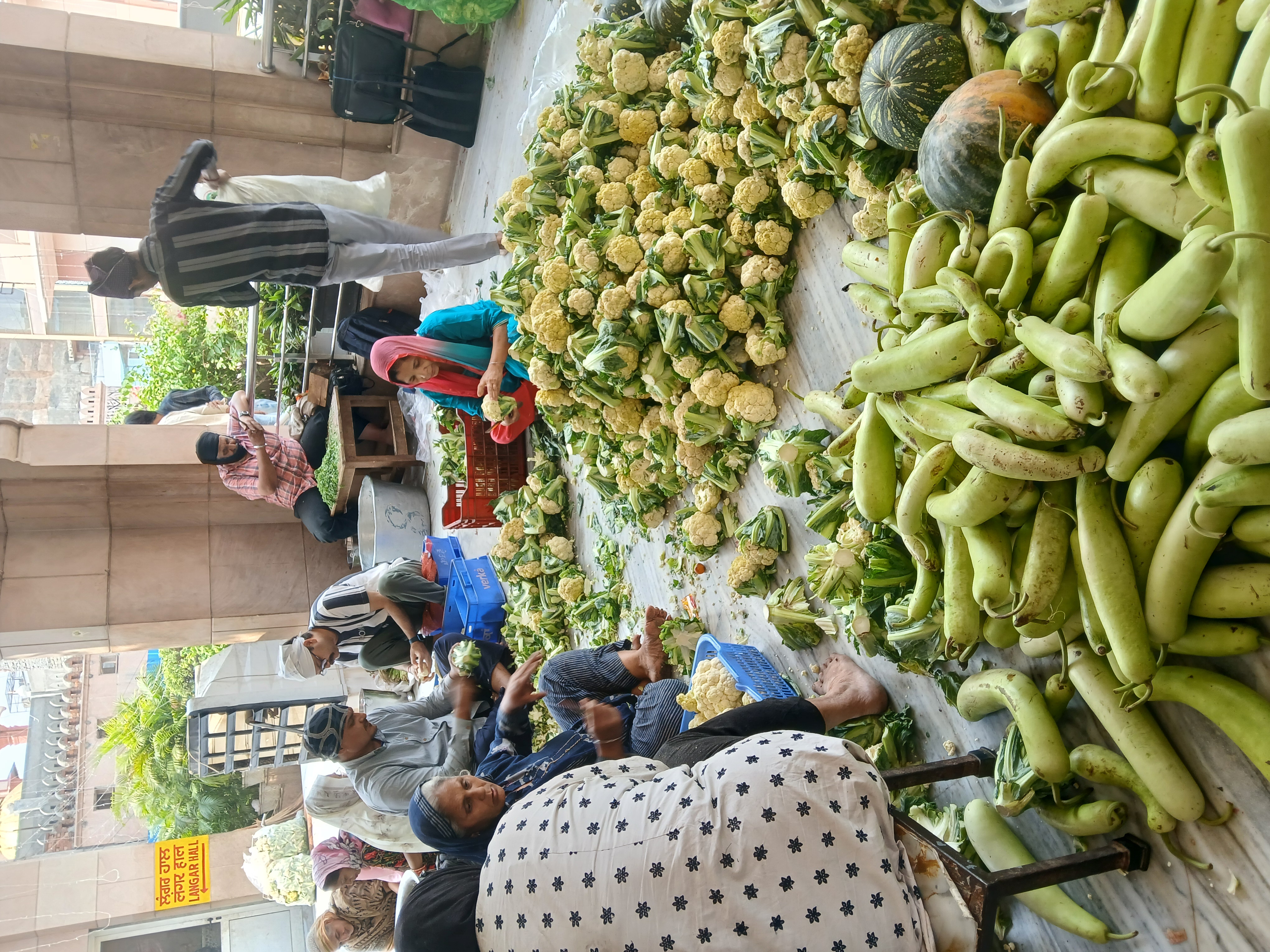
Like Sikh temples everywhere, the gurudwara operates a langar — a free community kitchen open to all, regardless of religion or background.
Having visited the enormous langar at the Golden Temple in Amritsar, this felt much smaller and more intimate, but no less meaningful. We joined in helping prepare vegetables and make chapatis, which turned out to be one of those simple travel experiences I will remember long after the big-ticket sights have faded.
Explore Connaught Place
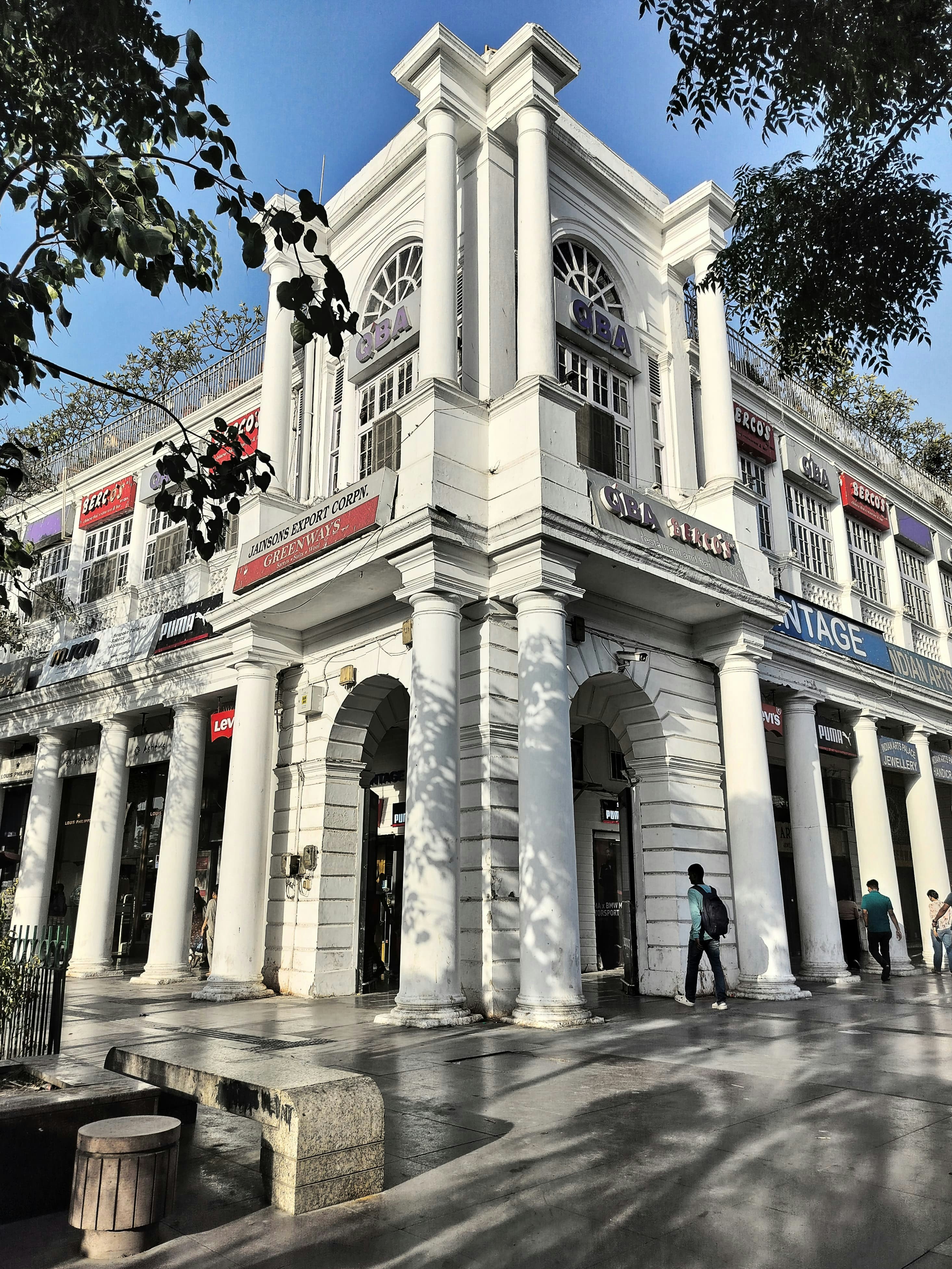
If Old Delhi feels like glorious chaos, Connaught Place feels like Delhi pausing to catch its breath.
Built by the British during the creation of New Delhi in the 1920s and inspired by the elegant Georgian crescents of Bath, Connaught Place is all sweeping white colonnades, grand circular avenues, cafés, restaurants, and shops.
I found myself returning here several times during my stay.
It became one of those places where Delhi suddenly felt easier to navigate — a little more spacious, a little calmer, and surprisingly walkable.
The area sits at the heart of New Delhi and feels very different to the intensity of Old Delhi. Wide roads radiate outward, while people gather beneath the shaded arches escaping the heat, drinking chai, shopping, or simply sitting and watching the world go by.
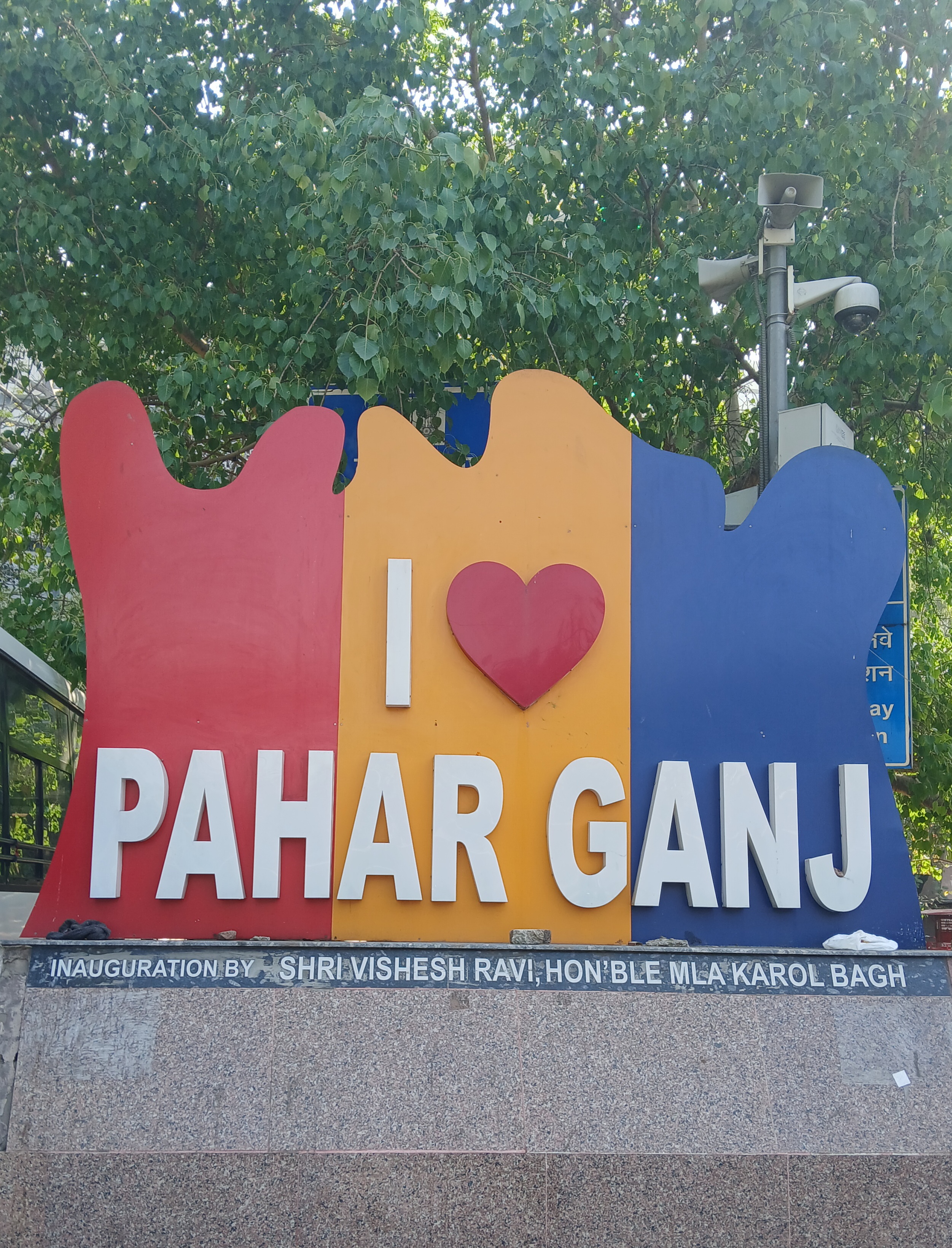
I stayed in Paharganj, which made Connaught Place an easy walk from my hotel, and I often found myself gravitating back here for coffee, food, or simply a break from the busier parts of the city.
Spend an hour in a café, wander beneath the colonial architecture, and absorb the atmosphere. Delhi rarely sits still, but here it briefly slows down.
Relax in Central Park
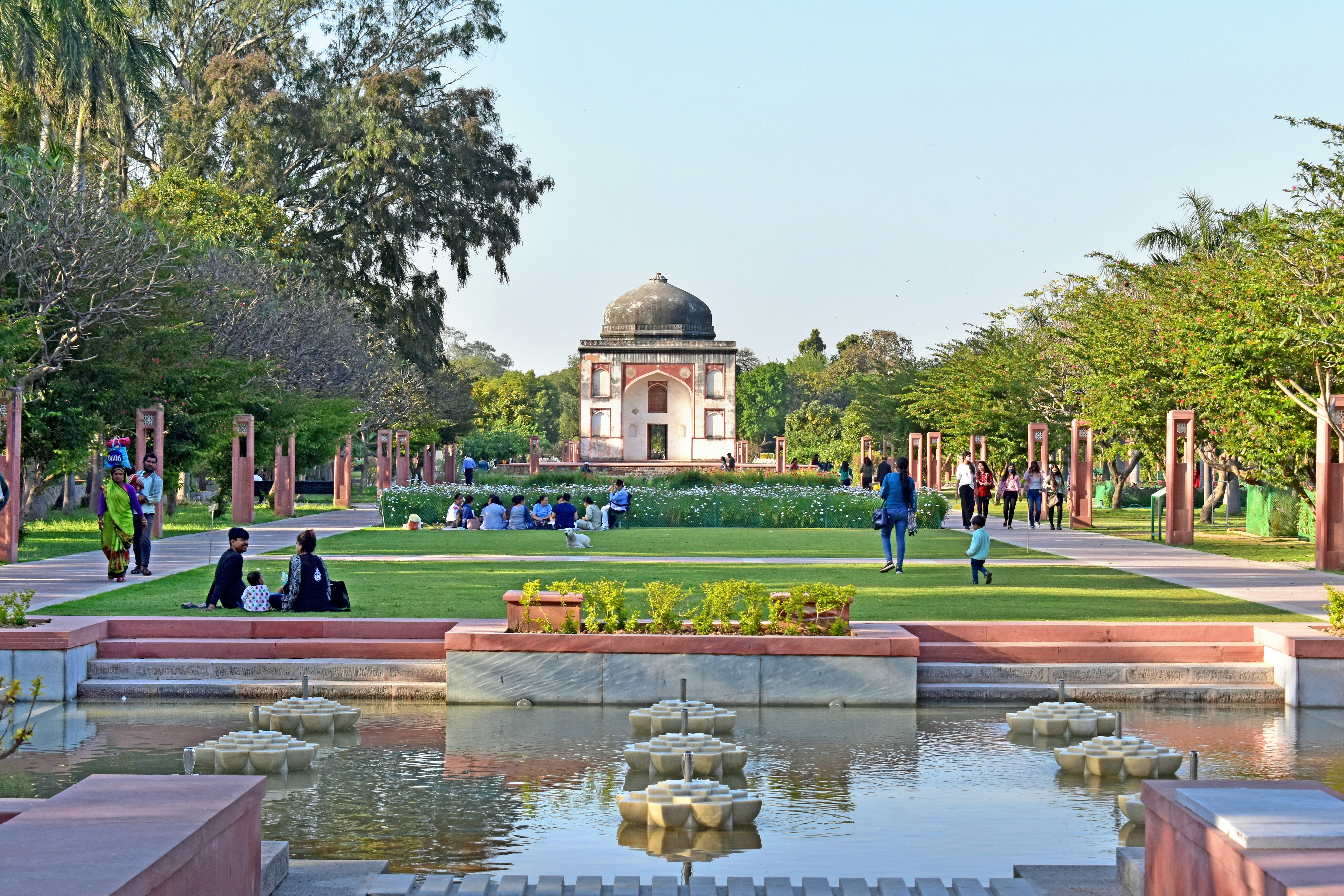
Right in the middle of Connaught Place lies Central Park, a surprisingly peaceful green space hidden beneath the constant movement of the city.
Locals gather here to relax, chat with friends, or simply sit in the shade.
I had intended to spend some time here during one of my first visits to Connaught Place, only to discover — rather unexpectedly — that it had closed for lunch! Delhi still has a habit of surprising me.
Although I never quite managed the leisurely wander I originally intended, the park remains a lovely spot if you need a moment of calm in the centre of the city.
Browse Janpath Market
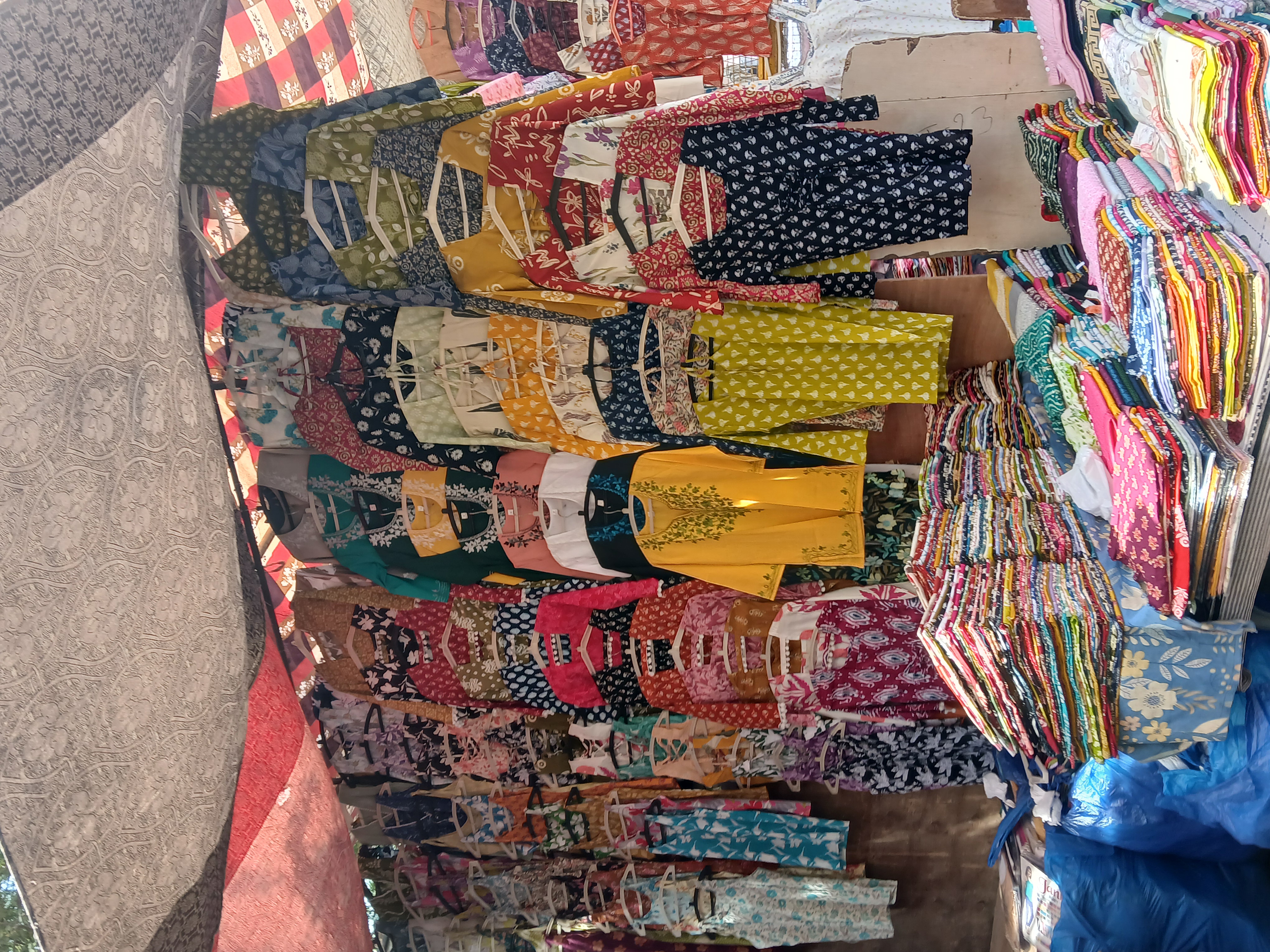
No visit to Delhi would be complete without at least a little shopping, and Janpath Market is one of the city’s best-known places to browse.
Located close to Connaught Place, the market is full of clothing, jewellery, textiles, handicrafts, bags, souvenirs, and all manner of things you never realised you needed.
I’m still not entirely convinced that I found the main market when I visited, but what I did discover felt wonderfully local and friendly.
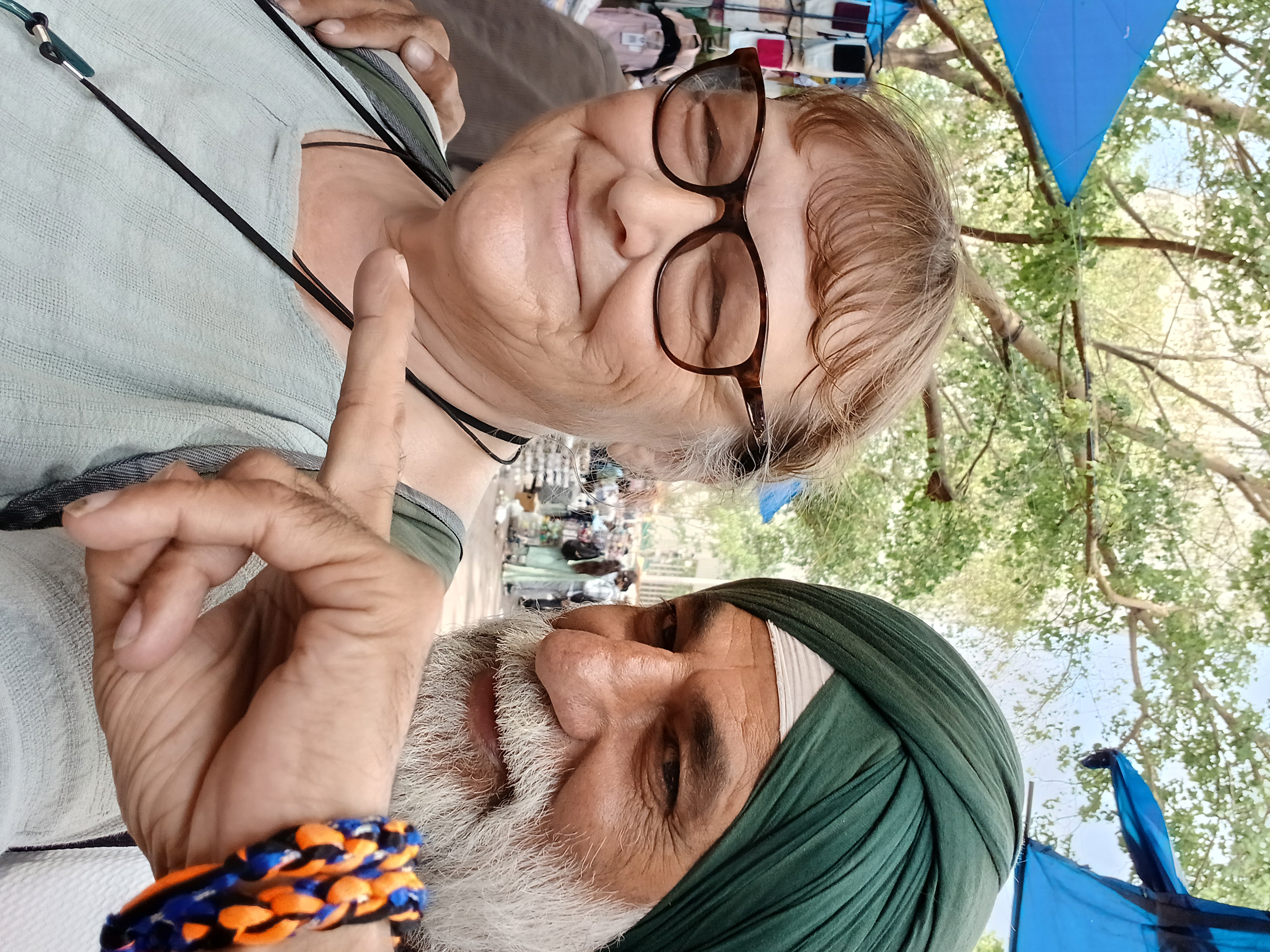
I wandered past tiny stalls selling Punjabi outfits and colourful fabrics, chatting to stallholders along the way. One particularly enthusiastic shop owner insisted on taking a selfie with me, which somehow felt like true India!
The atmosphere inside the market was warm and relaxed, with none of the hard sell I had experienced elsewhere. Outside, however, I experienced something unusual for India — I was hassled more than I had been during the previous five months of travelling.
Usually, a polite smile and a firm “no thank you” works perfectly well in India. On this occasion, I had to be rather more assertive!
Still, Janpath Market is great fun to wander around, particularly if you enjoy textiles, clothing, and colourful everyday street life.
Shop at the Government-Run State Emporiums
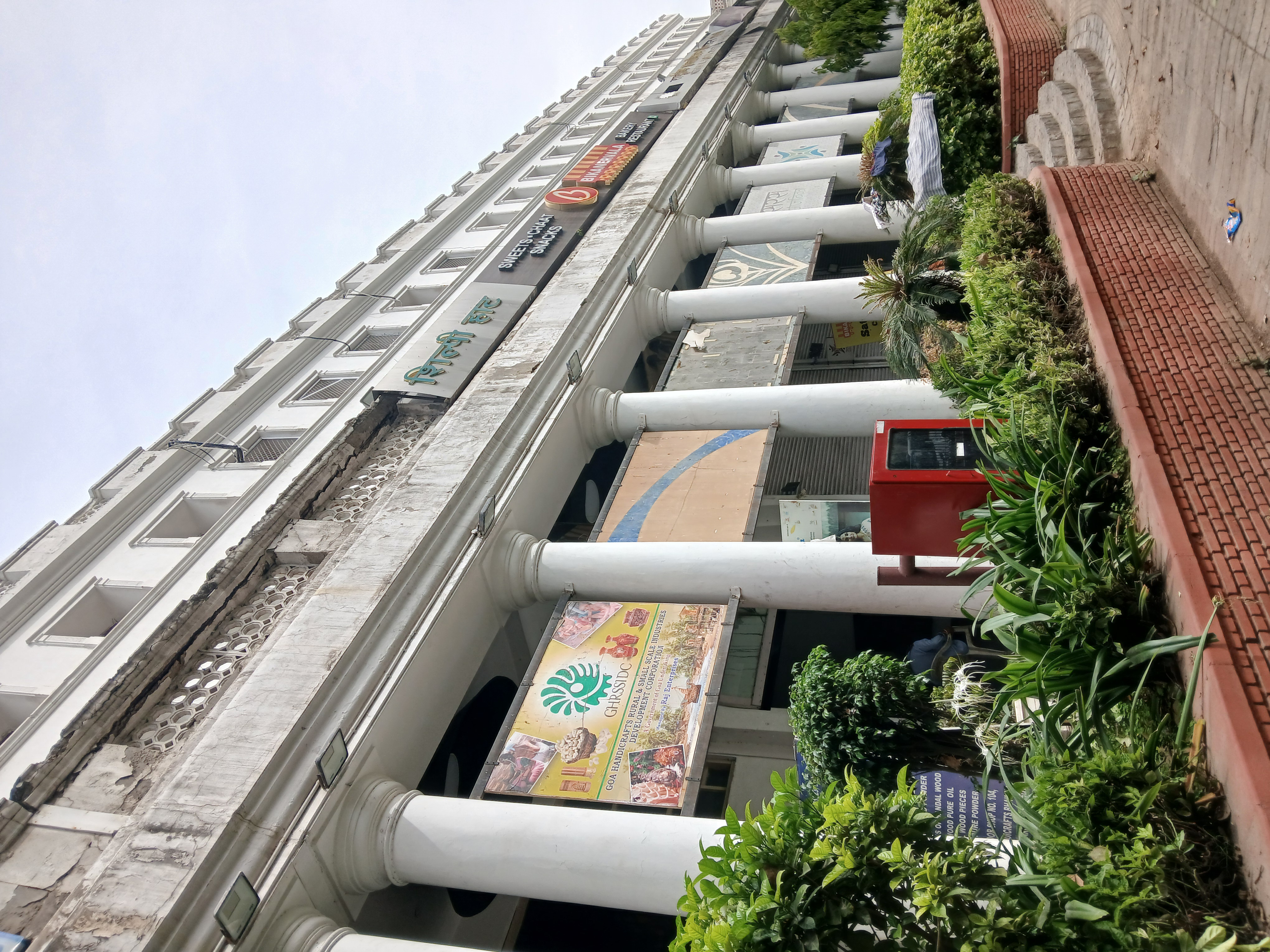
One of my favourite discoveries in Delhi — and one that craft lovers absolutely should not miss — was the collection of government-run state emporiums close to Connaught Place.
I loved this place.
Each emporium represents a different Indian state, selling regional textiles, handicrafts, clothing, artwork, jewellery, and homewares. Think of it as a curated journey around India’s craft traditions, all conveniently gathered together in one area.
Of course, I managed to arrive too early.
After enthusiastically setting off, I discovered that despite online opening hours saying 10am, the shops did not actually open until 11. Rather than waste the unexpected free time, I solved the problem in the best possible way — with a second breakfast involving a delicious tomato and onion uttapam.
Once the doors finally opened, I headed first to Khadi.
Khadi cloth has a fascinating history. Promoted by Mahatma Gandhi during India’s independence movement, this hand-spun and handwoven fabric became a symbol of self-reliance and resistance to British rule.
For me, however, there was another reason for my excitement.
I had been looking for suitable khadi fabric all over India as something I could use for sashiko stitching. Suddenly, here I was standing inside an entire shop dedicated to it.
Reader, I showed admirable restraint.
Well… relatively admirable restraint.
I somehow limited myself to eight metres in beautiful shades of blue and purple, which felt positively sensible considering the circumstances — and at around £1.50 a metre, it would have been rude not to!
Even if shopping is not normally your thing, the emporiums are a wonderful way to experience India’s regional crafts and textiles in a calmer, less pressured environment than many markets.
Visit Jantar Mantar
Jantar Mantar was one of those places that fascinated me, despite not entirely understanding what I was looking at.
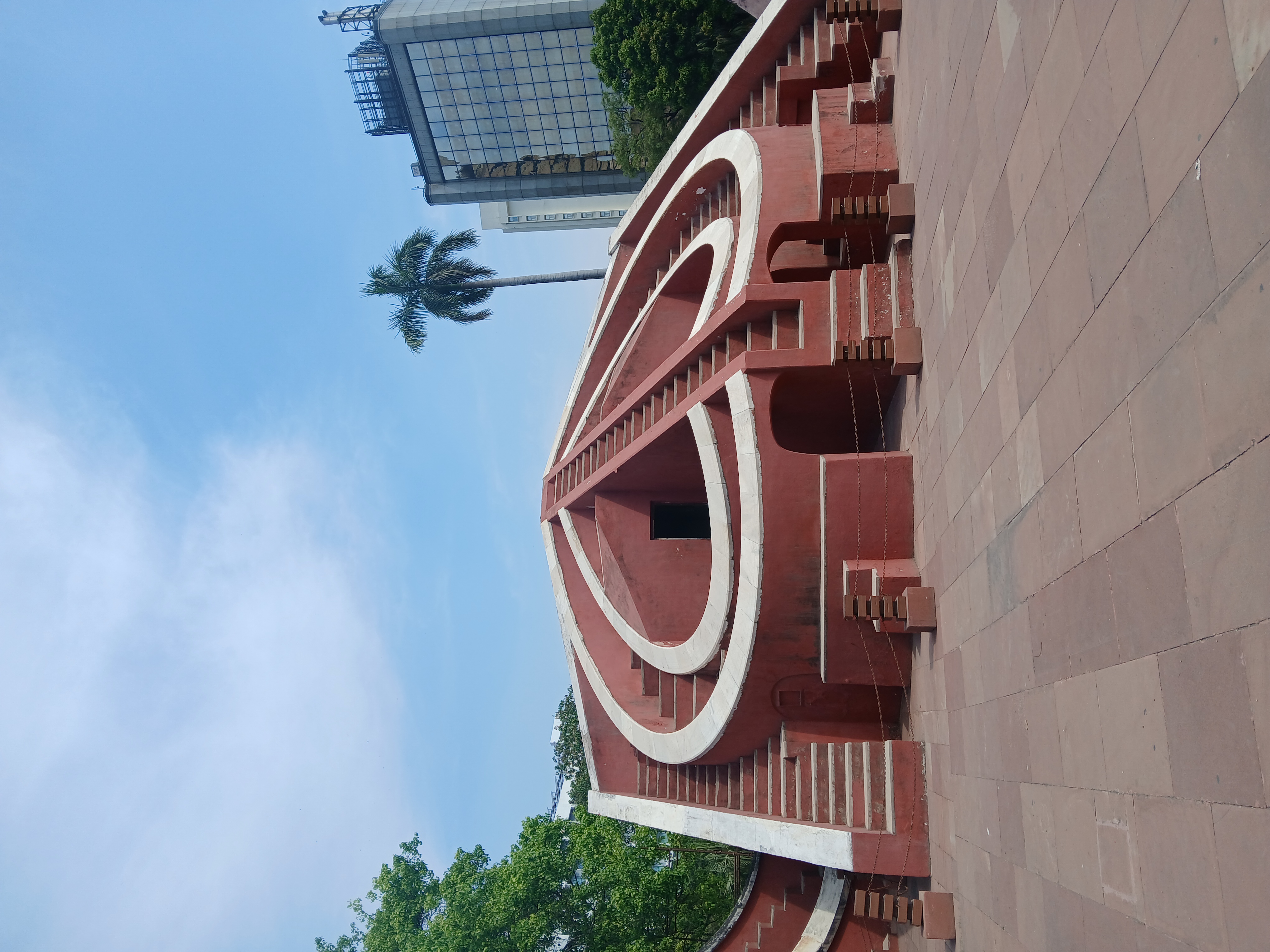
Built in 1725 by Maharaja Jai Singh II of Jaipur, this unusual observatory contains a collection of giant geometric structures designed to observe the stars, planets, and movements of celestial bodies.
The shapes are extraordinary.
Huge curves, staircases, circles, and abstract architectural forms rise unexpectedly from carefully maintained gardens. It feels part sculpture park, part science experiment.
Among the highlights are the Samrat Yantra, an enormous sundial, and the beautifully strange Misra Yantra, designed to tell time across different locations around the world.
I arrived here after a truly dreadful guided tour experience elsewhere in Delhi and, to be honest, I badly needed some peace.
Thankfully, Jantar Mantar delivered exactly that.
I spent around an hour wandering quietly through the observatory gardens, trying to make sense of what I was seeing while simply enjoying the calm atmosphere.
Even if astronomy is not your thing, it is worth visiting for the architecture and serenity alone.
Visit Agrasen Ki Baoli
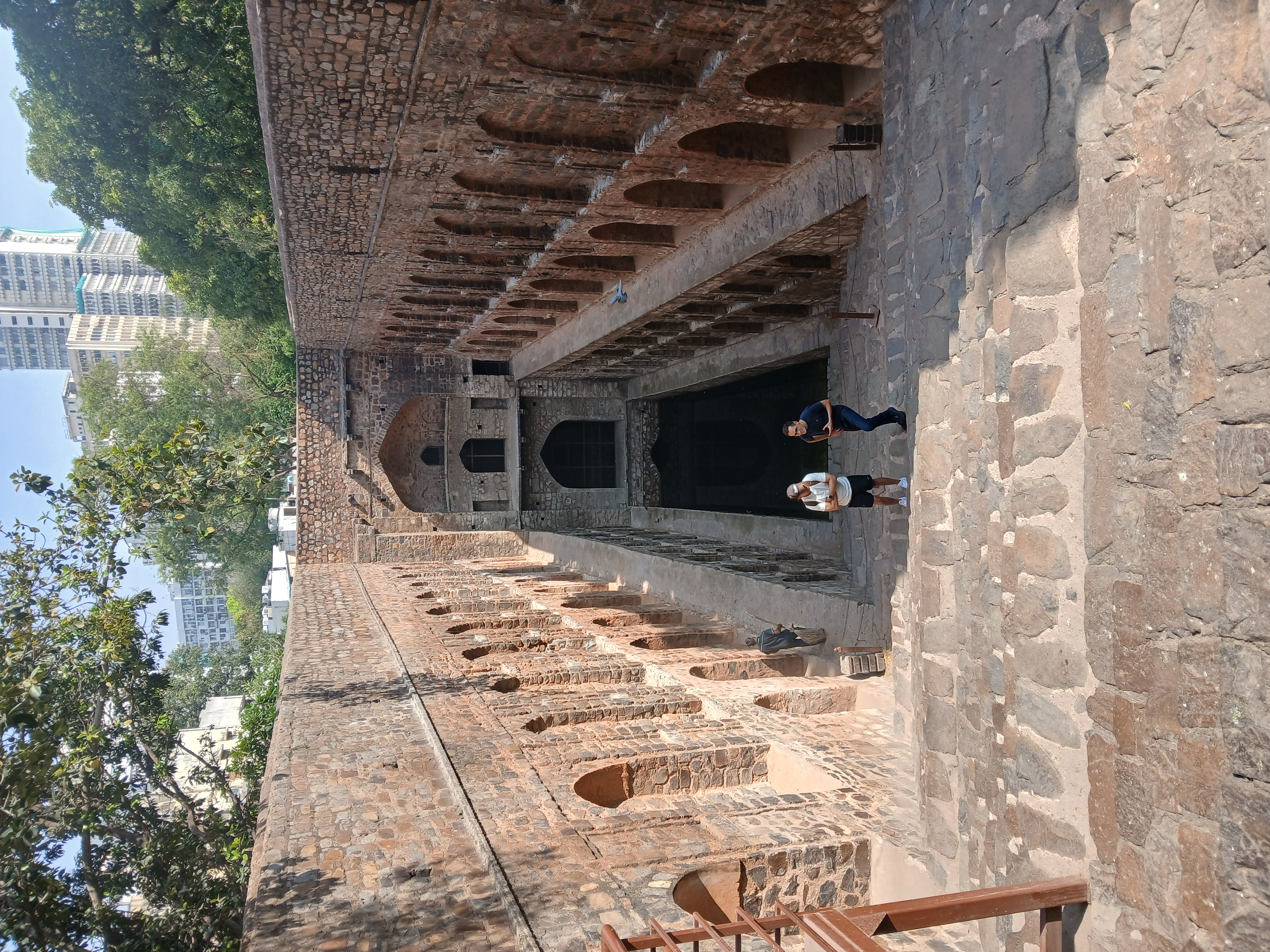
Hidden unexpectedly among Delhi’s modern office buildings sits Agrasen Ki Baoli, one of the city’s most atmospheric historical sites.
This 14th-century stepwell was built to solve Delhi’s water problems long before modern infrastructure existed.
Descending the 103 stone steps feels like stepping backwards through time.
Tall arched niches line the sides, and the city noise somehow fades away as you walk deeper into the structure.
When I first visited, I had practically the place to myself, which only added to the atmosphere. Later in my trip, I returned with a guide and discovered it transformed into a far busier attraction.
Delhi once had more than 100 baolis, or stepwells. Today, only around 30 survive.
Agrasen Ki Baoli is one of the easiest to visit and well worth adding to your Delhi itinerary, particularly if you enjoy unusual historical places.
Visit Jhandewalan Hanuman Temple
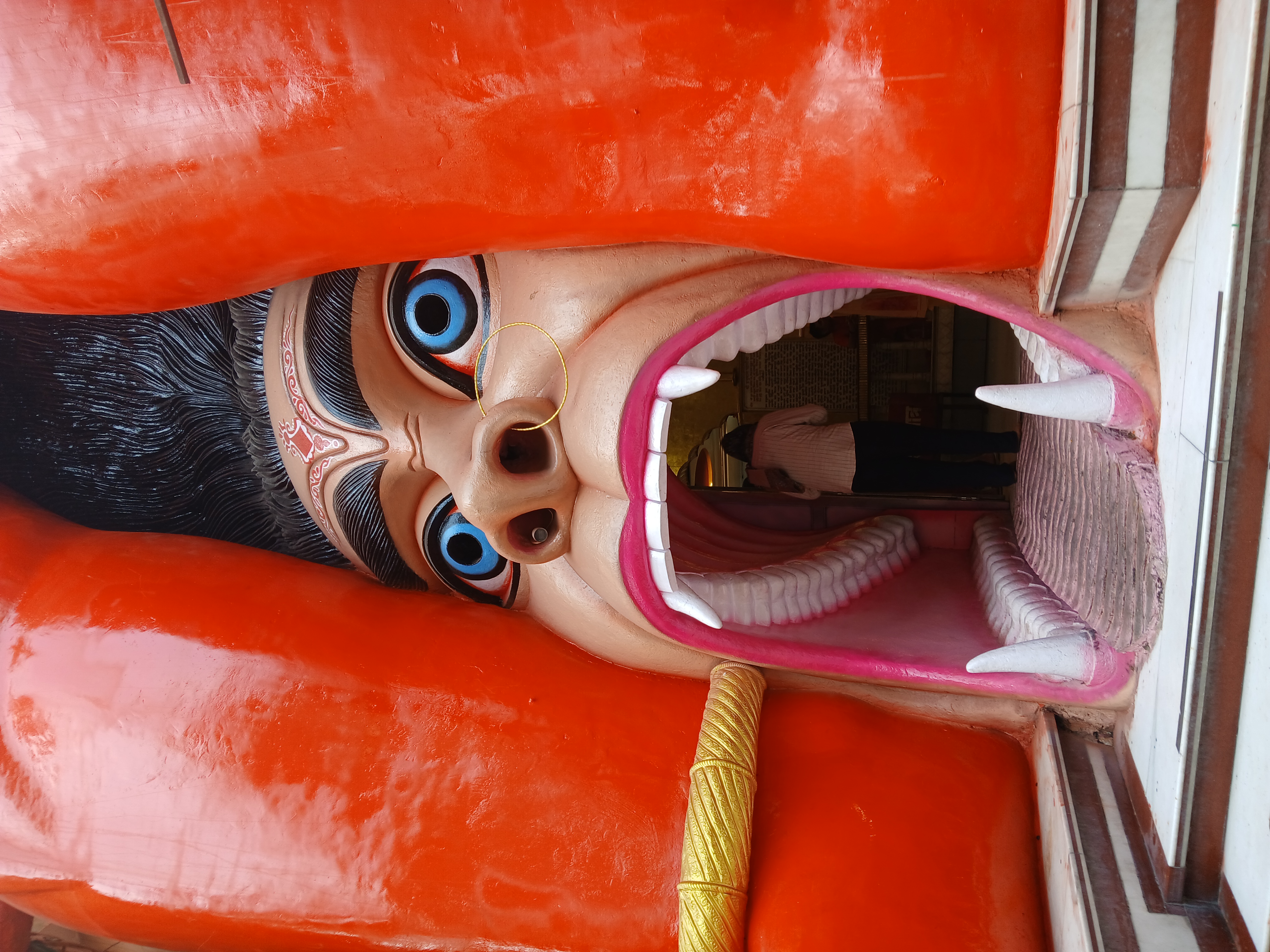
One of Delhi’s more unusual temples — and certainly one of the most memorable — is Jhandewalan Hanuman Temple.
You cannot miss it.
The temple is famous for its enormous 34-metre-high statue of Hanuman, the monkey god, towering above the surrounding streets. Even from a distance, it is an extraordinary sight.
But the real surprise comes when you enter.
Rather than walking through ordinary temple gates, visitors pass through the mouth of a demon into a slightly surreal cave-like interior filled with colourful deities, shrines, and holy men offering blessings.
It felt slightly chaotic, slightly eccentric, and very, very Delhi.
I almost missed stopping here entirely. My rather disastrous “walking tour” of Connaught Place had turned into something entirely different, and the guide initially seemed keen to drive straight past. I insisted on stopping — and I’m really glad I did.
Inside, I received a blessing from one of the holy men, who tied sacred threads around my wrist for luck and protection.
By this stage of my India travels, I had already been given similar threads in several places. Most gradually disappeared over time.
But not this one.
Months later, I am still wearing the thread from Hanuman Temple as I write this — a small but meaningful reminder of Delhi and all the unexpected moments that made me fall in love with the city.
Even if you only stop briefly, Jhandewalan Hanuman Temple offers a fascinating glimpse into everyday religious life in Delhi — and one of the city’s more unusual entrances.
Visit India Gate
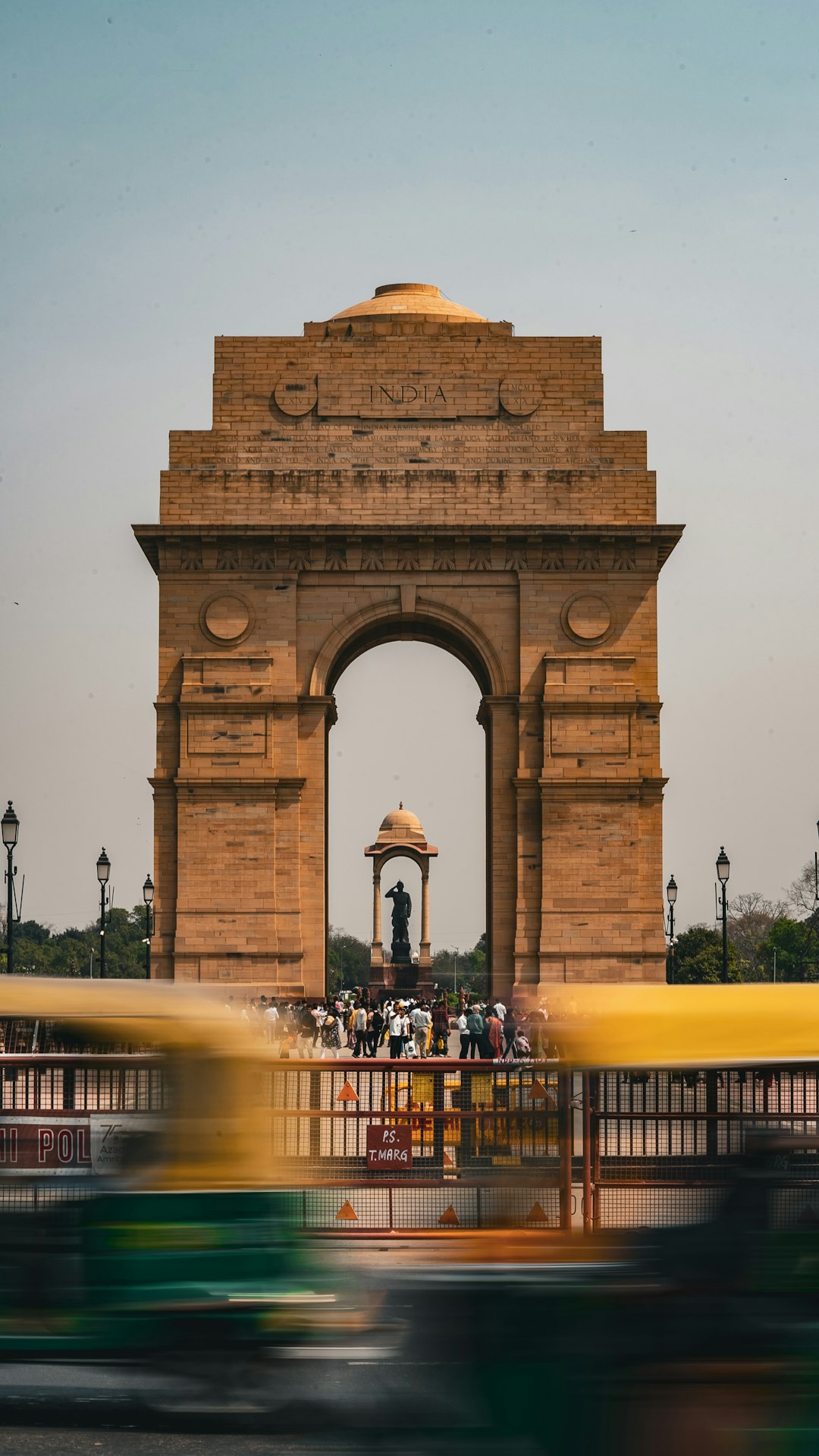
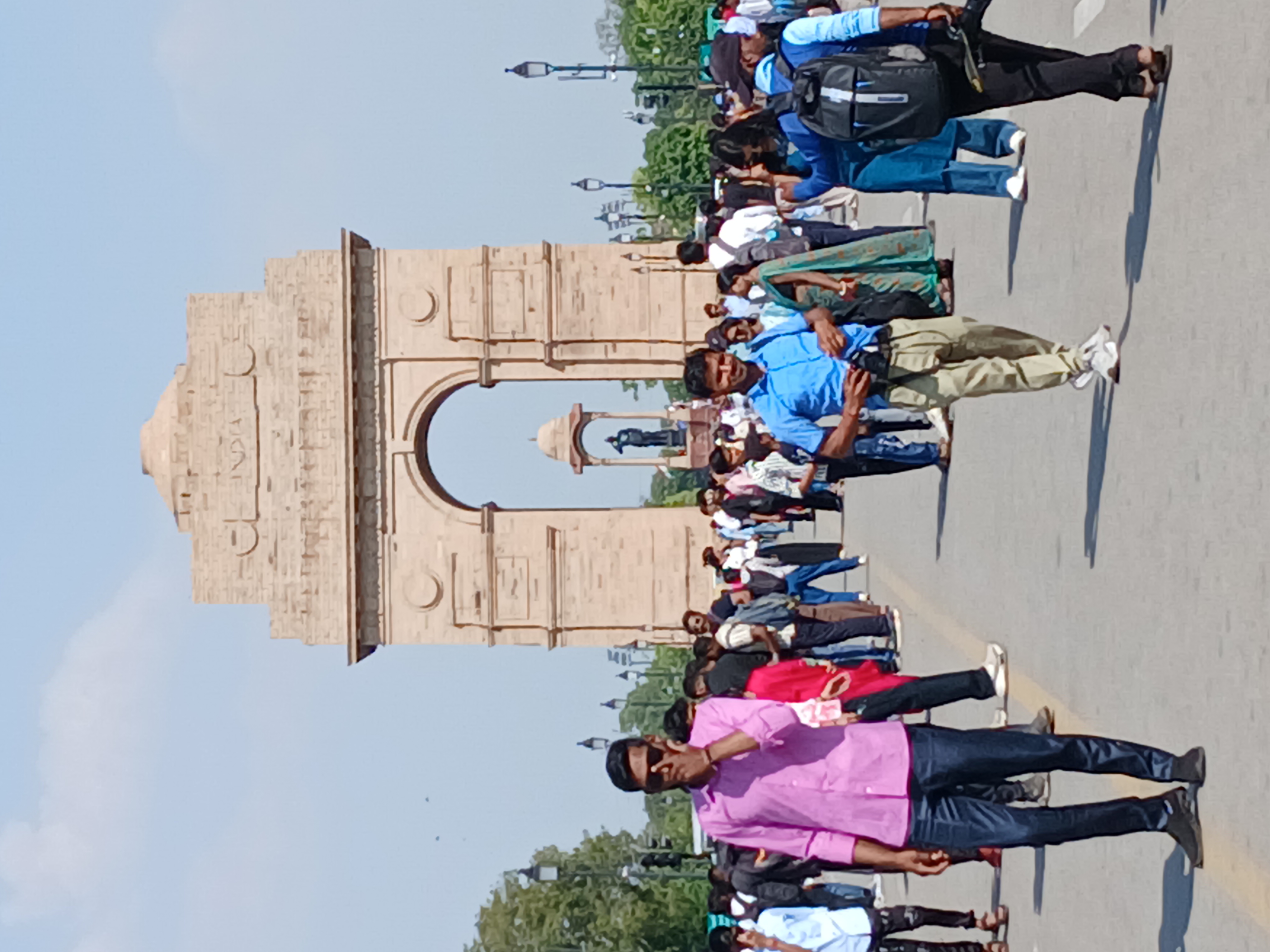
No trip to New Delhi feels complete without visiting India Gate.
Standing proudly along the ceremonial boulevard now known as Kartavya Path, this enormous memorial was designed by British architect Edwin Lutyens and commemorates more than 74,000 Indian soldiers who died fighting for the British Empire during the First World War and the Third Anglo-Afghan War.
At first glance, many visitors compare it to the Arc de Triomphe in Paris — and the resemblance is certainly there.
But what struck me most was how alive the space felt.
Families gathered nearby, locals strolled through the area, and people stopped to take photographs in front of the monument.
My guide took his role as unofficial photographer very seriously, insisting on taking loads of photos of us from every conceivable angle. I began to suspect he had missed his true calling as a fashion photographer!
India Gate becomes particularly beautiful in the evening when illuminated, and I later passed it at night, glowing in the colours of the Indian flag — one of those unexpectedly memorable moments that stay with you.
Visit Humayun’s Tomb
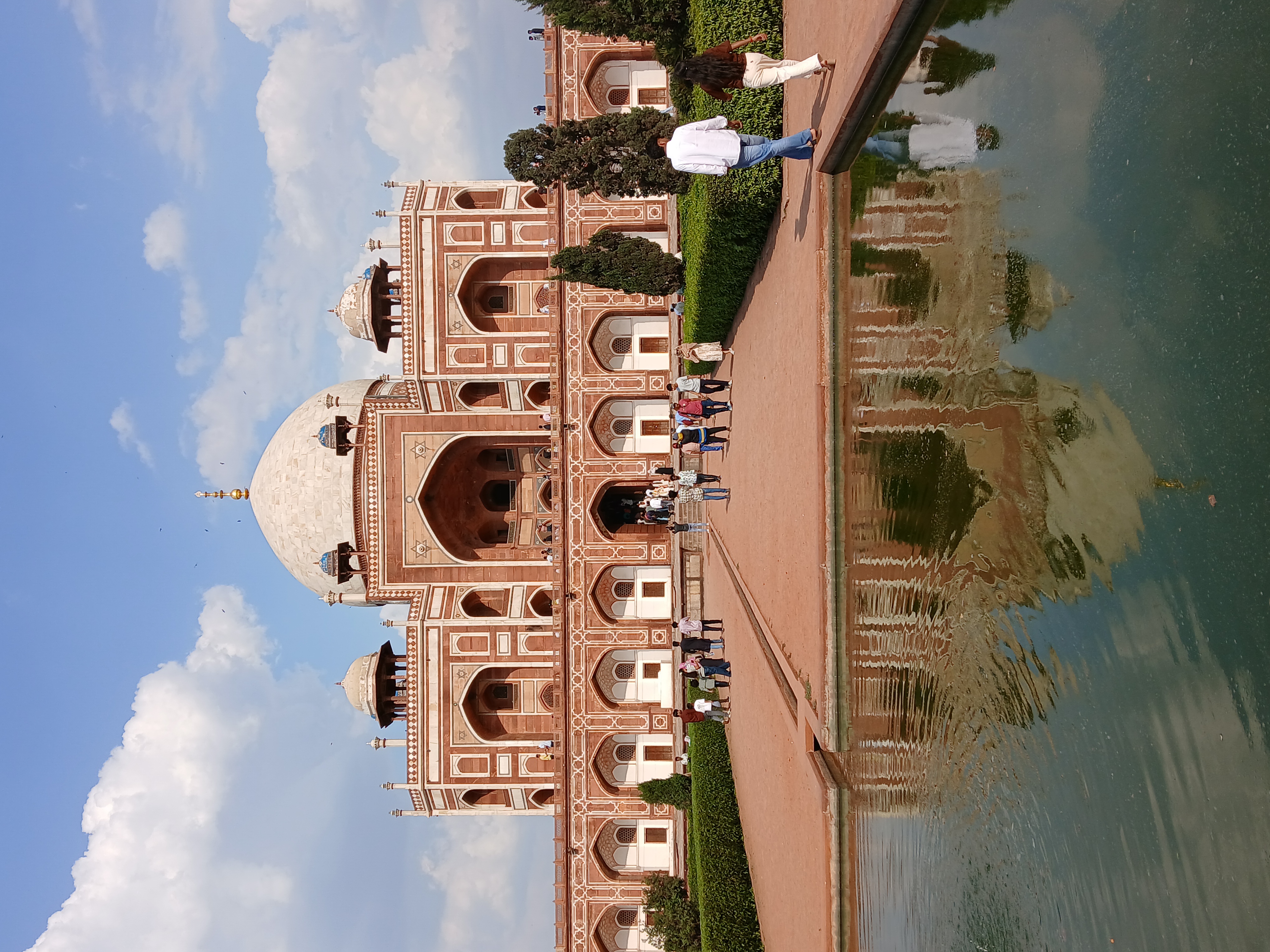
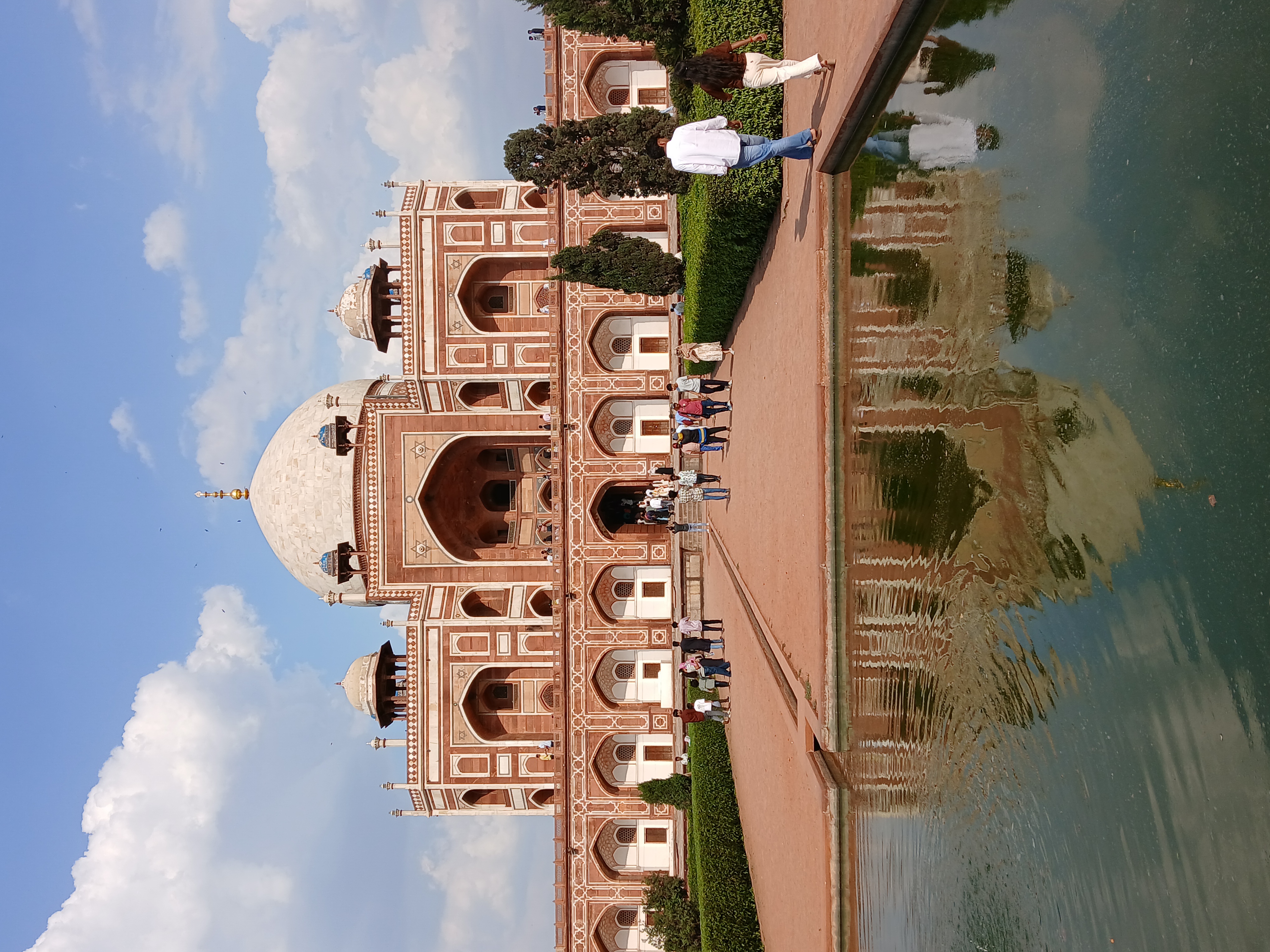
Of all the grand monuments in Delhi, Humayun’s Tomb was probably the one that took me most by surprise.
Yes, I knew it was important. Yes, I had read that it supposedly inspired the Taj Mahal.
But nothing quite prepared me for how beautiful it would be in reality.
Built in 1570 for the Mughal emperor Humayun by his Persian-born wife, Haji Begum, the tomb predates the Taj Mahal by around sixty years and is widely believed to have influenced its design.
As soon as I entered the complex, I could see the similarities.
The symmetry, the formal gardens, the red sandstone contrasted with white marble, the sense of scale — it all felt unmistakably Mughal. But unlike the Taj Mahal, which can sometimes feel overwhelming because of the crowds, Humayun’s Tomb somehow felt calmer and easier to appreciate.
The building itself is magnificent.
Standing beneath the soaring arches, surrounded by geometric gardens and water channels, it is hard not to stop and simply admire the craftsmanship. Even the smaller tombs scattered throughout the grounds are worth exploring.
If you only have time for one major Mughal monument in Delhi, make it this one.
Wander Through Lodi Gardens
After the intensity of Old Delhi, Lodi Gardens felt like a deep exhale.
Spread across ninety acres, this enormous city park combines landscaped gardens with centuries-old tombs dating back to the Delhi Sultanate.
I loved this place.
Families picnicked beneath the trees, couples wandered through the gardens, and groups of friends gathered in the shade, escaping the heat. It felt very local and very lived-in — not just somewhere tourists come to tick off a site.
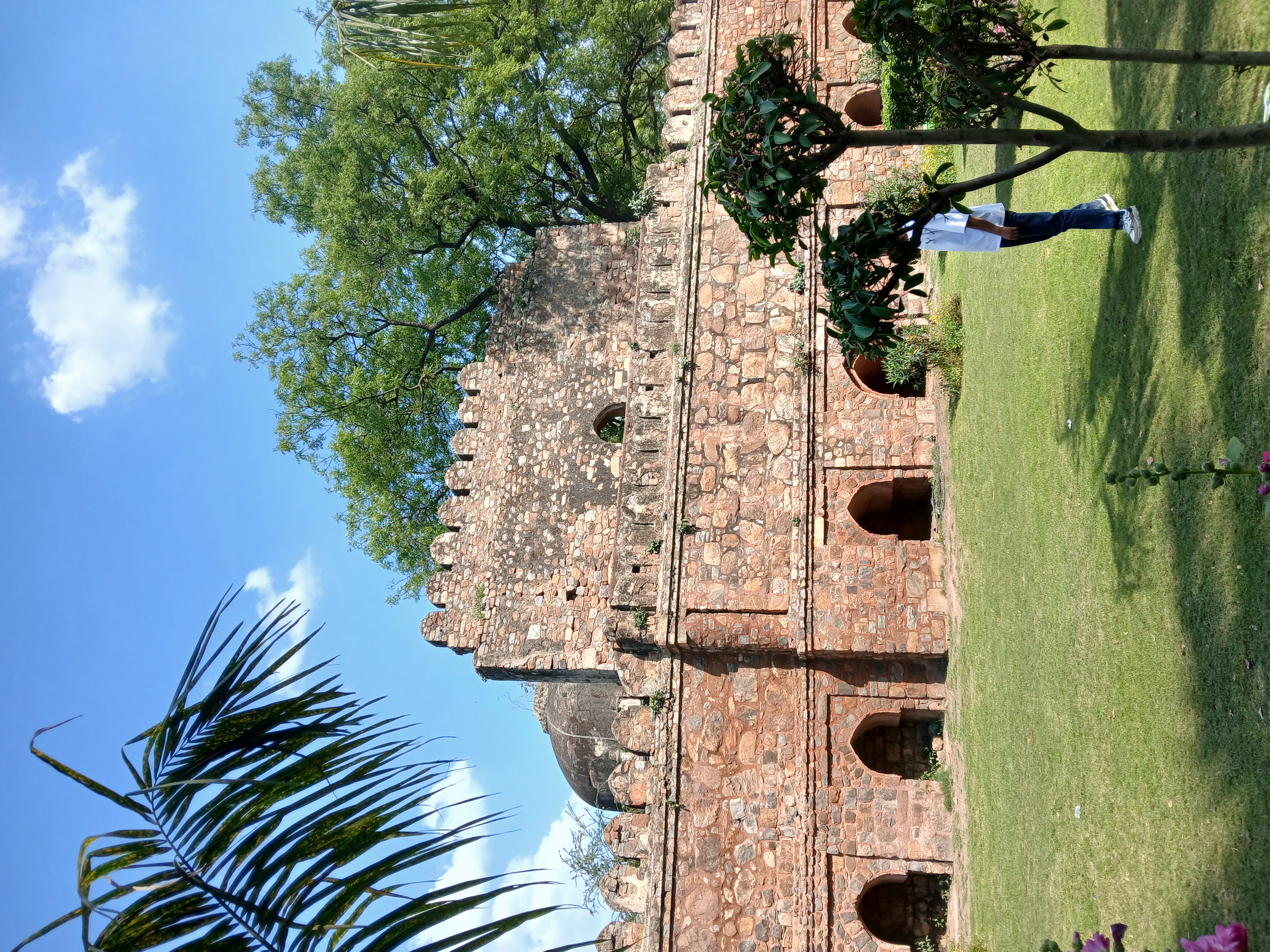
Scattered throughout the park are impressive historical monuments, including the tomb of Sikandar Lodi and the beautiful Bara Gumbad and Shisha Gumbad.
What fascinated me most was learning how respectfully the British landscaped the park around the existing architecture when they developed New Delhi. Thankfully, they preserved what was already there rather than simply building over it.
The result is one of Delhi’s loveliest, peaceful spaces.
If, like me, you occasionally need a break from India’s sensory overload, Lodi Gardens is the perfect place to recharge.
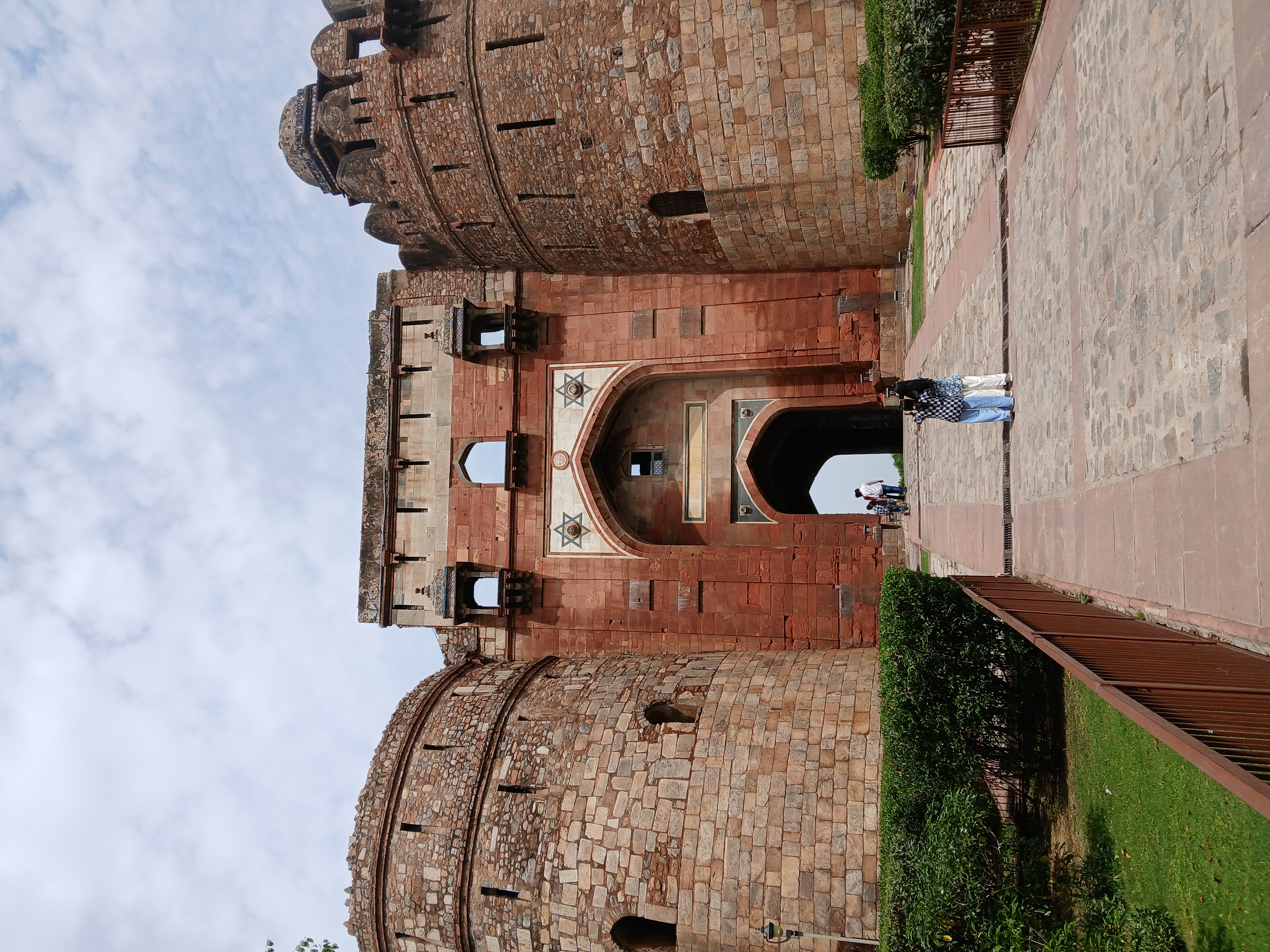
Explore Purana Qila (Delhi’s Old Fort)
One of my favourite places in Delhi — and one that somehow seems overlooked by many visitors — was Purana Qila.
Known as Delhi’s “Old Fort,” this was one of the city’s most unexpectedly peaceful places.
After navigating Delhi traffic, stepping through the enormous Bada Darwaza gateway felt like entering another world.
Suddenly, everything went quiet.
Birdsong replaced traffic noise. Tree-lined pathways stretched through lush gardens. The frantic pace of Delhi seemed to disappear entirely.
I genuinely could not believe how calm it felt.
Built during the brief rule of Afghan king Sher Shah Suri in the 16th century, the fort also has links to Mughal emperor Humayun, who famously died here after reportedly falling down the steps of his library.
The fort complex contains several beautiful red sandstone buildings, including the elegant Sher Mandal and the intricately decorated Mosque of Sher Shah.
Unlike some of Delhi’s bigger attractions, Purana Qila never felt crowded.
I spent a couple of hours wandering quietly around the grounds before eventually admitting defeat to the heat and taking an Uber auto back to my hotel.
If you enjoy peaceful historical places, don’t miss this one.
Spend Time at the National Crafts Museum
If you enjoy textiles, traditional crafts, or simply seeing another side of India beyond forts and monuments, then do not miss the National Crafts Museum.
I absolutely loved it.
In fact, I ended up spending most of the day there — far longer than I had originally intended.
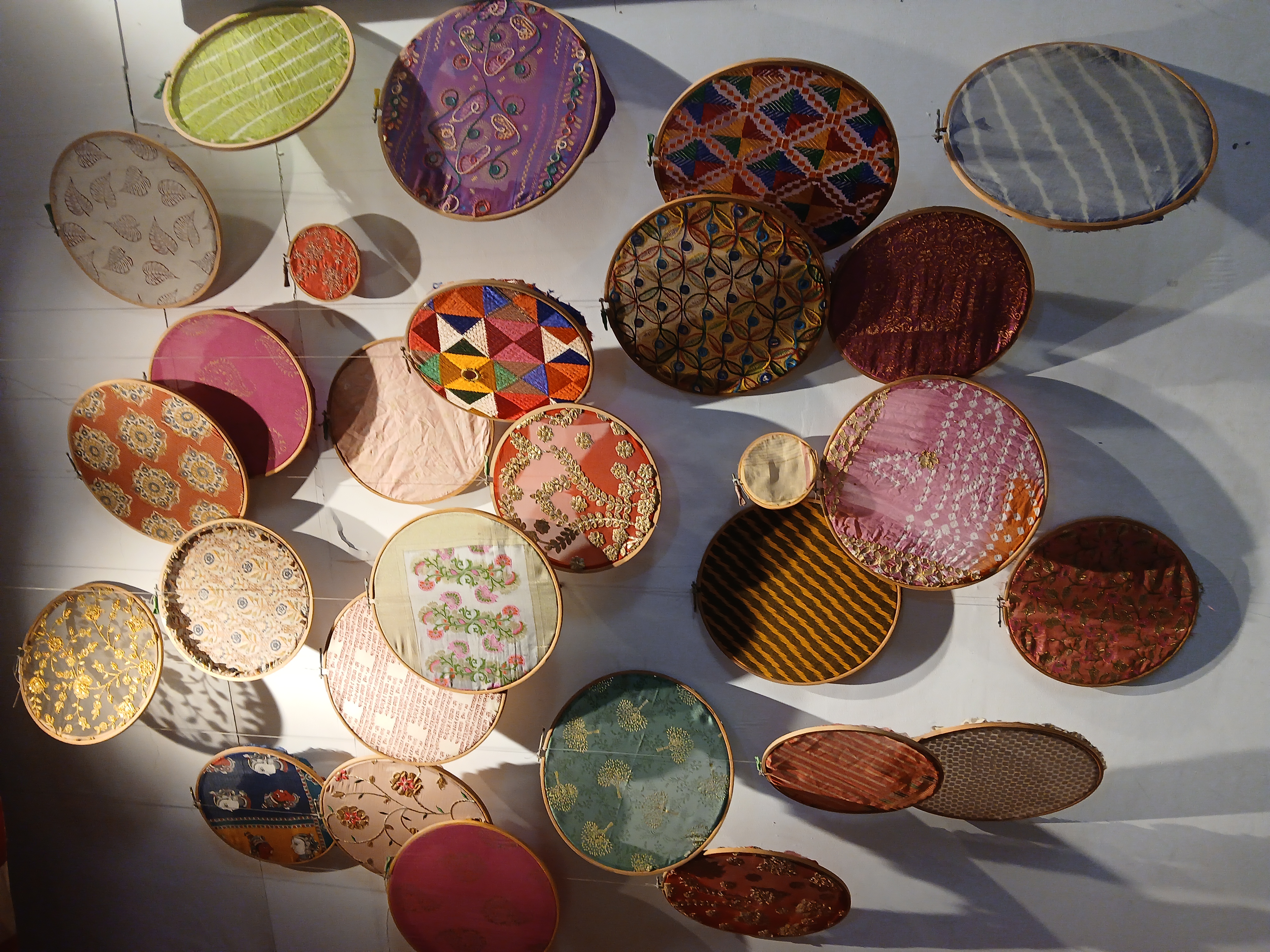
Even before stepping inside, there is plenty to see. The outer walls of the museum are decorated with colourful traditional artwork representing different regional styles from across India, and I found myself wandering around photographing details before I had even reached the entrance.
Inside, the museum is part gallery, part cultural experience, and part living workshop.
The textile galleries were, unsurprisingly, my favourite. India’s extraordinary handicraft traditions are beautifully showcased here, with displays featuring embroidery, weaving, block printing, folk art, ceramics, woodwork, and decorative crafts from all over the country.
As someone who loves stitching and textiles, I found it fascinating.
The only frustration was that many pieces are displayed behind glass — completely understandable for preservation purposes, but not ideal when you desperately want to peer more closely at all the intricate details!
One of the highlights of the museum is the outdoor artisan area, where craftspeople demonstrate traditional skills including miniature painting, block printing, and other regional art forms. Watching people create these intricate pieces by hand brought everything in the galleries to life in a way that static displays never quite can.
I even had a go at block printing myself, although I didn’t stay long enough for my masterpiece to dry!
The museum grounds are also worth exploring in their own right.
Scattered throughout the courtyards are sculptures, installations, and shaded spaces to sit, while a recreated village complex showcases traditional homes from India’s twenty-eight states. Walking between the different dwellings offered a fascinating glimpse into how architecture, materials, and ways of life vary across such an enormous country.
When I visited, there were also musical performances taking place, adding even more atmosphere to the day.
And if all of that sounds exhausting, there is a very good café on site — always an important consideration in my book. I might have indulged in a coffee and a slice of pistachio cheesecake 😊.
For me, this was one of Delhi’s most unexpectedly rewarding experiences and somewhere I would happily visit again.
Visit the Lotus Temple
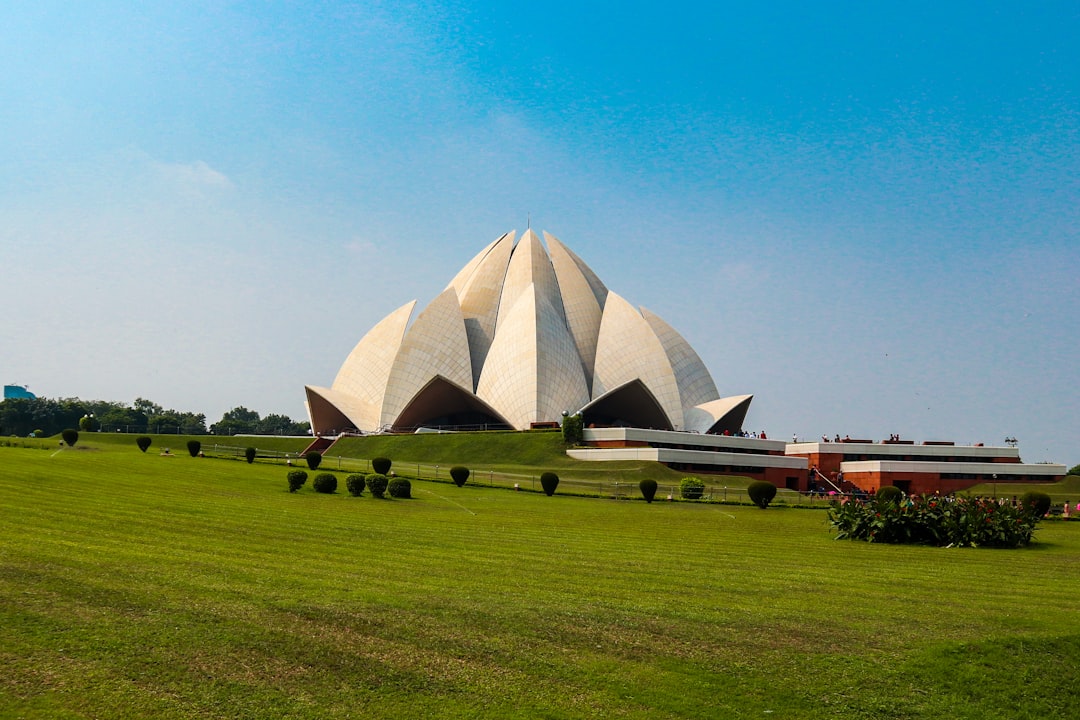
Delhi is full of places of worship, but none look quite like the Lotus Temple.
Shaped like an enormous white lotus flower rising from landscaped gardens, this striking building belongs to the Bahá’í faith and was designed to bring people of all religions together.
Completed in 1986, the temple’s twenty-seven marble petals create one of Delhi’s most recognisable modern landmarks.
Even from a distance, it is stunning.
Unfortunately, my visit coincided with extremely long queues.
Hundreds of people stood barefoot for hours on scorching hot tiles waiting to enter, and after one look at the queue, we reluctantly decided to admire it from afar instead.
Would I still recommend visiting? Absolutely.
But if you can, try to go early in the morning or at a quieter time of year.
Even our fleeting glimpse felt worthwhile.
Follow Gandhi’s Story Through Delhi
One of the most unexpectedly moving days I spent in Delhi centred around Mahatma Gandhi.
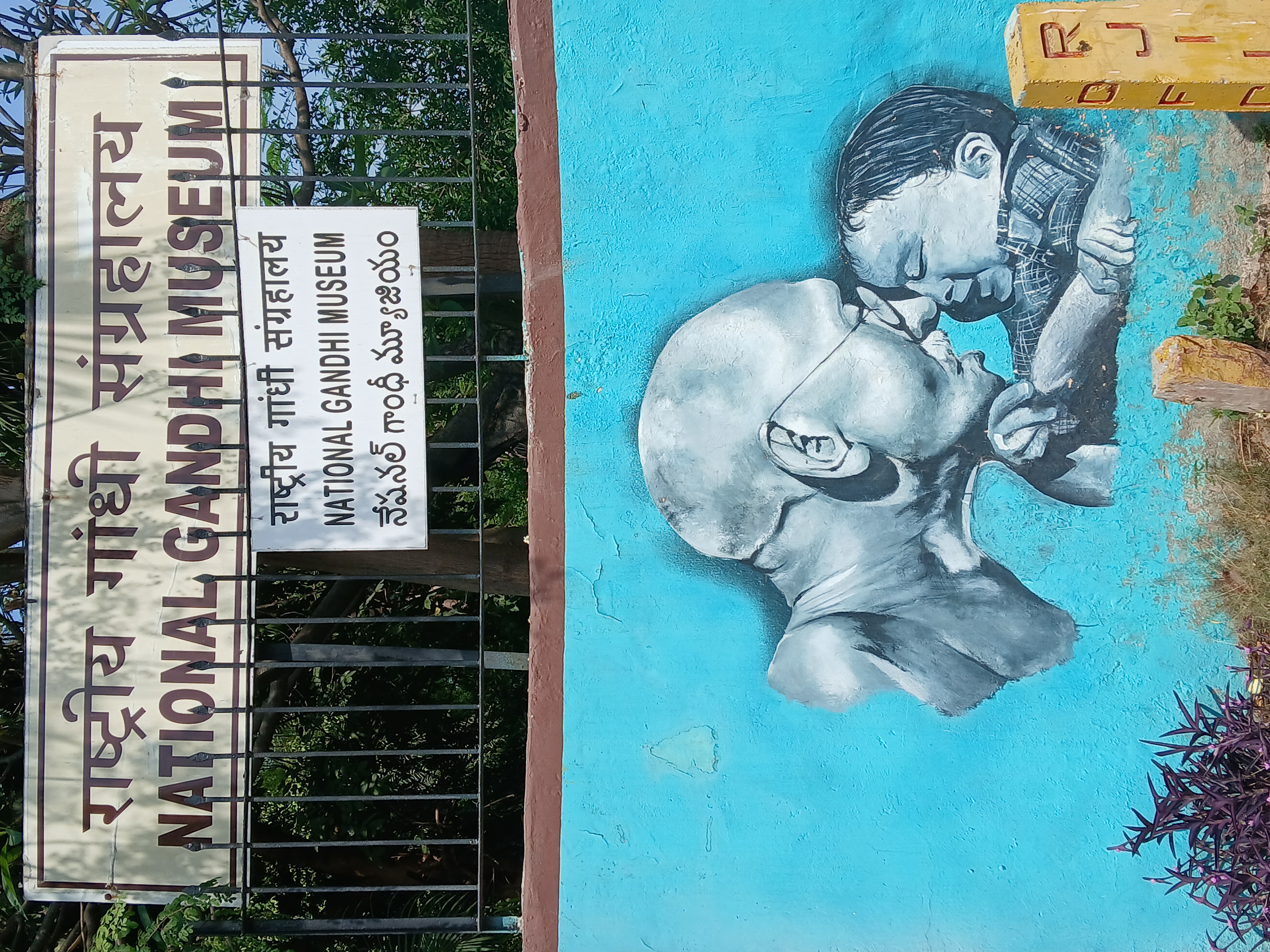
I began at the National Gandhi Museum, arriving early before meeting a local friend for the day.
The museum itself is thoughtful, respectful, and genuinely interesting — even if you think you already know Gandhi’s story.
I was especially interested in the exhibits relating to his years in South Africa, partly because I had seen some of the same photographs displayed previously in Johannesburg. It created an unexpected connection between different parts of my travels.
Outside, the gardens are lovely, and I particularly liked the artwork decorating the museum walls.
Afterwards, we crossed over to Gandhi Darshan, a peaceful landscaped space filled with photographs and exhibits relating to Gandhi’s life, including the boat used during part of the Salt March.
Finally, we visited Raj Ghat, the simple black marble memorial marking the spot where Gandhi was cremated following his assassination in 1948.
Compared to many grand monuments in Delhi, Raj Ghat is remarkably understated.
There are no elaborate decorations or towering architecture — just a quiet, eternal flame and a sense of reflection.
Together, these three places create a meaningful way to better understand one of the most influential figures in Indian history.
Take a Delhi Cooking Class
One of my favourite evenings in Delhi involved food — which, if you know me, probably comes as no surprise.
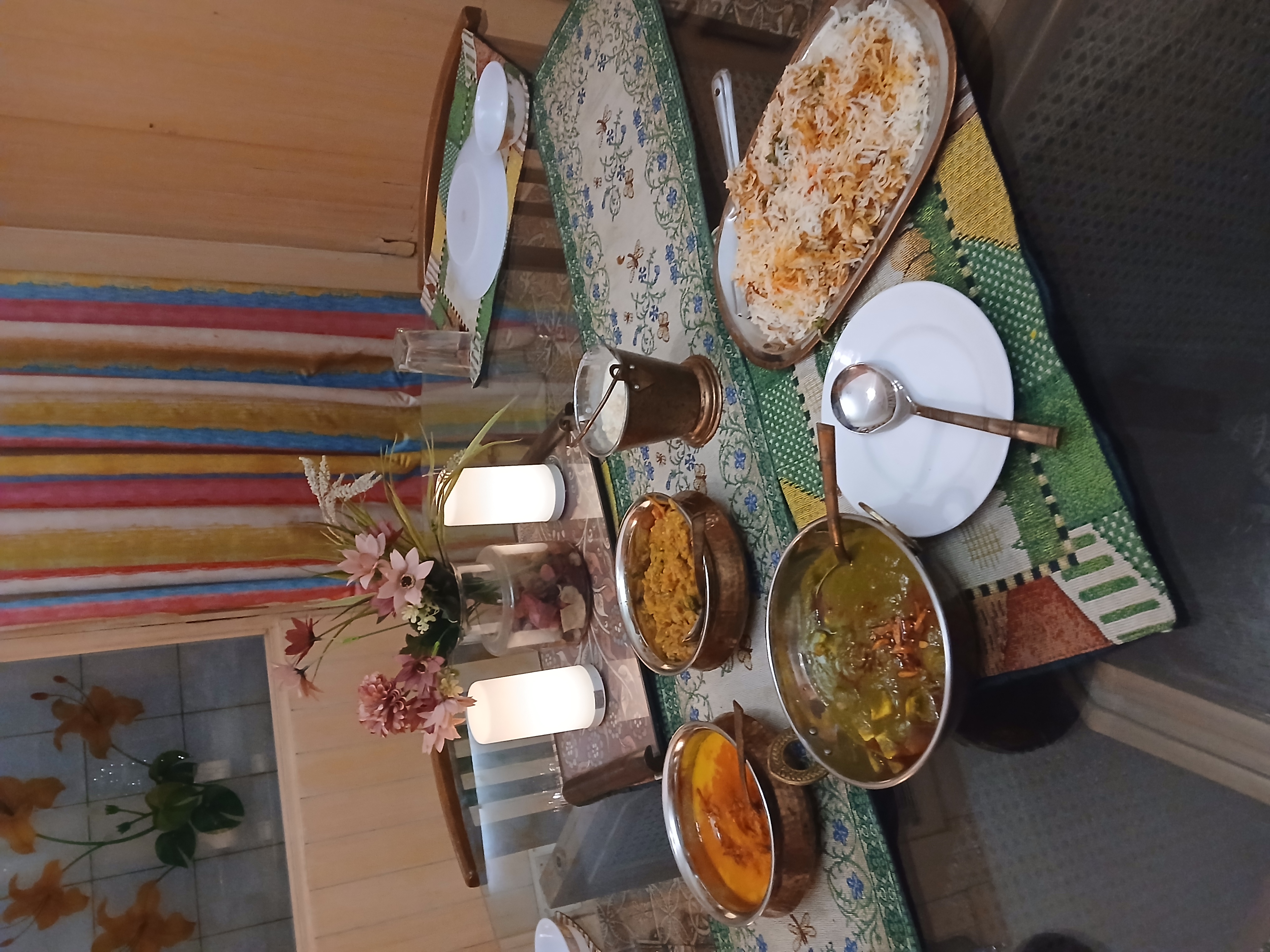
I joined a cooking class hosted by Lubna in her home on the other side of the city, and it turned out to be far more than just a cookery lesson.
It felt like spending an evening with friends.
We began with coffee and snacks in the garden before heading to Lubna’s local market to pick up ingredients. Along the way, we sampled chaat and watched dosa batter being made.
Back at her house, we squeezed into the kitchen and got to work preparing an enormous feast.
There was chicken biryani, saag paneer, dal, mashed aubergine, flatbreads, bhuna raita — and lots of gentle instruction along the way.
Not all of us proved equally talented in the kitchen. My sister-in-law Fiona, a professional chef, got firmly told off for chopping onions incorrectly, which provided much amusement for the rest of us!
Family members drifted in and out, conversations flowed, and by the end of the evening, it felt less like a tourist activity and more like a genuine glimpse into everyday life.
For me, experiences like this are one of the best reasons to travel.
Where to Stay in Delhi
Delhi is enormous, so choosing the right area can make a huge difference to your experience.
I stayed in Paharganj, which I found incredibly convenient. It is within walking distance of Connaught Place, well connected by metro, and full of budget accommodation, cafés, restaurants, and travel services.
Yes, it is chaotic.
And yes, crossing the road occasionally feels like a life-or-death experience.
But once I got used to the atmosphere, I genuinely liked it.
Another good option is Karol Bagh, where my Intrepid group stayed. It feels a little calmer and more residential while still being well-connected to the rest of the city by metro.
Personally, I would happily stay in either area again.
Final Thoughts: Don’t Rush Delhi
Delhi surprised me in all the best possible ways.
Before arriving, I expected chaos, pollution, noise, and sensory overload.
And yes — there was certainly plenty of all of those things.
But what I hadn’t expected were the quiet moments.
The peaceful gardens inside forgotten forts. Sitting in Sikh temples listening to devotional music. Wandering spice markets. Eating incredible food tucked away down hidden alleyways. Watching families picnic beneath centuries-old tombs.
Delhi felt layered, complicated, exhausting, fascinating, frustrating, and utterly addictive all at once.
Most of all, it felt alive.
Everyone told me I only needed a couple of days in Delhi.
I stayed nearly two weeks and still left with a list of places I want to return to.
For me, Delhi became one of the highlights of India.
My advice?
Don’t rush it.
Watch this Video for More Ideas About What to See in Delhi
If you’re travelling soon, please use these links!
Are you travelling soon? Use these links when making your bookings. These are the companies we use. It won’t cost you any extra, but we will earn a few pennies to help keep Happy Days Travel Blog going. Thank you!!
Make sure you take out travel insurance. If you are a digital nomad or long-term traveller, try the specialist provider SafetyWing. (Never leave home without protecting yourself, your trip and your belongings!)
Book your flight with Skyscanner
Book your accommodation with Booking.com
Book a tour with TourRadar
Book city tours and activities with Viator or GetYourGuide
Check out my Resource Page for more companies I recommend.
Disclosure:This post contains affiliate links. If you click through for more information, or to make a purchase, it may result in a small commission coming my way. Please note that there is no extra cost to you associated with this. Thank you so much for supporting my site.
