5 Days in Delhi Itinerary: A Slow Travel Guide to India’s Capital
Everyone told me that I only needed a couple of days in Delhi.
In fact, several people suggested spending as little time there as possible before moving on to Rajasthan or Agra.
In the end, I stayed nearly two weeks — and honestly, I could have stayed longer.
Delhi surprised me.
Yes, it is noisy, chaotic, crowded, and occasionally overwhelming. Crossing the road can sometimes feel like an extreme sport, and the soundtrack of daily life is a near-constant symphony of car horns.
But Delhi is also fascinating, historic, colourful, spiritual, and unexpectedly peaceful in places.
One minute, you are weaving through spice markets and dodging cycle rickshaws in Old Delhi. The next, you are sitting quietly in a temple, wandering through Mughal gardens, or drinking coffee beside centuries-old monuments.
That is what makes Delhi so special.
This itinerary is designed for travellers who want to experience the city without rushing through it. Rather than ticking off endless sights at breakneck speed, this is a slower-paced itinerary that balances Delhi’s chaos with its calmer side.
There is history, food, culture, markets, gardens, spirituality, and — of course — plenty of opportunities to stop for chai or coffee along the way.
Before You Start: Where to Stay in Delhi
Delhi is enormous, and where you stay can make a huge difference to how easy the city feels to navigate.
I stayed in Paharganj, an area popular with travellers because of its affordable hotels, restaurants, cafés, and excellent transport connections. It is within walking distance of Connaught Place and close to New Delhi Railway Station and metro links.
I will be honest — Paharganj can feel intense at first.
The roads are busy, the pavements occasionally seem optional, and there is always something happening. But once I settled in, I actually really liked it and found it incredibly convenient.
Another good option is Karol Bagh, where my Intrepid tour group stayed later in my trip. It feels slightly calmer and more residential while still being well-connected by metro.
For getting around Delhi, I walked a lot and also used a mixture of Uber autos, tuk-tuks, and the metro, all of which I found easy to use.
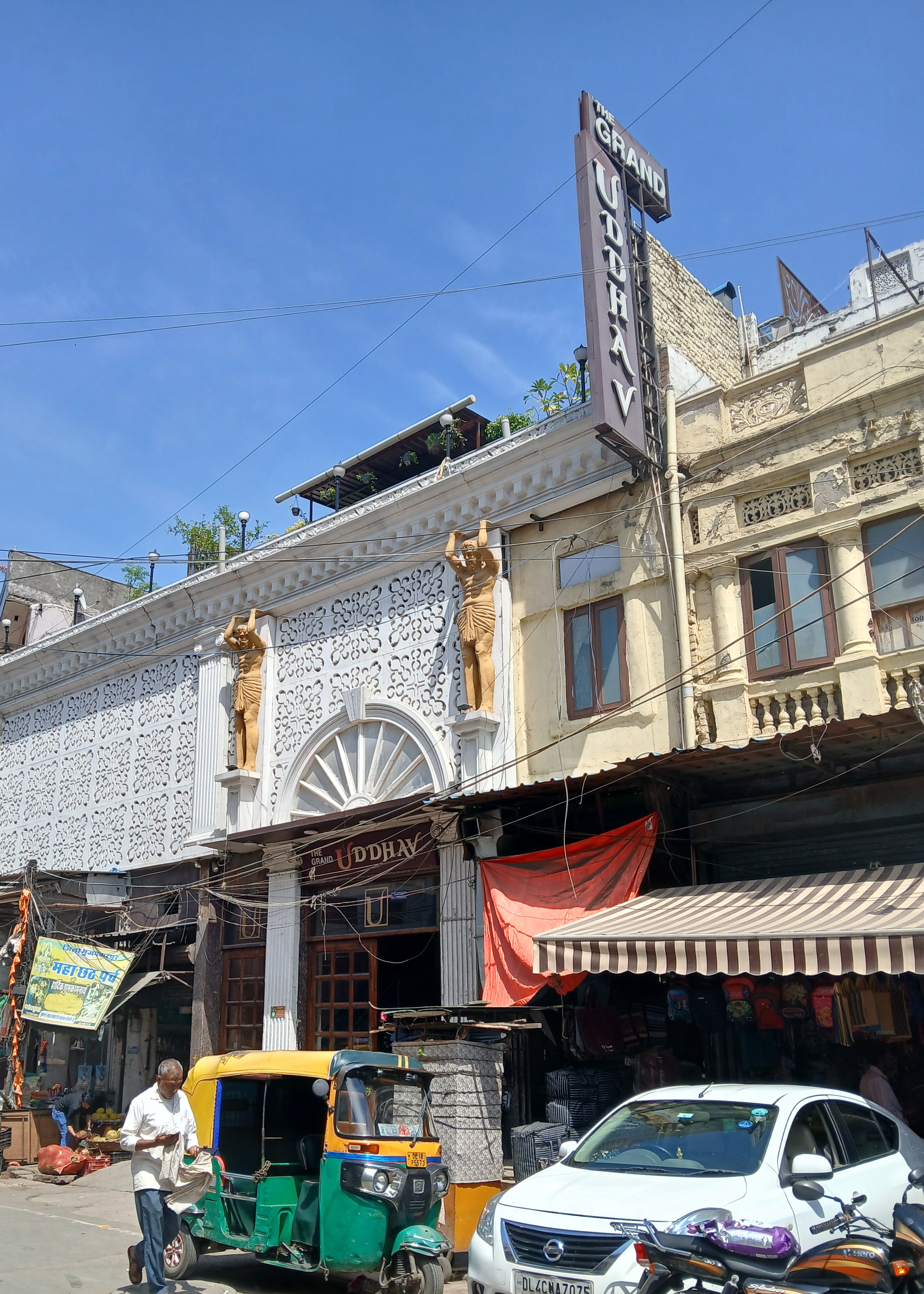
I stayed in the Grand Uddhav Hotel in Paharganj. It was a great budget option in a good location.
Day 1: Dive Into Old Delhi
If Delhi has a beating heart, it is Old Delhi.
My advice? Start here.
Yes, it is chaotic. Yes, it can feel overwhelming at first.
But Old Delhi is also completely unforgettable.
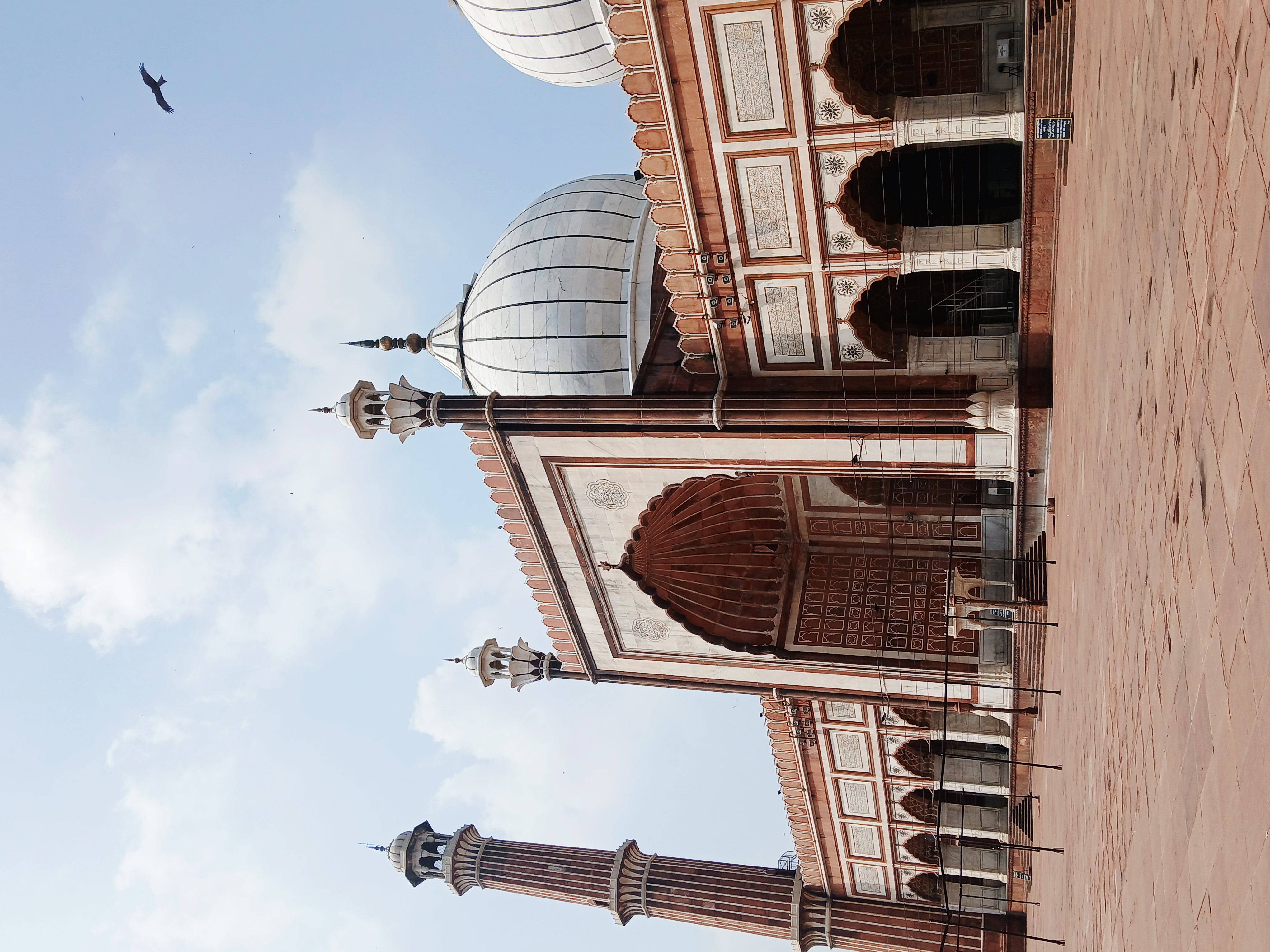
Begin your day at Jama Masjid, one of the largest mosques in India and a wonderful introduction to the city. Built by Mughal emperor Shah Jahan between 1644 and 1658, the mosque feels surprisingly peaceful despite the frenzy outside.
Step into the vast courtyard, pause for a moment, and simply take in the atmosphere.
If you are feeling energetic, you can climb one of the minarets for sweeping views across Old Delhi. I decided to admire everything from ground level — partly due to the heat and partly due to a healthy respect for steep staircases!
From Jama Masjid, head into Chandni Chowk, Old Delhi’s gloriously chaotic main thoroughfare.
This is where Delhi really comes alive.
Cycle rickshaws somehow navigate impossible gaps in traffic. Scooters appear from nowhere. Street vendors shout to customers. Overhead, electrical wires seem to develop their own ecosystems.
And yet, somehow, it all works.
Rather than rushing through, allow yourself time to wander.
Some of my favourite moments came from stepping away from the main street and exploring the smaller alleyways. You will find everything from glittering wedding markets to quieter residential lanes in the Jain quarter, where the atmosphere suddenly changes.

One of the absolute highlights of Old Delhi is Khari Baoli, Asia’s largest spice market.
The smells here are incredible.
Huge sacks of spices line the streets, porters weave through crowds carrying impossible loads, and the air smells of chilli, turmeric, cardamom, herbs, and dried fruit.
It is busy, chaotic, fascinating — and wonderfully photogenic.
Afterwards, make your way to Fatehpuri Mosque, located at the western end of Chandni Chowk.
Compared with the madness outside, it feels wonderfully calm. I still remember hopping rather quickly across the scorching courtyard after removing my shoes!
Nearby, visit Sheeshganj Gurudwara, one of Delhi’s most important Sikh temples.
This was one of my favourite spiritual experiences in Delhi.
Spend a little time sitting quietly, listening to devotional music and watching daily life unfold around you. If possible, visit the langar, the community kitchen where free meals are served to everyone regardless of religion or background.
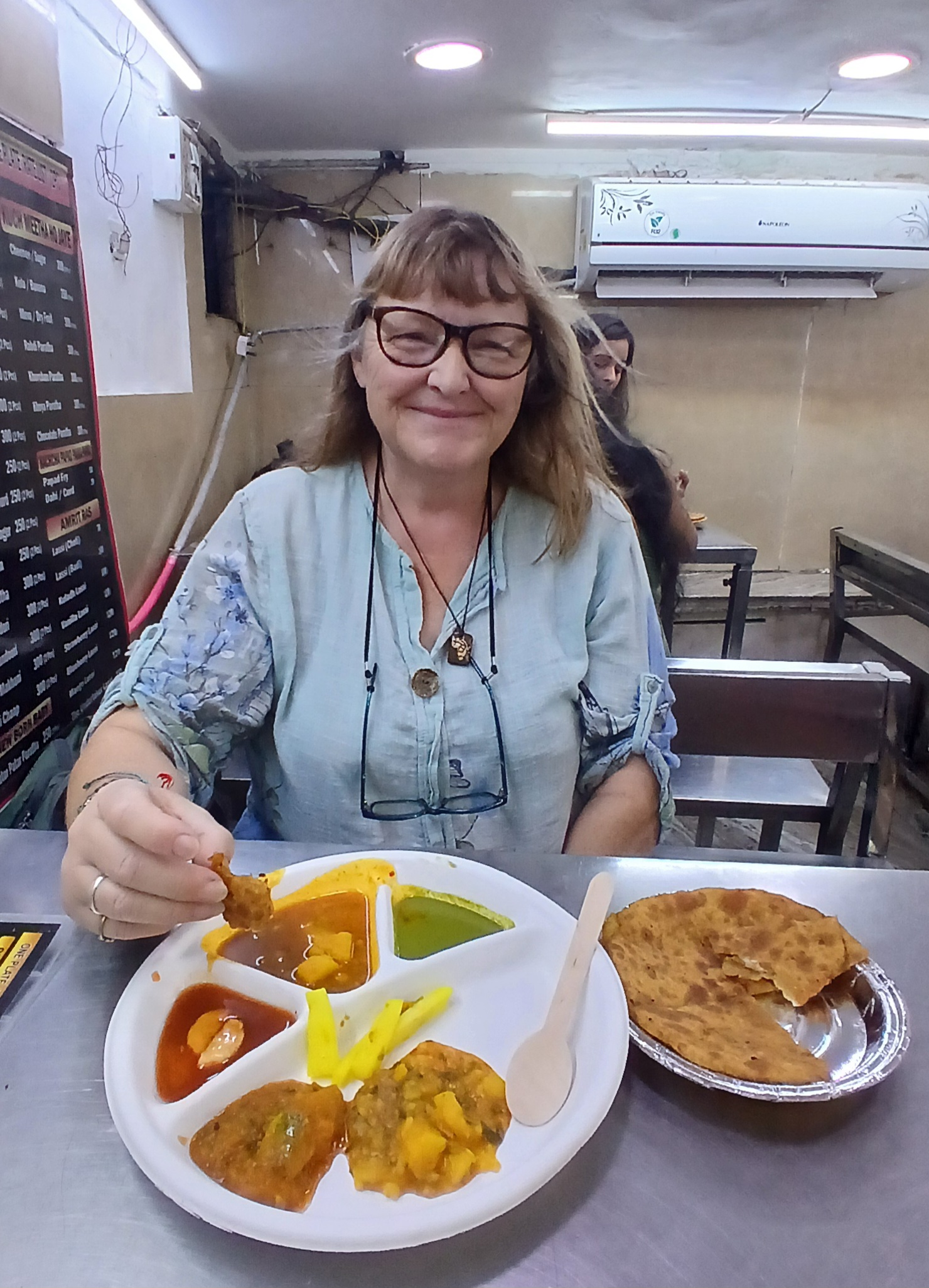
If you have the energy, consider ending the day with an Old Delhi food tour.
This was one of the best things I did in Delhi.
I sampled everything from golgappa and paratha to mango lassi and kulfi, hidden away in tiny family-run restaurants tucked down narrow alleyways that I never would have discovered by myself.
Come hungry.
Very hungry.
Day 1 at a Glance
Jama Masjid
Chandni Chowk
Old Delhi alleyways & wedding market
Khari Baoli Spice Market
Fatehpuri Mosque
Sheeshganj Gurudwara
Optional Old Delhi food tour
Pace: Busy but unforgettable. Expect sensory overload — in the best possible way.
Day 2: Mughal Delhi, Crafts and Hidden Calm
After the excitement of Old Delhi, spend your second day exploring a quieter side of the city.
Today is about slowing down.
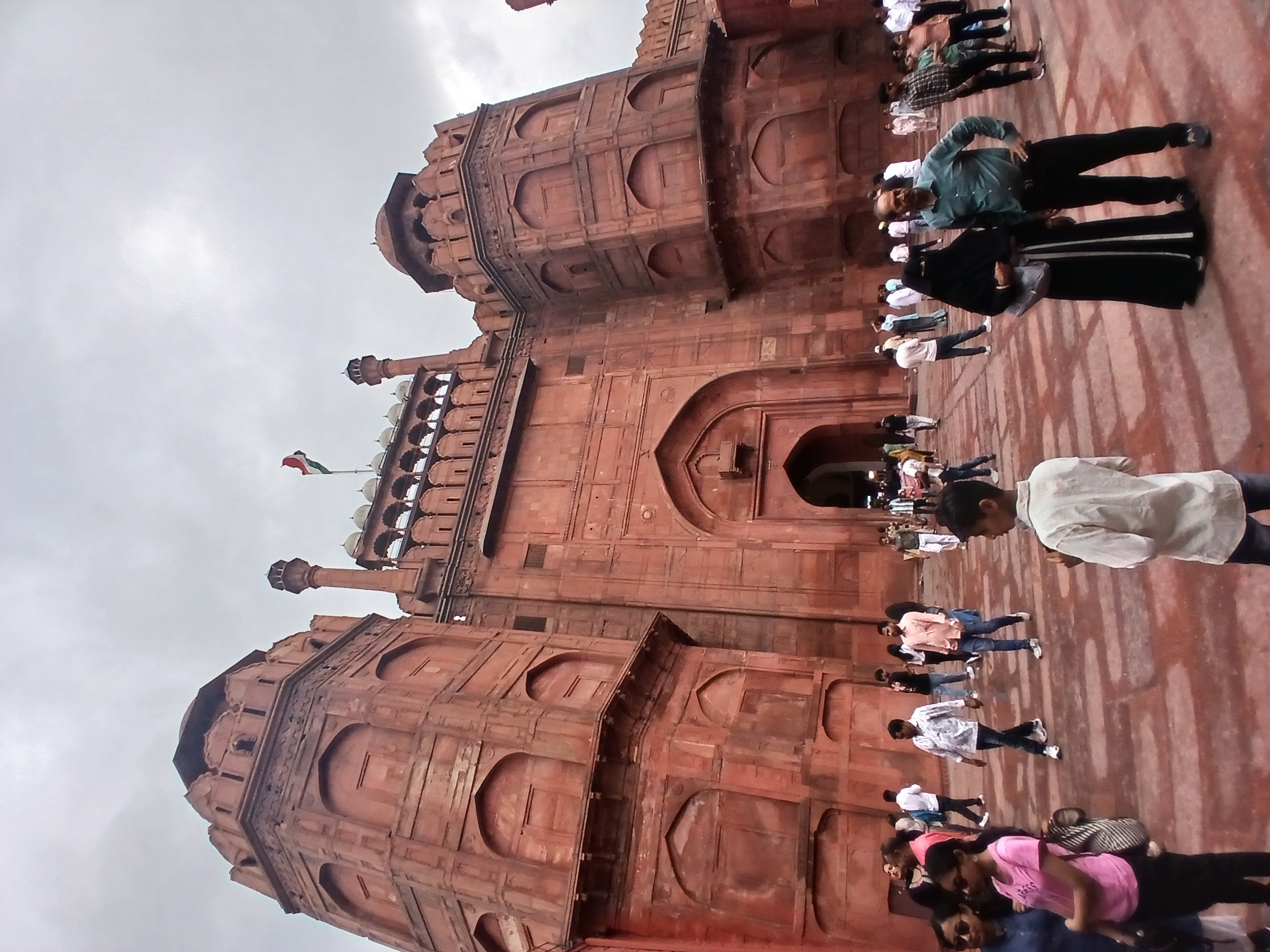
Begin at the Red Fort, one of Delhi's most important historical landmarks and a UNESCO World Heritage Site.
Built by Shah Jahan in the 17th century when he moved the Mughal capital from Agra to Delhi, the fort served as the residence of the Mughal emperors for nearly two centuries.
Arrive early if possible before the day becomes too hot.
The fort is much larger than many visitors expect, and there is plenty to explore. Enter through Chhatta Chowk, the covered market where merchants once sold luxury goods to the imperial court, before making your way into the palace complex itself.
Take time to wander through the audience halls, royal apartments, museums, and gardens. One of the things that struck me most was the sheer scale of the place. Even today, it is easy to imagine the wealth and power of the Mughal Empire at its height.
The museums inside the complex are also worth visiting, particularly if you are interested in India's struggle for independence.
From the Red Fort, make your way to the National Crafts Museum, one of Delhi's hidden gems.
This was one of my favourite places in the city.
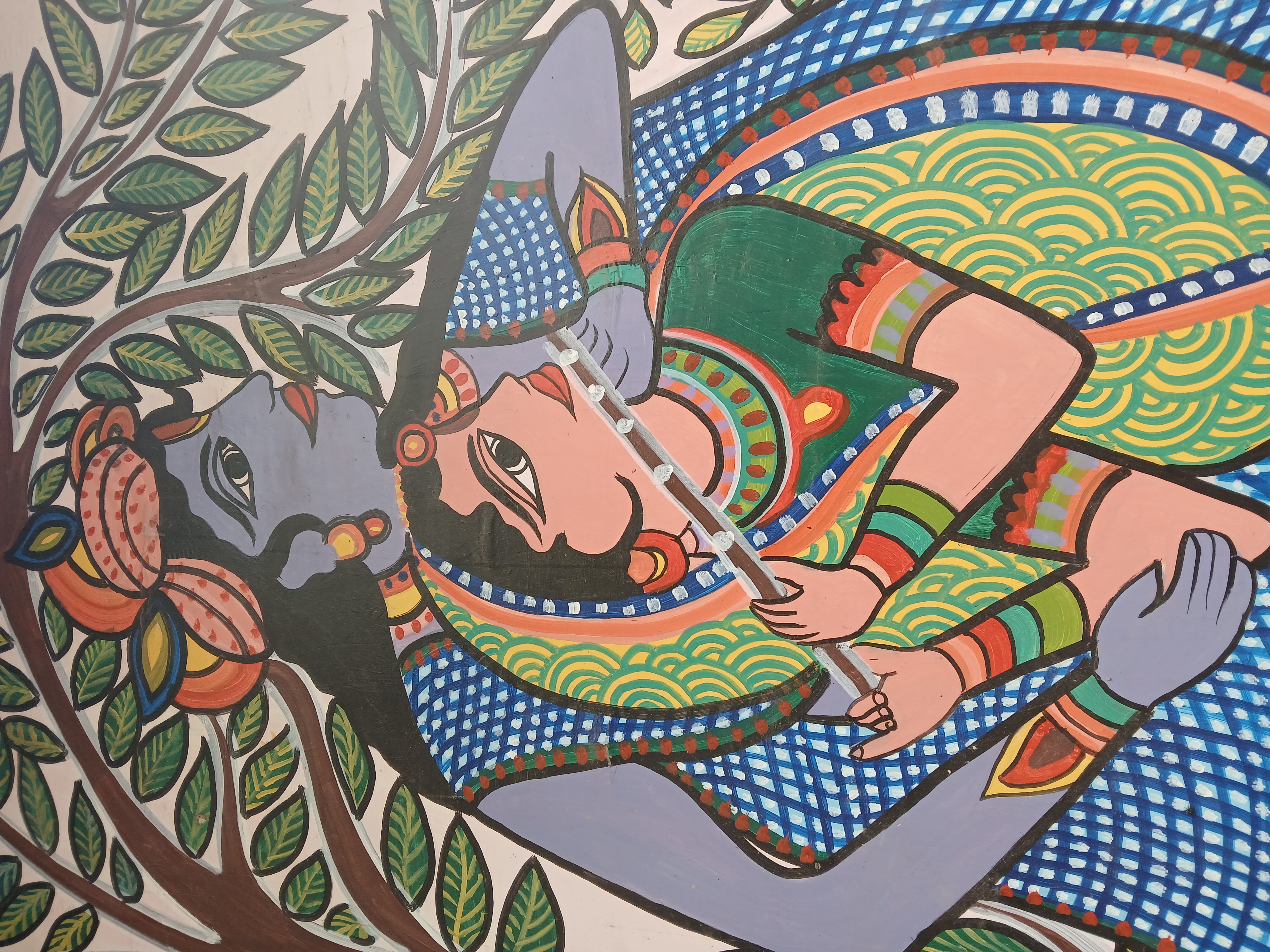
Even before you enter the museum, there is plenty to see. The outer walls are decorated with colourful traditional artwork from different regions of India, while sculptures and installations are scattered throughout the grounds.
Inside, the galleries celebrate India's remarkable craft traditions. Textiles, embroidery, block printing, ceramics, folk art, woodwork, and decorative crafts from across the country are beautifully displayed.
As someone who enjoys stitching and textiles, I found it fascinating.
What really makes the museum special, however, is that it is not simply a collection of exhibits behind glass. Craftspeople regularly demonstrate traditional skills, including miniature painting, block printing, and other regional art forms, allowing visitors to watch these techniques being practised today.
Outside, a recreated village complex showcases traditional homes from India's twenty-eight states, offering a fascinating glimpse into the country's cultural diversity.
When I visited, there were also musical performances taking place, which made the experience feel even more immersive.
Allow several hours here. I certainly did.
There is also an excellent café on site if you need a break before continuing your day.
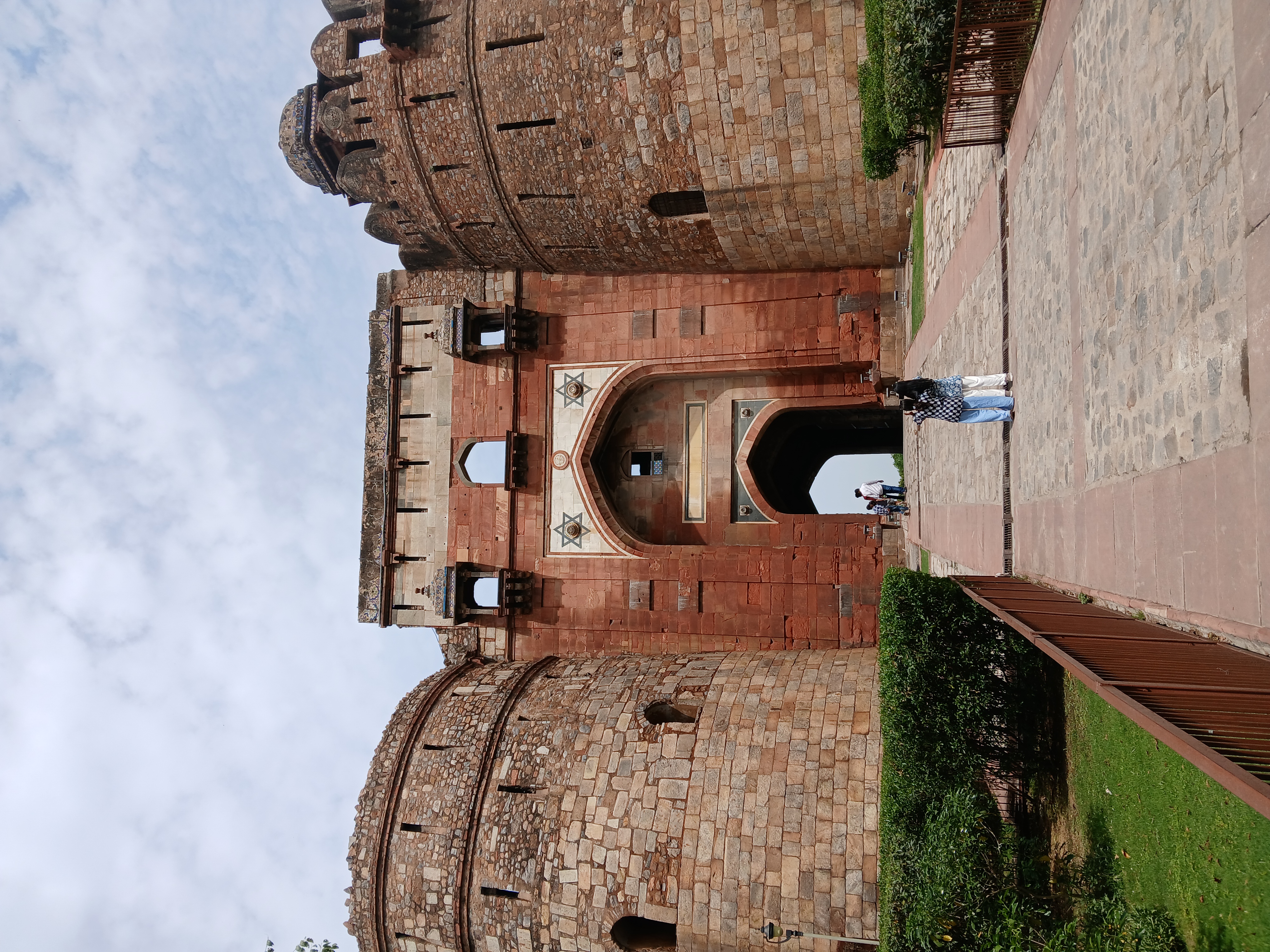
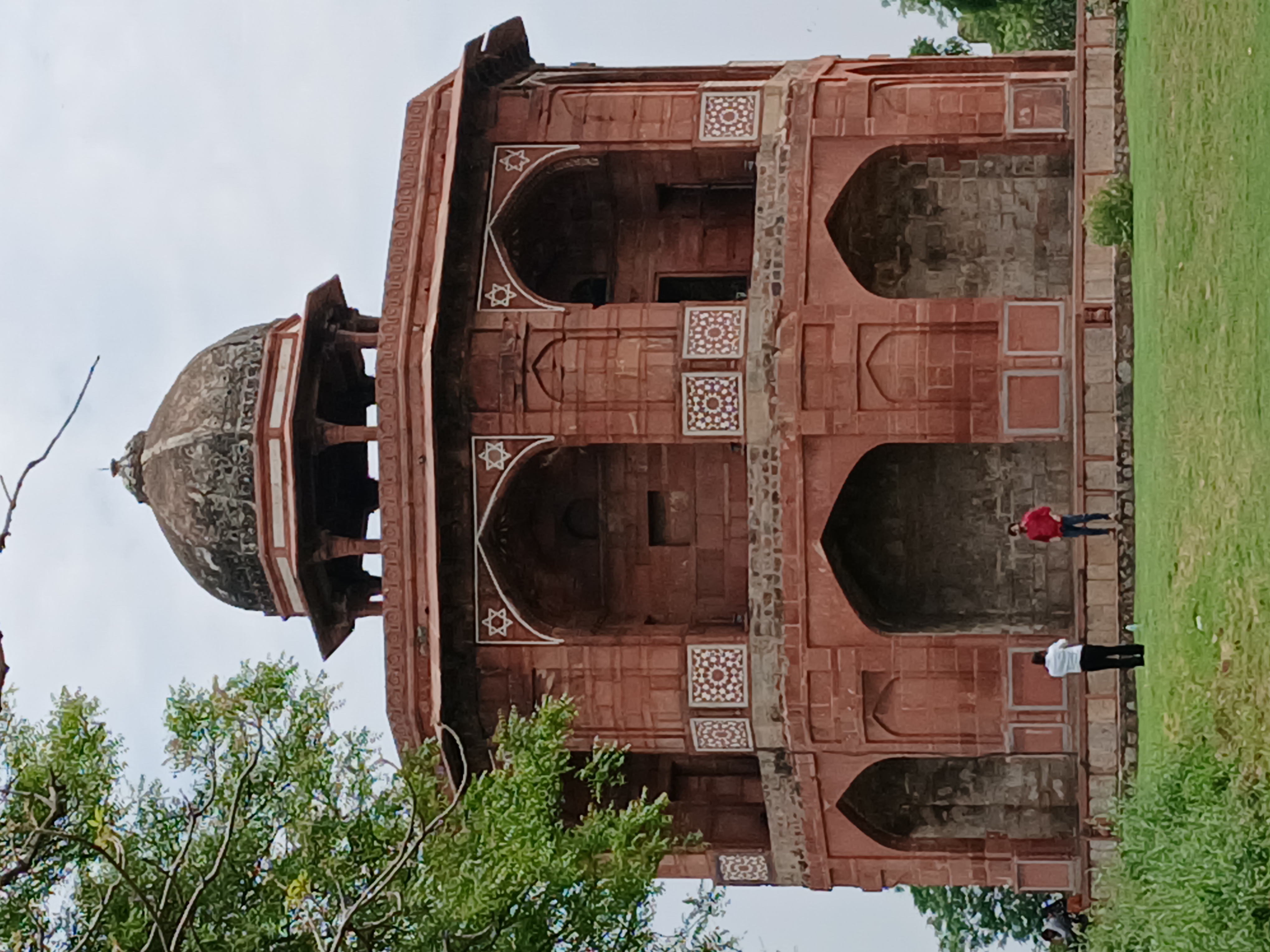
In the afternoon, head to Purana Qila, Delhi's Old Fort.
This was one of the most peaceful places I visited anywhere in the city.
Walking through the enormous gateway felt like leaving Delhi behind. Almost immediately, the traffic noise disappeared and was replaced by birdsong.
Wide paths wind through beautifully landscaped gardens, while historic buildings rise from the greenery. The atmosphere is completely different from the busy streets outside.
The fort itself dates largely from the reign of Sher Shah Suri in the 16th century and is associated with the Mughal emperor Humayun, who is said to have died here after falling down the steps of his library.
History aside, it is simply a lovely place to spend a few hours.
Bring water, take your time, and enjoy the rare sense of tranquillity.
By the end of the day, you will probably have a very different impression of Delhi than you did yesterday.
Day 2 at a Glance
Red Fort
National Crafts Museum
Purana Qila
Pace: Relaxed. A good balance of history, culture, crafts, and green spaces.
Day 3: Markets, Textiles and Everyday Delhi
By Day 3, you will hopefully have found your feet in Delhi.
Today is less about major monuments and more about experiencing the city's everyday life, shopping, architecture, and culture.
Start your morning in Connaught Place, the grand commercial heart of New Delhi.
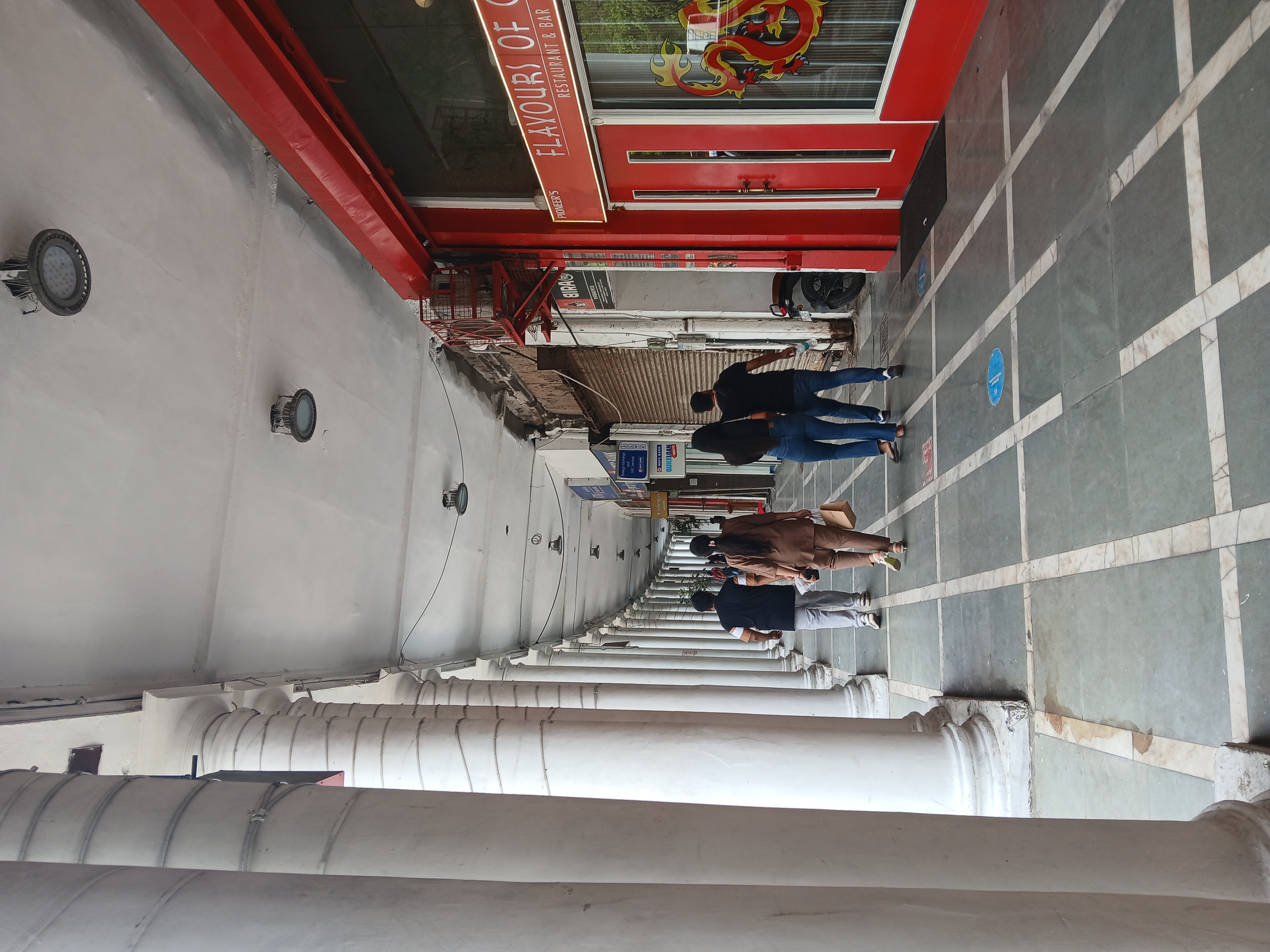
Designed by British architect Edwin Lutyens and inspired by the elegant crescents of Bath, Connaught Place feels worlds away from Old Delhi. The white collonaded buildings, broad avenues, cafés, and shops create a very different atmosphere.
This is one of my favourite parts of Delhi to wander without a particular plan.
Take time to stroll beneath the arches, browse the shops, and enjoy a coffee while watching daily life unfold around you.
If you need a break from the traffic and bustle, head into Central Park, a pleasant green space at the centre of Connaught Place where locals gather to relax.
From here, walk over to Janpath Market.
This colourful market is packed with clothing, textiles, jewellery, handicrafts, and souvenirs. Even if you are not planning to buy anything, it is an enjoyable place to browse.
I particularly enjoyed chatting with local traders and admiring the colourful fabrics and traditional clothing on display. The atmosphere inside the market felt friendly and relaxed, making it a pleasant place to spend an hour or two.
For anyone interested in Indian textiles and crafts, however, the real highlight of the day comes next.
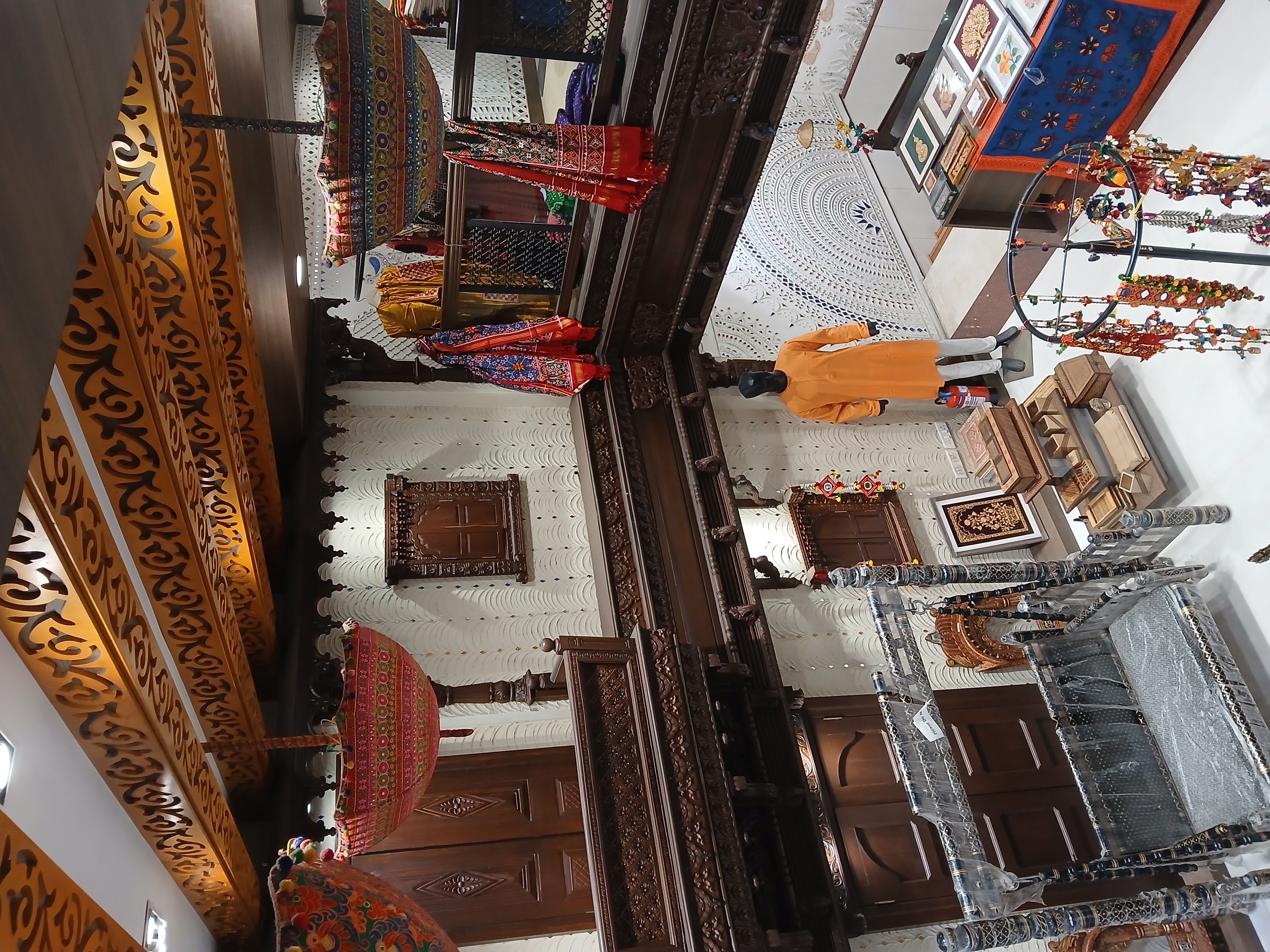
A short distance away is a collection of government-run state emporiums, each representing a different region of India.
I absolutely loved these.
Rather than battling crowds in busy markets, you can browse high-quality handicrafts, clothing, textiles, artwork, and homewares from all over the country in a much calmer environment.
Each shop showcases the traditions of a different state, making it feel like a miniature tour of India.
I spent a considerable amount of time in the Khadi store, which specialises in the hand-spun and handwoven fabric championed by Mahatma Gandhi during India's independence movement.
As someone who enjoys stitching and textile crafts, discovering an entire shop dedicated to khadi felt like striking gold.
I may have left carrying several metres of fabric.
Actually, make that eight metres.
If you enjoy crafts, sewing, textiles, or traditional handmade goods, this area should be near the top of your Delhi wish list.
After lunch, make your way to Jantar Mantar, one of Delhi's most unusual attractions.
Built in 1725 by Maharaja Jai Singh II of Jaipur, this observatory contains a collection of giant astronomical instruments used to study the movement of the stars and planets.
Even if astronomy is not normally your thing, the site is fascinating.
The enormous geometric structures seem almost sculptural, rising unexpectedly from the landscaped gardens. Some resemble giant staircases, others abstract modern art installations.
I freely admit that I did not fully understand all the science behind them, but I thoroughly enjoyed wandering through the grounds and admiring the remarkable architecture.
The atmosphere is calm and peaceful, making it another welcome break from Delhi's busy streets.
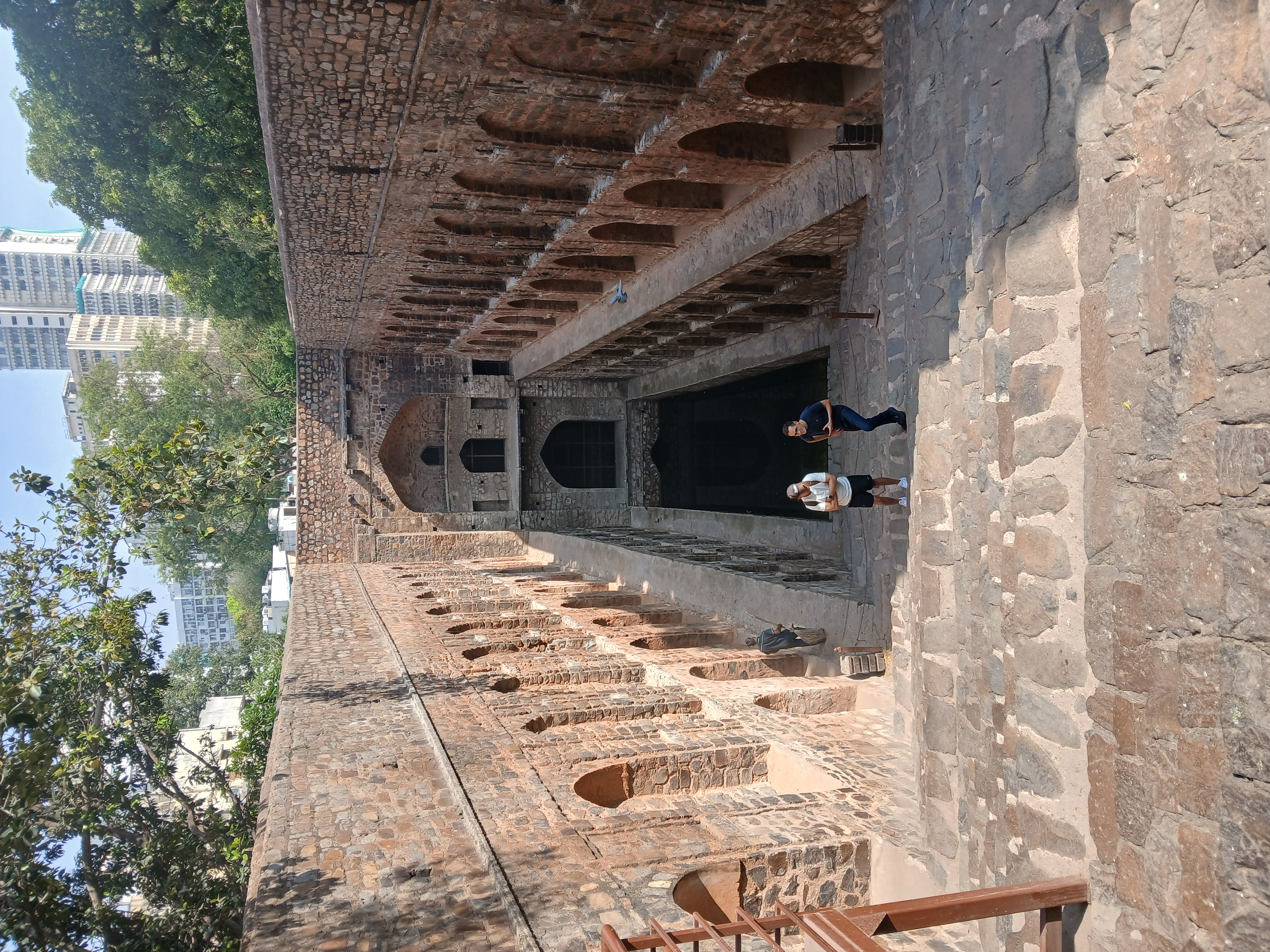
Next, visit Agrasen Ki Baoli, one of Delhi's most atmospheric hidden historical sites.
This 14th-century stepwell descends deep below street level via 103 stone steps flanked by arched recesses.
Standing at the top and looking down into the structure is quite a sight.
Delhi once had more than one hundred baolis, or stepwells, but relatively few survive today. Agrasen Ki Baoli is one of the best preserved and easiest to visit.
Its location, surrounded by modern office buildings, only adds to its charm.
For a final stop before heading back, consider visiting Jhandewalan Hanuman Temple.
The temple is famous for its enormous Hanuman statue, which towers above the surrounding streets and is impossible to miss.
Entering is an experience in itself. Visitors pass through a giant mouth into a colourful cave-like interior filled with shrines and religious imagery.
During my visit, a holy man blessed me and tied a sacred thread around my wrist as a symbol of good fortune and protection.
Months later, I am still wearing it.
It is a small reminder of Delhi and one of those unexpected travel moments that stay with you long after the trip is over.
Day 3 at a Glance
Connaught Place
Central Park
Janpath Market
Government-run state emporiums
Jantar Mantar
Agrasen Ki Baoli
Jhandewalan Hanuman Temple
Pace: Easy and flexible. A wonderful day for shopping, culture, textiles, and discovering a more local side of Delhi.
Day 4: Gardens, Tombs and Beautiful Architecture
After three days of markets, monuments, and sensory overload, today is all about slowing down and appreciating some of Delhi's most beautiful spaces.
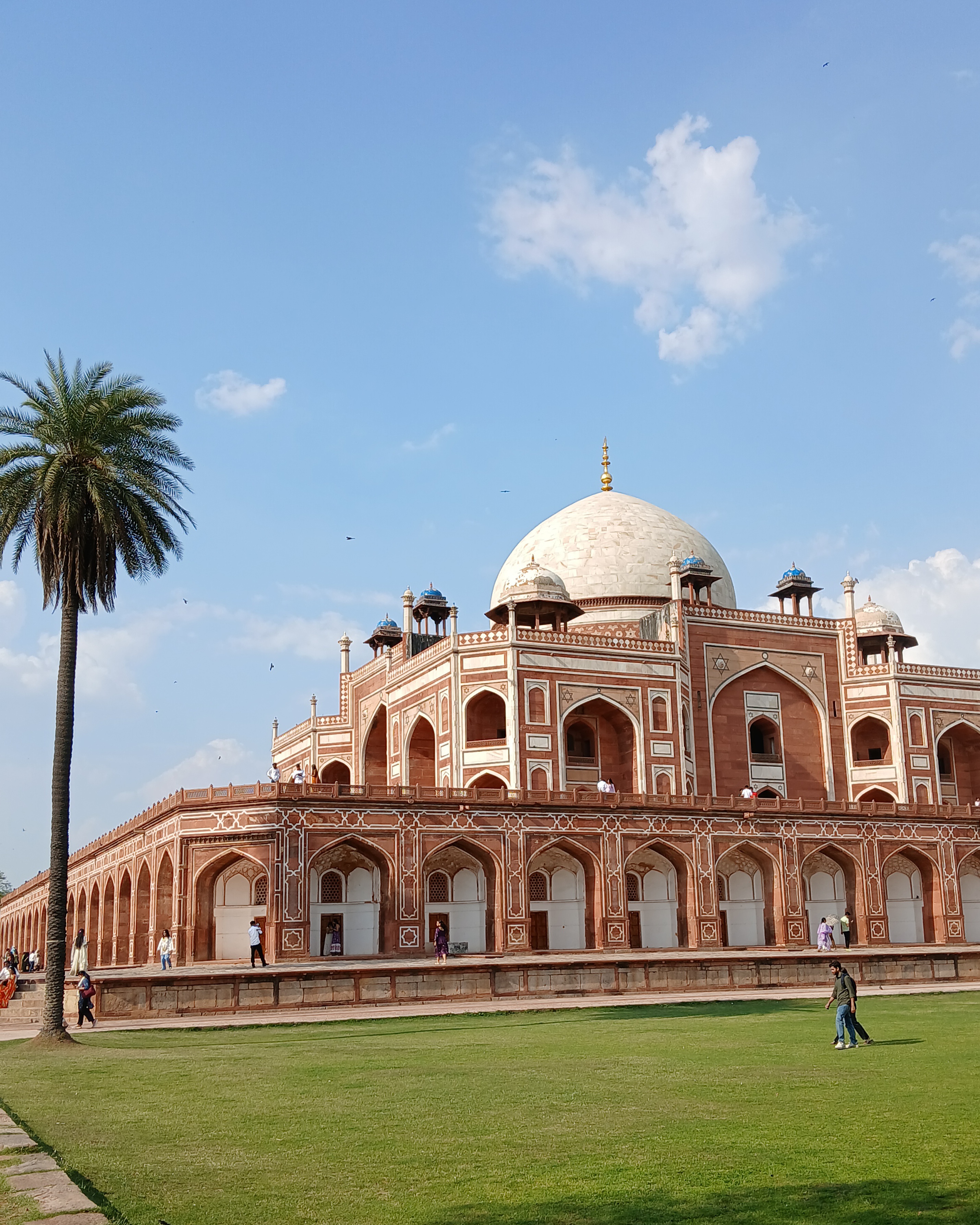
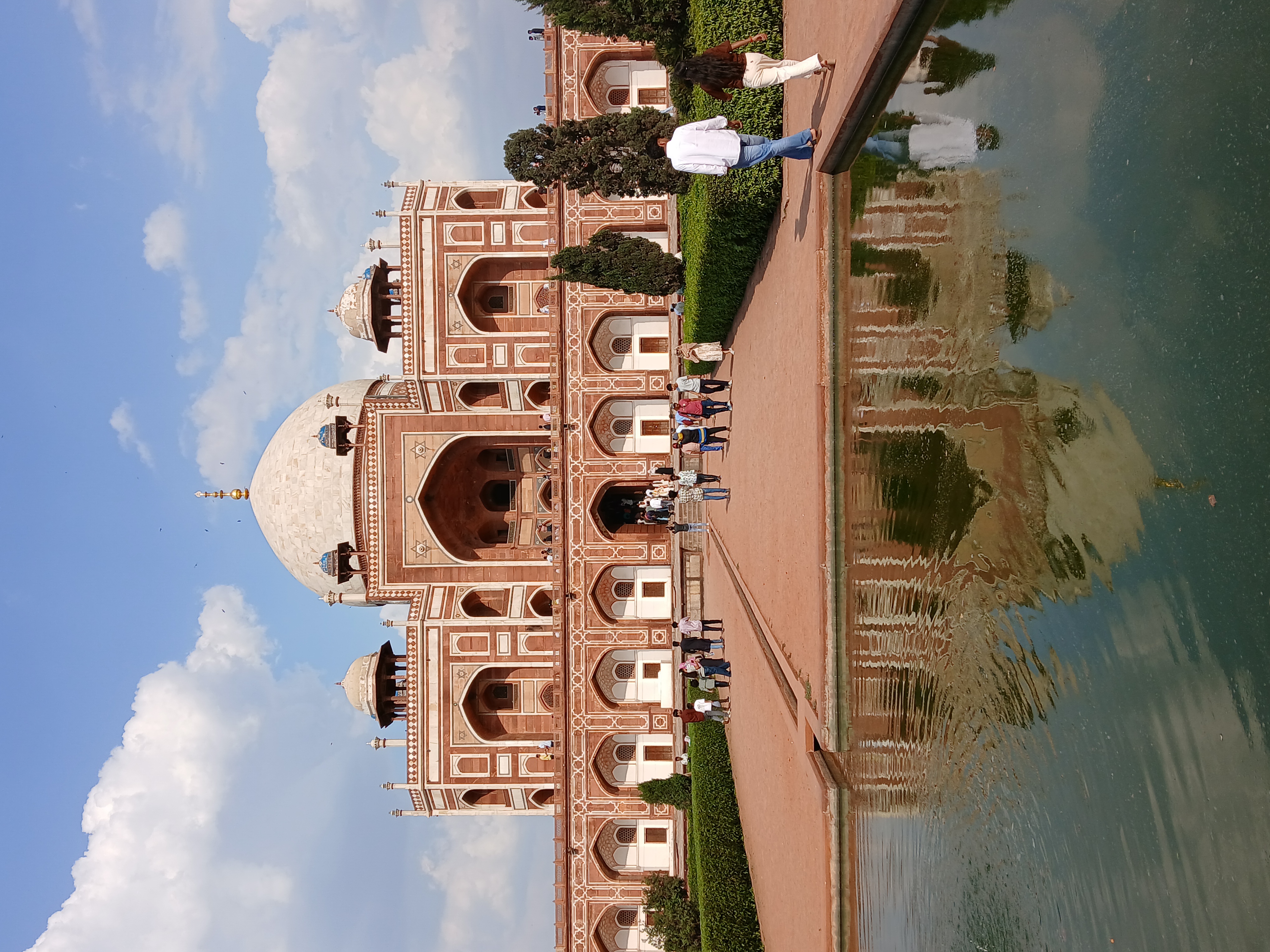
Begin your morning at Humayun's Tomb, one of the city's greatest architectural treasures.
Although it is one of Delhi's most famous attractions, it somehow still feels underrated compared to the Taj Mahal.
In many ways, it is easy to see why people describe it as the Taj Mahal's predecessor.
Built in 1570 by Haji Begum for her husband, the Mughal emperor Humayun, the tomb combines Persian and Mughal architectural influences to create something truly spectacular.
As you enter through the gardens, the enormous red sandstone structure gradually comes into view, its white marble details standing out against the deep red walls.
The symmetry is breathtaking.
Formal gardens, pathways, water channels, and carefully proportioned buildings create a sense of harmony that makes this one of the most peaceful historical sites in Delhi.
Take your time here.
The main tomb is impressive, but there are also smaller monuments, gardens, and hidden corners scattered throughout the complex. It is somewhere that rewards slow exploration.
Afterwards, make your way to Lodi Gardens.
If Humayun's Tomb showcases the grandeur of the Mughal Empire, Lodi Gardens offers something entirely different.
Spread across ninety acres, this beautiful public park combines green open spaces with tombs dating back to the Delhi Sultanate period.
One of the things I loved most was seeing how local people use the gardens.
Families gathered for picnics, friends sat chatting beneath the trees, and people strolled through the grounds, enjoying a break from the city.
The historical monuments are impressive, particularly the tomb of Sikandar Lodi and the beautiful Bara Gumbad, but the atmosphere is what makes the place special.
This is not just a tourist attraction.
It is a living part of Delhi.
If you need a coffee or a rest, this is the perfect place to slow down before continuing your day.
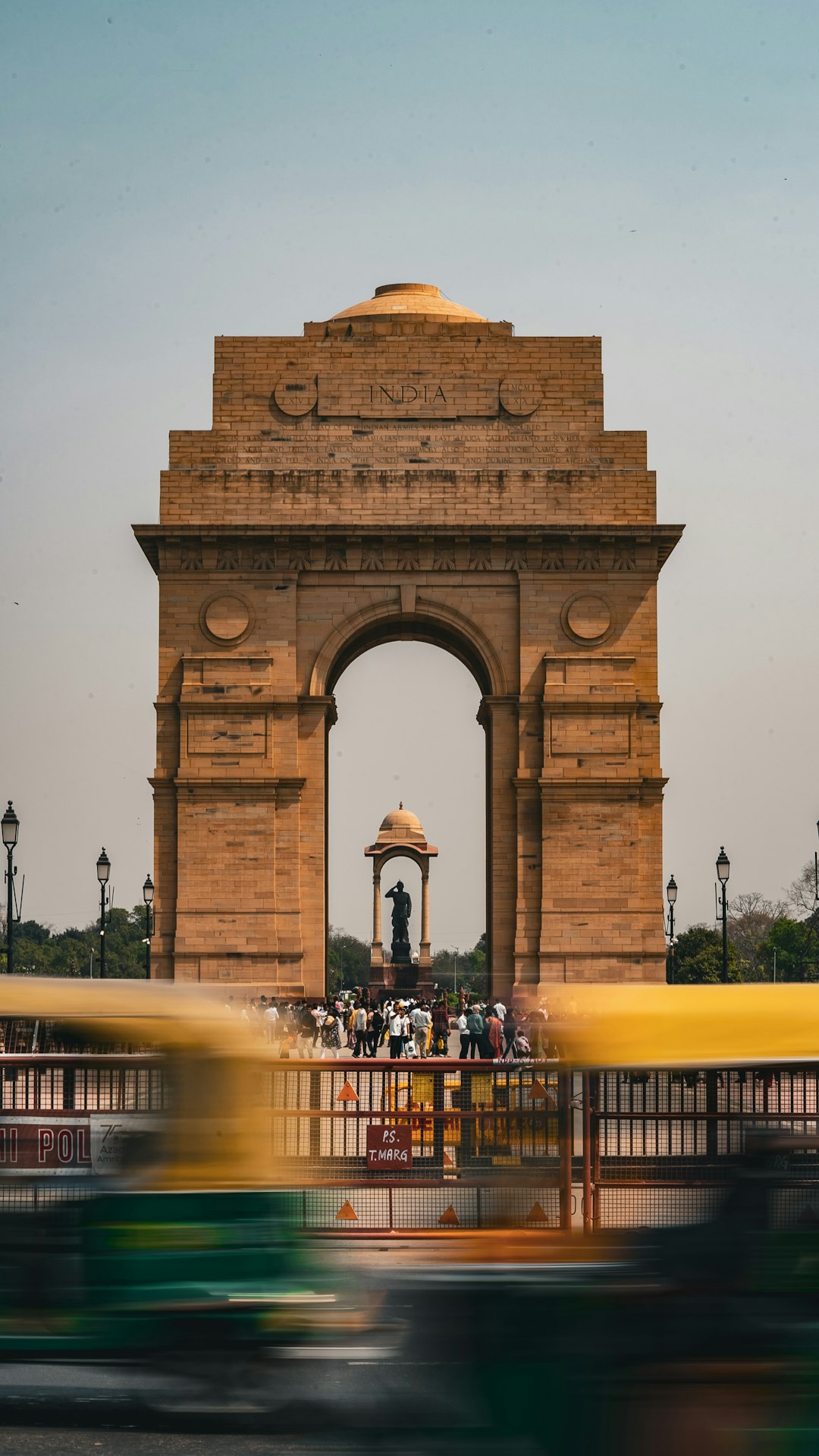
In the afternoon, head towards India Gate.
Standing proudly at the eastern end of Kartavya Path, this iconic war memorial commemorates more than 74,000 Indian soldiers who died during the First World War and the Third Anglo-Afghan War.
Designed by Edwin Lutyens, it bears a resemblance to the Arc de Triomphe in Paris, although it has a distinct identity of its own.
The surrounding area is popular with local families and visitors alike, creating a lively atmosphere throughout the day.
I particularly enjoyed seeing the monument illuminated later in my trip, glowing in the colours of the Indian flag against the night sky.
If your schedule allows, consider returning after dark for photographs.
Finish your day at the Lotus Temple, one of the most striking modern buildings in Delhi.
Unlike the Mughal tombs and medieval forts that dominate much of the city, the Lotus Temple feels distinctly contemporary.
Completed in 1986 and belonging to the Bahá'í faith, the temple was designed to welcome people of all religions and backgrounds.
Its twenty-seven marble petals create the shape of a giant lotus flower rising above landscaped gardens.
It is an extraordinary piece of architecture.
When I visited, the queues were enormous. Hundreds of people stood waiting patiently in the heat, many of them barefoot on hot paving stones.
Faced with the prospect of standing in line for hours, I chose to admire the temple from outside rather than join the queue.
Even from a distance, however, it was worth seeing.
If possible, visit early in the morning or later in the day when it is likely to be quieter.
Day 4 at a Glance
Humayun's Tomb
Lodi Gardens
India Gate
Lotus Temple
Pace: Relaxed and scenic. A day focused on architecture, gardens, photography, and some of Delhi's most beautiful spaces.
Day 5: Gandhi, Modern India and a Taste of Delhi
For your final day in Delhi, slow the pace down even further and spend some time understanding the people and ideas that helped shape modern India.
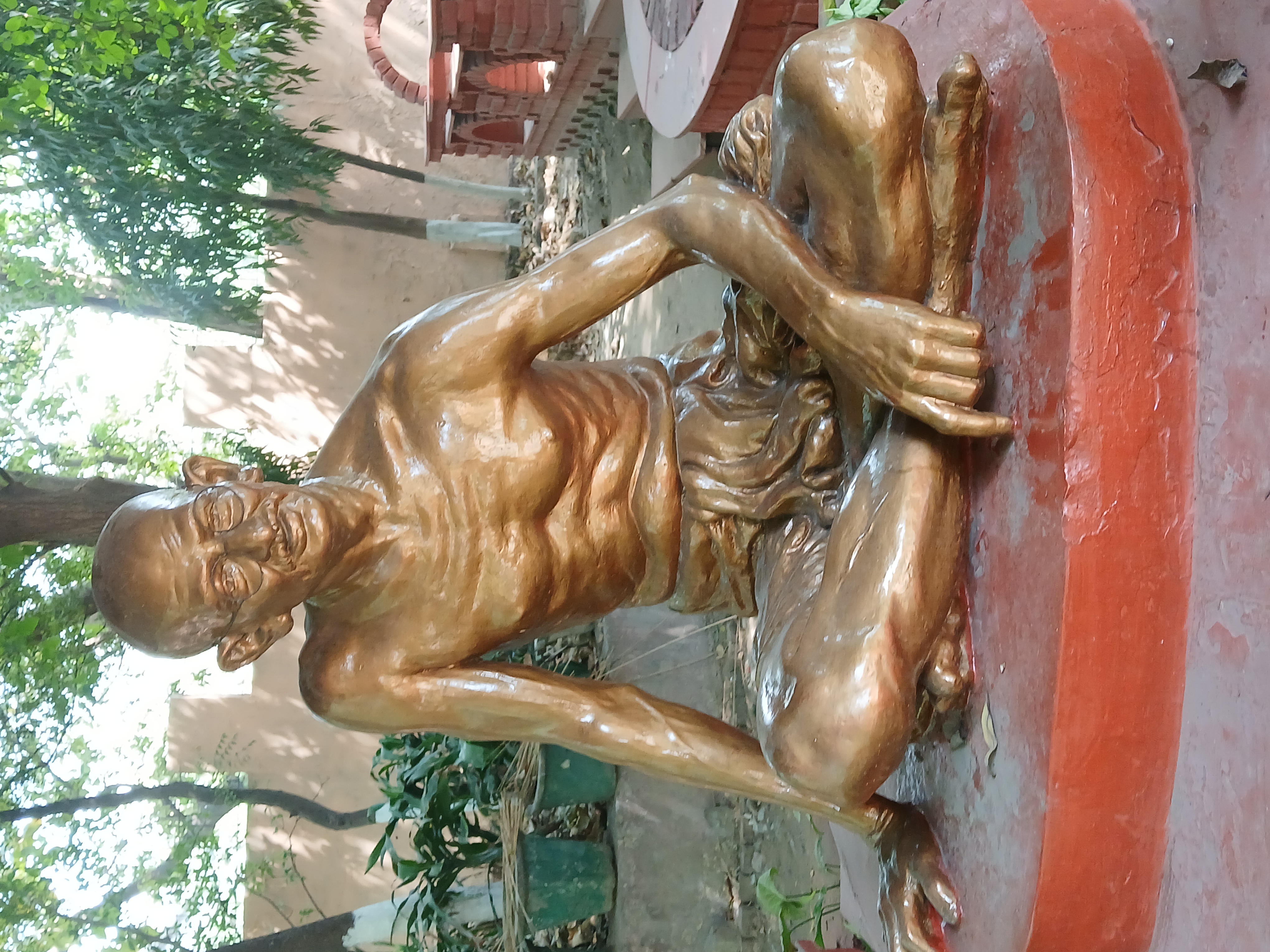
Begin at the National Gandhi Museum.
Located close to Raj Ghat, this thoughtful museum provides an excellent introduction to the life and legacy of Mahatma Gandhi.
I arrived early one morning before meeting a local friend and ended up spending much longer there than I had expected.
The exhibits cover Gandhi's entire life, from his childhood and years in South Africa to the independence movement and his assassination in 1948.
What interested me most were the displays relating to South Africa. Having previously visited Johannesburg, I recognised several photographs and events that I had encountered there, creating an unexpected connection between different parts of my travels.
The museum itself is well laid out, informative, and respectful. Outside, the gardens and artwork are also worth taking a few minutes to enjoy.
From here, walk across to Gandhi Darshan.
Many visitors overlook this peaceful site, but it offers a fascinating insight into Gandhi's philosophy and achievements.
The landscaped grounds contain displays, photographs, and exhibits relating to his life and work, including the boat used during part of the famous Salt March.
Compared to Delhi's more famous attractions, it receives relatively few visitors, making it a pleasant place to spend an hour or so.
Next, continue to Raj Ghat.
This simple black marble memorial marks the spot where Gandhi was cremated following his assassination.
Unlike many monuments in India, Raj Ghat is remarkably understated.
An eternal flame burns beside the platform, while visitors walk quietly through the surrounding gardens.
There is something very moving about its simplicity.
You do not need a huge amount of time here, but it feels like an important place to visit if you want to understand modern Indian history.
Afterwards, take the opportunity to enjoy a leisurely lunch.
I found myself repeatedly returning to South Indian food while I was in Delhi. Dosas and uttapam became firm favourites, particularly on hot days when I wanted something filling but not too heavy.
The afternoon is intentionally left flexible.
You could revisit Connaught Place, return to a favourite market, spend longer shopping in the state emporiums, or simply enjoy a slower pace before your final evening in the city.
Personally, I would recommend saving your evening for a Delhi cooking class.
This was one of the most enjoyable experiences of my entire stay.
Rather than being a formal lesson in a commercial kitchen, it felt like spending an evening with friends.
Our host welcomed us into her home, introduced us to local ingredients, and even took us to her favourite neighbourhood market before we began cooking.

Back in the kitchen, we prepared an impressive feast that included biryani, saag paneer, dal, aubergine dishes, flatbreads, and raita.
The atmosphere was wonderfully relaxed.
Family members drifted in and out, conversations flowed naturally, and there was plenty of laughter along the way. At one point, my sister-in-law Fiona, a professional chef, was firmly corrected for her onion-chopping technique, much to the amusement of everyone else!
By the time we sat down together to eat, it no longer felt like a tourist activity.
It felt like being welcomed into somebody's home.
For me, that is one of the greatest joys of travel.
Day 5 at a Glance
National Gandhi Museum
Gandhi Darshan
Raj Ghat
Free afternoon for shopping or revisiting favourite areas
Delhi cooking class
Pace: Gentle and reflective. A fitting end to your time in Delhi.
How Many Days Do You Really Need in Delhi?
Most first-time visitors allocate two or three days to Delhi.
Could you see the highlights in that time?
Probably.
But I think you would miss much of what makes the city special.
With five days, you can experience both Old and New Delhi without constantly rushing between attractions. You have time to visit the major sights, explore markets, enjoy museums, take a food tour, visit spiritual sites, and still leave room for unexpected discoveries.
If you have a week, even better.
And if you are anything like me, you may find yourself extending your stay and wondering why so many people rush through the city in the first place.
Final Thoughts
Delhi was one of the biggest surprises of my time in India.
Before I arrived, I expected noise, traffic, pollution, and chaos.
I found all of those things.
But I also found beautiful gardens, fascinating history, welcoming people, incredible food, peaceful temples, world-class museums, and enough experiences to keep me busy for far longer than I had anticipated.
What I loved most was the contrast.
One moment I was navigating the sensory overload of Chandni Chowk. The next, I was listening to birdsong inside a centuries-old fort or watching artisans practise traditional crafts.
Delhi is not always an easy city.
But it is a rewarding one.
Give it time.
Slow down.
Look beyond the obvious sights.
You may find yourself falling in love with it just as I did.
If you’re travelling soon, please use these links!
Are you travelling soon? Use these links when making your bookings. These are the companies we use. It won’t cost you any extra, but we will earn a few pennies to help keep Happy Days Travel Blog going. Thank you!!
Make sure you take out travel insurance. If you are a digital nomad or long-term traveller, try the specialist provider SafetyWing. (Never leave home without protecting yourself, your trip and your belongings!)
Book your flight with Skyscanner
Book your accommodation with Booking.com
Book a tour with TourRadar
Book city tours and activities with Viator or GetYourGuide
Check out my Resource Page for more companies I recommend.
Disclosure: This post contains affiliate links. If you click through for more information, or to make a purchase, it may result in a small commission coming my way. Please note that there is no extra cost to you associated with this. Thank you so much for supporting my site.
