Best Things to Do in Casablanca, Morocco: A Complete Travel Guide
Casablanca may not have the medieval medinas of Fez or Marrakech or the blue-painted streets of Chefchaouen, but Morocco's largest city offers something completely different. This is the country's commercial heart: a sprawling, energetic city where Art Deco and Mauresque architecture sit alongside traditional markets, Atlantic beaches and one of the most spectacular mosques in the world.
Many travellers simply fly into Casablanca and immediately move on. I think that's a shame.
We spent time exploring the city with a local guide and discovered a Casablanca that felt far more interesting than we'd expected. We wandered through its old medina, sampled Moroccan pastries in the Habous Quarter, admired its distinctive architecture and visited the magnificent Hassan II Mosque.
If you're wondering whether Casablanca is worth visiting, I'd recommend giving it at least a day. In this guide, I'll share our experience, the best things to do in Casablanca and some practical tips to help you plan your visit.
To jump to a particular part of this article, please click on these links:
How Long Do You Need in Casablanca?
Near the Old Medina and Hassan II Mosque
The Best Things to Do in Casablanca
Practicalities for Visiting Hassan II Mosque
Wander Through Casablanca's Old Medina
Sample the Wares at Pâtisserie Bennis Habous
Have a Drink or Dinner at Rick's Café
Discover Casablanca's Art Deco and Mauresque Architecture
Stroll Along the Corniche at Aïn Diab
Final Thoughts on Visiting Casablanca
How Long Do You Need in Casablanca?
For most visitors, one or two days in Casablanca is enough.
If you only have one day, concentrate on Hassan II Mosque, the Old Medina, the Habous Quarter and the architecture around the city centre.
With two days, you can explore at a much slower pace, perhaps add a guided tour, visit the Corniche at Aïn Diab and enjoy more of Casablanca's cafés and restaurants.
We found that having a local guide made a huge difference. Casablanca's attractions aren't concentrated within one obvious tourist district, and some of the most interesting parts of the city are easy to overlook if you don't know what you're looking for.
Where to Stay in Casablanca
Casablanca is a large, sprawling city, so choosing the right area to stay can make a real difference to your visit. For a first trip, I'd recommend staying somewhere central, particularly if you only have one or two days to explore.
Casablanca City Centre
For most first-time visitors, the city centre is probably the most convenient place to stay. You'll be well placed for Place Mohammed V, the Art Deco and Mauresque architecture around Boulevard Mohammed V and the Old Medina, with plenty of cafés and restaurants nearby.
It's a particularly good choice if you're only spending one or two nights in Casablanca and want to make the most of your sightseeing time. The city's official tourism board describes the centre as the heart of Casablanca, with several of its architectural and cultural attractions concentrated here.
Near the Old Medina and Hassan II Mosque
If Hassan II Mosque is high on your list—and I think it should be—consider staying around the Old Medina or towards the mosque and marina.
You'll be close to Casablanca's most impressive sight as well as the Old Medina, while still being within easy reach of the city centre. This area also gives you the chance to walk along the Atlantic waterfront.
For me, this would be another strong choice for a short sightseeing visit.
Habous Quarter
The Habous Quarter, also known as the New Medina, is worth considering if you'd prefer somewhere with a more traditional Moroccan feel.
Built during the first half of the 20th century, Habous combines Moroccan architecture with more organised European-style town planning. Its arcades, small squares, markets and craft shops make it one of Casablanca's most attractive areas to explore.
It isn't as convenient for Hassan II Mosque and the Atlantic waterfront, but it's a lovely option if you're particularly interested in Moroccan architecture, markets and local life.
Maarif
For a more modern side of Casablanca, look at Maarif. This is a lively commercial area known for shopping, cafés and restaurants, with the upmarket Golden Triangle nearby.
It won't give you the traditional Moroccan atmosphere you might find around Habous, but it can be a practical choice if you prefer modern city neighbourhoods and plenty of places to eat and shop within easy reach.
Aïn Diab
If you'd rather wake up near the Atlantic, Aïn Diab is the obvious choice.
This is Casablanca's beachfront district, with the Corniche, beach clubs, restaurants and cafés close by. It's a good option if you want to combine sightseeing with some time beside the sea or if you're staying in Casablanca for longer than a night or two.
Personally, I wouldn't choose Aïn Diab for a short first visit. We found the beach clubs weren't really our cup of tea, and you'll be further from many of the historic sights. But if you enjoy a modern seaside atmosphere, you may love it.
The Best Things to Do in Casablanca
Take a Guided Tour
When Mark and I first arrived in a new city, we liked to book a tour with a local guide. For us, it was the perfect way to pick up tips about the best places to eat and the sights worth seeing. More importantly, it helped us get under the skin of a place.
Casablanca was no exception.
We booked this tour. Having a guide helped us understand a city that initially seemed far less accessible than some of Morocco's more obviously tourist-friendly destinations.
Our guide showed us places we would probably never have discovered independently, including wholesale markets used by traders from across Morocco.
If your time in Casablanca is limited, I think a guided tour is one of the best ways to make sense of the city.
Visit Hassan II Mosque
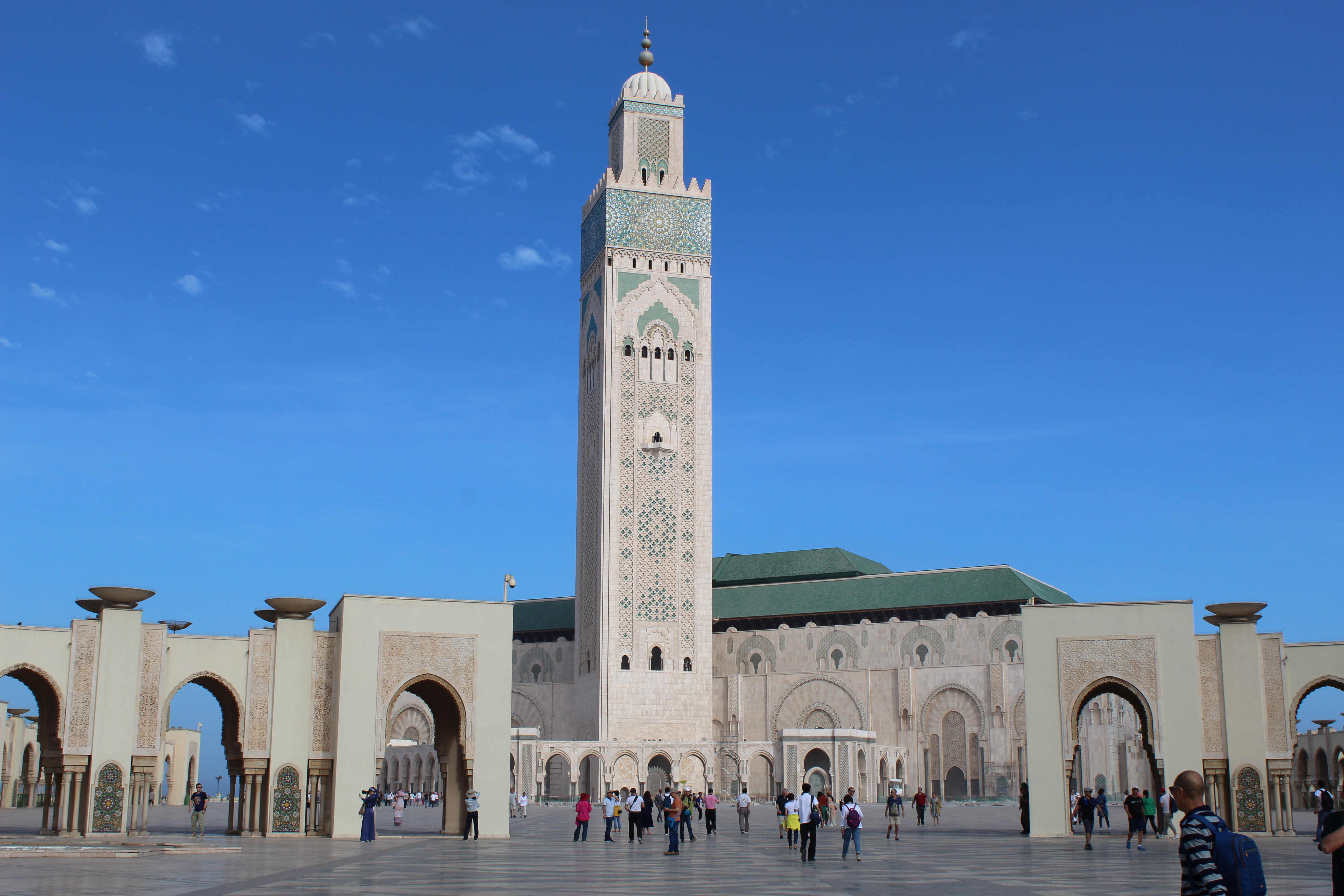
Without doubt, the best thing to do in Casablanca is to visit Hassan II Mosque.
Standing dramatically beside the Atlantic Ocean, this enormous mosque has become Casablanca's most recognisable landmark. Unlike most mosques in Morocco, its interior can be visited by non-Muslims as part of an official guided tour.
The mosque was commissioned by King Hassan II and completed in the early 1990s. Its position beside the ocean was inspired by a verse in the Quran referring to God's throne being upon the water.
The scale is extraordinary, but what impressed me most was the craftsmanship.
Our guide, Isham, was clearly very proud of the Moroccan artisanship on display. Thousands of craftsmen worked on the building, creating intricately carved cedar wood, polished stone, beautiful plasterwork and exquisite zellij mosaics.
Look upwards, and the detail continues across the enormous decorated ceiling. Look down, and you'll find beautiful marble floors.
Even the practical elements are impressive. The huge doors were designed to withstand the salty Atlantic air, while the vast prayer hall incorporates modern technology alongside traditional Moroccan craftsmanship.
Downstairs, the ablution fountains resemble enormous lotus flowers. I found it slightly disconcerting to see the Atlantic waves crashing against the rocks outside while standing in such an elaborate interior.
The building is a wonderful combination of ancient craft traditions and modern engineering.
Practicalities for Visiting Hassan II Mosque
Non-Muslims can visit the interior on an official guided tour.
Tour times and admission prices can change, particularly during Ramadan, so I recommend checking the official Hassan II Mosque website before your visit rather than relying on information in an older guide.
Dress respectfully, with shoulders and knees covered, and remember that this is an active place of worship rather than simply a tourist attraction.
Wander Through Casablanca's Old Medina
Casablanca's Old Medina is very different from the sprawling historic medinas of cities such as Fez and Marrakech.
Much of what you see today dates from the 19th century, and it doesn't have quite the same medieval atmosphere.
But that doesn't mean you should skip it.
In fact, one of the things I enjoyed most was that the Old Medina felt like somewhere local people actually used rather than somewhere primarily for tourists.
Most of the shops sold everyday goods, and there were relatively few stalls packed with tourist souvenirs.
We loved sitting outside a busy café with a glass of refreshing mint tea and simply watching people go about their day.
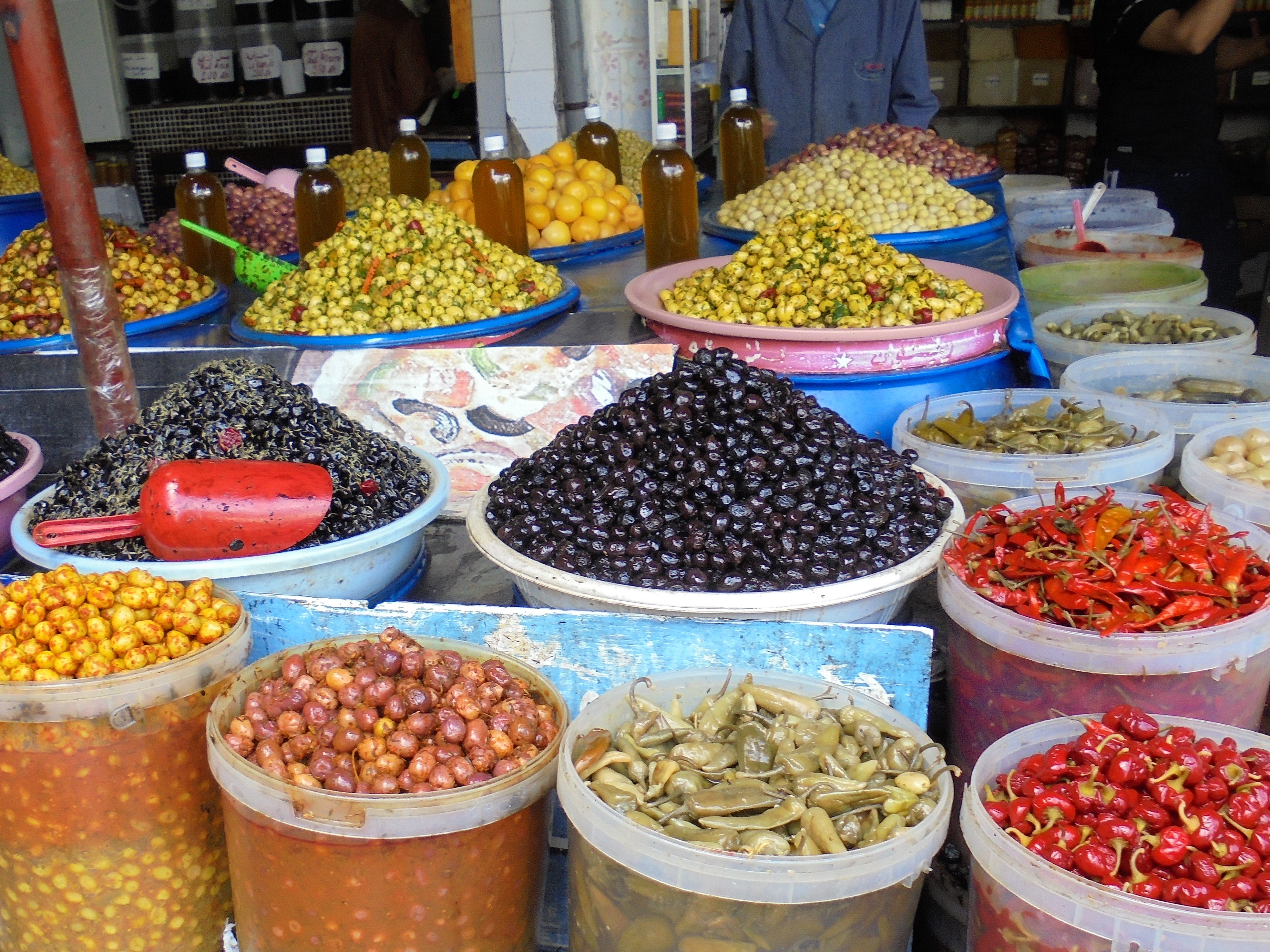
With our guide, we also visited wholesale clothing, shoe and olive markets. Merchants came from all over Morocco to buy goods which they would later resell in their own towns and villages.
We couldn't resist the olives and bought some for the bargain price of around £1.60 a kilo!
Explore the Habous Quarter
One of Casablanca's most interesting neighbourhoods is the Habous Quarter, sometimes known as the New Medina.
Unlike the Old Medina, this part of the city was largely created during the French Protectorate period. Its planners combined elements of traditional Moroccan medina design with more ordered European-style town planning.
The result is quite different from the labyrinthine medinas you may encounter elsewhere in Morocco.
Here you'll find arcaded streets, small squares and shops selling everything from leather goods and ceramics to carpets and traditional clothing.
It's an enjoyable place simply to wander, but it's also home to several other Casablanca sights, including Pâtisserie Bennis Habous and Mahkama du Pacha.
Sample the Wares at Pâtisserie Bennis Habous
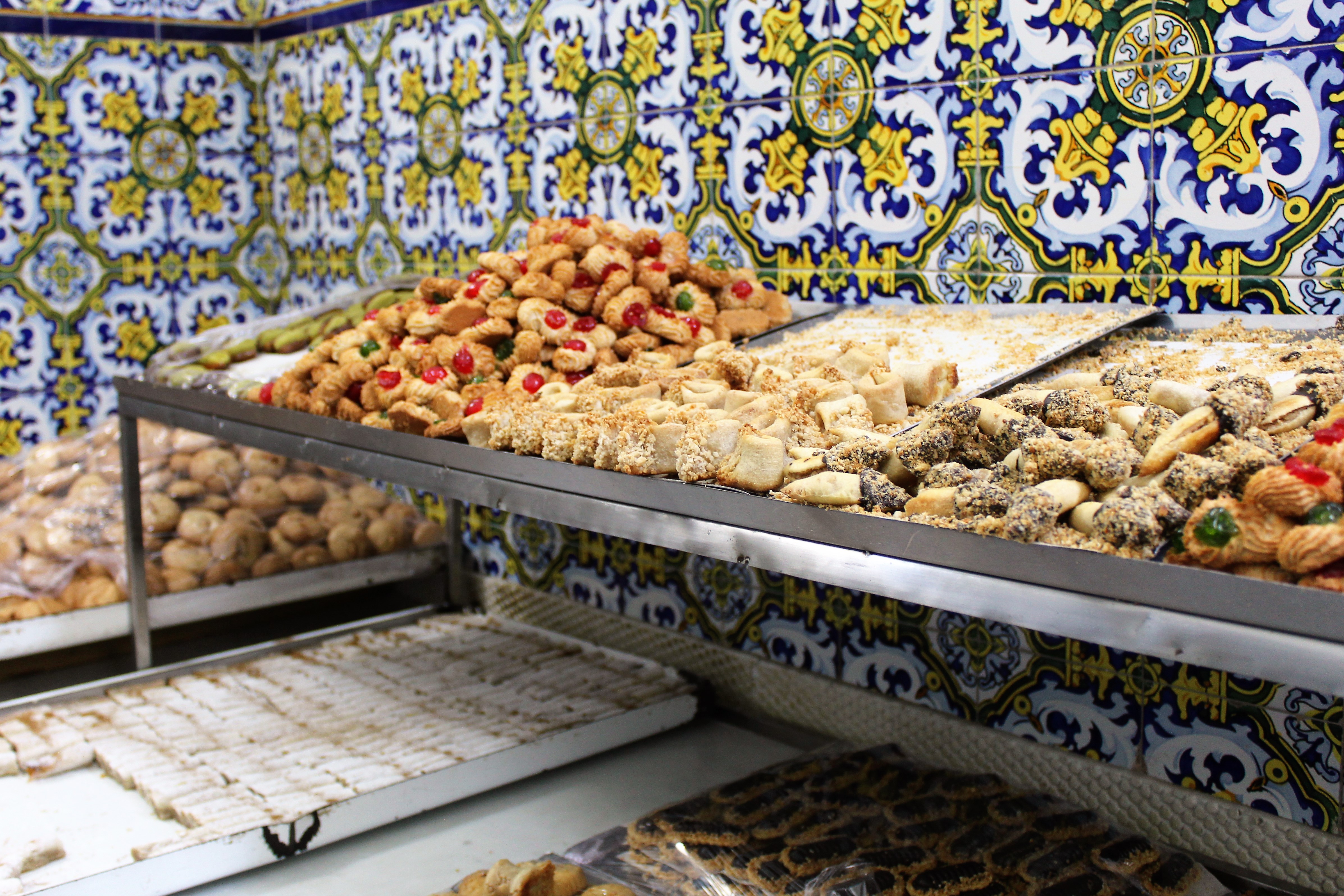
One of the tastiest things to do in Casablanca is to buy a selection of pastries from Pâtisserie Bennis Habous.
This famous bakery has long supplied hotels and restaurants in the city, but members of the public can buy directly from its pretty tile-lined shop in the Habous Quarter.
Be prepared for it to be busy. When we visited, there was quite a bit of pushing and shoving as everyone tried to place their orders!
Choose from traditional Maghribi pastries such as akda aux amandes, almond macaroons, or my favourite, cornes de gazelle, delicate crescent-shaped pastries filled with almond paste and scented with orange blossom.
Take your purchases to a nearby café, order a glass of Moroccan mint tea and enjoy one of life's simple pleasures.
Try to See Mahkama du Pacha
Also in the Habous Quarter is Mahkama du Pacha, one of Casablanca's most beautiful public buildings.
Its interiors are decorated with carved cedar ceilings, intricate stuccowork, geometric mosaics, elegant arches and marble columns.
At least, that's what I'm told!
When we visited Casablanca, the building was in official use and wasn't open to visitors. No amount of persuasion from our guide could convince the security guard to let us through the doors.
So this remains one Casablanca attraction we never managed to see for ourselves.
Access can depend on the building's official functions, so it's worth checking locally when you visit. Even if you can't get inside, it's still worth seeing while you're exploring the Habous Quarter.
And if you do manage to get in, please tell me what it's like!
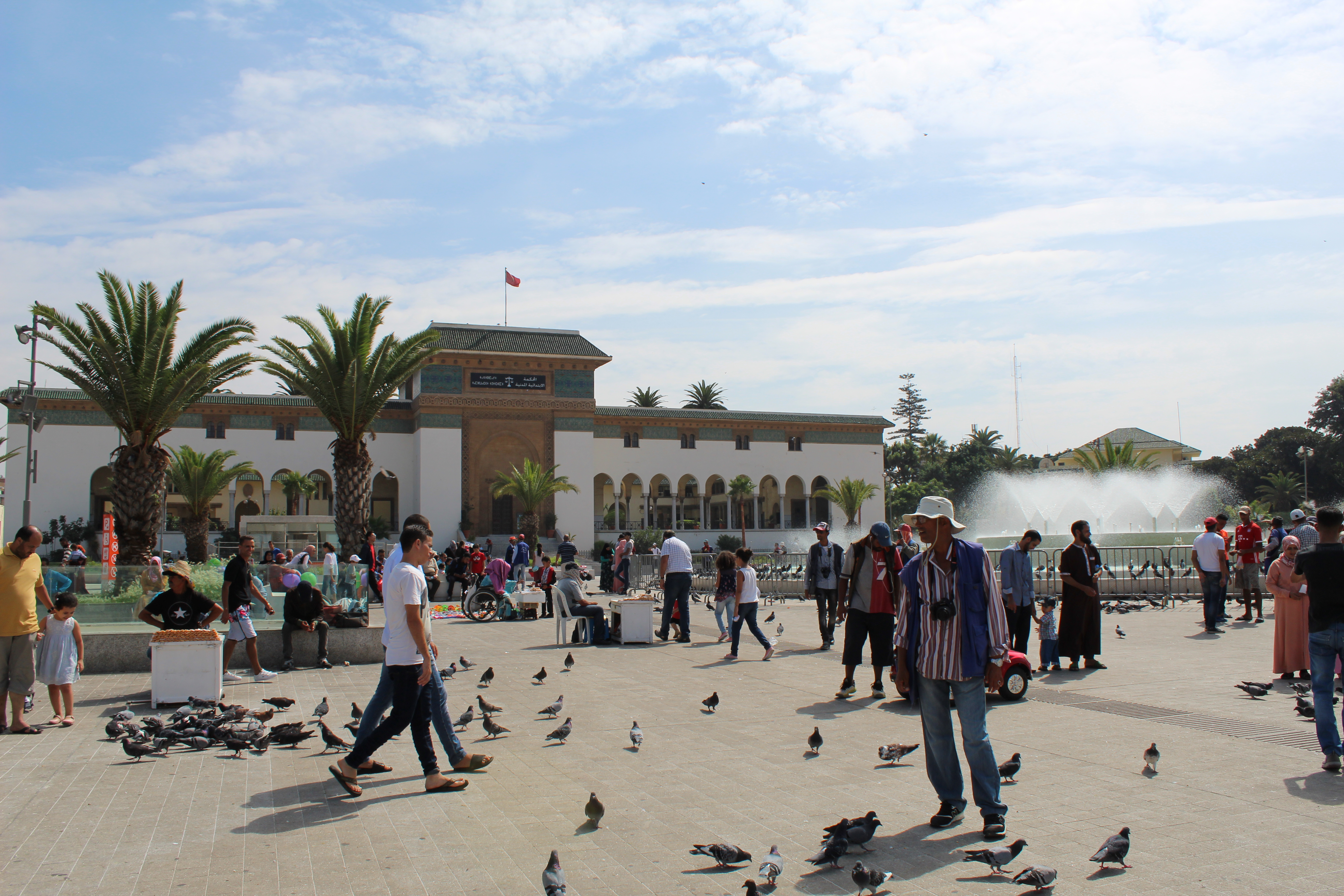
Linger in Place Mohammed V
Place Mohammed V lies at the heart of Casablanca's administrative district.
Surrounded by imposing civic buildings, it's an excellent place to appreciate the architectural style that developed in Casablanca during the French Protectorate.
When we visited, the square was a popular meeting place for office workers and local families.
It also had another, less glamorous attraction: pigeons.
Lots of them.
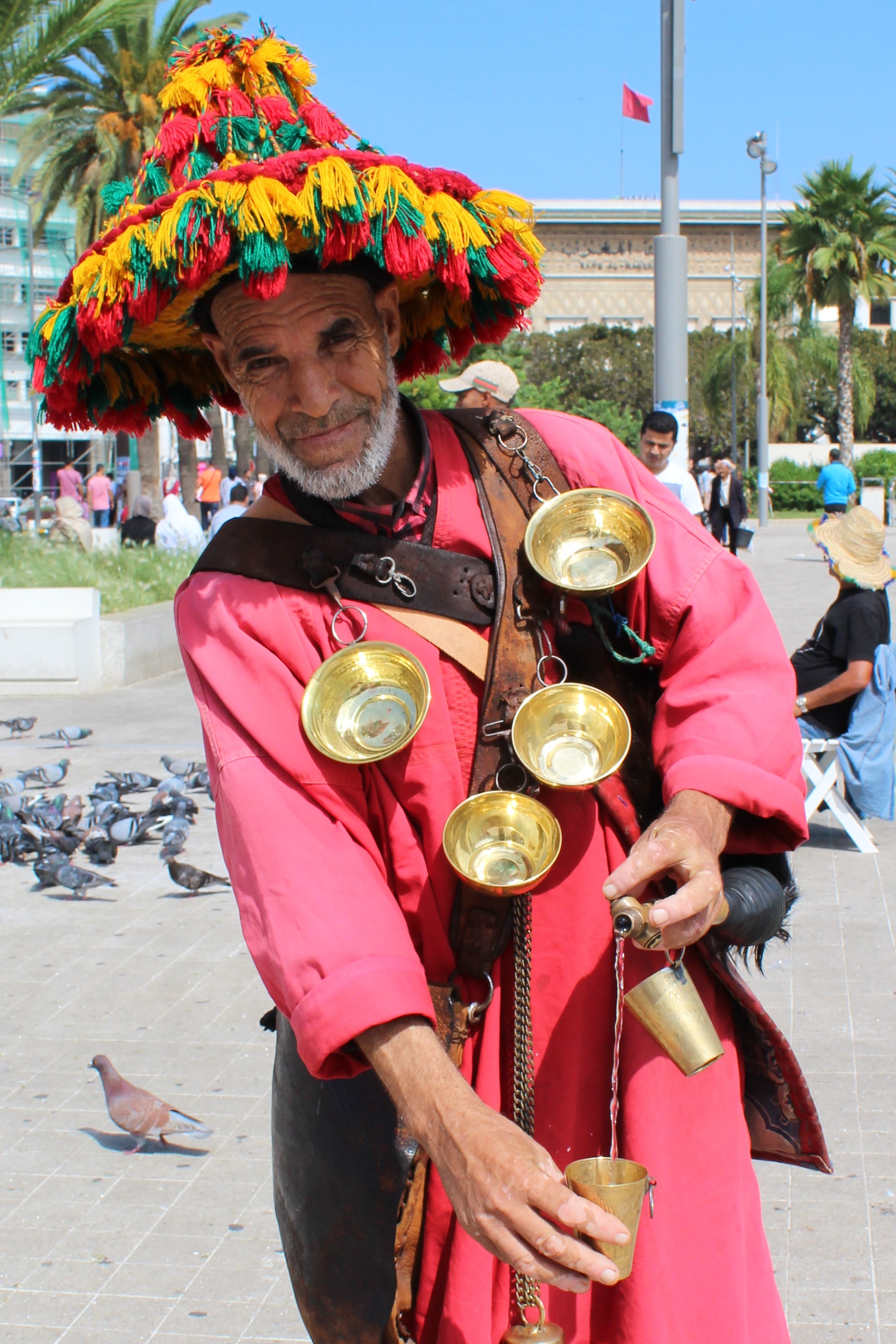
Locals even referred to it as Pigeon Square, thanks largely to children scattering bags of corn for the enormous flocks congregating there.
Traditional water sellers added splashes of colour to the scene, although, as in many tourist destinations, expect to pay if you'd like to photograph them.
Rather than rushing through, linger for a while. It's a good place for people-watching and observing everyday life in modern Casablanca.
Admire the Royal Palace
Casablanca has one of Morocco's royal palaces, although it isn't open to the public.
The royal family is based in Rabat, but the palace is used when the king is in Casablanca.
We could only glimpse the complex through the gates, so this isn't somewhere I would make a special journey to visit.
However, it fits easily into a walk around the Habous area and offers another glimpse of Casablanca's importance within modern Morocco.
Have a Drink or Dinner at Rick's Café
Even if you've never visited Morocco before, the name Casablanca probably brings one thing to mind: the classic 1942 film starring Humphrey Bogart and Ingrid Bergman.
Here's the catch.
Casablanca wasn't actually filmed in Casablanca.
The movie was made in Hollywood, so Rick's Café as seen on screen never really existed here.
That hasn't stopped someone from creating it.
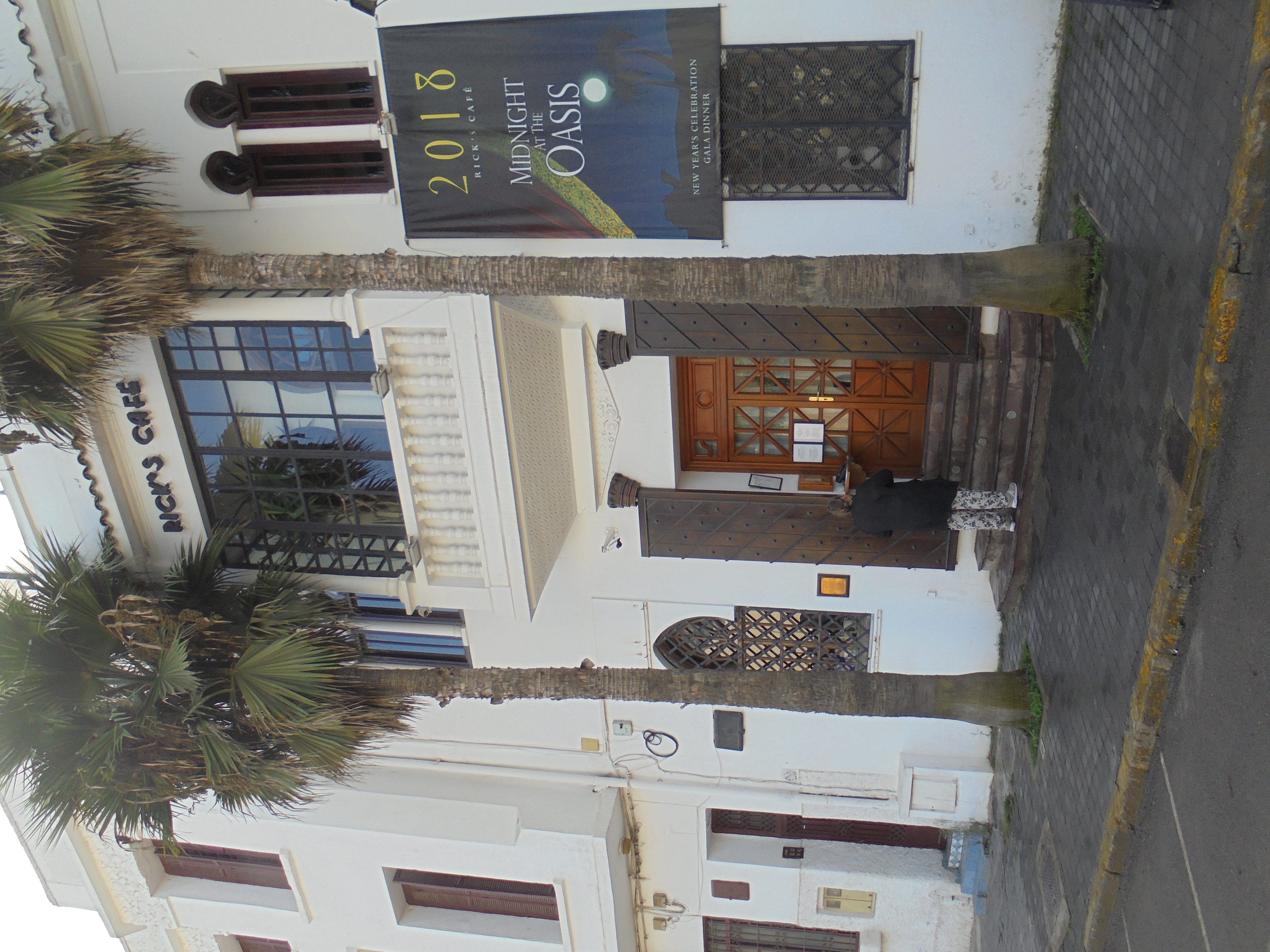
The real-life Rick's Café opened in Casablanca in 2004 and was designed to evoke the atmosphere of the fictional café from the film, complete with elegant arches, a piano and plenty of 1940s ambience.
When we visited, the circumstances were rather unusual. The former American diplomat who had created the restaurant had recently died, opening hours were erratic, and we were advised that it wasn't the best time to eat there.
Things have moved on since then, and Rick's Café is once again operating as a restaurant and music venue.
Even if you're not planning to eat there, it's fun to stop outside for a photograph.
Yes, it's a little clichéd.
But you're in Casablanca. Sometimes you just have to do it.
Discover Casablanca's Art Deco and Mauresque Architecture
One of the things that surprised me most about Casablanca was its architecture.
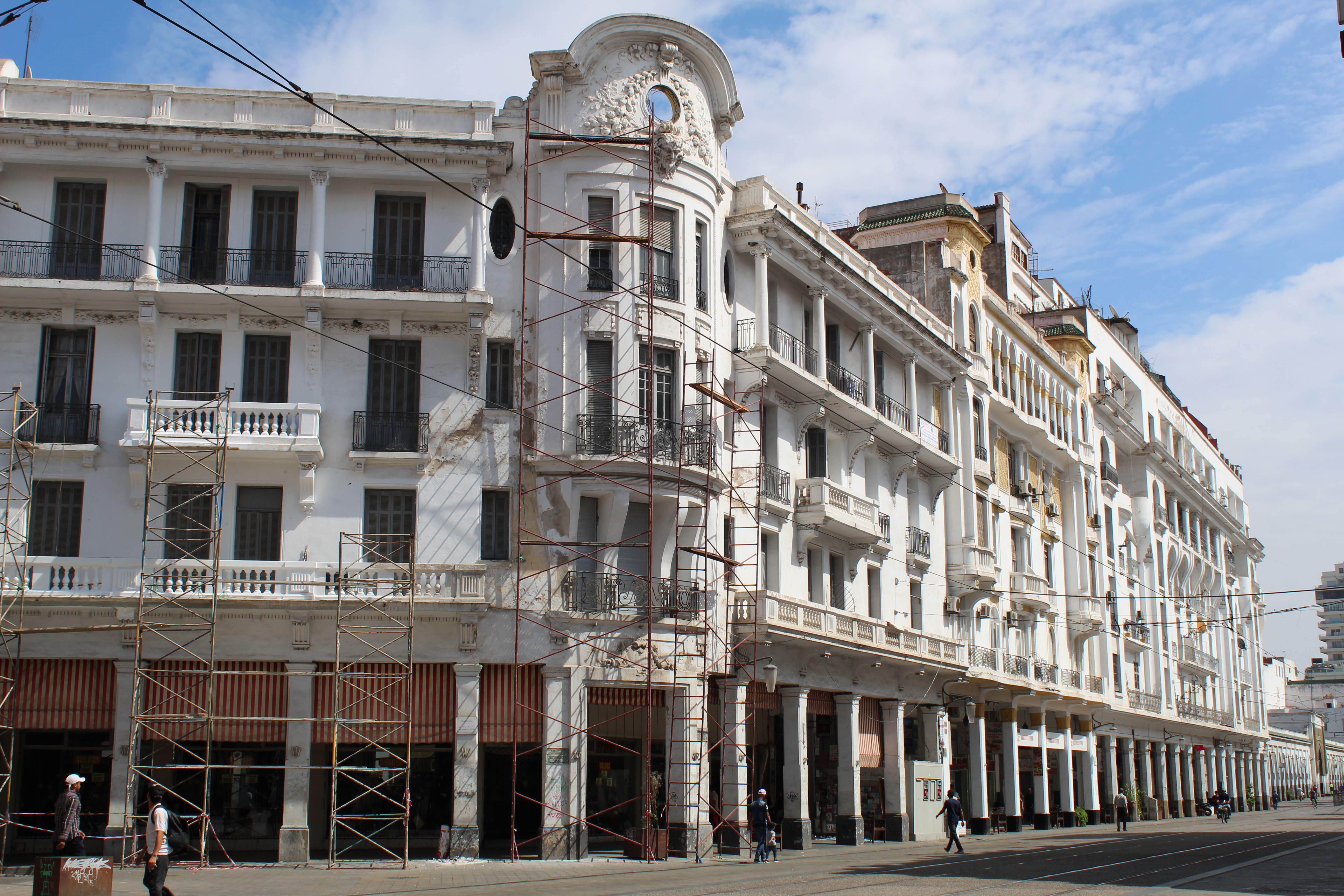
The area around Boulevard Mohammed V is particularly good for seeing buildings constructed during the early decades of the 20th century.
Here, French colonial architecture was combined with traditional Moroccan decorative elements to create a distinctive style often described as Mauresque or Neo-Moorish.
Look for sweeping curved façades, wrought-iron balconies, decorative plasterwork, zellij tiles, arches and ornate friezes.
You'll also find some wonderful examples of Art Deco.
When we visited, some of these buildings were looking rather neglected while others were undergoing restoration. But even in their faded state, it was easy to imagine how glamorous this part of Casablanca must once have looked.
If you enjoy architecture, don't rush this area. Look up. Some of the most interesting details are several storeys above street level.
Stroll Along the Corniche at Aïn Diab
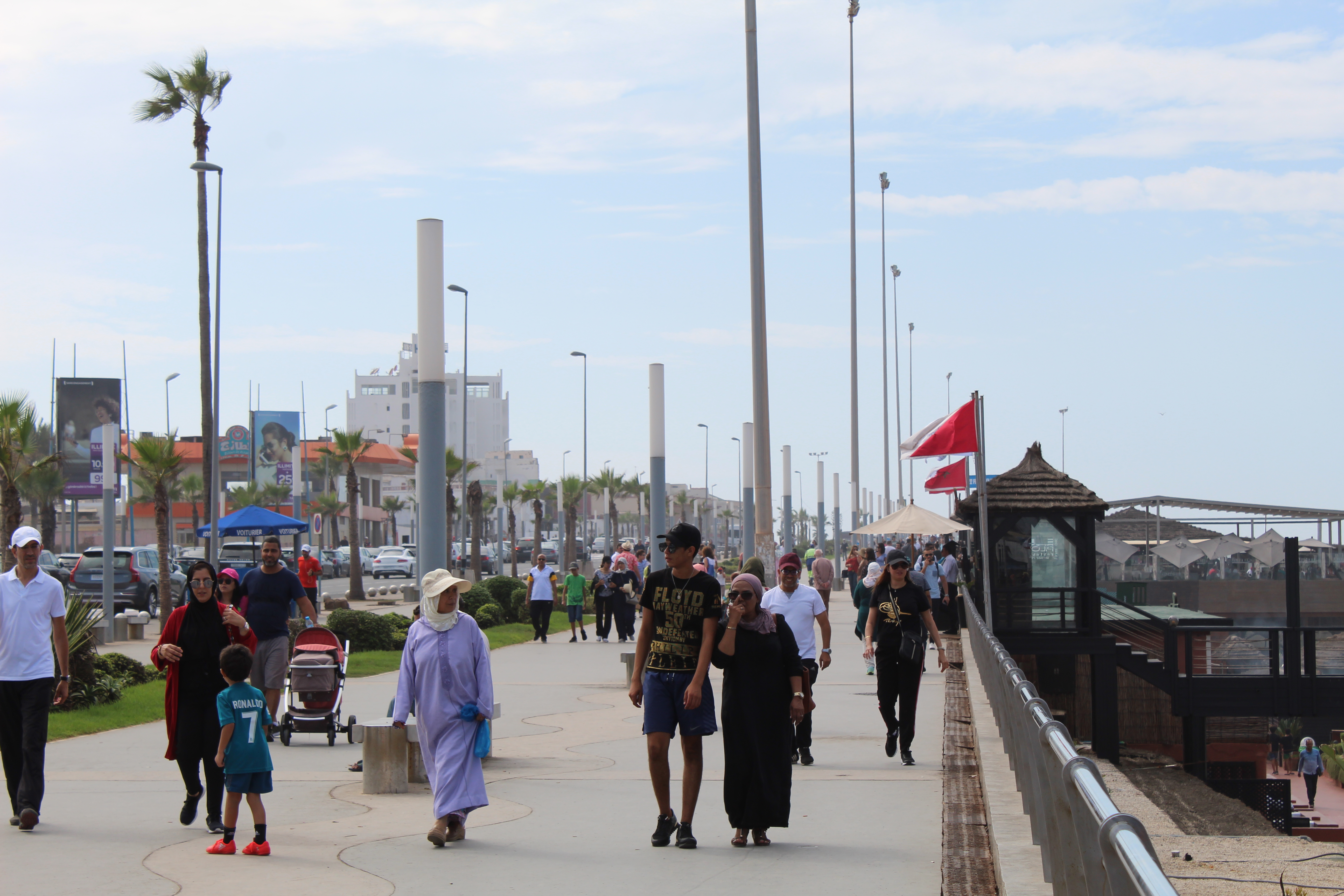
If the traffic and bustle of central Casablanca become too much, head towards the Atlantic coast and Aïn Diab.
This affluent part of the city is known for its Corniche, beaches, restaurants and private beach clubs.
We took a taxi out to have a look but, if I'm honest, we didn't linger.
The concrete beach clubs lining the shore weren't really our thing, and neither were the international fast-food restaurants we encountered when looking for somewhere to have lunch.
Nevertheless, I'm glad we went.
Aïn Diab shows you yet another side of Casablanca: modern, affluent and outward-looking. And if you enjoy beach clubs and a livelier seaside atmosphere, you may appreciate it far more than we did.
Is Casablanca Worth Visiting?
I think it is, although you need to arrive with the right expectations.
Casablanca isn't as atmospheric as Fez, as colourful as Marrakech or as immediately photogenic as Chefchaouen. It's Morocco's economic powerhouse, and everyday life and business often feel more important here than tourism.
For me, that's part of its appeal.
This is a chance to experience a different side of Morocco: grand early 20th-century architecture, busy local markets, Atlantic beaches, and neighbourhoods where people are simply getting on with their daily lives.
And then there's Hassan II Mosque, which alone makes Casablanca worth adding to your Morocco itinerary.
Getting Around Casablanca
Casablanca is much larger, and more spread out than many visitors expect, so don't assume you'll be able to walk everywhere.
Walking works well within individual neighbourhoods, particularly the Old Medina, Habous Quarter and central architectural districts.
For longer distances, taxis are useful. Casablanca also has a modern tram network connecting different parts of the city.
If you're only visiting for a short time, combining walking with taxis - or spending part of your first day with a local guide - is probably the easiest way to see the highlights without wasting too much time navigating a large unfamiliar city.
Final Thoughts on Visiting Casablanca
Casablanca may not be the Morocco that most of us picture before we arrive. It doesn't have the romantic medina of Marrakech, the ancient atmosphere of Fez or the picture-perfect streets of Chefchaouen. It's bigger, busier and much more focused on everyday life and business.
But that's precisely why I think it's worth visiting.
The magnificent Hassan II Mosque alone justifies making time for the city, but Casablanca also surprised us with its Art Deco and Mauresque architecture, bustling markets, excellent food and neighbourhoods where tourism still feels secondary to ordinary Moroccan life.
I wouldn't necessarily devote a large part of a first Morocco itinerary to Casablanca, but I certainly wouldn't fly in and immediately leave either.
Give the city a day or two, preferably with a local guide to help you look beyond the surface, and you may find, as we did, that Casablanca is far more interesting than you expected.
Watch this Video for More About Casablanca
If you’re travelling soon, please use these links!
Are you travelling soon? Use these links when making your bookings. These are the companies we use. It won’t cost you any extra, but we will earn a few pennies to help keep Happy Days Travel Blog going. Thank you!!
Make sure you take out travel insurance. If you are a digital nomad or long-term traveller, try the specialist provider SafetyWing. (Never leave home without protecting yourself, your trip and your belongings!)
Book your flight with Skyscanner
Book your accommodation with Booking.com
Book a tour with TourRadar
Book city tours and activities with Viator or GetYourGuide
Check out my Resource Page for more companies I recommend.
Disclosure: This post contains affiliate links. If you click through for more information, or to make a purchase, it may result in a small commission coming my way. Please note that there is no extra cost to you associated with this. Thank you so much for supporting my site.
