Best Things to Do in Marrakech, Morocco: A Complete Travel Guide
Marrakech is Morocco's most famous city and, for many travellers, their first introduction to North Africa. It's noisy, colourful, chaotic and unforgettable. From the storytellers and food stalls of Djemaa el-Fna to the maze-like souks, beautiful palaces and peaceful gardens, Marrakech offers an incredible mix of history, culture and modern Moroccan life.
Marrakech had long been on our bucket list. When we finally made it to this chaotic, colourful, crazy city, it didn’t disappoint! We loved every second we spent here.
We spent several days here as part of our Intrepid tour around Morocco. In this guide, I'll share our experience, the attractions I think are genuinely worth your time, practical tips for visiting and the best things to do in Marrakech.
To jump to a particular section of this article, please use these links:
How Long Do You Need in Marrakech?
The Best Things to Do in Marrakech
Spend an Hour in the Maison de la Photographie
Final Thoughts on Visiting Marrakech
The History of Marrakech
The city of Marrakech was founded almost a thousand years ago by the Berber Sanhaja tribe. They established the successful Almoravid dynasty and took control of vast areas of land. Marrakech became the operational centre of an empire that stretched as far as Barcelona in northern Spain. It was short-lived, however. In 1147, Almohad warriors stormed the city and destroyed it. They, in turn, only held control until 1269, when the Merenids took over.
The Merenids made Meknès and then Fez their capitals, so Marrakech was abandoned. It remained this way for the next two hundred years until the Saadians established their dynasty in the city. Marrakech then thrived as a major trading centre and became rich on the profits of the sugar business.
The Saadian dynasty collapsed in the seventeenth century when the Alawites took over. They switched their capital back to Meknès and left Marrakech to the whims of tribal leaders who fought for control of the city. Until the French took over in 1912, Marrakech was a city of the ‘haves’ and the ‘have-nots’. The rich built themselves elaborate riads while the poor had barely enough to eat. Under French control, the city became a bourgeois town with cafés, galleries and boutiques.
Following independence in 1956, there was no clear role for Marrakech in the new Morocco, but hippies and rock stars (the Rolling Stones, the Beatles and Led Zeppelin), attracted by the colourful medinas and laid-back vibe, came in increasing numbers, establishing the city as a popular tourist destination.
Marrakech Today
Today, Marrakech is an eclectic mix of the ancient and the modern. Traditional crafts are found alongside contemporary arts. Fashionable boutiques have popped up amongst the old bazaar stalls of the souq. Some locals wear national dress whilst others, in their designer gear, wouldn’t look out of place on the Champs-Élysées.
Low-cost airlines now bring tourists to the city every day. Old riads in the medina have been modernised and converted into luxury bed and breakfast accommodation.
There are problems. Rapid growth has led to poor air quality and traffic congestion in the city. It can be a struggle just to walk the streets due to the number of people. Don’t be put off, though! Marrakech should be on everyone’s list of ‘must-see’ places!!
How Long Do You Need in Marrakech?
Marrakech is one of those cities where you could easily spend several days and still discover something new around every corner. From exploring the maze-like souks and historic palaces to relaxing in peaceful gardens and sampling delicious Moroccan cuisine, there is far more to the city than first meets the eye.
If you're following a busy Morocco itinerary, you can experience many of Marrakech's highlights in a full day. You'll have time to wander through Djemaa el-Fna, lose yourself in the souks and visit one or two of the city's famous attractions.
However, I'd recommend spending at least two nights in Marrakech. This gives you enough time to see the main sights without rushing, enjoy the incredible atmosphere of Djemaa el-Fna both during the day and after dark, and perhaps take a cooking class or guided food tour.
If you have three nights or more, you'll be able to slow the pace even further. Spend time relaxing in the Jardin Majorelle, browse the souks without feeling pressured, enjoy long lunches in hidden riads, and perhaps take a day trip into the Atlas Mountains or to the coastal town of Essaouira.
My Recommendation
One day: Enough to see the city's main highlights if you're short on time.
Two nights: My recommendation. You'll have time to explore the medina, visit the major attractions, experience Djemaa el-Fna by day and night, and enjoy a cooking class or food tour.
Three nights or more: Ideal if you want to include museums, gardens, rooftop cafés, shopping or a day trip beyond the city.
Where to Stay in Marrakech
Choosing where to stay in Marrakech can make a big difference to your experience of the city. Whether you prefer the excitement of the historic medina or the quieter streets of the modern district, there's something to suit every style of traveller.
Stay in the Medina
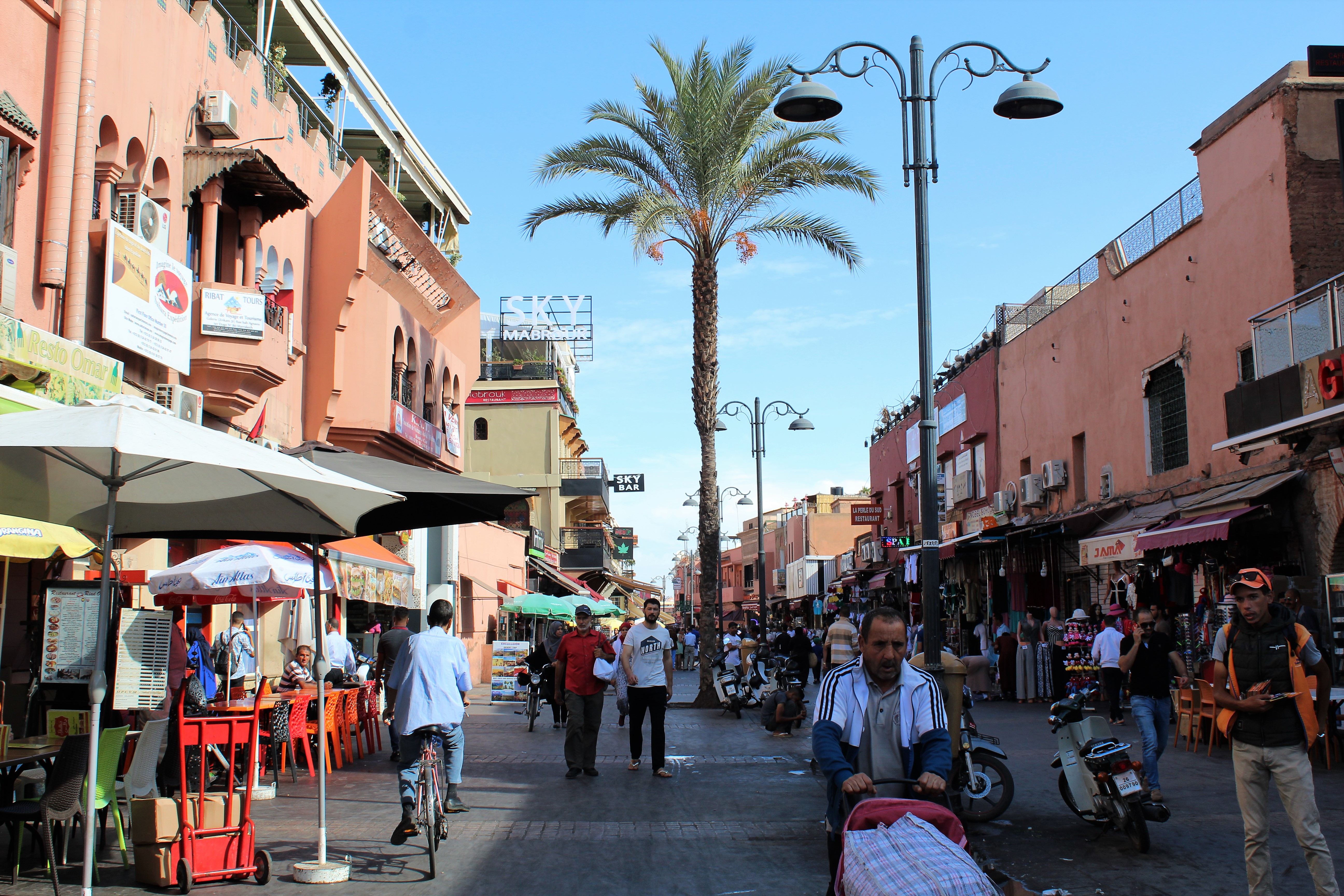
For first-time visitors, I'd recommend staying in the medina. Most of Marrakech's famous attractions, including Djemaa el-Fna, Bahia Palace and the bustling souks, are within walking distance, allowing you to experience the city from dawn until late into the evening.
Many traditional riads have been beautifully restored and converted into guesthouses. From the outside, they often look quite plain, but behind their heavy wooden doors you'll find peaceful courtyards, colourful tiles, fountains and rooftop terraces that feel like an oasis after the bustle of the streets.
Stay in the Ville Nouvelle
If you prefer wider streets, modern hotels and a quieter atmosphere, consider staying in the Ville Nouvelle (New Town). This area offers larger hotels, restaurants, cafés and shops, while still being only a short taxi ride from the medina. It's also the most convenient base if you're planning to visit the Jardin Majorelle.
My Recommendation
Whenever I return to Marrakech, I'd happily stay in a traditional riad inside the medina. Waking to the call to prayer, wandering through the souks before the crowds arrive and returning each evening after the excitement of Djemaa el-Fna is all part of the Marrakech experience. Although the medina can feel busy and chaotic during the day, stepping through the doors of a quiet riad at the end of the evening feels like entering another world.
The Best Things to Do in Marrakech
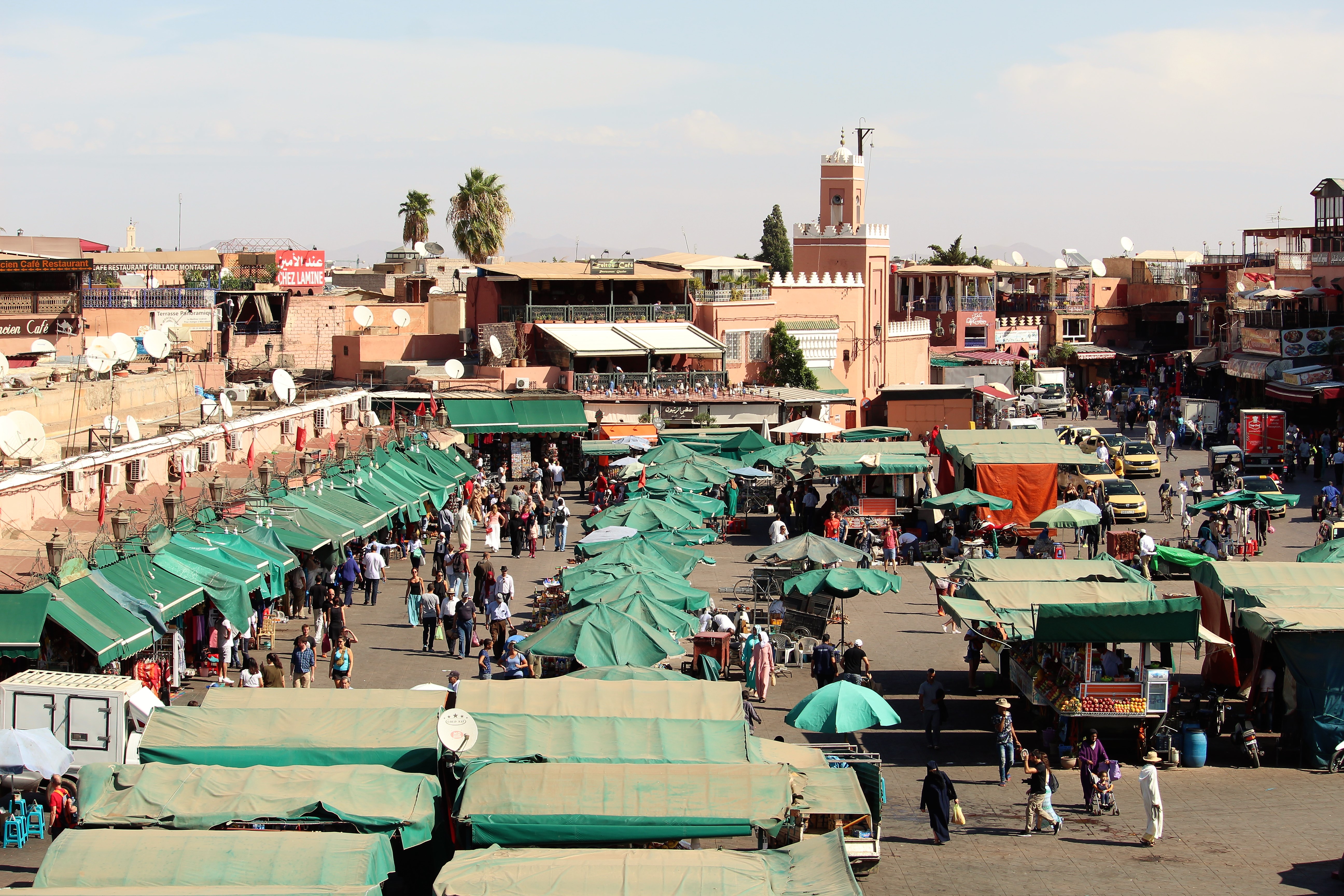
Wander Around Djemaa el-Fna
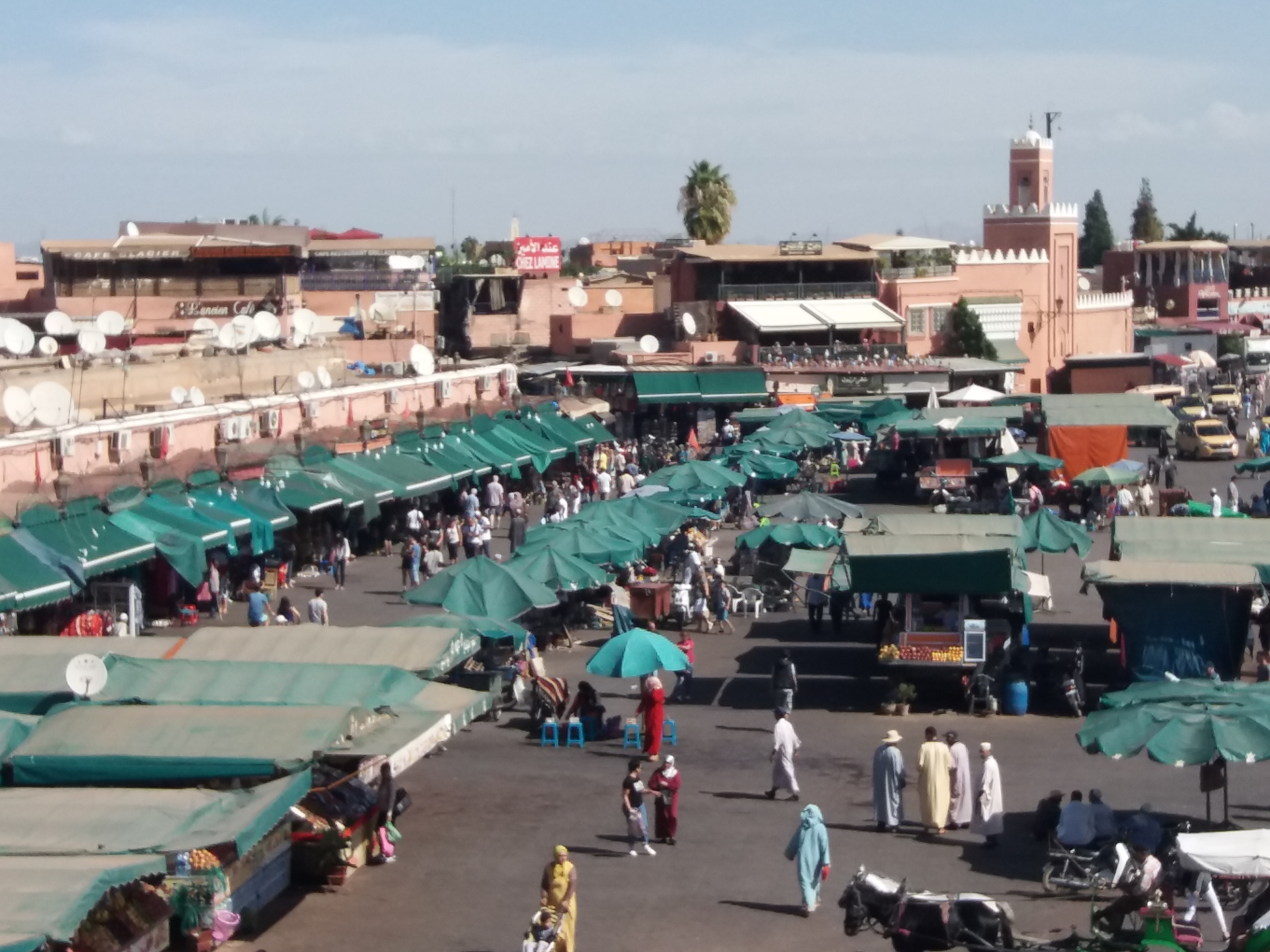
When you think of Marrakech, you invariably picture the city’s huge main square, Djemaa el-Fna. The name means ‘assembly of the dead’, due to it being the site of public executions back in the day.
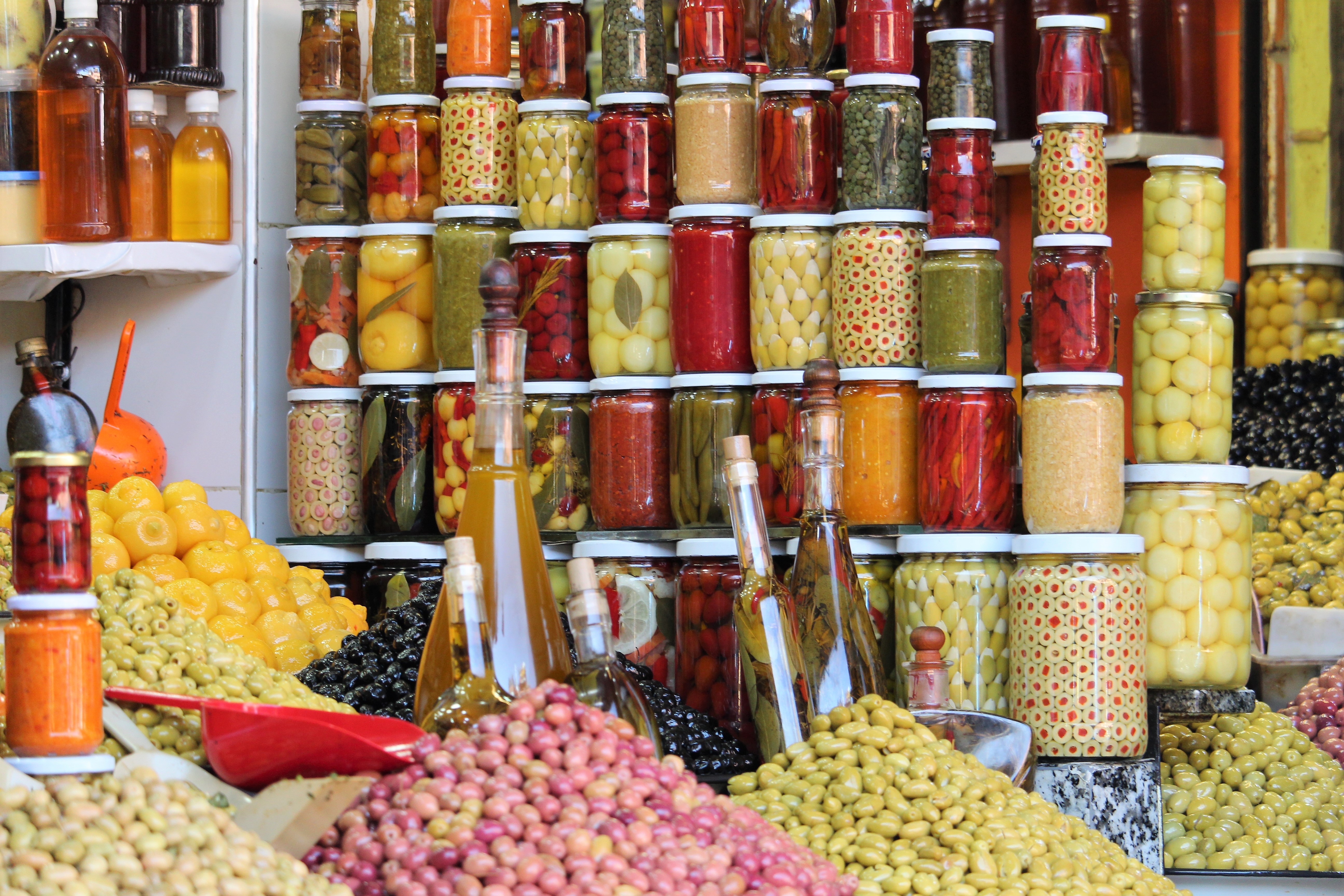
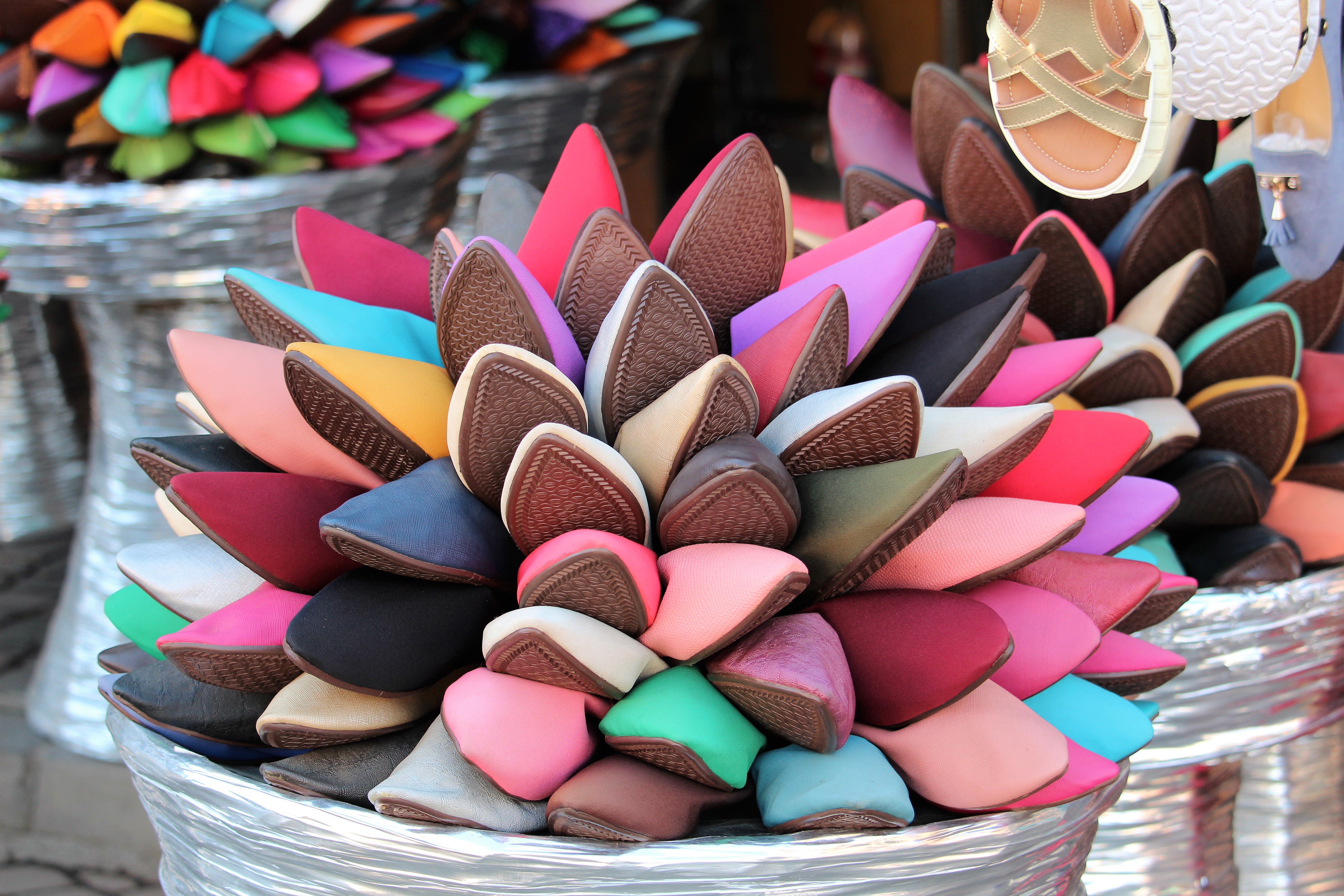
Over-cautious hotel staff and well-meaning guides will probably tell you to avoid the place. They will say that it’s a hotbed of street crime and dodgy dealings. You will be left thinking that you wouldn’t be able to escape from the place without being robbed blind. This is simply not true!! Yes, there are pickpockets. Yes, there are con artists trying to fleece you of a few dirhams. But isn’t this the case in all major cities? Just keep your wits about you. Take the same precautions with your valuables as you would anywhere (wear a money belt or a cross-body bag and leave most of your cash, cards and passports in the hotel safe if possible) and dive right in!! Soak up the atmosphere. Taste the plump olives. Watch the acrobats. Smell the lamb cooking in clay pots. Listen to snake charmers’ flutes. Feel the soft leather slippers.
It’s important that you experience Djemaa el-Fna during the day when the square is alive with street theatre, and horse-drawn carriages carry people around the perimeter, as well as at night when the area turns into a giant outdoor restaurant.
In 2001, UNESCO declared Djemaa el-Fna a ‘Masterpiece of World Heritage’ for bringing urban legends and oral history to life every day. The traditional storytellers who have always performed here are now fewer in number, many of them replaced by musicians and slapstick comedy acts, but the nightly carnival continues to be an unmissable attraction.
One warning we were given, which I did take seriously, was to avoid the ladies who do henna tattoos. Some tourists have been left with burned skin from the chemicals they use.
I have to say, too, that some of the sideshows may offend our sensibilities. For example, monkeys are still kept in cages, only being taken out to be led around on chains for so-called entertainment. There is little point in protesting publicly about this practice. You are likely to antagonise local people and risk retribution. I feel that the best course of action is to simply ignore them. Don’t take photos. Don’t make eye contact with the handlers. Give them a wide berth. The fewer tourists who engage with them, the more likely it is that the activity will eventually die out completely.
Having said all this, do visit Djemaa el-Fna, embrace the craziness, and, most importantly, have fun! Despite its challenges, I think it remains one of Morocco's essential experiences.
Explore the Souks
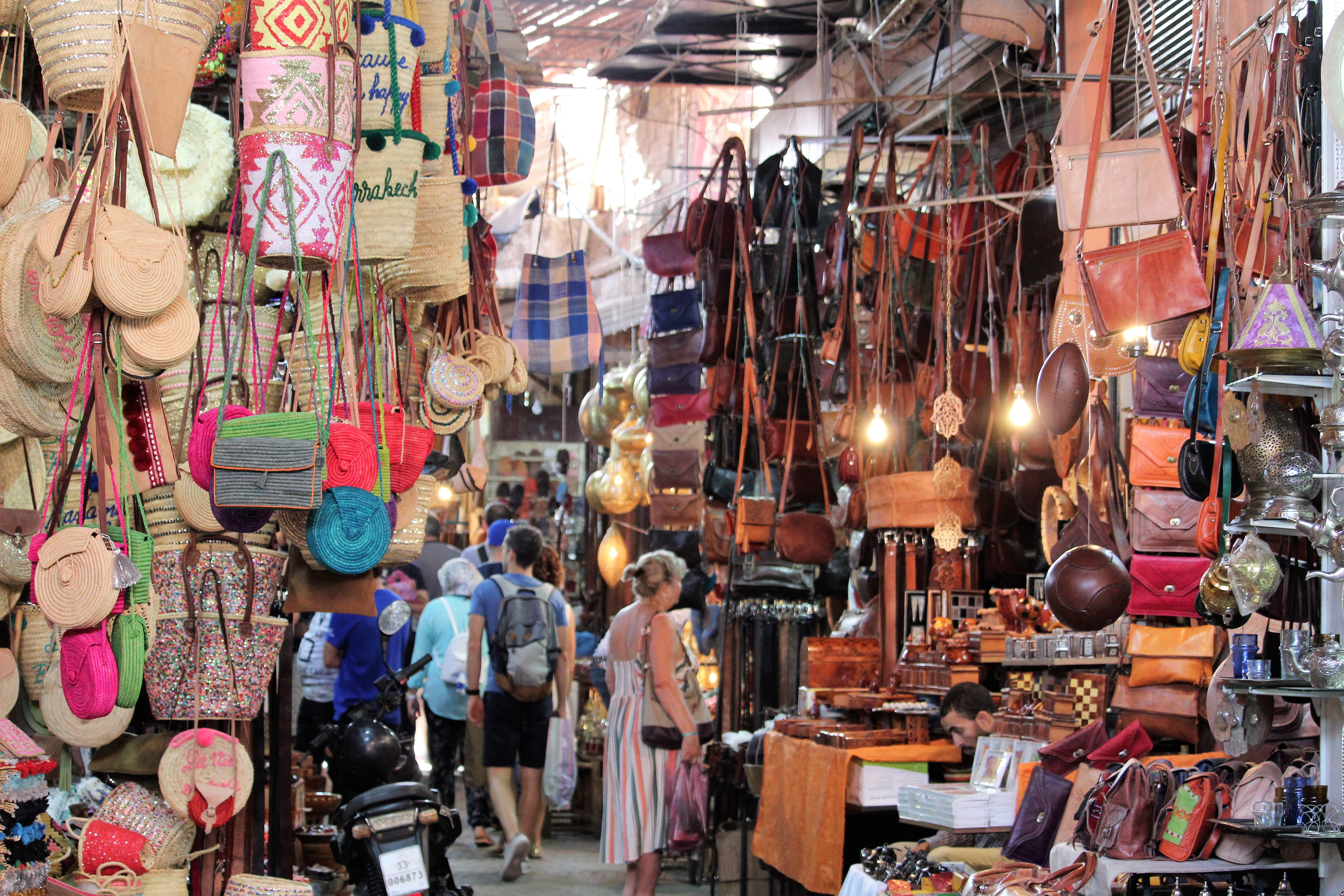
Just off the Djemaa el-Fna, you will find the lanes and alleyways leading to Marrakech’s souks. These old markets are generally open from 9am to 7pm, with many stalls closed on Friday afternoons.
Here, you can buy everything from imported Chinese fake designer watches to authentic hand-woven rugs.
The dyers’ souq is one of the most colourful sights in Marrakech with skeins of brightly-tinted wool hanging up to dry and pots of vibrant powder pigments in front of the stalls.
If you are not travelling to Fez while you’re in Morocco and won’t get the chance to see the ancient tanneries there, then make sure you visit Bab Debbagh Tanneries in Marrakech, located just to the west of the central souqs. It’s best to go in the morning when you’re more likely to see the tanners at work using natural dyes to colour the hides. For a tip, you will be able to access a viewing platform to see the dye pits from above. Be aware that these viewing areas are always above a leather shop, so be prepared to weather some persistent sales pitches! Remember, you are allowed to say no!
Visit Bahia Palace
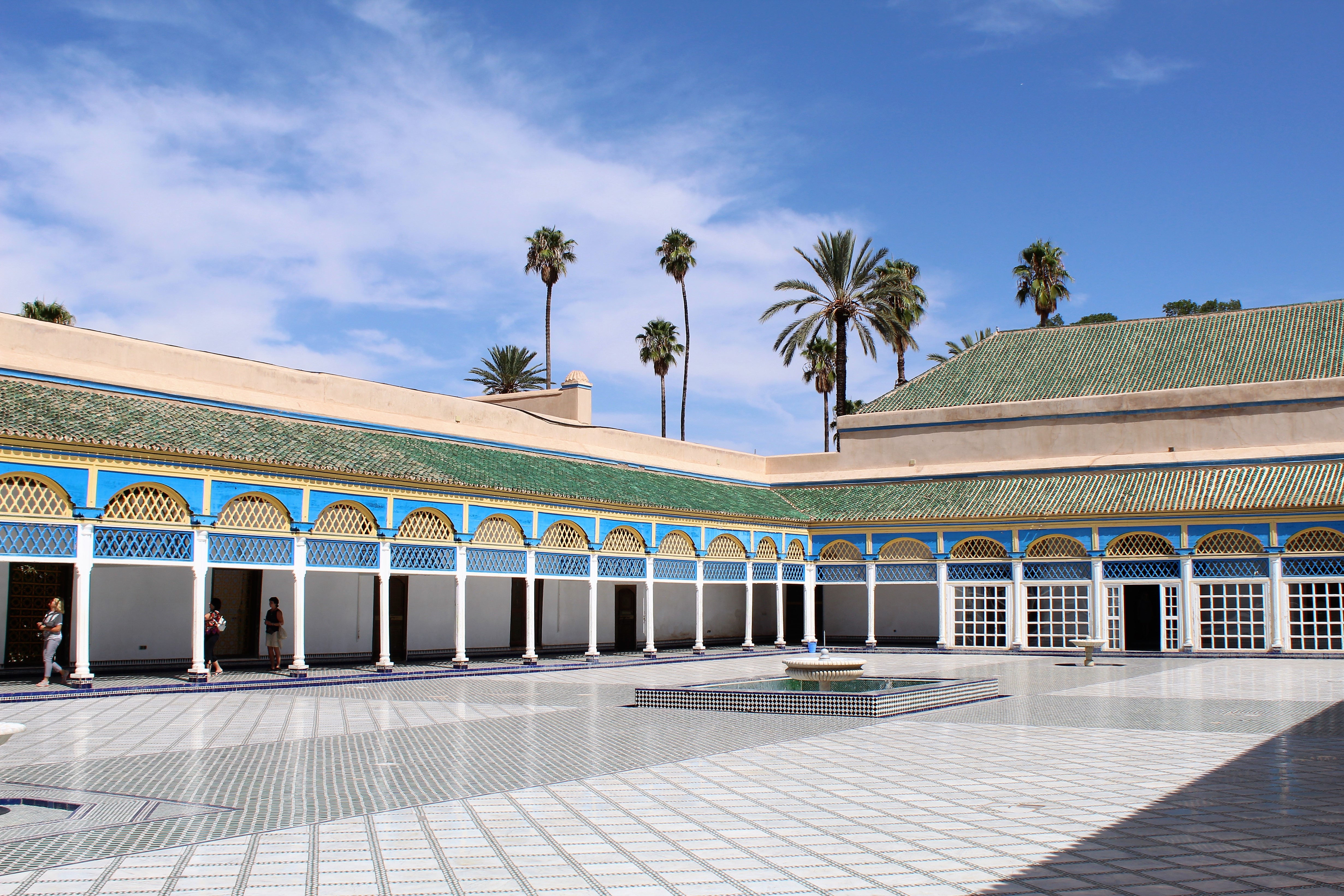
Bahia Palace and its lavish gardens were built in the late 19th century by Grand Vizier Si Moussa and named after Bahia, one of his wives. It was intended to be the greatest palace of its time and was designed to capture the essence of the Islamic and Moroccan style.
Si Moussa used Morocco’s best craftsmen, many of them from Fez, and took fourteen years to create his masterpiece.
Today, only a small section of the palace’s eight hectares of gardens and a few of its 150 rooms are open to the public, but visitors still get a real sense of the glamour of the place. The grand courtyard with its sparkling white marble floor is astonishing, as are the intricately carved window shutters and elaborate doors.
Try to visit early in the morning to avoid the biggest tour groups.
Spend an Hour in the Maison de la Photographie
This museum houses 4500 photos taken in Marrakech between 1870 and 1950. The images are arranged over three floors and are organised by region and theme. They give a fascinating insight into the city’s past.
Be sure to have a mint tea on the rooftop terrace before you leave.
Go to the Saadian Tombs
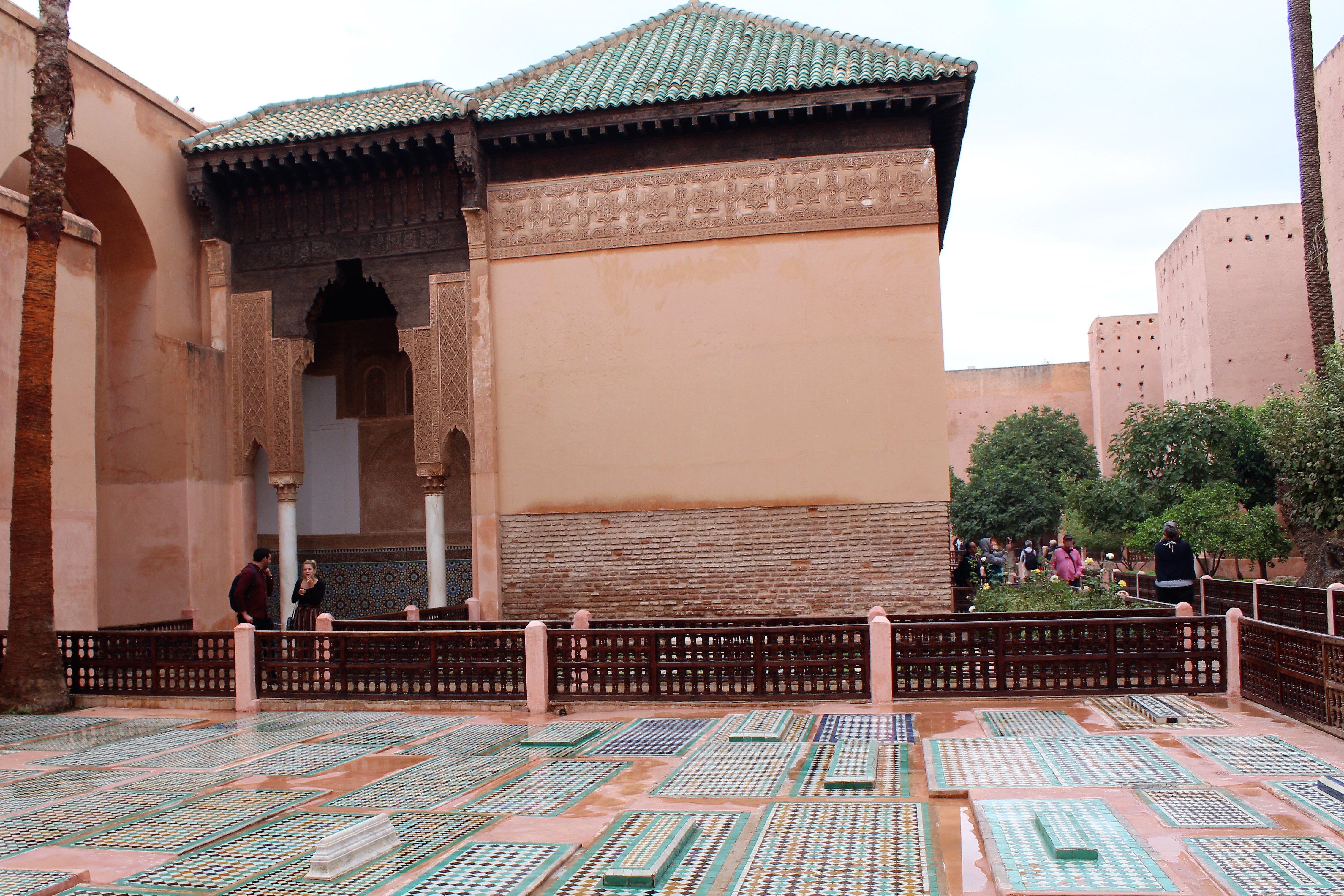
The lavish mausoleum built by Saadian Sultan Ahmed al-Mansour in the late 1500s is definitely worth a visit. It was built using the finest Italian marble. In the Chamber of the 12 Pillars, the highly decorative plasterwork was gilded with pure gold.
As well as the Sultan’s own elaborate tomb, the site also houses the graves of his wives and sons and, in garden plots decorated with coloured tiles, 170 of his chancellors and their wives.
Al-Mansour died in 1603. A few years later, Alawite Sultan Moulay Ismail walled up the Saadian Tombs so as not to be reminded of his predecessor. They weren’t rediscovered until 1917 when they showed up on an aerial photograph.
Relax in the Jardin Majorelle
The Marjorelle Gardens are located in the Ville Nouvelle area of Marrakech. They provide the perfect place to escape from the hustle and bustle of the city. Be aware, though, they are firmly on the tourist route, so don’t expect to have them to yourself! Advance booking is highly recommended because timed-entry tickets often sell out.
The electric-blue villa and the gardens that surround it were designed by landscape painter Jacques Majorelle. After his death, French fashion designer Yves Saint Laurent bought the property and gifted it to his adopted city, Marrakech, on the condition that it was opened to the public.
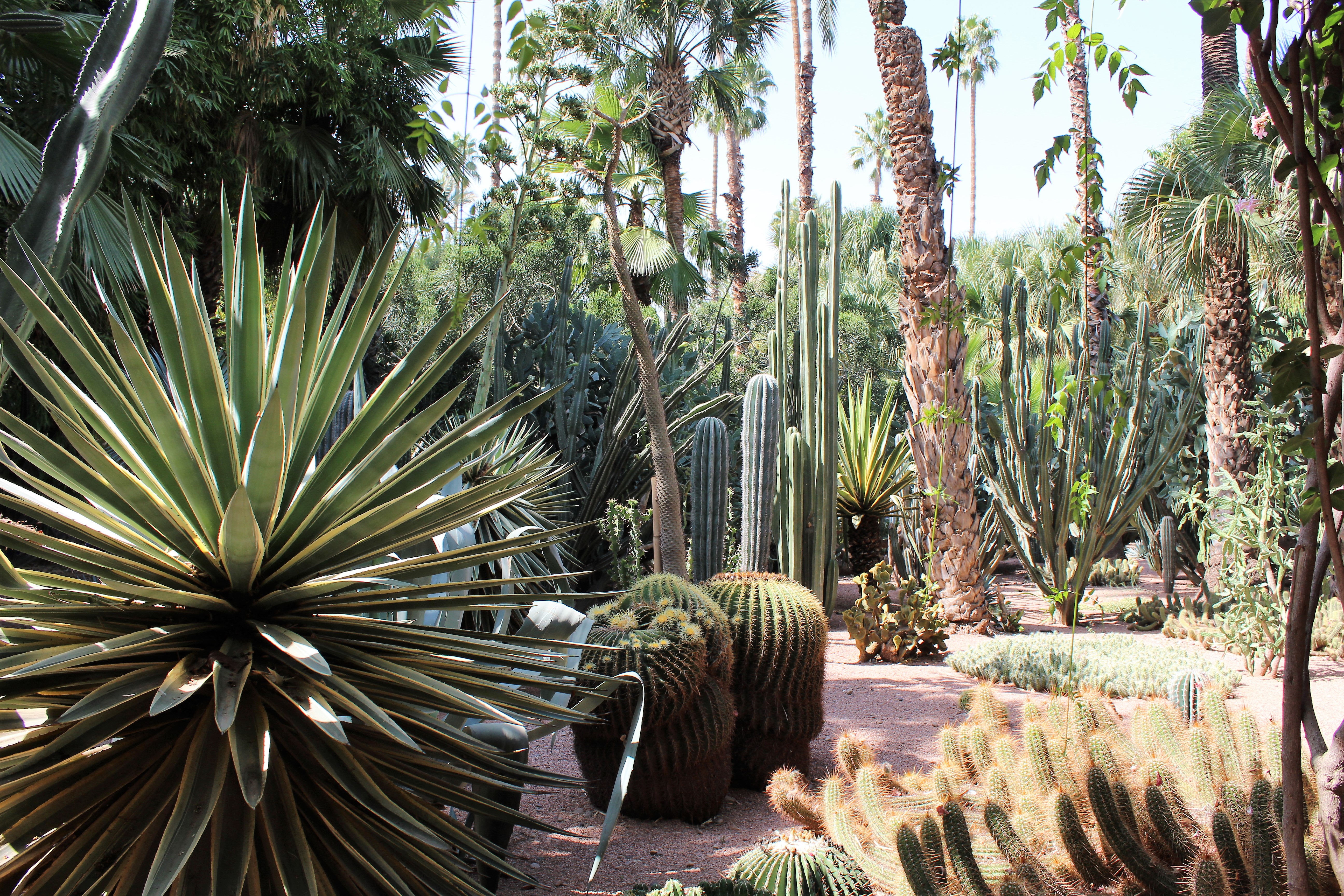
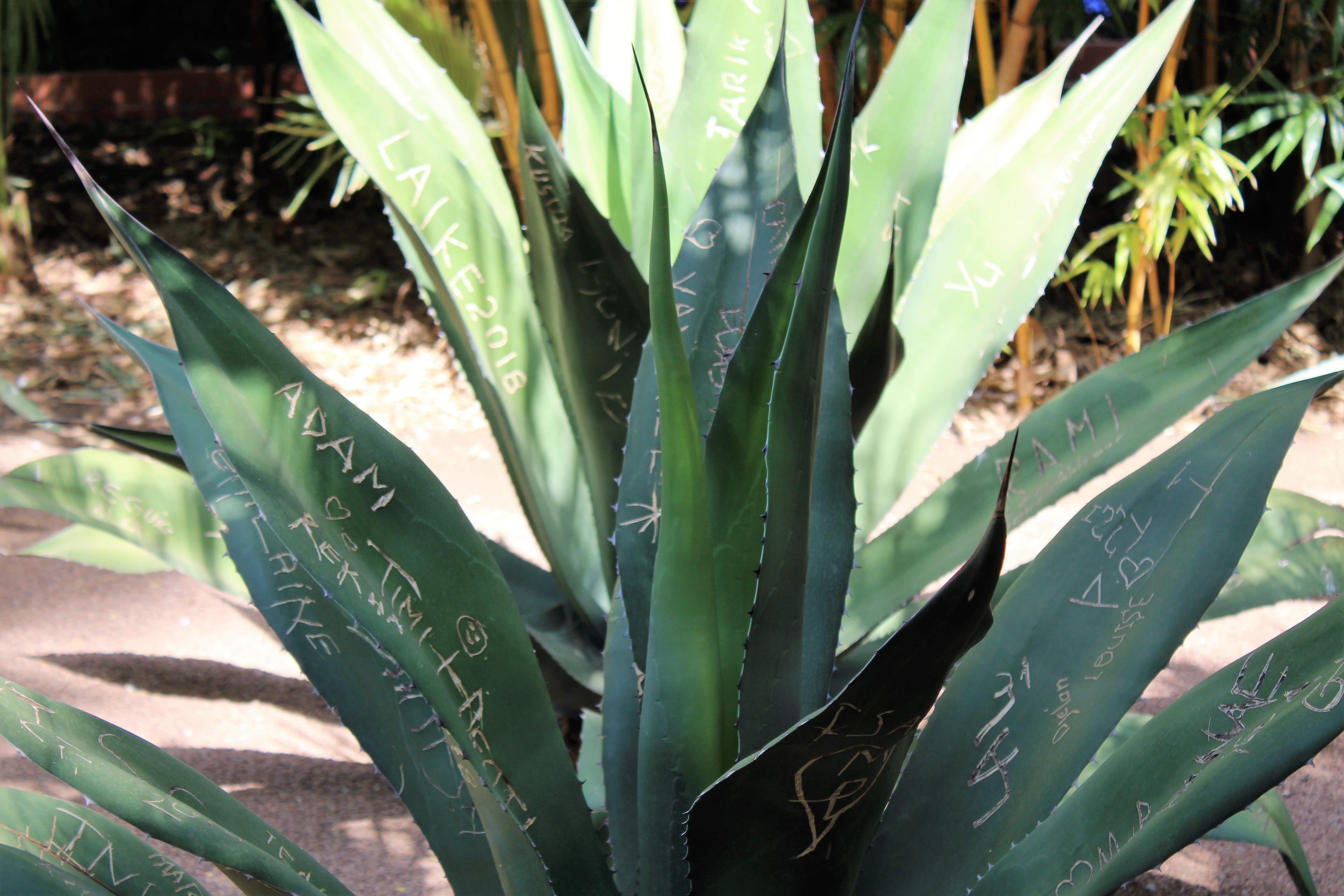
Now, it is a tranquil spot in a frenetic city. The plants found here originate from all over the world. There is an impressive collection of cacti which, bizarrely, visitors have defaced with graffiti. I will never understand why someone would think it was appropriate to leave their mark of ‘Benny woz ere’ on a succulent!!
The café at the Jardin Majorelle is expensive, but I would still recommend a visit, not least for the delicious date ice cream and homemade lemonade.
Take a Cooking Class
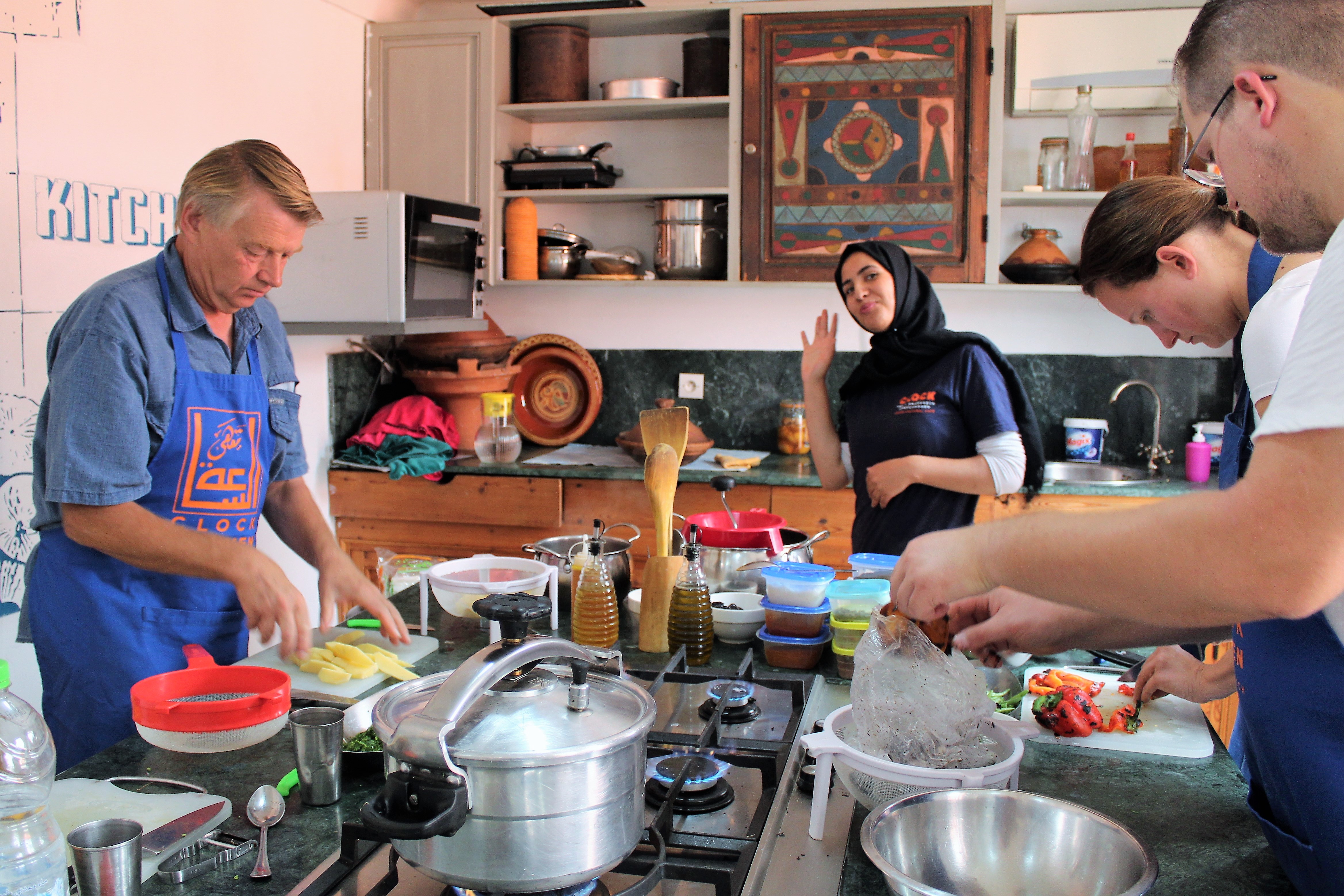
One of the best things to do in Marrakech is to take a cooking class. Moroccan cuisine is based on fresh ingredients and is delicious. What better then than to learn how to make a tasty tagine or a spicy harira soup?
We did an amazing class with Café Clock. You can read all about it here.
Go on a Walking Tour
As I’ve said many times, whenever we visit a new city, Mark and I like to do a walking tour with a local guide. It helps us to really understand a place.
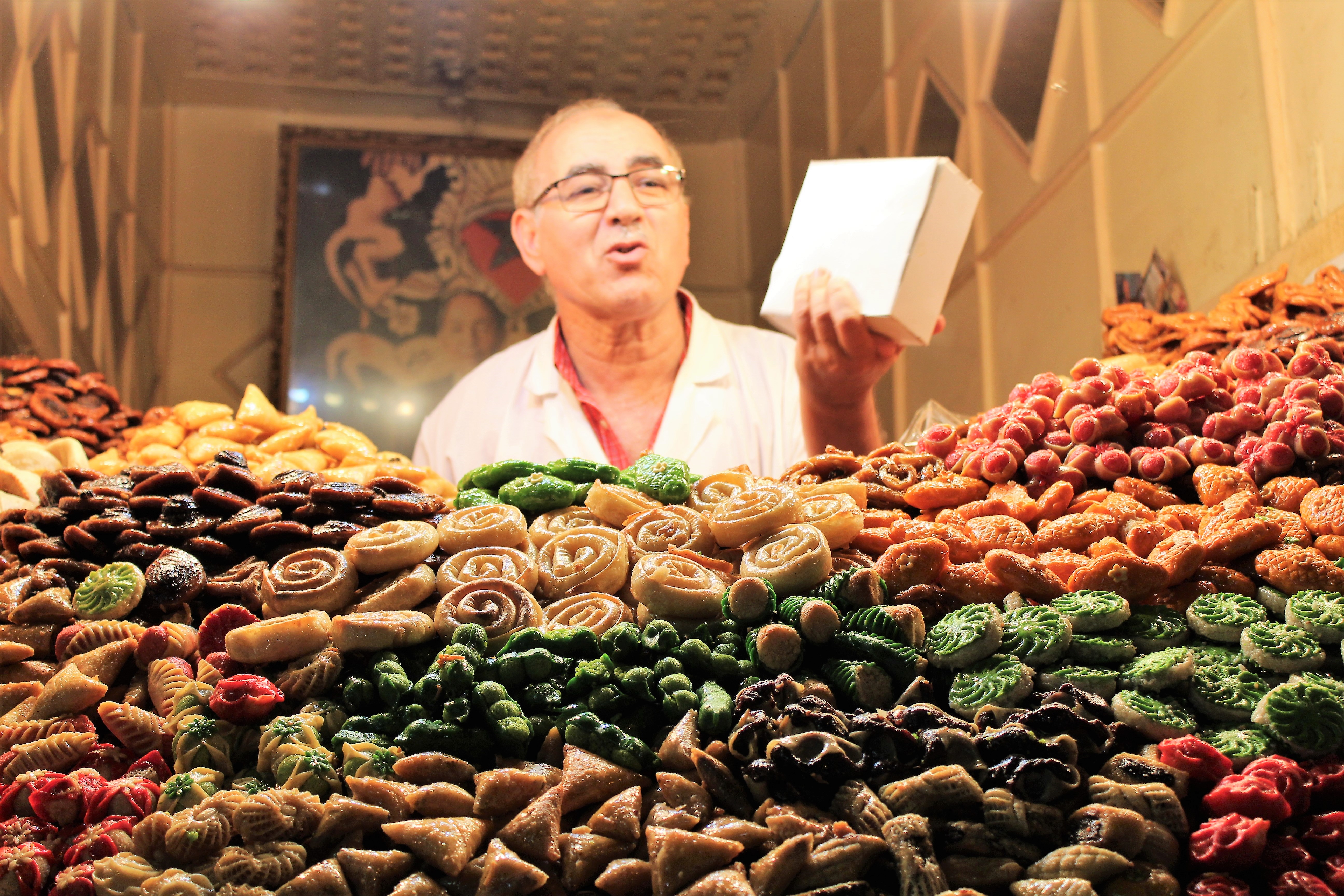
In Marrakech, we did an evening food walk with Urban Adventures. Click here to read my full review.
Is Marrakech Worth Visiting?
Absolutely.
Marrakech can feel overwhelming at first. The streets are busy, the traffic is chaotic, the souks are a maze, and the constant sights, sounds and smells can be unlike anything you've experienced before. It's not a city where you'll find peace and quiet around every corner.
But that's exactly what makes Marrakech so unforgettable.
Behind the bustle are beautiful riads, tranquil gardens, magnificent palaces and centuries of history. You'll find skilled artisans keeping traditional crafts alive, colourful markets selling everything imaginable, and cafés where you can pause with a mint tea and simply watch everyday life unfold.
For me, the magic of Marrakech wasn't just in ticking off the famous sights. It was wandering through the souks, sampling local food, chatting to stallholders, learning to cook Moroccan dishes and watching Djemaa el-Fna transform as the sun went down. Every hour seemed to reveal a different side of the city.
If you're looking for a relaxing beach holiday, Marrakech probably isn't the destination for you. But if you enjoy history, culture, food, photography and places that stimulate all the senses, I think it's one of the most rewarding cities in Morocco—and one that deserves a place on every first-time itinerary.
Final Thoughts on Visiting Marrakech
Marrakech is a city that assaults every one of your senses. The sound of snake charmers' flutes drifts across Djemaa el-Fna, the scent of spices fills the air, colourful textiles spill from the souks, and hidden courtyards provide moments of unexpected peace.
It can feel overwhelming at first, but once you embrace the organised chaos, Marrakech reveals why it has captivated travellers for centuries.
For me, the highlights weren't just the famous attractions like Bahia Palace or the Jardin Majorelle. They were the simple moments: chatting to stallholders in the souks, watching the city come alive after dark, learning to cook Moroccan food and discovering that behind almost every plain doorway lay another beautiful hidden courtyard.
Whether you're visiting Morocco for the first time or returning to explore more deeply, Marrakech deserves several days on your itinerary. It's colourful, chaotic, fascinating and unlike anywhere else I've ever travelled.
Watch this Video for More Ideas About Marrakech
If you’re travelling soon, please use these links!
Are you travelling soon? Use these links when making your bookings. These are the companies we use. It won’t cost you any extra, but we will earn a few pennies to help keep Happy Days Travel Blog going. Thank you!!
Make sure you take out travel insurance. If you are a digital nomad or long-term traveller, try the specialist provider SafetyWing. (Never leave home without protecting yourself, your trip and your belongings!)
Book your flight with Skyscanner
Book your accommodation with Booking.com
Book a tour with TourRadar
Book city tours and activities with Viator or GetYourGuide
Check out my Resource Page for more companies I recommend.
Disclosure: This post contains affiliate links. If you click through for more information, or to make a purchase, it may result in a small commission coming my way. Please note that there is no extra cost to you associated with this. Thank you so much for supporting my site.
