
Choeung Ek – Cambodia’s Most Famous Killing Field
Last updated: March 2026 – This guide has been refreshed with the latest visitor information and travel tips
A Place That Stays With You
After we visited the Tuol Sleng Genocide Museum, our tuk-tuk driver, Petter, took us straight to the Choeung Ek Genocidal Centre, around 15 kilometres south-east of Phnom Penh.
It is the most well-known of Cambodia’s many “killing fields” — places where victims of the Khmer Rouge regime were executed and buried in mass graves.
I’ll admit, I had hesitations about visiting.
People had told me that the Japanese-owned tourist attraction had become commercialised, even describing it as having a “Disney-like” feel. That didn’t sit well with me at all. But I felt it was important to see for myself.
What I found was something entirely different.
Not a spectacle.
Not a tourist attraction.
But a place of quiet reflection.
If you want to jump to a particular part of this post, please use these links:
Understanding What Happened Here
Walking Through the Killing Fields
A Landscape That Holds Contrasts
Understanding What Happened Here
Between 1975 and 1979, under the leadership of Pol Pot, the Khmer Rouge carried out one of the most devastating genocides of the 20th century.
An estimated 1.7 to 2 million people died from execution, forced labour, starvation, and disease.
Choeung Ek became one of the principal execution sites.
Victims were transported here, often under the cover of darkness, and killed using whatever tools were available — clubs, hammers, shovels — in order to save ammunition.
It is believed that around 20,000 people died at this one site alone.
Walking Through the Killing Fields
The site itself is not what you might expect.
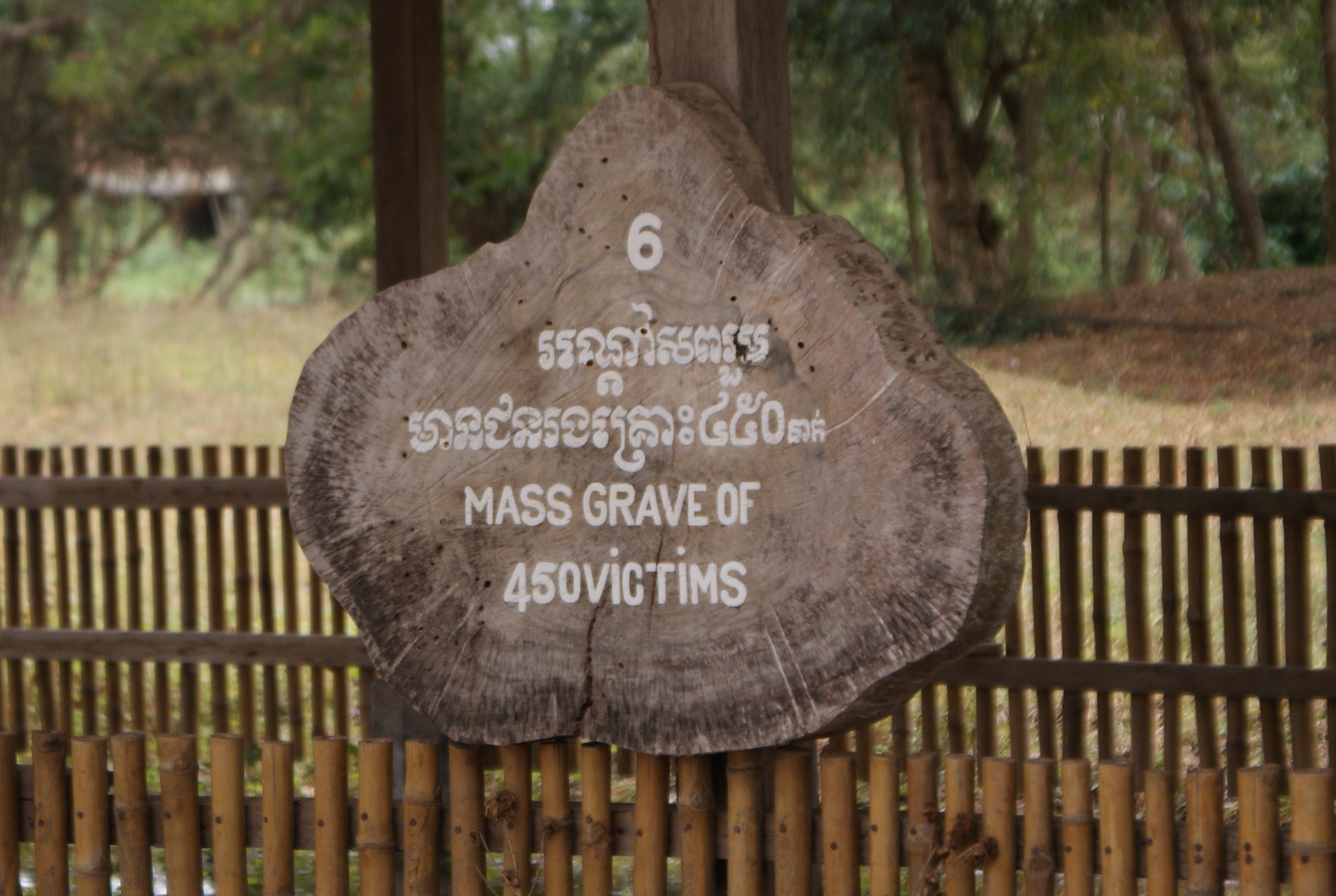
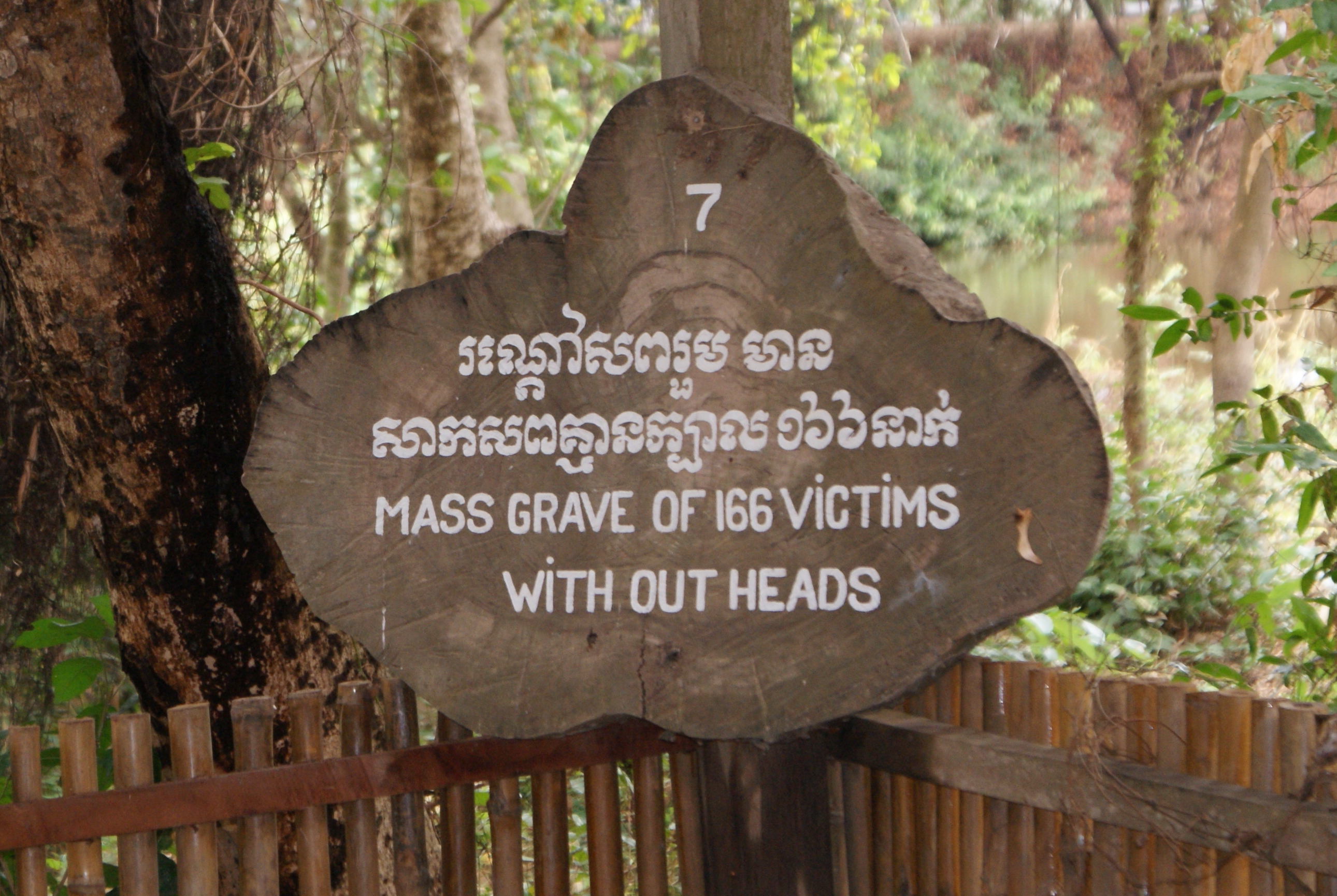
There are no original buildings — they were either temporary or have long since disappeared. Instead, the area is marked out with simple wooden signs, each one indicating a specific point in what unfolded here.
What makes the experience so powerful is the audio guide.
Included with your ticket, it is one of the most thoughtful and well-produced guides I’ve encountered anywhere in the world.
As you move from one marker to another, you hear:
factual explanations of what happened at each location
personal testimonies from survivors and families
accounts from former Khmer Rouge workers
There is no sensationalism. Just truth.
The Details You Don’t Forget
Some of the stops stay with you long after you leave.
The truck stop where the victims arrived
The mass graves
The storage area for execution tools
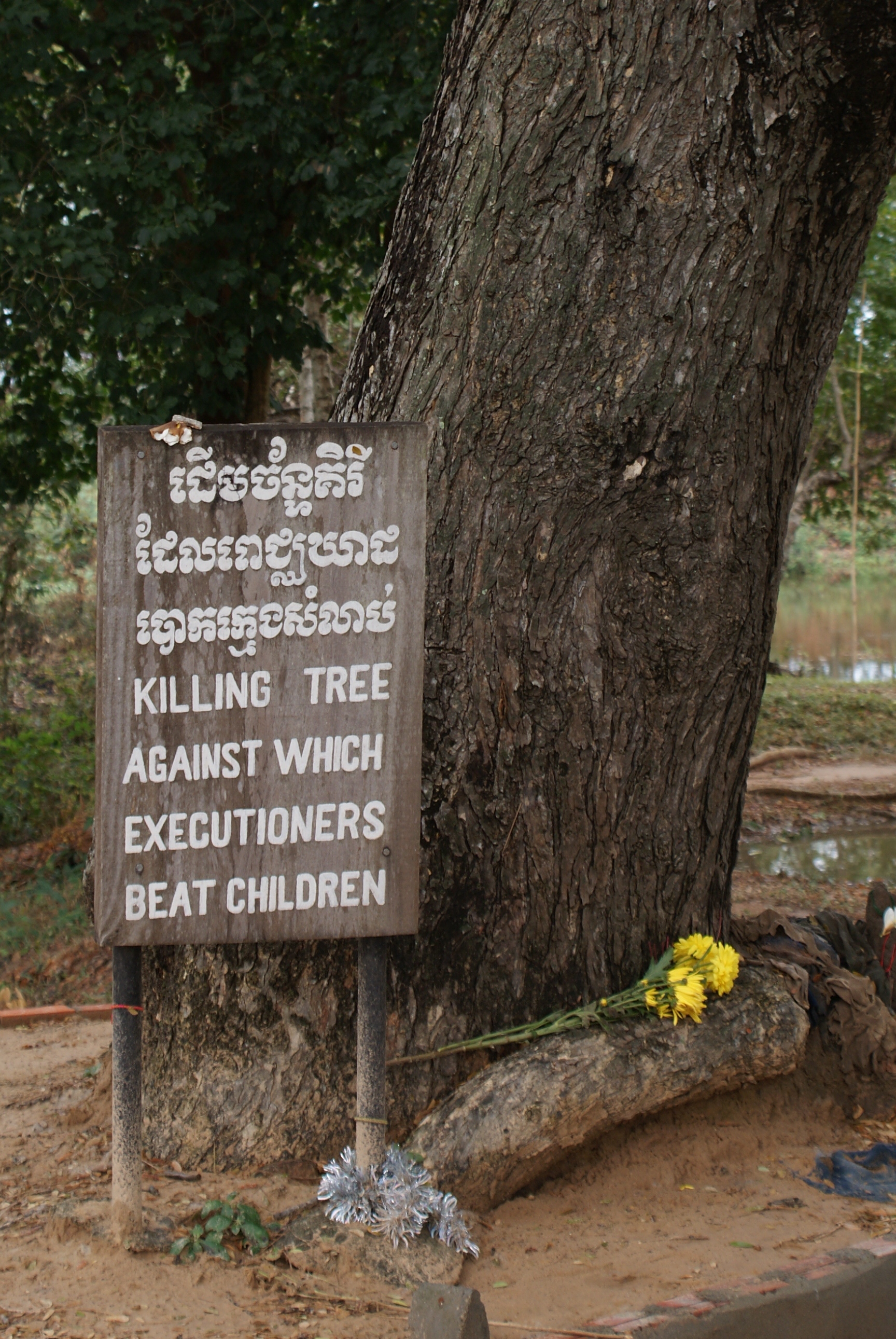
And the “killing tree,” where children were murdered
It is difficult to write those words, let alone stand in that place.
One of the first things the audio guide tells you is that, even today, fragments of clothing, bone, and teeth still rise to the surface — particularly during the rainy season.
And then, at some point, you see it for yourself.
A piece of fabric in the dirt.
Something that was once part of someone’s life.
It’s a moment that stops you completely.
Around the site, glass cases hold items that have surfaced over time. Visitors quietly add newly discovered fragments, placing them carefully alongside what is already there.
No one speaks much.
A Landscape That Holds Contrasts
There is a section near a small lake where paths and benches invite you to sit for a while.
We did.
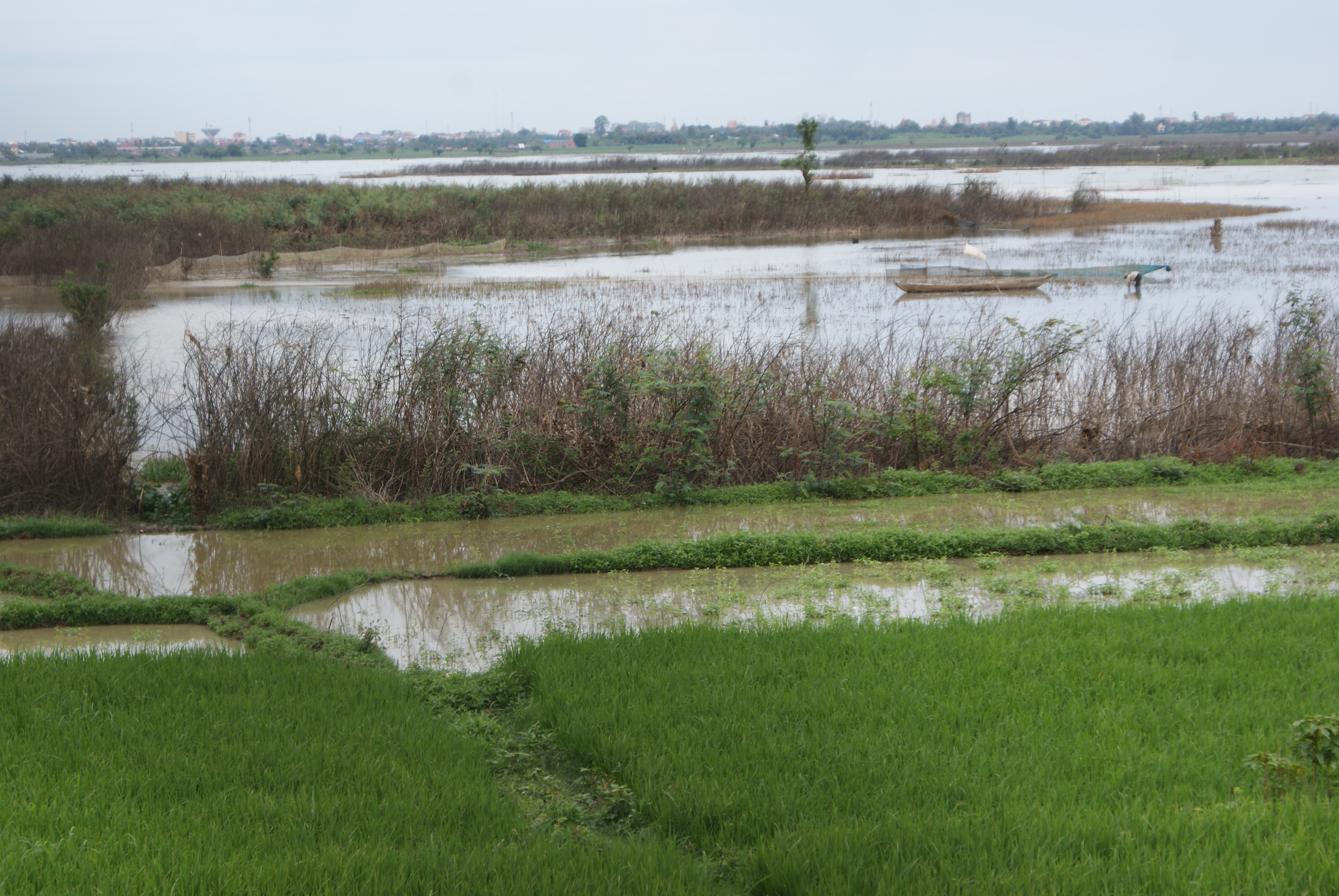
And what struck me most was what lay just beyond the boundary fence.
Farmers tending their paddy fields.
Families going about their daily lives.
Life continuing, as it always has.
I found myself wondering how often they think about what happened here. How deeply this history is woven into their own stories.
The Memorial Stupa
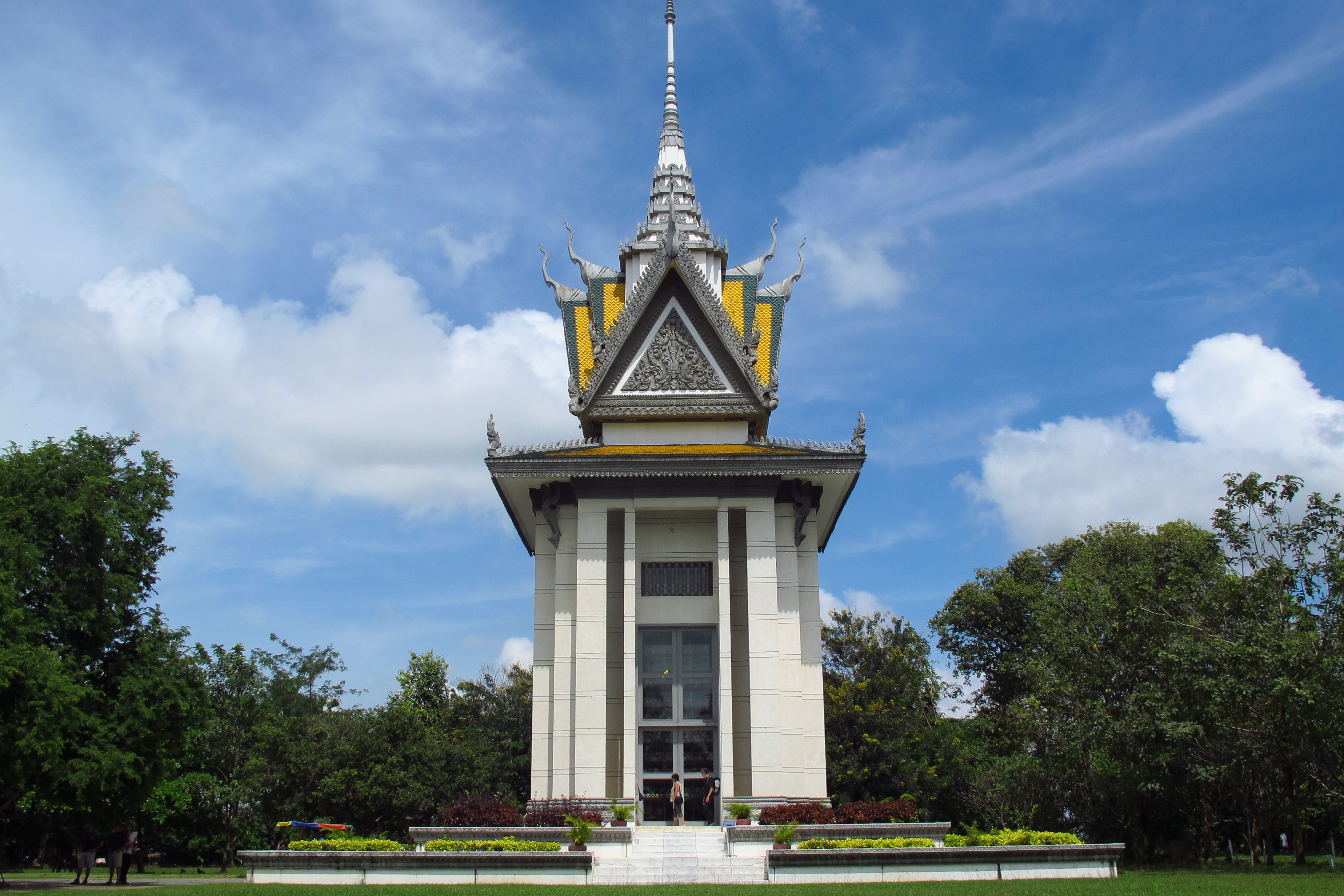
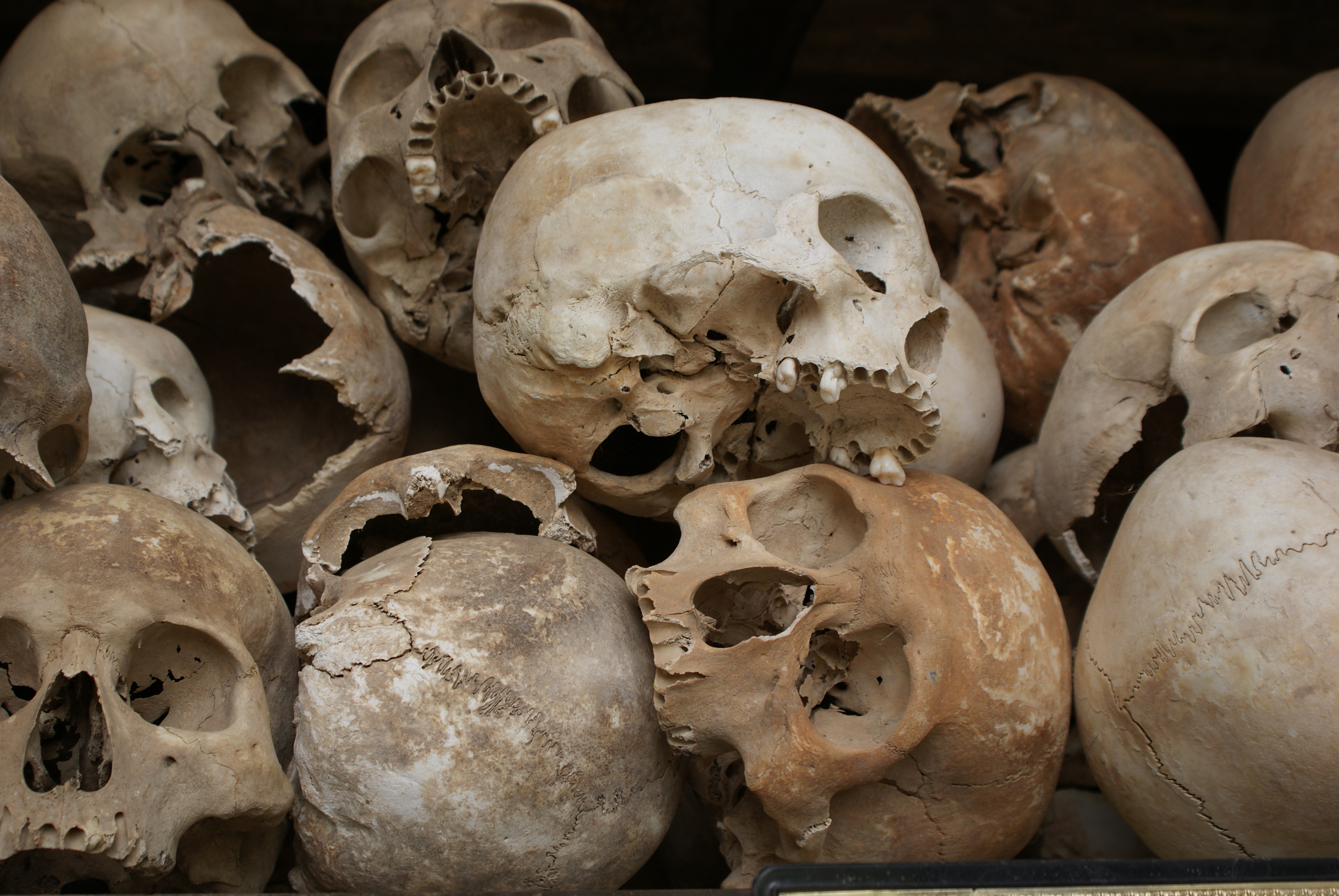
The visit begins and ends at the memorial stupa — a tall glass structure filled with the skulls and bones of victims.

It is a stark, confronting sight.
And yet, it feels like the right place to end.
Visitors are invited to leave a flower or light an incense stick in memory of those who died — not only the 20,000 people here, but the millions across Cambodia.
I did.
It felt like the least I could do.
Visiting Choeung Ek Today
📍 Location: Around 15 km south-east of Phnom Penh
🚕 Getting there: Tuk-tuk or taxi (often combined with Tuol Sleng)
🎟️ Entry: Approximately $6–$8 USD (includes audio guide)
⏰ Time needed: 1.5–2 hours
🎧 Audio guide: Essential — do not skip it
Important note:
This is a place of remembrance. Dress respectfully, speak quietly, and take your time.
A Quiet Reflection
This is not an easy place to visit.
But I believe it is an important one.
Not because it offers answers — it doesn’t — but because it asks us to bear witness.
To stand in a place where unimaginable things happened, and simply acknowledge them.
We must never forget.
Watch this Video for More About Visiting the Killing Fields
➡️ Part of a Wider Journey
This post is part of a series about Dark Tourism.
👉 Read my post about the Jallianwala Bagh massacre site in Amritsar, India
👉 See my article about visiting Tuol Sleng Genocide Museum in Phnom Penh
👉 Read about Kayakoy, a Ghost Village in Southern Turkey
👉 Dark Tourism: Visiting Places That Hold Difficult Histories
If you’re travelling soon, please use these links!
Are you travelling soon? Use these links when making your bookings. These are the companies we use. It won’t cost you any extra, but we will earn a few pennies to help keep Happy Days Travel Blog going. Thank you!!
Make sure you take out travel insurance. If you are a digital nomad or long-term traveller, try the specialist provider SafetyWing. (Never leave home without protecting yourself, your trip and your belongings!)
Book your flight with Skyscanner
Book your accommodation with Booking.com
Book a tour with Tour Radar
Book city tours and activities with Viator or Get Your Guide
Check out our Resource Page for more companies we recommend.
Disclosure: This post contains affiliate links. If you click through for more information, or to make a purchase, it may result in a small commission coming my way. Please note that there is no extra cost to you associated with this. Thank you so much for supporting my site.
