Visiting Tuol Sleng Genocide Museum: Cambodia’s S-21 Prison
Last updated: March 2026 – This guide has been refreshed with the latest visitor information and travel tips
A History I Only Half Knew
I was ten years old when the Khmer Rouge regime took power in Cambodia in 1975.
Growing up in Yorkshire, England, the reality of what followed — the persecution, starvation, and slaughter of millions — didn’t really register in my world. I remember hearing the name Pol Pot, and I vaguely recall school fundraising events for Cambodian children after the regime fell in 1979.
But that was the extent of it.
It wasn’t until years later, as I prepared for a trip to Cambodia, that I began to understand what had really happened. Reading personal accounts brought me to tears. I wanted to see for myself — not out of curiosity, but out of a need to understand.

If you want to jump to a particular part of this article, please use these links:
The Details That Are Hard to Process
A Place We Should Not Turn Away From
From School to Prison: S-21
Our first stop in Phnom Penh was the Tuol Sleng Genocide Museum.
Before 1975, this was an ordinary secondary school. A place of classrooms, laughter, and children’s voices.
The Khmer Rouge transformed it into Security Prison 21 (S-21) — the most notorious prison in Cambodia.
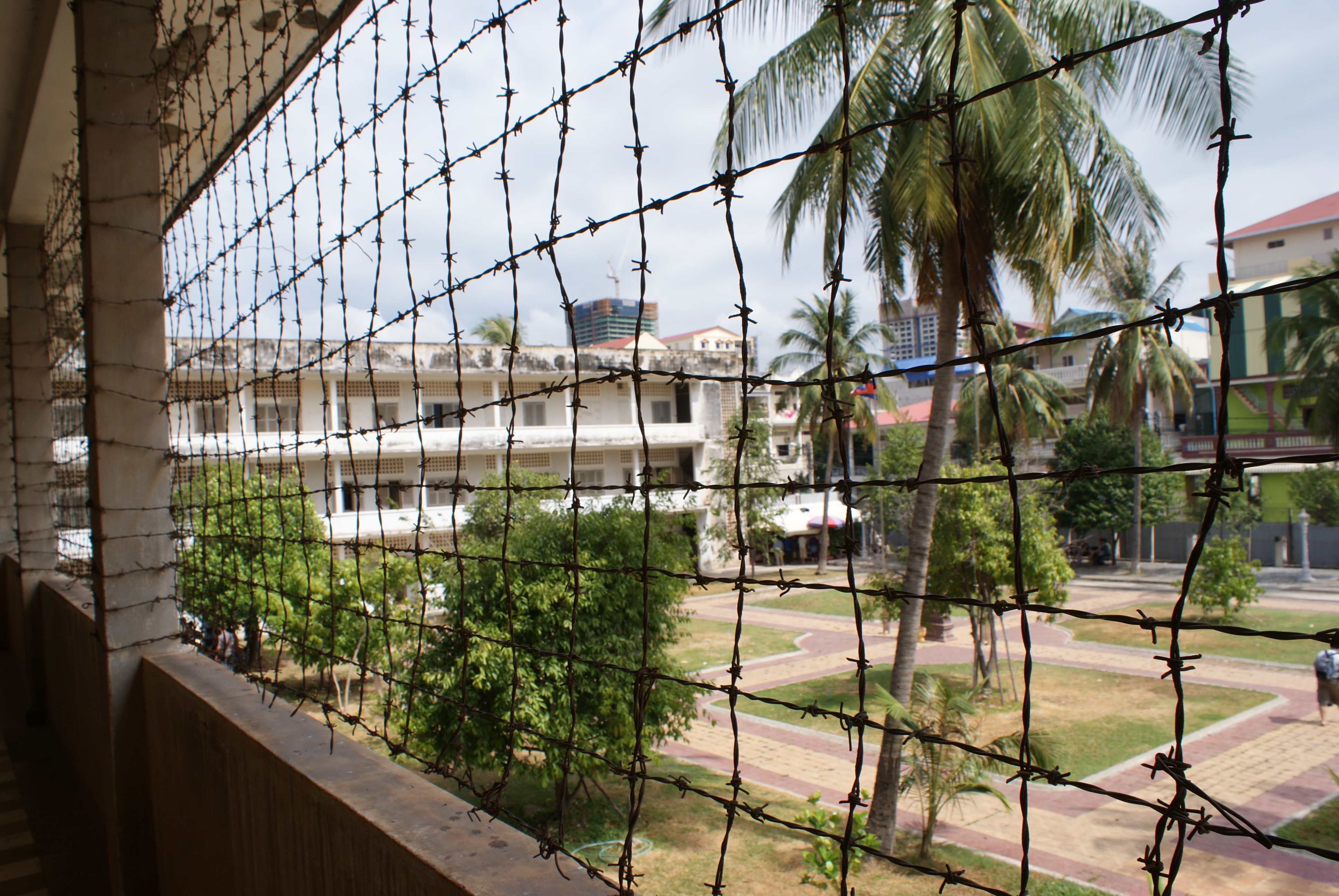
The buildings were enclosed by high walls topped with barbed wire. Classrooms were divided into tiny cells, barely large enough for a person to lie down. Others became mass detention rooms, where prisoners were shackled together, lying side by side.
Over 18,000 men, women, and children passed through these gates.
Very few survived.
Most were eventually taken to places like the Choeung Ek Genocidal Centre — the killing fields — to be executed.

A Visit That Stays With You
Today, Tuol Sleng is preserved as a museum.
But this is not a polished, curated experience.
There is no attempt to soften what happened here.
The buildings remain stark and raw:
Rusting bars still cover the windows
Barbed wire lines the open walkways
Cells contain simple metal beds and instruments of torture
Bloodstains remain visible on floors and walls
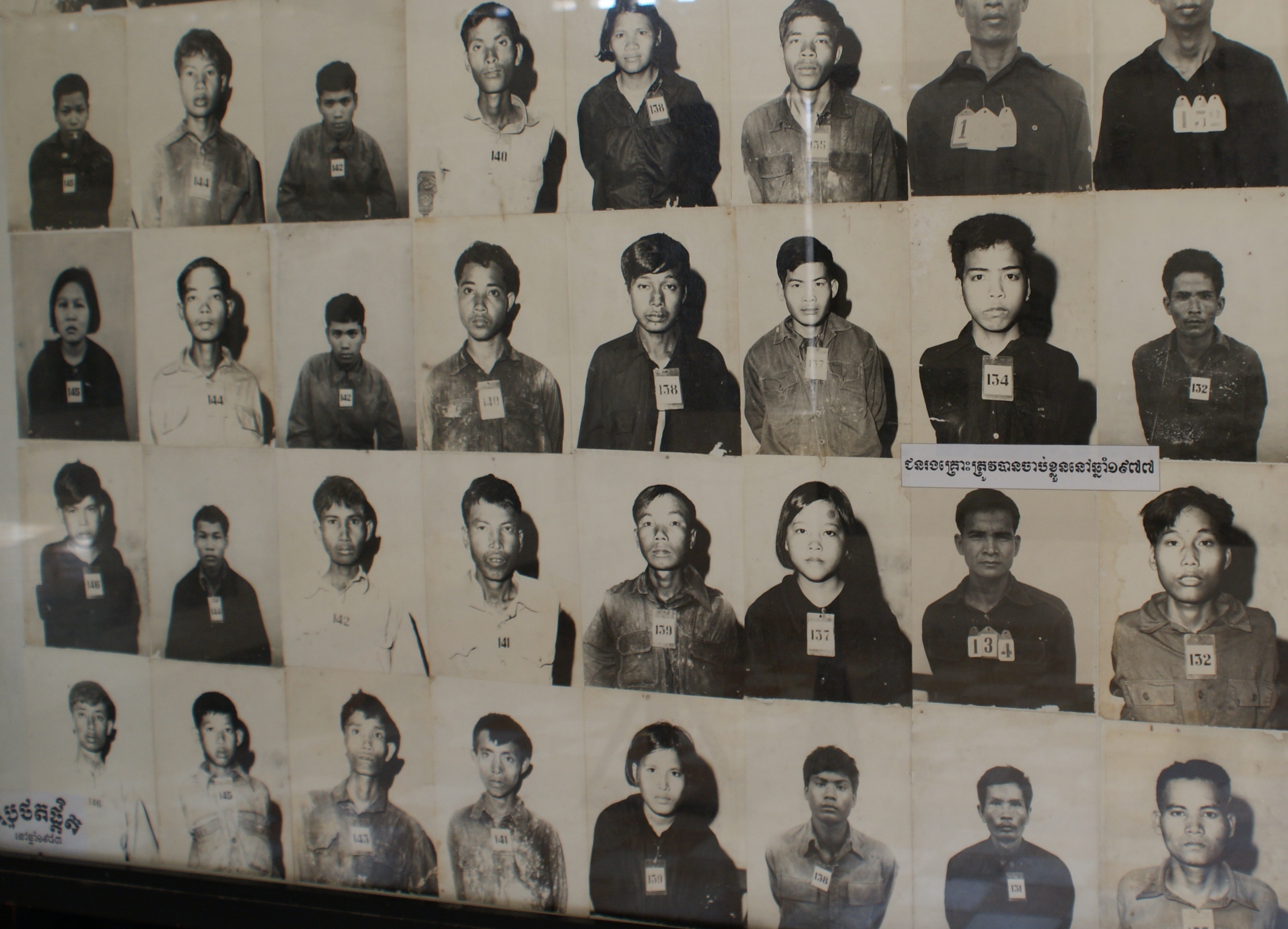
There are rooms filled with photographs — row upon row of faces, each one a life that ended here.
Other rooms contain piles of clothing and personal belongings.
Some spaces are empty.
And it is in those empty rooms that you feel it most.
Stories That Give Meaning
We arrived just in time to watch one of the documentary screenings (currently shown daily, though times may vary).
It tells the stories of former prisoners, their families, and even some of the guards.
It is not easy to watch.
But it gives context — and more importantly, humanity — to what you are seeing around you.
Without it, the buildings would still be powerful.
With it, they become something else entirely.
The Details That Are Hard to Process
Certain places within the museum are especially difficult to take in.
The tiny brick and wooden cells
The mass detention rooms
The gallows in the courtyard, used for torture
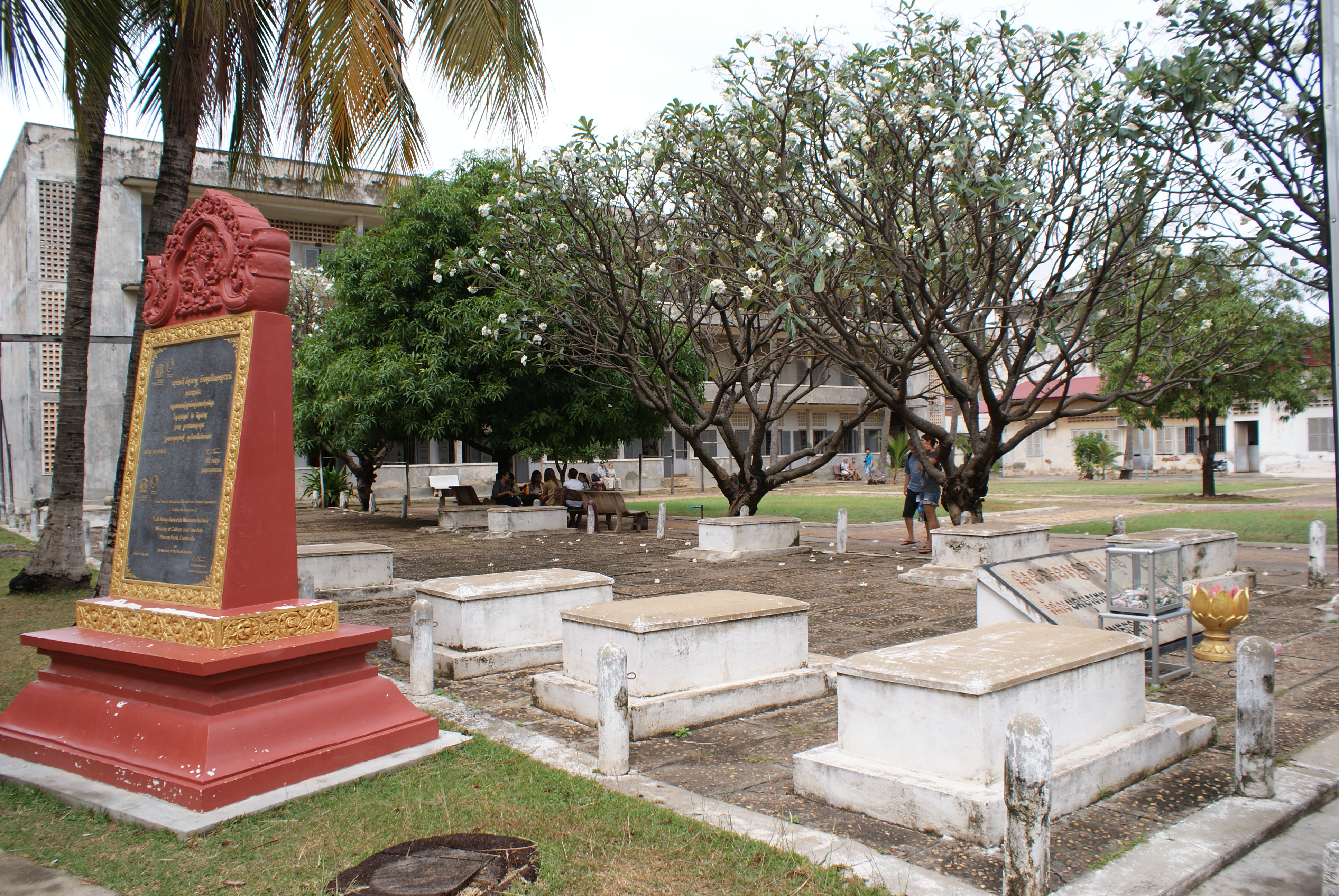
The graves of the last fourteen victims, discovered after the Khmer Rouge fled
One of the most disturbing sections includes the paintings of Vann Nath, a survivor of S-21.
His work depicts, in graphic detail, the torture that took place here.
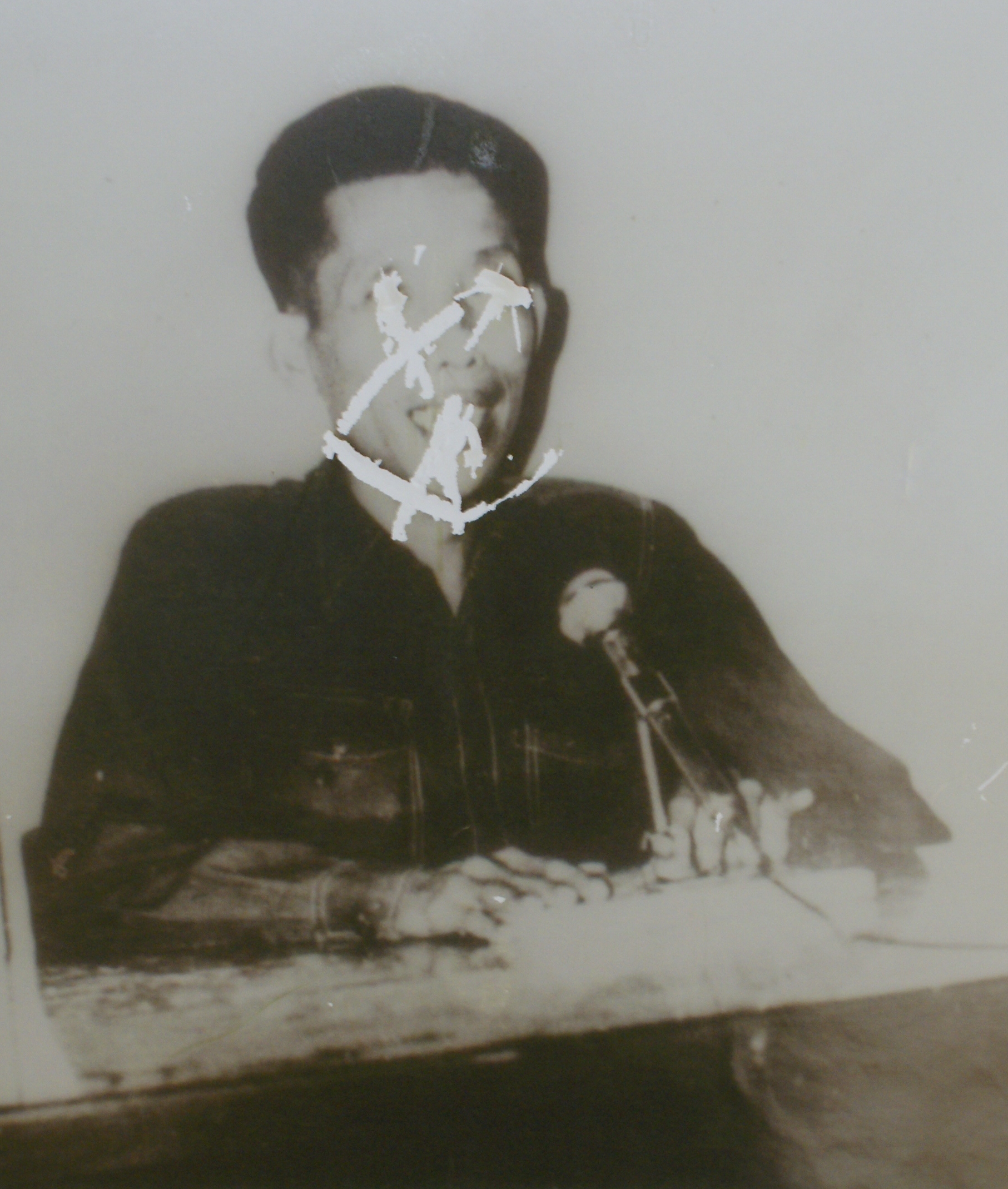
In another part of the museum, photographs of Khmer Rouge leaders have been defaced by visitors — eyes scratched out, faces marked.
You can’t help but wonder what personal stories lie behind those acts.
A Physical Reaction
Walking through Tuol Sleng, I felt something I had never experienced before.
A physical reaction.
A heaviness that stayed with me long after we left.
The Khmer Rouge ruled Cambodia for just 3 years, 8 months, and 20 days.
In that time, an estimated 1.7 to 2 million people died.
It is almost impossible to comprehend.
Visiting Tuol Sleng Today
📍 Location: Central Phnom Penh
🎟️ Entry: Around $5 USD (audio guide extra)
⏰ Opening hours: Typically 8:00am – 5:00pm
🎧 Audio guide: Highly recommended
🎥 Documentary screenings: Usually morning and afternoon (check times locally)
👉 Many visitors combine Tuol Sleng with a trip to Choeung Ek Genocidal Centre on the same day.
Important note:
This is a place of remembrance. Dress respectfully, speak quietly, and take your time.
A Place We Should Not Turn Away From
This is not an easy place to visit.
But I believe it is an essential one.
Because places like this remind us what can happen — not in some distant past, but within living memory.
Every visitor to Cambodia should come here.
Not as a tourist.
But as a witness.
Watch this Video About Visiting Tuol Sleng Museum
➡️ Part of a Wider Journey
This post is part of a series about Dark Tourism.
👉 Read also: Choeung Ek – Cambodia’s Killing Fields
👉 Read my post about the Jallianwala Bagh massacre site in Amritsar, India
👉 Read about Kayakoy, a Ghost Village in Southern Turkey
👉 Dark Tourism: Visiting Places That Hold Difficult Histories
If you’re travelling soon, please use these links!
Are you travelling soon? Use these links when making your bookings. These are the companies we use. It won’t cost you any extra, but we will earn a few pennies to help keep Happy Days Travel Blog going. Thank you!!
Make sure you take out travel insurance. If you are a digital nomad or long-term traveller, try the specialist provider SafetyWing. (Never leave home without protecting yourself, your trip and your belongings!)
Book your flight with Skyscanner
Book your accommodation with Booking.com
Book a tour with Tour Radar
Book city tours and activities with Viator or Get Your Guide
Check out our Resource Page for more companies we recommend.
Disclosure: This post contains affiliate links. If you click through for more information, or to make a purchase, it may result in a small commission coming my way. Please note that there is no extra cost to you associated with this. Thank you so much for supporting my site.
