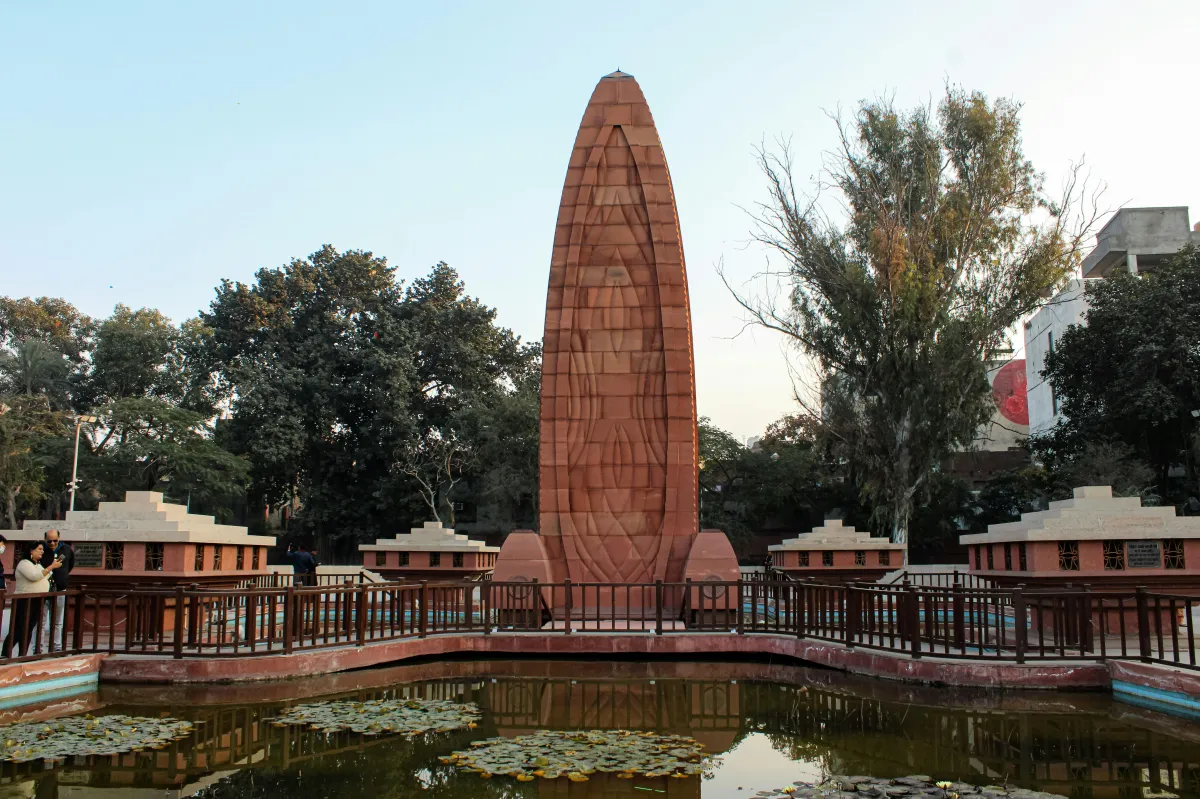
Jallianwala Bagh, Amritsar: A Place of Silence, Memory and Unimaginable Loss
I visited Jallianwala Bagh in Amritsar, the site of the infamous 1919 massacre, with a sense of quiet anticipation—but nothing quite prepares you for the reality of standing there.
Like many people, my first awareness of what happened here came through Richard Attenborough's 1982 film, Gandhi. The massacre scene is one that has always stayed with me. Its brutality is almost too shocking to comprehend. It feels impossible that such an event could have happened in real life.
But it did.
And standing inside the garden where it took place brings that reality into sharp, painful focus.
If you want to jump to a particular section of this article, please click on these links:
What Happened at Jallianwala Bagh?
Visiting Jallianwala Bagh Today
Is Jallianwala Bagh Worth Visiting?
Watch this Video for an Indian's Thoughts on Visiting Jallianwala Bagh
What Happened at Jallianwala Bagh?
The Jallianwala Bagh massacre took place on 13 April 1919, during the festival of Baisakhi.
A large crowd had gathered in the garden—some to celebrate, others to protest peacefully against the repressive Rowlatt Act and the arrest of pro-Indian independence leaders Saifuddin Kitchlew and Satyapal.
Without warning, Brigadier-General Reginald Dyer entered the enclosed space with around 50 troops. The garden had only one narrow entrance, and the surrounding walls meant there was almost no way out.
Dyer positioned his men at the entrance and ordered them to fire directly into the crowd.
They continued shooting as people tried desperately to escape.
They fired until their ammunition was nearly exhausted.
Official British figures recorded 379 deaths, but Indian estimates suggest the true number may have been well over 1,000. More than 1,200 people were injured—men, women, and children.
The images of the massacre captured at the time are truly shocking.
Why It Matters
The massacre sent shockwaves across India.
It shattered any remaining trust many Indians had in British rule and became a turning point in the struggle for independence. Even within Britain, the attack was widely condemned.
Winston Churchill, Secretary of State for War at the time, described it as “unutterably monstrous,” and although Dyer was censured, many in India felt justice was never truly served.
The events at Jallianwala Bagh helped fuel the growing independence movement, leading eventually to India’s break from Britain in 1947.
Visiting Jallianwala Bagh Today

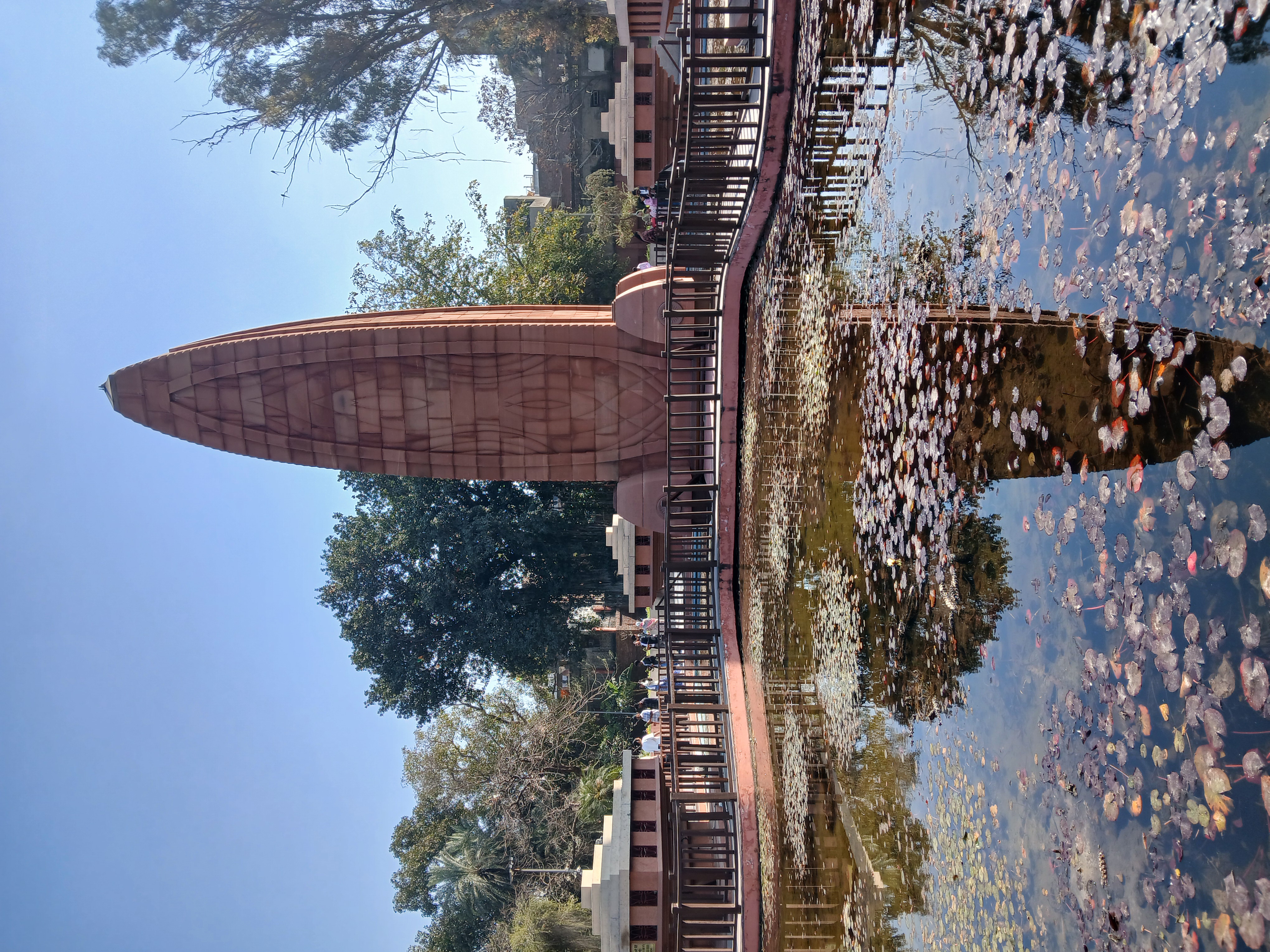
Today, the site is a memorial and public garden—but it has not been sanitised.
You enter through the same narrow passage that Dyer and his troops used. Walking through it is an experience in itself - tight, enclosed, and deeply unsettling when you understand what followed.
There is one small, almost unbearable detail: the passage was too narrow for the armoured vehicles Dyer had brought with him.
Had they been able to enter, the loss of life would almost certainly have been even greater.
Inside the park, several features preserve the memory of what happened:
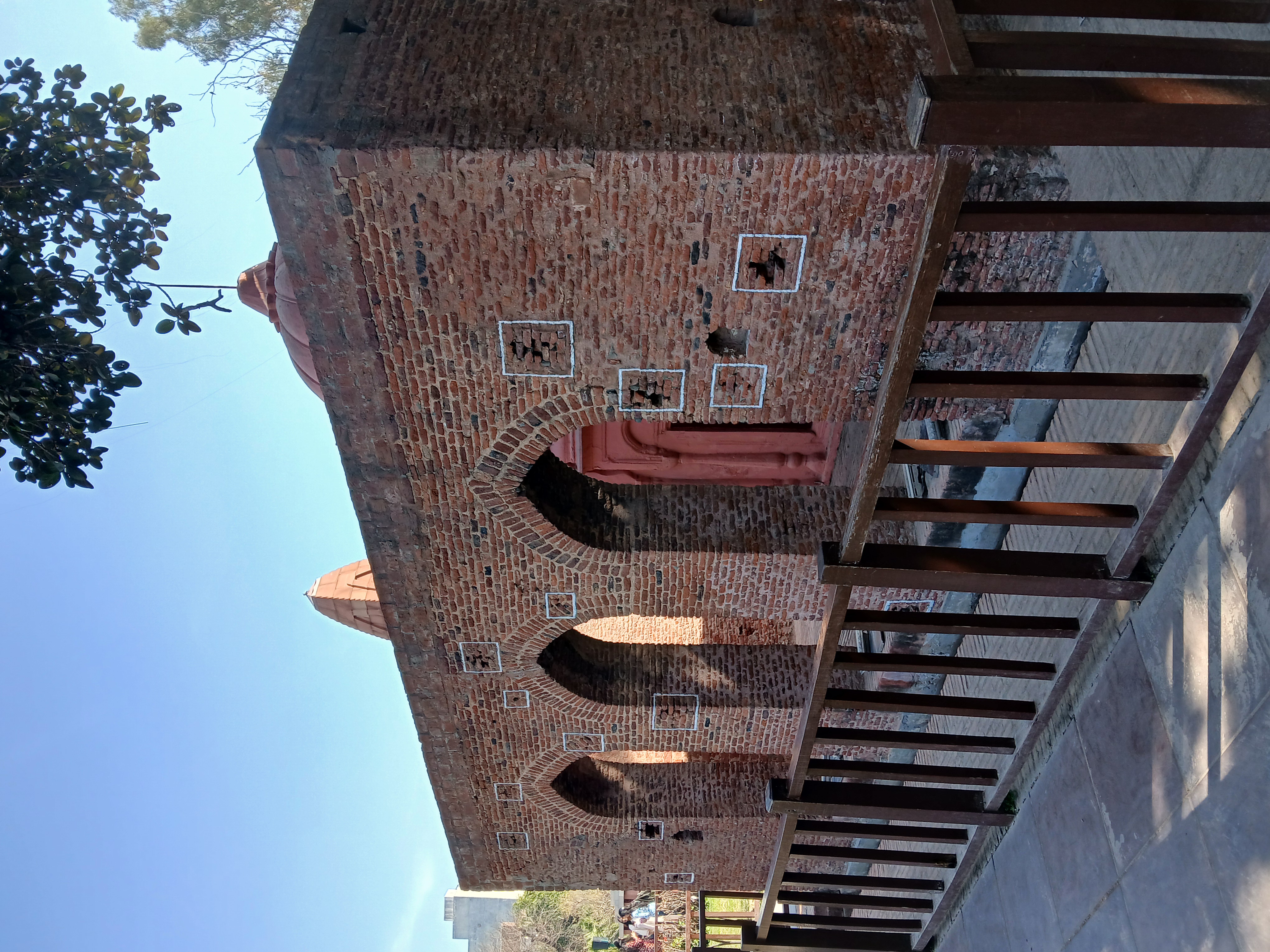
The original walls still stand, marked with bullet holes
The Martyrs’ Well, where people jumped in desperation to escape the gunfire
A central memorial rising starkly from the ground
An eternal flame burning in remembrance
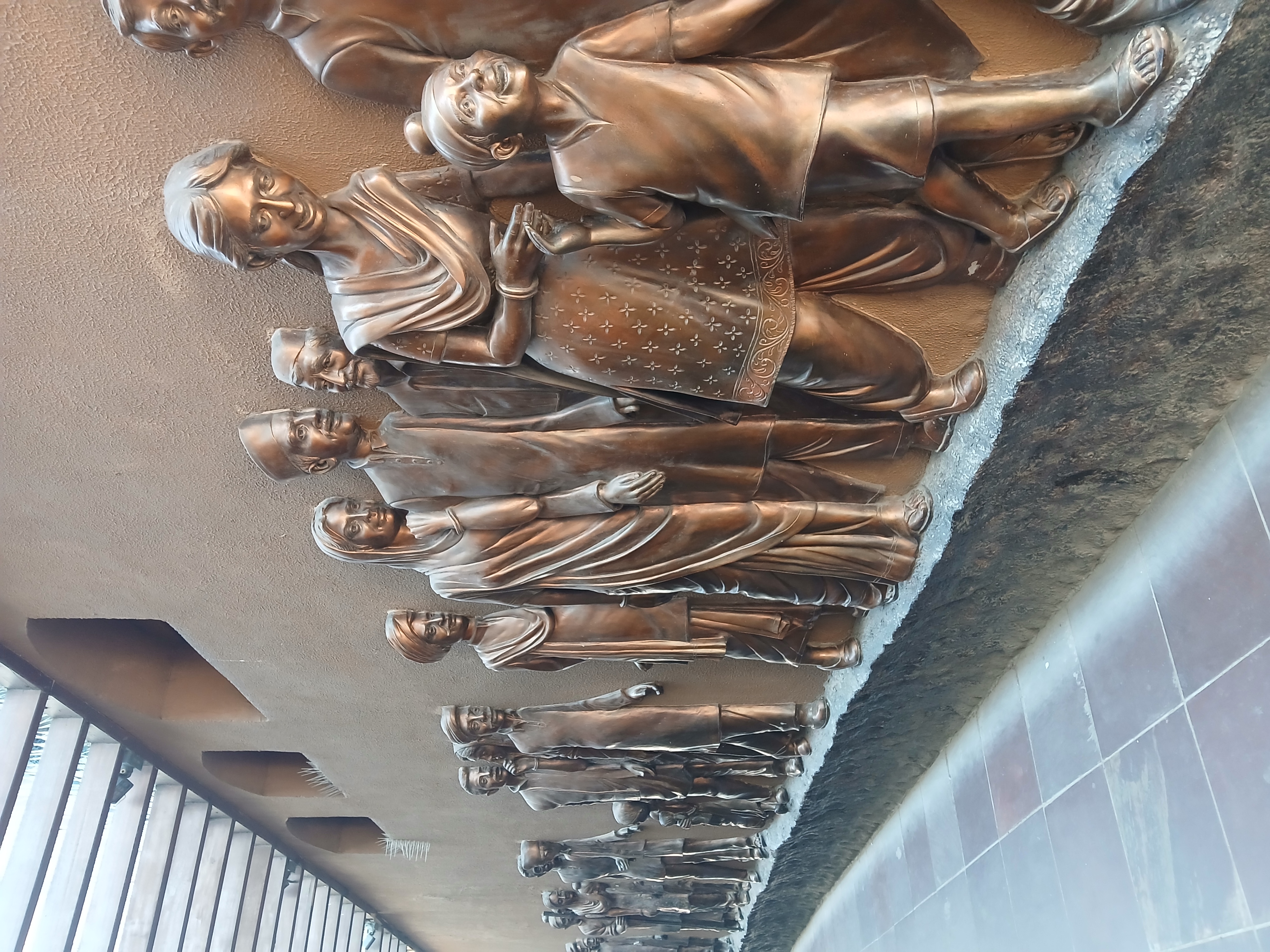
Galleries displaying photographs and detailed accounts of the massacre
The exhibits are unflinching. Some of the images are difficult to look at—but they are important.
A Personal Reflection
This is not an easy place to visit.
I found it profoundly moving - overwhelming, even. There is a heaviness in the air that is difficult to describe, a sense of something deeply wrong having happened here.
It’s a feeling I’ve only experienced a handful of times before - at the Killing Fields of Choeung Ek in Cambodia, for example, and on the World War One battlefields of northern France.
I sat quietly in the garden for a while, trying to process it all.
And I cried.
At one point, I was approached, as I often am in India, for a photo. In that moment, I felt an unexpected sense of shame. I was suddenly very aware of where I come from, and of the history tied to that.
For a fleeting second, I considered not telling the truth.
But I didn't. I told them I was from the UK.
And the kindness I was met with in return was humbling.
Practical Tips for Visiting
Location: Close to the Golden Temple in the old city
Entry: Free
Time needed: 1–2 hours
Best time to visit: Early morning or late afternoon for a quieter experience
Etiquette: This is a place of remembrance—dress respectfully and allow time for quiet reflection
Is Jallianwala Bagh Worth Visiting?
Yes—without question.
But not in the usual sense of “worth it.”
This is not a sightseeing stop to tick off a list.
It is a place to learn, to reflect, and to bear witness.
If you visit Amritsar, I believe you should come here—not because it is easy, but because it is important.
Watch this Video for an Indian's Thoughts on Visiting Jallianwala Bagh
➡️ Part of a Wider Journey
This post is part of a series about Dark Tourism.
👉 Read my post about Choeung Ek Killing Fields
👉 See my article about visiting Tuol Sleng Genocide Museum in Phnom Penh
👉 Read about Kayakoy, a Ghost Village in Southern Turkey
👉 Dark Tourism: Visiting Places That Hold Difficult Histories
If you’re travelling soon, please use these links!
Are you travelling soon? Use these links when making your bookings. These are the companies we use. It won’t cost you any extra, but we will earn a few pennies to help keep Happy Days Travel Blog going. Thank you!!
Make sure you take out travel insurance. If you are a digital nomad or long-term traveller, try the specialist provider SafetyWing. (Never leave home without protecting yourself, your trip and your belongings!)
Book your flight with Skyscanner
Book your accommodation with Booking.com
Book a tour with Tour Radar
Book city tours and activities with Viator or Get Your Guide
Check out our Resource Page for more companies we recommend.
Disclosure: This post contains affiliate links. If you click through for more information, or to make a purchase, it may result in a small commission coming my way. Please note that there is no extra cost to you associated with this. Thank you so much for supporting my site.
